
 by
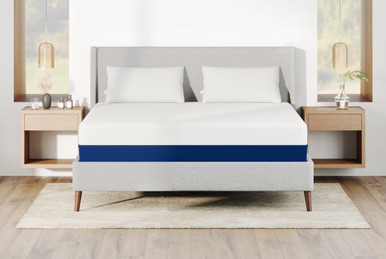
For most sleepers, the Amerisleep AS3 wins this match-up. Its HIVE 5-zone Bio-Pur foam delivers better all-position support and stays cooler than Layla's copper-infused memory foam, on a 365-night trial and 20-year warranty. The Layla Memory Foam is worth considering if you are genuinely undecided between a plush and a firm feel, or if you share a guest room that hosts different sleepers and want two firmness options without buying two mattresses.
Amerisleep AS3
9.3/10
- HIVE 5-zone layer firms under the lumbar and softens at the shoulders, so both side and back sleepers stay aligned
- Partially plant-based Bio-Pur foam runs cooler and more responsive than standard slow-response memory foam
- CertiPUR-US certified, made in the USA
- 20-year warranty: replacement at Amerisleep's cost in years 1-10 (labor and transport not covered)
- Single-sided only (no flip option)
- Edge support softer than a coil hybrid
- Sleepers over 230 lb may need the AS3 Hybrid, which adds a coil base
The AS3 hits medium consistency that most side and back sleepers need, with active lumbar zoning that Layla's uniform copper foam cannot match. At a higher price than the Layla figures listed here, the AS3 offers a 20-year warranty and HIVE zoning for everyday use.
Amerisleep AS3 vs Layla Memory Foam: head-to-head specs
Here is a direct comparison of the two mattresses using confirmed 2026 specs. Prices, heights and firmness assessments include approximate figures.
| Spec | Amerisleep AS3 | Layla Memory Foam (flippable) |
|---|---|---|
| Type | All-foam, partially plant-based Bio-Pur | All-foam, flippable copper-infused memory foam |
| Firmness | Medium 5/10 | Soft side ~4/10, Firm side ~7/10 |
| Height | 12 inches | ~10 inches |
| Motion isolation | Excellent (foam construction absorbs transfer) | Good (slow-response memory foam, moderate isolation) |
| Cooling | Good (open-cell Bio-Pur, hex channels in HIVE) | Moderate (copper-infused helps, but sealed foam traps some heat) |
| Queen price | $1,149 sale / $1,749 regular | ~$949–$1,099 |
| Trial | 365 nights | 120 nights |
| Warranty | 20 years | Lifetime |
| Certifications | CertiPUR-US, made in USA | CertiPUR-US, no fiberglass |
Why the Amerisleep AS3 wins for most sleepers
The AS3's defining advantage is its HIVE 5-zone transition layer. The hexagonal cuts in the foam are denser under the lumbar and looser at the shoulders. For a side sleeper, this means the shoulder sinks enough to keep the spine horizontal, while the hips receive firmer resistance. For a back sleeper, the lower back stays lifted rather than collapsing into a hammock sag. Layla's copper memory foam is symmetric across zones: it conforms everywhere at the same rate, which benefits pressure relief but does not actively support the lumbar the way zoned construction does.
The Bio-Pur foam used in the AS3 is partially plant-based, which means a more open cell structure than conventional petrochemical memory foam. That translates to faster response when you shift positions and slightly better temperature regulation overnight. Layla's copper-infused foam is designed to draw heat away from the surface, while NapLab scores the AS3 9/10 for cooling, a strong all-foam result.
The 20-year warranty on the AS3 is also meaningfully stronger in the years 1 through 10: Amerisleep replaces the mattress at no cost if manufacturing defects or sagging over 1.5 inches appear; labor and transport are not covered. Layla's lifetime warranty is longer on paper; compare its indentation threshold and terms with Amerisleep's before buying.
At $1,149 queen on sale, the AS3 costs more than Layla's $949–$1,099 prices listed here, so this is not a budget-versus-premium comparison. Both are mid-range all-foam mattresses in the same price band. The AS3 earns its place at the top of this comparison through construction quality, not a price discount.
When the Layla Memory Foam can work
The Layla Memory Foam's flippable design is a genuine differentiator. If you are moving into a new sleep situation, recovering from a surgery and uncertain whether you will need a plush or firm feel during recovery, or setting up a guest room that hosts sleepers with very different preferences, the ability to flip the mattress rather than return it is practical. The soft side at around 4/10 suits side sleepers who prioritize deep pressure relief at the shoulder and hip. The firm side at around 7/10 suits back or stomach sleepers who need resistance.
Layla offers a 120-night trial, shorter than the AS3's 365 nights, which still leaves time to test both sides before deciding whether to keep it.
However, if you already know your preferred firmness and you are buying for long-term daily use on a shared bed, the flippable design adds less value. The Layla is also thinner at around 10 inches versus the AS3's 12 inches, which affects edge stability and can be relevant for heavier sleepers or anyone who sits on the side of the bed regularly.
Looking at both brands more broadly
If you want a full brand-level evaluation covering all Amerisleep and Layla models, our Amerisleep vs Layla brand comparison goes into more depth on the Layla Hybrid and the broader Amerisleep lineup, and it is the right starting point if you are still narrowing down which model fits your needs.
Verdict
The Amerisleep AS3 is the stronger everyday mattress for most buyers. The HIVE zoning gives it a structural advantage over the Layla Memory Foam's uniform construction, the Bio-Pur foam sleeps cool for all-foam (NapLab cooling 9/10), and the 20-year warranty covers repair or replacement at Amerisleep's expense in the first decade, excluding labor and transport. The Layla Memory Foam earns its place for sleepers with genuinely uncertain firmness preferences or guest room setups where flexibility matters. For everyone else, the AS3 is the clearer choice.
The Amerisleep AS3 outperforms the Layla Memory Foam for everyday use: better lumbar zoning, strong independent cooling scores, and a clearly structured 20-year warranty. Choose Layla only if the two-sided firmness option addresses a specific need.
Frequently asked questions
Is the Amerisleep AS3 better than the Layla Memory Foam?
For most sleepers, yes. The AS3's HIVE 5-zone layer supports the lumbar more precisely than Layla's uniform copper foam, and the Bio-Pur construction sleeps cooler over a full night. The Layla has a flippable design that suits buyers who want two firmness options in one mattress.
What is the difference between the Layla Memory Foam soft and firm sides?
The soft side rates around 4 out of 10 on the firmness scale and suits side sleepers who want deep contouring at the shoulder and hip. The firm side rates around 7 out of 10 and suits back or stomach sleepers who need more surface resistance. Both sides use copper-infused memory foam; the difference is layer thickness and arrangement.
How does the Amerisleep AS3 feel compared to Layla?
The AS3 feels more responsive and slightly more buoyant than Layla's slow-response memory foam. The HIVE zoning creates a sense of being supported rather than cradled: you feel the mattress working under you rather than sinking uniformly into it. Layla's soft side has a deeper, slower contouring feel.
Does the Layla Memory Foam sleep hot?
Layla says its copper-infused foam helps dissipate heat, though like most memory foam it can still feel warm to very hot sleepers. NapLab scores the Amerisleep AS3 9/10 for cooling.
Which has the better warranty, the AS3 or the Layla?
Layla offers a lifetime warranty, which sounds longer, but Amerisleep's 20-year warranty includes free full replacement if sagging over 1.5 inches develops in years 1 through 10; labor and transport are not covered. Compare both policies' indentation thresholds and proration terms before buying.