

 by
by Our #1 recommendation for this topic
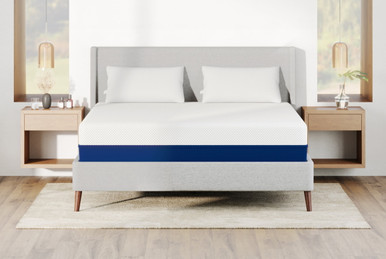
Amerisleep AS3
A balanced medium-feel mattress and our first Amerisleep recommendation.
TL;DR
Sleep Lab Pick · Current Sale
Amerisleep's Current Sale is on — adjustable bed bases with zero-gravity positioning and wireless remote.
Bed frame buying = material (solid wood best), weight capacity, box spring requirement, assembly complexity, and aesthetic. Saatva Santorini ($1,295) is our premium pick for solid kiln-dried wood + lifetime warranty.
Jump to section
- What Are the Best-Selling Mattresses for Bunk Beds?
- At-a-glance: our top 3 picks for this niche
- Top 8 Mattresses for Bunk Beds
- What Type of Mattress Is Best for Bunk Beds?
- How Thick Should a Top Bunk Mattress Be?
- Is A Bunk Bed Mattress Different from a Regular Mattress?
- Can You Put An 8-Inch Mattress on a Bunk Bed?
- Can I Use a Memory Foam Mattress on Bunk Beds?
- Key Takeaways: The Best Mattress Choices for Bunk Beds
- Our Recommendation:
Our #1 Recommended Mattress
In This Guide
- What Are the Best-Selling Mattresses for Bunk Beds?
- Top 8 Mattresses for Bunk Beds
- What Type of Mattress Is Best for Bunk Beds?
- How Thick Should a Top Bunk Mattress Be?
- Is A Bunk Bed Mattress Different from a Regular Mattress?
- Can You Put An 8-Inch Mattress on a Bunk Bed?
- Can I Use a Memory Foam Mattress on Bunk Beds?
- Key Takeaways: The Best Mattress Choices for Bunk Beds
- Our Recommendation:
- Best Mattresses for Bunk Beds: Height and Safety Guide
Last Updated: March 2026 - Content reviewed and verified by our editorial team.
a mattress. From $1,095
365-night trial · Lifetime warranty · Free white-glove delivery
Get the mattress →
We earn a commission if you make a purchase through our links, at no extra cost to you. Full disclosure.
Bunkbeds are one of the most space-saving choices for all parents. They are stackable, and you can easily put two to three children at once into the bunk bed, making them an ideal choice for small bedrooms (also check 10 amazing mattresses on the market). The common accommodation of mattresses on this bed ranges between twin, XL, or full.
The best thing about choosing the mattresses for bunk beds is to go for the low-profile mattresses, which are ideal. Heavy or thick mattresses are not a great choice for bunk beds, which is why you need to choose a model that is constructed so that it goes well with your bunk beds.
Check out our top 8 bunk bed mattress reviews.
What Are the Best-Selling Mattresses for Bunk Beds?
At-a-glance: our top 3 picks for this niche
Quick comparison of the 3 mattresses we most often recommend for this use case in 2026. Prices reflect current promos where applicable.
Top 8 Mattresses for Bunk Beds
Spring 2026 — deepest Saatva discount
Saatva Solaire — queen $4,599 ($525 off)
The Solaire is Saatva's only 50-level adjustable-firmness smart bed. Wireless remote, dual-firmness on king/cal-king (each side independent), chiropractor-approved across the entire firmness range. Current pricing beats Black Friday 2025 by $125.
365-night trial, lifetime warranty, free white-glove delivery. ID.me knocks another $225 off $1,000+ (military, first responders, teachers, seniors).
See Solaire sale price →
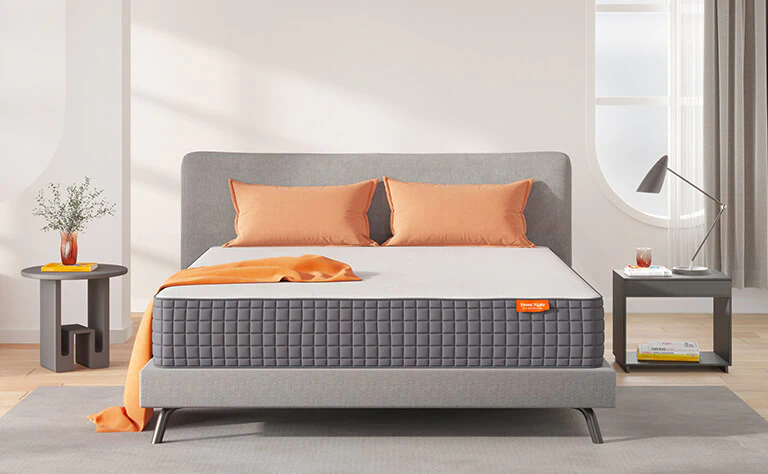
Sweet Night Breeze Mattress
- Motion Transfer Control
- Pressure Relieving
Incredible cool sleep surface with gel-infused property
The Sweet Night Breeze gel-infused memory foam mattress is one of the best mattresses for bunk beds. It is available in sizes ranging from 8 to 12 inches and 10 inches, with full queen and king sizes. What you will love about this mattress is that it comes with a 100-night trial and a ten-year warranty.
The best thing about the Sweet Night mattress is that it offers an optimal cooling sleeping surface for the users due to the gel-infused mattress. The mattress is designed in such a way that it offers a comfortable cooling experience during sleep. Another essential feature of this mattress is its triple-layer that absorbs all the motion.
Indulge in the blissful rest sleep with this mattress that controls all the motion transfer without interruptions. It is a great choice for all light sleepers. Have you been looking for a way to relieve all of your stress? Then no more hassle, as this mattress supports your spine and makes you sleep comfortably. It has spine alignment technology relieves and relaxes all your joints and muscles.
This mattress is Certi-PUR US certified with OEKO-TEX certified fabric, which is a perfect blend to offer support and offer softness to the sleepers.
The layers of this mattress include a cooling and soft cover with gel-infused cooling memory foam, and the third layer comes with the airflow memory foam, with the last support base foam made with high-density material. The comfort experience of this mattress is medium-soft, which ranges between 5 and 6 on the comfort chart.
Linenspa Memory Foam mattress

- Innerspring hybrid
- Medium-firm feel
A hypoallergenic hybrid mattress with premium quality
The LinenSpa Memory Innerspring Hybrid Mattress comes in a medium firm design. This stylish mattress is available in an 8-inch mattress only, or you can buy it with a platform bed frame. It is available in a 10-inch mattress or a 10-inch mattress with a platform bed frame. You can choose a 12-inch mattress with a platform bed frame if you like more thickness.
This hybrid mattress combines the traditional support of spring material with hypoallergenic memory foam, giving you the perfect feel to sleep comfortably throughout the night (check 10 great hybrid mattresses). This mattress works well for the bunk beds in dorm rooms or hostel rooms and is one of the more affordable low-profile options for buyers.
Keep your spine properly aligned with this mattress's plush memory foam layer that relieves all your pressure points and offers comfort. The cozy knitted cover on the mattress is finished in such a way that it helps you sleep comfortably. This mattress comes conveniently, allowing you to set it easily.
Lastly, with this mattress, you get a 10-year limited warranty. This innerspring hybrid mattress is fantastic for bunk beds because of the cooling property combined with the support, confirming property and comfort. The tempered steel coils provide the quilted memory foam on the top with comfort foam in the middle layer of the quilted cover with ample support.
HOXURY Hybrid Mattress

- Balance support system
- Premium innerspring mattress
A cool mattress for hot sleepers
The Luxury Hybrid mattress comes in a 10-inch style and a full size. What you'll like about this mattress is that it has an impeccable blend of wrapped pocketed coil springs, memory foam, and spring as a base that relieves pressure points and keeps you cool while sleeping.
This mattress is available in sizes ranging from full to queen to king. You can choose between two styles, 10 and 12 inches, for a brilliant pressure relieving and better-supported mattress for your home decor.
The medium firm design with enough bounce and support releases all your pressure points, allowing you to indulge in a perfect sleep. The mattress has motion isolation technology for the sleepers, reducing their partner's tossing and turning movements.
The premium innerspring mattress has a knitted, breathable fabric cover to dissipate all your body heat, leading to enough airflow with moisture-releasing technology.
It is one of the cool mattresses for your bunk beds, as there is a pocket spring underneath to keep you cool throughout the night. This full-size mattress measures around 75 x 10 x 54 inches, which is compressed and comes within a box at the time of shipping.
Also, it is extremely compatible with all bed frame types, including foundation box spring, slatted base, platform bed, etc. Be confident while sleeping on this mattress as it has a 10-year warranty for the users and a full refund for 100 days.
Best Price Mattress

- Body Conforming
- Pressure Relief
A mattress for bunk bed with green tea infusion
Last but not least on our list of the best mattresses for bunk beds is the best-price mattress with a 10-inch signature size and green tea memory foam. This mattress is available in sizes ranging from 6 to 8 inches, 10 inches, 12 inches, and 14 inches. The medium firm design of this mattress makes it a comfortable choice for all bunk beds.
With this amazing, comfortable mattress that works well with your body design, you will feel as if you are sleeping on clouds. The memory foam of this mattress is well ventilated with a pressure-relieving effect that keeps you comfortable while sleeping throughout the night.
Another feature of this mattress is that it comes with a green tea infusion. It calms the entire body, helping you stay fresh and healthy throughout the night. Ensure enough support for the entire body with a high-density memory foam base layer that gives you a good night's sleep.
This pressure relieving system will eliminate pain from all your pressure points and relax your muscles. This mattress's open cell breathable design requires a deep sleep.
Novilla Mattress

- Comfortable Sleep
- Relieve Pains
Highly breathable mattress with pressure relief features
If you are searching for a mattress for bunk beds, the Novilla mattress is better for you. The company uses pure gel-infused memory foam in its construction. This memory foam mattress consists of 4 foam layers that give deeper sleep for a prolonged period.
The bamboo Rayon fiber cover makes the mattress soft and fluffy. It locks all entire odors and makes you feel fresh throughout the night. This cover is moisture-wicking that creates a cooler environment around you.
The 3-inch memory foam layer supports your whole body. It contains tiny holes that maintain temperature regulation. It keeps you cool and comfortable all night. This layer reduces pain in your back and hips (also check 10 amazing mattress toppers for hip pain).
This mattress consists of a base layer prepared with high-density memory foam. It cradles your body and keeps you relaxed all night. The high-density foam relieves joint pressure and keeps you stressed the whole day.
The mattress is an ideal choice for side and back sleepers. Hot sleepers can also purchase this mattress to get a cooler sleeping.
This mattress is perfect for all types of flat surfaces and foundations. These foundations will increase the stability and durability of the mattress. Also, you can add classy pillows to this mattress to achieve healthier sleep. These pillows will reduce shoulders and neck pain. As a result, you remain pain-free and comfy during sleeping.
This Novilla mattress will come with a 100-night trial and a 10-year limited warranty. The company gives free shipping and return policies on all its products. After being unboxed, it takes 3 days to regain its proper shape.
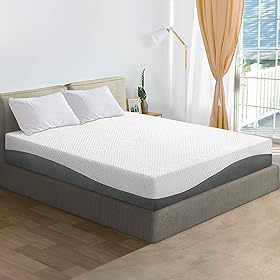
Olee Sleep Aquarius Mattress
- Soft and Healthy
- Cool and firm
Saatva Santorini Bed Frame
Solid kiln-dried pine & oak · Upholstered headboard · White-glove delivery · Lifetime warranty. Saatva is one of the few direct-to-consumer brands to offer extended trial windows (45–365 nights depending on product) and long warranties in this category.
- Price: From $1,295
- Free white-glove shipping on mattresses and frames; standard on bedding
- ID.me discounts for military, veterans, first responders, teachers, seniors
- Direct-to-consumer pricing (no middleman markup)
- GREENGUARD Gold certified across most product lines
Check a recommended brand price
Affiliate disclosure: we may earn a commission from this link at no extra cost to you.
As light as a cloud and helps to maintain body shape
Olee Sleep is a popular brand that produces top-quality products for its loyal customers. They have a long history of offering good customer service. You will love the Aquarius memory foam mattress by Olee Sleep.
The mattress's top layer will equally distribute body weight and take your sleep to the next level (also check 10 amazing mattresses for overweight people). It helps your body to remain its shape and enjoy a healthy lifestyle.
The 1-inch I Gel layer in the mattress disperses heat and allows air to circulate. It removes heat from your mattress, and you will sleep cool and calm throughout the night.
This Aquarius memory foam mattress uses 1 inch 8 ILD soft memory foam that supports your lower back and shoulders (check 10 top rated mattresses for back pain). It contours all your body parts, and you will wake up pain-free and fresh in the morning.
This Hd memory foam prevents the mattress from defection so you can get safe sleep. This mattress is certified with CertiPUR-US, which ensures a non-toxic and chemical-free night's sleep.
The poly Jacquard cover helps to keep your mattress clean and fresh. It protects the mattress from dust particles and harmful bacteria. This mattress is eco-friendly and suitable for people of all skin types people.
The base layer offers great firmness and avoids sinking or dipping in the mattress. You will experience undisturbed and noise-free sleep throughout the night.
In addition, you can purchase a box spring base and steel slat to enhance the stability of the mattress. It will make the mattress more potent than the Novilla mattress.
Martisiluna Hybrid Mattress

- Supportive
- Contouring Foam
The environment-friendly mattress that reduces aches and joints pains
Martisiluna hybrid mattress is the most powerful memory foam mattress that cradles your comfort. It comprises 8 premium layers of comfort that will boost your sleep quality. This mattress is composed of healthy material that does not harm your health.
You can confidently skip your old mattress with this memory foam mattress by Martisiluna. It is safe to use because it is certified with CertiPUR-US, and the company gives 100 free night trials and 30 days return policy.
The 3D knitted fabric makes the mattress more breathable than the Olee Sleep mattress. It absorbs all the moisture and makes you feel cool and clean throughout the night. This hybrid mattress uses a high-density gel-infused layer that greatly supports your body. It keeps you relaxed by relieving pressure.
The wrapped coil spring system provides end-to-end support and stability. It prevents sliding or dipping on either side of the bed during sleeping. Suppose you are sharing it with your partner, then it absorbs all body movements and supports your activities.
The base layer of this queen-size mattress will promote natural sleep. Additionally, you can add a mattress topper or pad to this mattress to get a softer and more welcoming surface for sleeping.
This hybrid mattress will work great with all types of bases, metal frames, and flat surfaces. You will purchase a luxury sheet set, mattress protector, and other bedding products to make your sleep luxurious.
The mattress comes in a box and takes 72 hours for full inflation. Overall the company gives 10 years warranty on the Martisiluna hybrid mattress.
Zinus Memory Foam Mattress

- Ultra Performance
- Refreshing Sleep
The cooler mattress is a great option for all types of sleepers
The Zinus mattress is one of the best memory foam mattresses. It is made in the USA and certified with CertiPUR-US. The company gives a 10-year warranty for their customer's peace of mind.
The top cover of the mattress is made with soft knitted fabric. It contains a complete ventilated system for airflow. This cover maintains temperature and gives a mattress a cooler environment. This mattress features gel-infused memory foam that contours your body. It improves your body to relieve pain and pressure.
The base layer of the mattress consists of green tea that absorbs all smells and keeps you in a great mood. It transfers zero motion and fixes the mattress perfectly on the bed. This Zinus mattress is perfect for an adjustable bed frame. The bed frame will enhance the mattress's longevity and strength.
Apart from that, you will purchase modern bed sheets and sewing packages to give your bedroom a fresh look. These bed sheets will create a softer luxury surface to sleep on.
This queen-size mattress can carry a body weight of up to 250 lbs, but another size can carry up to 500 lbs. This mattress comes in twin, queen, full, and king sizes with three firmness options. You will purchase the mattress according to your bed size.
The Zinus mattress is ideal for people suffering from joint and spine pains. It takes your sleep to a whole new world.
What Type of Mattress Is Best for Bunk Beds?
Low-profile mattresses with a 6 to 7-inch thickness are fantastic for bunk beds. These mattresses ensure that they offer support in thickness to the users without being extra tall with safety rails. Choosing twin XL to full-size mattresses is highly recommended because they are best suited for your bunk beds.
How Thick Should a Top Bunk Mattress Be?
The thickness of the top bunk beds should be around 6 inches. However, the bottom bed can have more consistency. Most bunk beds use twin mattresses over the top and bottom to allow a comfortable sleep. The thickness of these mattresses is enough to offer a supportive sleep to the users.
Is A Bunk Bed Mattress Different from a Regular Mattress?
If you are considering the difference between the bunk bed mattress and a regular mattress, then the only difference is in the quality of the coil springs within the mattress. The bunk beds don't need box springs; the bunk mattresses usually rely on bunkie boards.
Can You Put An 8-Inch Mattress on a Bunk Bed?
Yes, you can use an 8-inch mattress over the bunk beds because it offers enough comfort and support. Most of the mattresses are twin, single, full, or double-size mattresses, between 6 to 8 inches thick.
Can I Use a Memory Foam Mattress on Bunk Beds?
Bunk beds are usually for children who keep coming inside and outside their beds, making them safe. Using a high-quality memory foam mattress or a latex mattress for the bunk beds will give the children a bouncy effect.
This makes it a comfortable and supportive choice. Overall, the all-foam mattresses work well for bunk beds. They are lightweight and don't exceed a bunk bed's weight capacity. In addition, they allow you to sleep quietly and peacefully without disturbing your partner.
Key Takeaways: The Best Mattress Choices for Bunk Beds
Optimal Mattress Dimensions for Bunk Beds
Bunk beds are synonymous with space-efficiency, making them a preferred choice for households with multiple children. The common mattress sizes suitable for bunk beds range from twin, twin XL to full. The essence of choosing the right mattress lies in its ability to harmonize with the bunk bed's dimensions, ensuring a snug fit and safe sleeping enclave for the kids.
Low-Profile Mattresses: The Ideal Match
When it comes to bunk beds, low-profile mattresses emerge as the prime choice. With a thickness range of 6 to 7 inches, these mattresses offer a balanced blend of comfort and safety, without overshadowing the safety rails. Their streamlined profile complements the bunk bed's structure, ensuring a cohesive look and functional appeal.
Top Bunk Mattress Thickness: A Safety Precedent
Safety is important, especially for the top bunk. A mattress thickness of around 6 inches is advocated to ensure that the safety rails effectively serve their purpose. While the bottom bunk can accommodate a thicker mattress, adhering to the recommended thickness for the top bunk is crucial to prevent any accidental falls.
Bunk Bed Mattresses Versus Regular Mattresses
The divergence between bunk bed mattresses and regular mattresses primarily hinges on the quality of coil springs and the necessity of box springs. Unlike regular beds, bunk beds do not require box springs; instead, they employ bunkie boards to provide the requisite support, making the mattress selection slightly distinct.
Exploring the 8-Inch Mattress Territory
Venturing into thicker mattress territory, an 8-inch mattress can also find its place on a bunk bed. Offering a plush sleeping surface without compromising on support, these mattresses align well with the bunk bed's weight capacity, building a comforting sleep haven.
Memory Foam and Latex Mattresses: A Leap Towards Bouncy Comfort
Memory foam and latex mattresses open doors to a bouncy and enjoyable sleep, especially for energetic children. Their lightweight and supportive nature makes them an enticing choice for bunk beds. Besides, their ability to provide a quiet sleep environment ensures a peaceful night's rest, making them a worthy consideration for your bunk bed mattress quest.
Our Recommendation:
Bunk beds are trendy, known as "lofty beds." Seeking out the best mattress for the bunk bed is one of the most daunting tasks, which is why we have listed some low-profile mattresses that go well with your bunk beds.
They are the perfect choice as they offer premium-quality comfort and stunning features at reasonable prices. So, what have you been waiting for? Get your hands on the best mattresses for bunk beds with enough thickness, premium quality, and comfort.
Best Mattresses for Bunk Beds: Height and Safety Guide
Bunk bed mattresses must meet specific height requirements for safety while providing adequate comfort.
Bunk Bed Mattress Requirements
- Maximum height: 6–8 inches (must be below the top of the guardrail by at least 5 inches)
- Size: Twin (38" x 75") or Twin XL (38" x 80")
- Weight: Lighter is better for upper bunk stability
- No pillow top: Adds height that may exceed guardrail safety limits
Best Bunk Bed Mattress Types
| Type | Height | Comfort | Price |
|---|---|---|---|
| 6" foam | 6 inches | Basic | $100–$200 |
| 8" foam/hybrid | 8 inches | Good | $150–$350 |
| Innerspring (thin) | 6–7 inches | Supportive, durable | $100–$250 |
| a Twin (10") | 10 inches | Premium, dual-sided | $799 |
Safety First
ALWAYS measure the distance from the top of the mattress to the top of the guardrail BEFORE buying. The mattress surface must be at least 5 inches below the guardrail top per CPSC safety guidelines.
For bunk beds: sizing guide | 8-inch options | a Twin review.
TOP MATTRESS PICKS BY CATEGORY
Related guides on MattressNut
- How to Separate Bunk Beds - And Why You May Want To
- Best Mattress for Bunk Bed 2026: Height, Safety, and Top Picks
- Best Bunk Bed Mattress 2026: Safety Requirements and Top Picks
- Best mattress for platform beds, 10 good options on the market
- Best Bunk Bed Mattress 2026: Thin Options for Safety and Comfort
- How To Choose The Perfect Luxury Bunk Bed for Adults
Our recommendation: the Amerisleep AS3 — medium 5/10 comfort with the HIVE 5-zone layer, a 100-night trial and a 20-year warranty.
Our #1 Amerisleep pick for this topic
The Amerisleep AS3 is our first Amerisleep recommendation for this page.