
15 Common Sleep Myths Debunked by Science
Why Most Sleep Advice Is Wrong Sleep myths are remarkably persistent. They circulate through wellness culture, parenting advice, and workplace guidance - often repeated by ...

 Romain R
Why Most Sleep Advice Is Wrong Sleep myths are remarkably persistent. They circulate through wellness culture, parenting advice, and workplace guidance - often repeated by ...
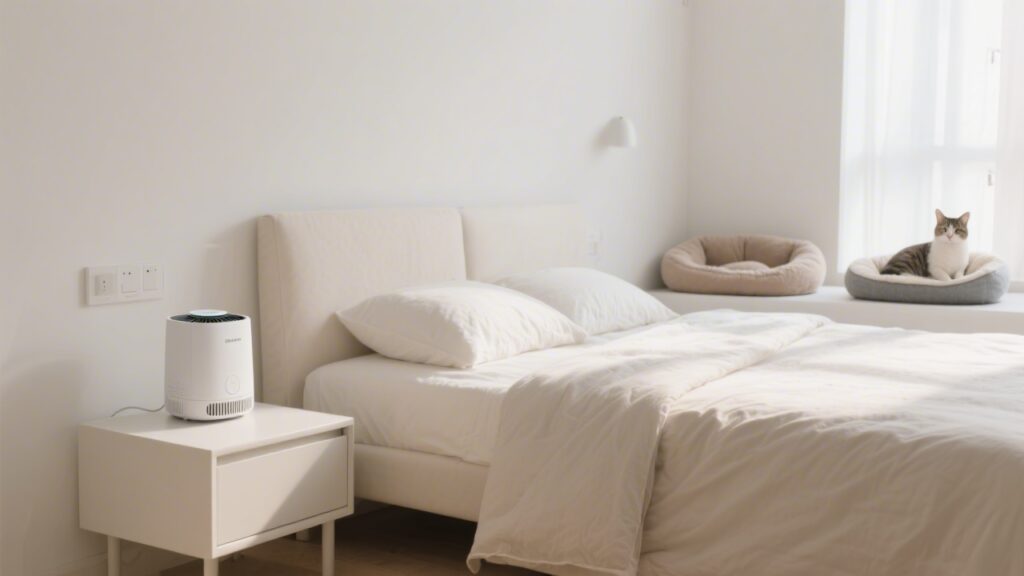
Pet dander causes congestion, sneezing, and eye irritation that disrupts sleep. We cover the allergen cycle, mattress encasement solutions, air purifier strategies, and when co-sleeping is manageable vs harmful.

A quality dog bed ($50-$200) can reduce your dog's sleep disruption dramatically. We cover the case for dedicated dog beds, the best options for large breeds, and how to transition a dog from your bed.

Pet hair embeds in mattress covers and is difficult to remove. We cover 5 effective removal methods — rubber gloves, lint rollers, vacuum attachments, damp cloth, and baking soda — with prevention strategies.

The debate has two legitimate sides. We cover the documented benefits (reduced anxiety, better sleep for some), documented costs (disruption, allergens, hygiene), and the factors that tip the balance either way.

Pet-friendly mattresses need to handle claws, accidents, and dander while still sleeping well. We tested 6 options on durability against pet wear, ease of cleaning, and how they hold up to the reality of pet ownership.
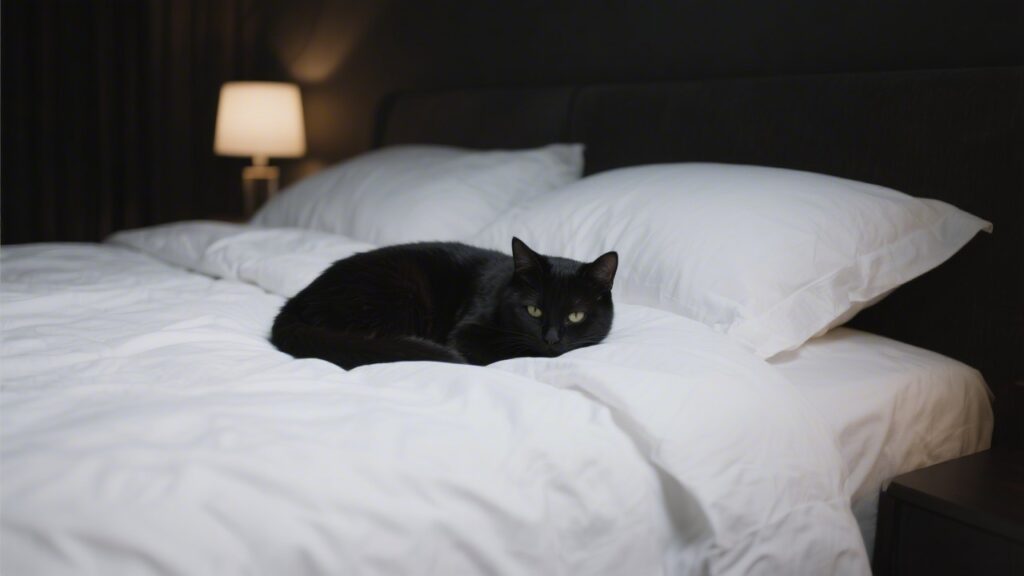
Cats are nocturnal and sleep in bursts — making them worse sleep disruptors than dogs on average. We cover the research, the unique challenges of feline sleep patterns, and strategies that help both of you sleep.

Sleep apnea and obesity are connected in both directions. Excess weight - particularly adipose tissue around the neck and pharynx - worsens airway obstruction. At ...

Sleeping position is one of the most powerful and overlooked variables in snoring management. The supine (back sleeping) position causes the tongue and soft palate ...

Dogs disrupt sleep an average of 5 times per night, but the psychological benefits may outweigh the cost for many owners. We cover when it's beneficial, when it isn't, and how to set boundaries that work.
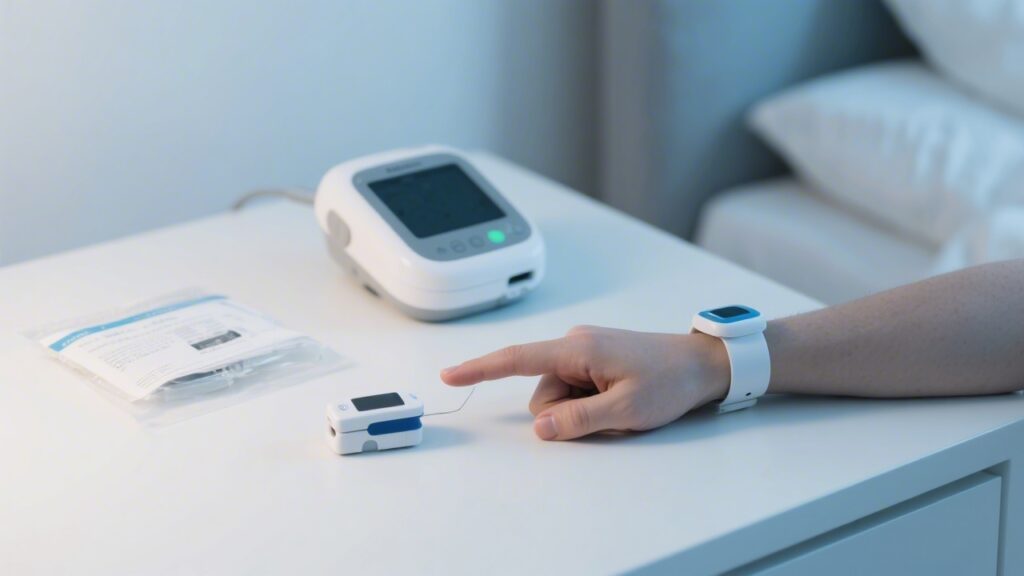
If you or a bed partner suspects sleep apnea based on snoring, witnessed breathing pauses, or excessive daytime sleepiness, the path from suspicion to diagnosis ...

56% of pet owners share their bed with pets. Research shows mixed results: some disruption, but also emotional benefits. We cover the research, allergen considerations, and how to minimize sleep disruption.