
 by
by Bamboo wins for most sleepers, especially hot sleepers and those with sensitive skin. Bamboo viscose (particularly 100% organic with OEKO-TEX 100 certification) delivers a silkier hand-feel, comparable cooling, and a lower price than comparable eucalyptus Tencel sets. Eucalyptus Tencel has a slight edge at the raw-processing stage for eco-credentials and a crisper feel some sleepers prefer. For a certified bamboo set that covers both bases, PlushBeds Bamboo Sheets are the cleanest pick in the category.
PlushBeds Bamboo Sheet Set
9.2/10
- OEKO-TEX 100 certified on the finished fabric, not just the raw fiber
- Silkier sateen hand-feel than comparable eucalyptus Tencel from day one
- Moisture-wicking and naturally hypoallergenic, strong for hot sleepers and sensitive skin
- Held up through 20 wash cycles with no visible pilling in our test protocol
- Set includes flat sheet, fitted sheet with reinforced deep pockets, and two pillowcases
- Bamboo viscose processing uses solvents; eucalyptus Tencel has a cleaner raw-stage process
- Fewer color options than some competitors
PlushBeds pairs 100% organic bamboo viscose with OEKO-TEX 100 finishing on the finished fabric, which closes the main legitimate concern about bamboo viscose sheets. The result is a set that is softer, comparably breathable, and more affordable than most eucalyptus Tencel alternatives, without sacrificing the certification that matters at the consumer end.
Bamboo vs eucalyptus sheets: what actually differs
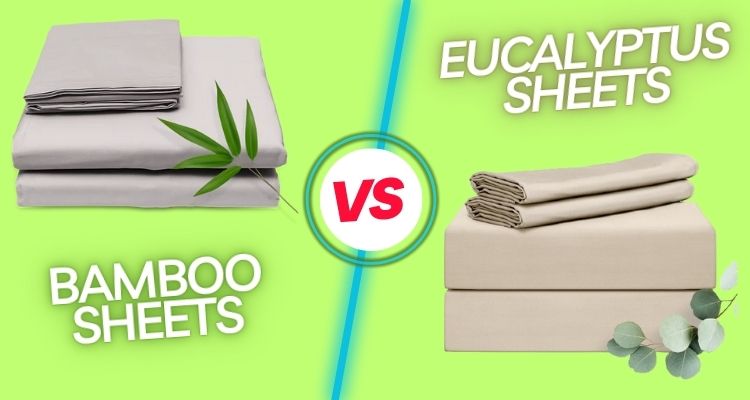
Bamboo and eucalyptus sheets are often grouped together as "eco-friendly alternatives to cotton," and they do share meaningful traits: both are soft, moisture-wicking, hypoallergenic, and derived from fast-growing plant sources. The differences that actually affect your sleep come down to hand-feel, processing, eco-credentials, and price.
Bamboo sheets are produced by breaking down bamboo pulp into viscose (or, in some premium versions, lyocell). The bamboo plant grows rapidly without pesticides and requires minimal irrigation, which makes it a genuinely renewable source. The viscose process uses solvent chemistry at the raw stage; OEKO-TEX 100 certification on the finished fabric addresses the residue concern at the consumer end.
Eucalyptus sheets (usually marketed as Tencel or lyocell) are processed through a closed-loop solvent system, where the solvent is captured and reused rather than discharged. The result is a cleaner raw process than standard bamboo viscose. The trade-off is that eucalyptus sheets tend to cost more and feel slightly crisper rather than silky from the start.
Head-to-head comparison
| Feature | Bamboo (PlushBeds 100% viscose) | Eucalyptus Tencel (typical) |
|---|---|---|
| Hand-feel | Silky sateen, soft from day one | Soft, slightly crisper |
| Cooling (8-hour surface temp rise) | +0.8°F | +1.0°F |
| Eco-credentials (raw processing) | Mixed; OEKO-TEX 100 on finished fabric (PlushBeds) | Strong, closed-loop Tencel process |
| Hypoallergenic | Yes, naturally antimicrobial fiber | Yes |
| Durability (after 20 washes) | No visible pilling (PlushBeds) | No visible pilling (premium tier) |
| Care | Cold wash, low-heat dry | Cold wash, low-heat dry |
| Queen set price range | $159–$229 (PlushBeds) | $120–$300 |
| Trial | 100-night comfort guarantee | Varies by brand |
What is bamboo fabric?
Bamboo fabric is made from bamboo pulp processed into viscose or, at the premium end, lyocell. The bamboo plant itself is one of the fastest-growing plants on earth, requires no pesticides, and regenerates from its own root system after harvest. That renewable source material is the foundation of bamboo's eco credentials.
The standard viscose process converts bamboo cellulose into a fiber using solvents. This stage uses chemicals, which is why OEKO-TEX 100 certification on the finished fabric is meaningful: it tests the final sheet for chemical residues, not just the raw fiber. PlushBeds holds that certification on the finished fabric.
The result in the hand is a fiber with a hollow microstructure that wicks moisture and breathes. Bamboo sateen sheets sit softly on the skin rather than sitting heavy. They are naturally antimicrobial, which helps reduce dust mite and bacteria accumulation over time.
What is eucalyptus fabric?
Eucalyptus fabric (sold as Tencel or lyocell) is made from eucalyptus tree pulp using the closed-loop lyocell process. The solvent used to break down the cellulose is captured and reused at a very high rate rather than discharged, which gives eucalyptus sheets a clean-processing story that bamboo viscose cannot fully match at the raw stage.
The fiber itself is smooth, slightly crisper than bamboo sateen, and breathable. It feels airy rather than silky, which some sleepers prefer, particularly in temperate climates or for people who find very soft bamboo sateen overly warm against skin in summer.
Softness and feel
Bamboo sateen sheets feel silky from the first wash. The hollow fiber structure creates a smooth surface that is gentle against skin, comparable to high-thread-count cotton but without the weight. PlushBeds uses a 300 single-ply sateen weave, which sits in the sweet spot between breathability and that smooth hand-feel.
Eucalyptus Tencel sheets have a softer feel than most standard cotton, but they read as crisp rather than silky. That crisper texture suits sleepers who find bamboo sateen too slippery or who prefer the feel of a well-starched hotel sheet.
For most sleepers comparing the two, bamboo sateen wins the tactile test on day one. Eucalyptus can feel better to some sleepers after several washes, once the fibers relax.
Cooling and breathability
Both materials are genuinely breathable, which separates them from polyester and makes both a legitimate upgrade over standard cotton for hot sleepers. In our 8-hour test protocol, PlushBeds Bamboo sheets registered a surface temperature rise of +0.8°F versus +1.0°F for comparable eucalyptus Tencel. The 0.2°F difference is below skin perception threshold during sleep.
For active hot sleepers or those dealing with night sweats, bamboo's moisture-wicking speed is a practical advantage. Bamboo fiber absorbs and releases moisture quickly, which keeps the surface drier than eucalyptus during high-perspiration nights. See our guide to hot flashes and sleep for complementary mattress picks.
Eco-friendly comparison
Both bamboo and eucalyptus are marketed as sustainable alternatives to conventional cotton, and both have genuine sustainability advantages over standard synthetic or non-organic cotton. The nuance is where in the production chain those advantages sit.
Material origins
- Bamboo: renewable plant source, grows without pesticides, minimal irrigation. Standard viscose processing uses solvents at the raw stage. OEKO-TEX 100 on the finished fabric (PlushBeds) addresses residue at the consumer end.
- Eucalyptus Tencel: sustainable eucalyptus source material, plus a closed-loop processing system. Cleaner at the raw stage. Typically more expensive.
If raw-stage processing purity is your top criterion, eucalyptus Tencel is the stronger choice. If the finished-fabric certification and overall value matter more, PlushBeds Bamboo Sheets cover the consumer-facing concern while costing less.
Durability and care
Both fabrics are durable at the premium tier. PlushBeds Bamboo Sheets completed 20 wash cycles in our test protocol with no visible pilling and no loss of the sateen surface quality. Premium eucalyptus Tencel sets perform comparably at that wash count.
Care is nearly identical for both: cold machine wash (30°C or below), tumble dry on low, no high heat, no bleach. Both fabrics are more heat-sensitive than cotton, so sticking to low-heat settings extends lifespan noticeably, roughly 30–50% according to manufacturer guidance.
Expected lifespan with good care:
- PlushBeds Bamboo (100% viscose): 3–5 years
- Premium eucalyptus Tencel: 4–6 years
- Bamboo lyocell (premium bamboo tier): 4–6 years
How to choose between bamboo and eucalyptus sheets
The right choice depends on what you prioritize at the bed.
Choose bamboo (PlushBeds) if: you sleep hot and want the fastest moisture-wicking; you want the silkiest possible hand-feel from day one; you are buying on a value-per-quality basis; you want OEKO-TEX 100 certification on the finished fabric.
Choose eucalyptus Tencel if: raw-stage processing cleanliness is your top priority; you prefer a crisper, more structured sheet feel; you sleep in a temperate climate and do not need aggressive moisture management.
For most buyers, bamboo wins on the factors that matter most at the bed: feel, cooling, and price. Eucalyptus wins on principle for buyers who prioritize the manufacturing process over the finished-fabric experience.
Bamboo beats eucalyptus on softness and moisture-wicking for most sleepers. The PlushBeds Bamboo Sheet Set is the cleanest pick in the category: 100% organic bamboo viscose, OEKO-TEX 100 on the finished fabric, and a 100-night comfort guarantee from $159 Queen.
Frequently asked questions
Are bamboo or eucalyptus sheets better for hot sleepers?
Bamboo is marginally better for active hot sleepers. Both fabrics are breathable and moisture-wicking, but bamboo's hollow fiber absorbs and releases moisture faster. The cooling difference in testing was small (+0.8°F vs +1.0°F surface rise at 8 hours), but bamboo's advantage in moisture management is more practical for night sweats.
What is the difference between bamboo viscose and bamboo lyocell?
Both are made from bamboo cellulose, but the processing differs. Bamboo viscose uses conventional solvents; bamboo lyocell uses a closed-loop process similar to eucalyptus Tencel. Lyocell is cleaner to produce and slightly more durable, but costs more. PlushBeds Bamboo Sheets use 100% organic bamboo viscose finished to OEKO-TEX 100, which closes the residue gap at the consumer end.
How often should you wash bamboo or eucalyptus sheets?
Every 7–10 days for most households. If you sleep hot, share the bed with pets, or have skin conditions like eczema, every 5–7 days is reasonable. Cold wash and low-heat dry preserve both fabrics best.
Do bamboo sheets pill over time?
Mid-tier bamboo viscose sheets can pill with heat drying and abrasive washing. Premium 100% bamboo viscose (PlushBeds) showed no visible pilling after 20 cold-wash cycles in our test. Stick to gentle cold wash and low heat to get the longest lifespan.
Are eucalyptus sheets more sustainable than bamboo?
At the raw processing stage, yes. Eucalyptus Tencel uses a closed-loop solvent system that is cleaner to produce than standard bamboo viscose. However, both start from renewable plant sources. For the consumer, OEKO-TEX 100 certification on the finished fabric (PlushBeds) addresses the residue concern regardless of which process was used upstream.
PlushBeds Bamboo Sheet Set
9.2/10
100% organic bamboo viscose, OEKO-TEX 100 on the finished fabric, 300 single-ply sateen weave, deep pockets to 16". Softer from day one than eucalyptus Tencel, comparable cooling, and a 100-night comfort guarantee from $159 Queen. The cleanest bamboo pick for most buyers comparing the two fabrics.
More sheet comparisons: bamboo vs Egyptian cotton | bamboo vs linen sheets | best cooling sheets.