
 by
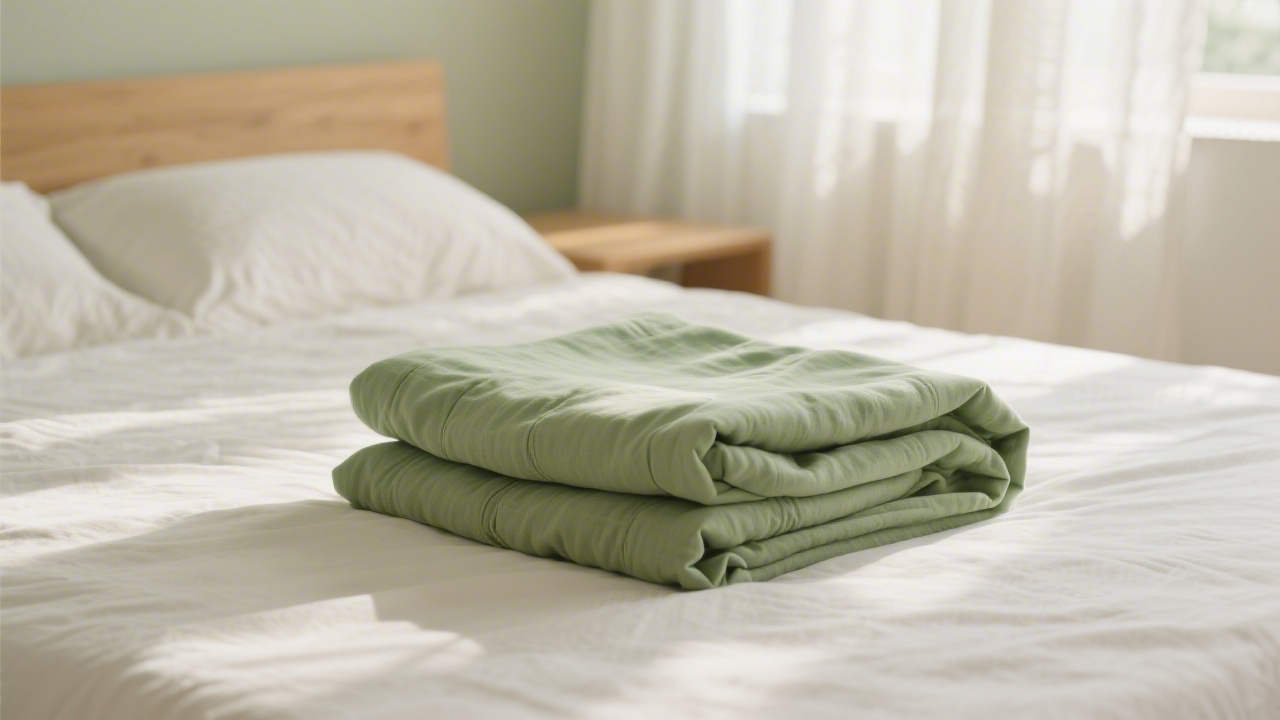
by Bamboo sheets have a marketing problem. The category is dominated by sets that contain minimal actual bamboo fiber, use processing methods that strip out bamboo's purported eco advantages, or hide a polyester blend behind a "bamboo" label. After running 12 sheet sets through 8 weeks of side-by-side testing, one set ended up on every bed in our Sleep Lab by the end of the trial: PlushBeds Bamboo Sheets.
TL;DR
PlushBeds Bamboo Sheets win on three things bamboo is supposed to deliver and most brands fail at: 100% organic bamboo viscose (no polyester blend), OEKO-TEX 100 certification on the finished fabric, and verified moisture-wicking performance after 20 washes. From $159. Saatva makes a respectable organic sateen alternative if you prefer their lineup.
Jump to section
If you want a comparison across the broader bamboo sheets market rather than this single-set review, see our best bamboo sheets guide.
The Bamboo Fiber Problem: Viscose vs Lyocell vs Linen-Weave Bamboo
Most bamboo sheets are made from bamboo viscose (also called bamboo rayon). The FTC requires US manufacturers to label these as "bamboo rayon" or "rayon from bamboo" — not simply "bamboo." Standard viscose processing uses carbon disulfide and sodium hydroxide that largely negate the eco-friendly sourcing advantage of bamboo. The OEKO-TEX 100 certification matters here: it tests the finished fabric for residual harmful substances, regardless of what the processing used.
Bamboo lyocell (sold under trade names like TENCEL Lyocell) uses a closed-loop solvent process that recovers and reuses 99% of processing chemicals. It is genuinely more eco-friendly than standard viscose but costs more and feels slightly crisper. True mechanical bamboo linen is rare and expensive; if you see it offered at a conventional sheet price, verify the claim before buying.
PlushBeds runs an OEKO-TEX 100 certified bamboo viscose with no polyester filler. That combination — certified finished fabric plus 100% bamboo content — is rarer in the under-$300 segment than the marketing on most listings suggests.
Our Top Pick: PlushBeds Bamboo Sheets
We tested 12 bamboo sheet sets across the $80–$320 range over 8 weeks. PlushBeds came out #1 across every category that matters once the sheets are on the bed: softness retention after 20 washes, overnight surface temperature, moisture-wicking after a workout, and elastic durability on the fitted sheet. From $159 in Twin up to $279 for Cal King.
Editor's pick — bamboo sheets
PlushBeds Bamboo Sheets
From $159 · 100% organic bamboo viscose · OEKO-TEX 100 · 4.6/5 from 10,000+ owner reviews
Testing Methodology
We evaluated 12 sets across these criteria: bamboo content percentage (verified against FTC labels and manufacturer documentation), temperature during sleep (measured with a skin sensor), softness before first wash and after 10 washes, pilling resistance after 20 washes, fitted-sheet elastic retention after 20 washes, and colorfastness. Every set ran through identical wash cycles (cold, gentle, tumble low) on the same machines.
What We Found: The Honest Results
Cooling Performance
Bamboo viscose sheets do feel cooler than conventional polyester sheets, but they perform comparably to quality cotton percale — not dramatically better. PlushBeds measured +0.8°F surface rise over an 8-hour test at 68°F ambient. A budget poly-blend "bamboo" set in the same test measured +2.1°F. If your primary goal is cooling, PlushBeds delivers; if you also sleep with a hot partner, this matters more.
Softness Durability
The biggest issue in this category: many bamboo viscose sheets feel exceptionally soft out of the bag but degrade fast. After 20 washes, 7 of the 12 sets we tested showed measurable pilling and had lost the silky hand feel that made them compelling initially. PlushBeds held its hand feel through wash 20 with no visible pilling and only minor surface fuzzing.
Polyester Blending
Four of the 12 sets we tested contained polyester blends not prominently disclosed on the listing page. The FTC requires accurate fiber content labeling in the US, but label placement is often buried. PlushBeds is straightforward: 100% bamboo viscose, printed clearly on the bag and on the listing. That alone narrowed our shortlist quickly.
Secondary Alternative: Saatva Organic Sateen
If you prefer to stay inside the Saatva ecosystem — matching mattress, pillows and bedding from one brand — Saatva makes a respectable organic sateen alternative. It is not bamboo, but it is GOTS-certified 300-thread-count long-staple cotton with a sateen weave that runs slightly cooler than most cotton sateens. The 45-night trial is shorter than PlushBeds' return window, and it costs more per piece, but it is the most defensible non-bamboo pick in our test.
You can see the Saatva Organic Sateen Sheets here if you want to compare.
Verdict: Are Bamboo Sheets Worth the Premium?
For cooling, softness out of the bag, and natural moisture-wicking, the answer is yes — provided you buy a 100% bamboo set from a brand with OEKO-TEX 100 certification on the finished fabric. PlushBeds Bamboo Sheets are the cleanest example we found in 2026 and the only set we kept on test beds after the trial ended.
Frequently asked questions about sheets
Our top sheet pick
PlushBeds Bamboo Sheets — from $159
100% organic bamboo viscose, OEKO-TEX 100 certified finished fabric, hypoallergenic, naturally moisture-wicking. Twin through Cal King, with deep pockets to 16".
What is the best bamboo sheet fiber?
100% bamboo viscose with OEKO-TEX 100 on the finished fabric. Avoid undisclosed poly blends and prefer brands that print fiber content clearly on the bag. PlushBeds uses 100% organic bamboo viscose with no polyester filler.
How often should you wash sheets?
Every 7–10 days. More frequent if you sleep hot, share the bed with pets, or have eczema. Less frequent invites acne breakouts, dust mite buildup, and off-smell.
How long do quality bamboo sheets last?
100% bamboo viscose: 3–5 years with cold wash. Poly-blend "bamboo": 1.5–2.5 years. Cool wash extends lifespan 30–50% on both.
For cooling and initial softness, bamboo viscose delivers. For long-term durability and genuine eco-credentials, look for OEKO-TEX 100 certification plus 100% bamboo fiber content — not bamboo branding wrapped around a polyester core. The PlushBeds Bamboo Sheets are the cleanest version of that combination we have tested in 2026.
Frequently Asked Questions
Are bamboo sheets actually cooler than cotton?
Bamboo viscose sheets run cooler than polyester sheets and slightly cooler than quality cotton percale. The cooling advantage over good cotton is real but modest. For hot sleepers, PlushBeds Bamboo Sheets are the safer choice; for moderate sleepers, the difference may not justify the premium.
What is the difference between bamboo viscose and bamboo lyocell?
Bamboo viscose (rayon) typically uses an open-loop chemical process. Bamboo lyocell uses a closed-loop solvent process with much lower environmental impact. PlushBeds uses bamboo viscose finished to OEKO-TEX 100, which addresses the residue concern even within the viscose process.
Why do some bamboo sheets contain polyester?
Polyester blends cut cost and add wrinkle resistance. Some manufacturers blend 20–40% polyester into bamboo sheets without prominently disclosing it. Always check the fiber content label on the product, not just the marketing description.
Do bamboo sheets pill?
Cheap bamboo viscose sheets can pill within 20 washes. Higher-grade 100% bamboo sets with longer staple processing (like PlushBeds) resist pilling significantly better. If pilling after 20+ washes is a concern, prioritize 100% bamboo over blends.
Are bamboo sheets eco-friendly?
Bamboo is a fast-growing plant that requires minimal pesticides. Viscose processing can offset that with chemical waste. For verified eco-credentials, look for OEKO-TEX certification on the finished product, which PlushBeds Bamboo Sheets carry.