
 by
by Quick answer: The best kind of sheets depends on how you sleep. I’d start with breathable cotton, then choose percale for crisp coolness or sateen for a smoother feel.
- Percale has a crisp, matte hand and tends to suit warm sleepers.
- Sateen feels smoother and drapes more closely around the body.
- Fit matters as much as fabric, especially on thick or adjustable mattresses.
Updated July 2026 · Reviewed for accuracy
OUR VERDICT
For best kind of sheets, the Saatva Organic Cotton Sheets is the pick we’d order first — every product below has real strengths, and the full comparison shows exactly why this one comes out on top.
OUR #1 PICK OF 3 COMPARED
Saatva Organic Cotton Sheets
- The sheet sets I’d narrow this choice to Saatva Organic Cotton Sheets, best overall for a smooth organic-cotton option.
- Our #1 pick of the 3 products compared on this page
- Order direct from the brand — current price, trial and warranty terms are on the official product page
Our top 3 picks compared
The best kind of sheets is usually cotton, but the weave decides whether you love them. I’d choose percale if you want a cool, crisp bed and sateen if you want a softer, smoother finish. Linen, Tencel, and bamboo can also make sense, but each asks for a different compromise on feel, care, and long-term wear.
I don’t buy the idea that thread count alone tells you much. Fiber quality, weave, finishing, and fit are what you’ll notice after laundry day and after a restless night.
Start with the feel you actually want in bed
Percale is the cleanest choice for sleepers who dislike heat and cling. This plain weave has a crisp feel, a matte appearance, and a lighter hand than sateen. It doesn’t try to feel silky. That is precisely why many hot sleepers prefer it.
Cotton sateen goes the other direction. Its weave creates a smoother surface and more drape, so it can feel softer against skin from the start. I’d pick it for someone who wants their bed to feel polished and gently enveloping, not papery or airy.
Linen is the most relaxed option. It breathes exceptionally well in warm conditions and usually softens with repeated washing, though it wrinkles more readily than cotton. That casual texture is either part of the appeal or an instant deal-breaker. Know which camp you’re in before spending premium-sheet money.
The Nut’s take: Don’t chase a fabric label without thinking about the finish. A crisp cotton percale and a smooth cotton sateen can feel more different than two sets with very different thread counts.
Tencel, also called lyocell, has a soft, sleek hand and is known for breathability and moisture control. It makes sense for sleepers who want something smoother than percale without the heavier drape that some sateens create. Bamboo viscose and bamboo blends can feel similarly soft and can wick moisture well, although breathability can vary with the processing and blend.
Microfiber and polyester blends deserve an honest mention because they are easy on the wallet and often feel very soft out of the package. The trade-off is that they are generally less breathable and may not wear as well over the long haul as better natural fibers. I’d see them as a practical temporary choice, not my first recommendation for a bed you want to keep comfortable for years.
Percale versus sateen is the decision most people miss
Percale’s structure is simple and open-feeling. It gives the sheet a cooler, crisper character, which is useful if you wake up warm or hate fabric wrapping around your legs. It also tends to look matte rather than shiny. A good percale set feels tidy and breathable, not stiff.
Sateen uses a weave that puts more yarn on the surface. That is why it feels smoother and looks more lustrous. It can also feel warmer than percale, even when both sets are cotton. If you sleep cold, like a softer hand, or want a sheet that drapes rather than rustles, sateen is usually the better bet.
| Sheet type | Best for | Feel to expect | Watch-out |
|---|---|---|---|
| Cotton percale | Warm sleepers and people who like a crisp bed | Cool, matte, airy | Less silky than sateen |
| Cotton sateen | People who want smooth softness and drape | Soft, lustrous, closer-fitting | Can feel warmer |
| Linen | Hot climates and relaxed texture lovers | Breathable, textured, softening over time | Wrinkles readily |
| Tencel or lyocell | Sleepers seeking softness with moisture control | Sleek, soft, breathable | Care instructions matter |
| Bamboo-based fabric | Those who prioritize a very soft hand | Soft and often moisture-wicking | Performance varies by processing |
Thread count belongs in the background, not the driver’s seat. Higher numbers do not automatically mean better sheets. Fiber length, yarn quality, and the weave matter more to the way a set breathes, resists wear, and feels against your skin. If you want a closer look at that shopping trap, read our guide to what thread count is best for sheets.
My simple rule is this: choose percale for fresh and cool, sateen for smooth and cozy. Only move beyond those choices if linen’s texture, Tencel’s slick softness, or bamboo’s soft feel solves a specific preference you already know you have.
The sheet sets I’d narrow this choice to
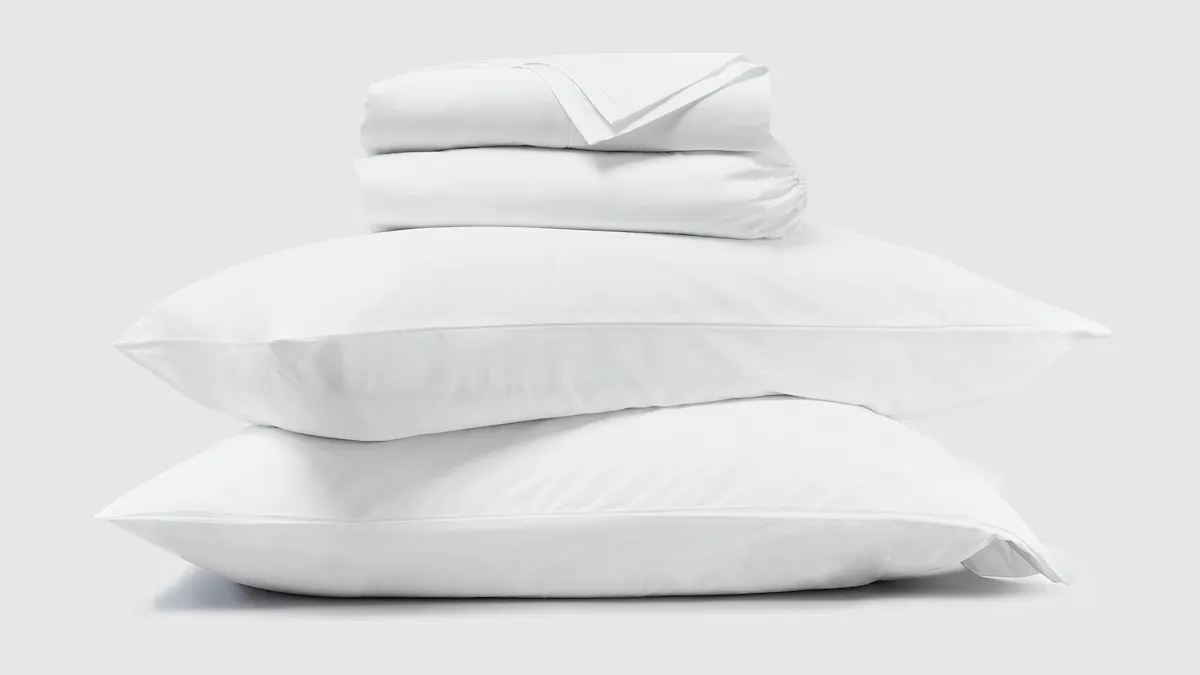
Saatva Organic Cotton Sheets, best overall for a smooth organic-cotton option. Per Saatva, this set is made with organic cotton. That makes it the clearest starting point here for shoppers who want the familiar feel and care profile of cotton while putting material sourcing high on the list. I’d lean toward it if you want a smooth cotton set rather than a specialty fabric with a very distinct texture.
Organic cotton does not tell you everything about softness or temperature on its own, but it does give this set a clear lane. Cotton remains the easiest material to shop because its basic character is familiar: breathable, washable, and available in both crisp and smooth weaves. Confirm the current construction details, fit range, and care directions on Saatva’s official site before choosing a size.
Bamboo Sheets, best for shoppers who want bamboo’s soft hand. This option is the bamboo-sheet choice in this lineup. Bamboo-based sheets are often appealing because they feel very soft and may manage moisture well. I’d consider this route if percale sounds too crisp and conventional cotton sateen still does not feel sleek enough for your taste.
Material reality check: “Bamboo” can describe different processing methods and blends. Check the fabric-content label and care label, because those details affect breathability, stretch, shrinkage, and the feel after washing.
Bamboo sheets can be a smart comfort choice, but they should not get a free pass simply because the label sounds natural. Look at the full fiber disclosure, not only the front-of-package language. If you are sensitive to chemical finishes, certifications such as OEKO-TEX or GOTS can be useful filters where applicable.
Amerisleep Bamboo Sheets Set, best for a bamboo-sheet set from Amerisleep. Per Amerisleep, this is a bamboo sheets set. I’d put it on the shortlist for the same reason I’d consider the other bamboo option: the category is built around softness and a moisture-conscious feel rather than the crisp character of classic percale.
The right pick between these options comes down to the construction details listed by each manufacturer, your preferred finish, and the fit needed for your mattress. Don’t assume a soft fabric automatically stays put. A sheet that rides up at the corners becomes annoying fast, no matter how good it felt on the first night.
Fit can ruin excellent fabric in one night
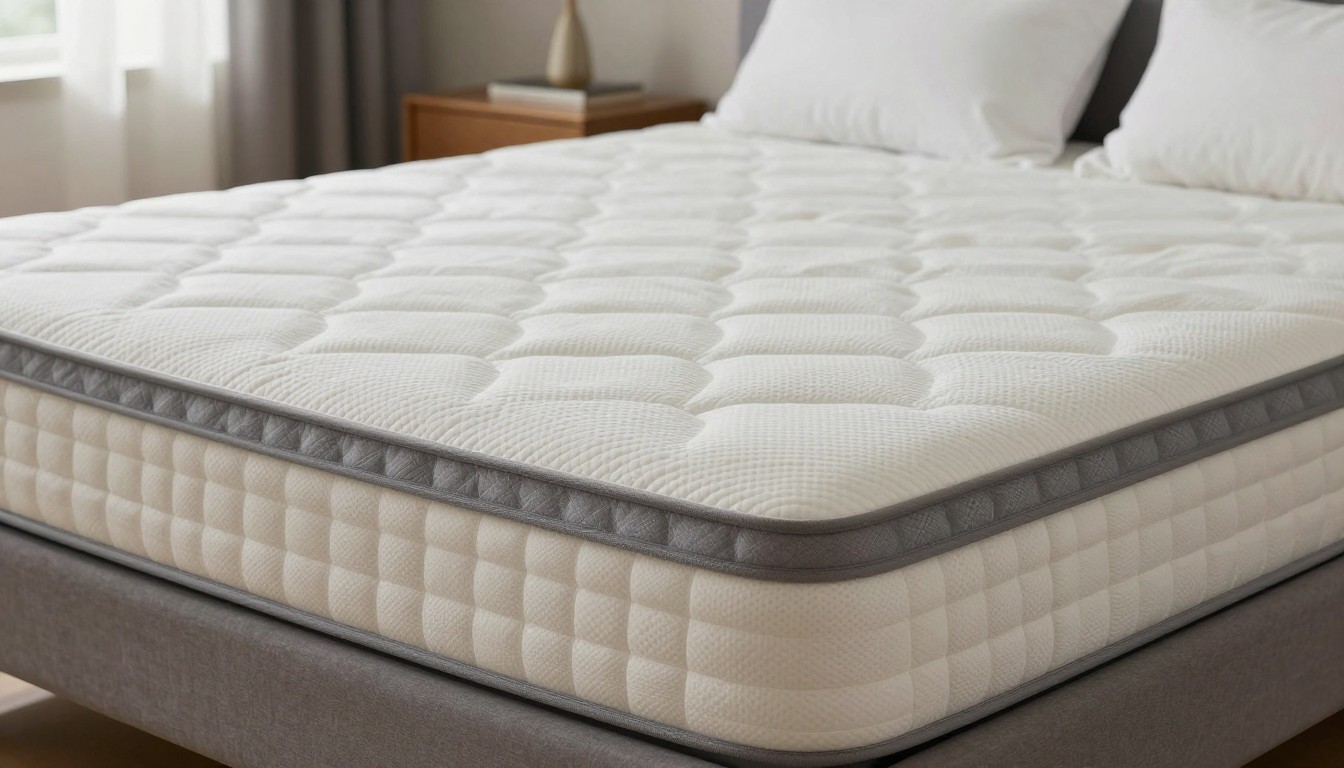
Deep pockets are not a luxury detail if your mattress is thick or you use a pillow-top topper. Measure the full height of your sleep setup before ordering, then compare it with the manufacturer’s stated pocket depth. A fitted sheet that barely reaches the underside of the mattress will pop off under movement.
Full-edge elastic usually gives a more secure hold than elastic limited to portions of the fitted sheet. That matters most for active sleepers and for adjustable beds, where the mattress bends and shifts through the night. Corner straps or reinforced elasticized corners can add another layer of stability.
Adjustable-bed owners should shop fit before color. The fitted sheet needs enough depth and enough grip to move with the mattress without creating a tight pull at the corners. Our guide to the best sheets for Tempur-Pedic adjustable beds explains the features I’d prioritize for that use case.
Before you order: Measure mattress height with any topper in place. Then check whether the manufacturer describes full-perimeter elastic, deep pockets, or corner-retention features.
Flat sheets are more about preference. Some sleepers love the extra layer because it gives them a clean, tucked-in feel. Others kick it into a pile by morning. Don’t let a bundled flat sheet decide the purchase if the fitted-sheet construction is weak. The fitted sheet does the hard work.
Durability comes from fiber and care, not hype
Long-staple cotton is worth seeking out because longer fibers can support smoother, stronger yarns. That does not make every long-staple sheet perfect, but it is a better durability clue than a gigantic thread-count claim. Quality bamboo fibers can also hold up well, provided the fabric is cared for as directed.
Washing has a real impact on shrinkage, fit, and finish. Pre-washing can affect how a set settles onto the mattress, while excessive heat can be hard on fibers and elastic. Follow the manufacturer’s care instructions, especially with linen, bamboo-based fabric, and sheets carrying wrinkle-resistant treatments.
Wrinkle resistance is a convenience feature, not a sign of a better sleep surface. If you want low-fuss sheets, compare the fabric content and finishing details before deciding. For that specific shopping problem, see our roundup of the best wrinkle-free sheets.
I would rather own a well-made sheet set that gets softer and settles in with use than a flashy set built around a number on the package. The best long-term sheet is the one whose weave matches your climate and whose fitted sheet still grips the mattress after repeated laundering.
How I’d choose the best kind of sheets for your bed
For hot sleepers, start with percale, linen, or Tencel. These materials and weaves are the strongest match for someone who wants more airflow and less fabric warmth. Keep the weave light, avoid assuming a high thread count means cooler sleep, and check that the fitted sheet will accommodate the mattress properly.
For sleepers who want a silky feel, start with sateen cotton, bamboo, or Tencel. Sateen brings a familiar cotton profile with more drape. Bamboo and Tencel can feel especially smooth, but their exact feel and care needs depend on the fabric construction named by the manufacturer.
For value shoppers, I’d prioritize better fiber and a well-described weave over the highest number on the label. Budget microfiber may work for a guest room or a short-term need, but cotton is usually the safer long-view choice if breathability and durability matter to you.
For sensitive skin or households concerned about finishes, look for recognized textile certifications where offered and read the product label closely. Certifications can help you screen for particular standards, but they do not replace choosing a texture you can tolerate night after night.
My bottom line: Buy percale if you want cool and crisp. Buy sateen, bamboo, or Tencel if you want smoother softness. Buy linen only if you welcome its texture and wrinkles. Then make sure the fitted sheet can actually hold your mattress.
FAQ
What is the best kind of sheets for hot sleepers?
Cotton percale, linen, and Tencel are the strongest places to start because they are known for breathability. Percale is my default recommendation if you want a crisp, cool feel without linen’s texture.
Are bamboo sheets better than cotton sheets?
Not automatically. Bamboo-based sheets can feel exceptionally soft and may wick moisture well, while cotton offers a familiar, breathable feel and broad weave options. Choose based on the finish you prefer and the fabric details listed by the manufacturer.
Is a higher thread count always better?
No. Fiber quality and weave are more useful signals of comfort and longevity than thread count alone. A well-made percale or sateen set can feel excellent without relying on an inflated number.
Should I buy percale or sateen sheets?
Choose percale if you want a crisp, matte, cooler-feeling bed. Choose sateen if you want a smoother surface, more drape, and a slightly warmer feel.
How do I keep fitted sheets from coming off?
Match the pocket depth to your complete mattress height, including any topper. Full-edge elastic and corner-retention features can also help, particularly on adjustable beds or for sleepers who move around a lot.
FINAL VERDICT
Of the 3 products compared for best kind of sheets, the Saatva Organic Cotton Sheets ranks first. The cards above show where each alternative fits; confirm current dimensions and terms on its product page.
Saatva Organic Cotton Sheets