
 by
by Why Bunk Bed Pillows Are Different (And Why Most Parents Get It Wrong)
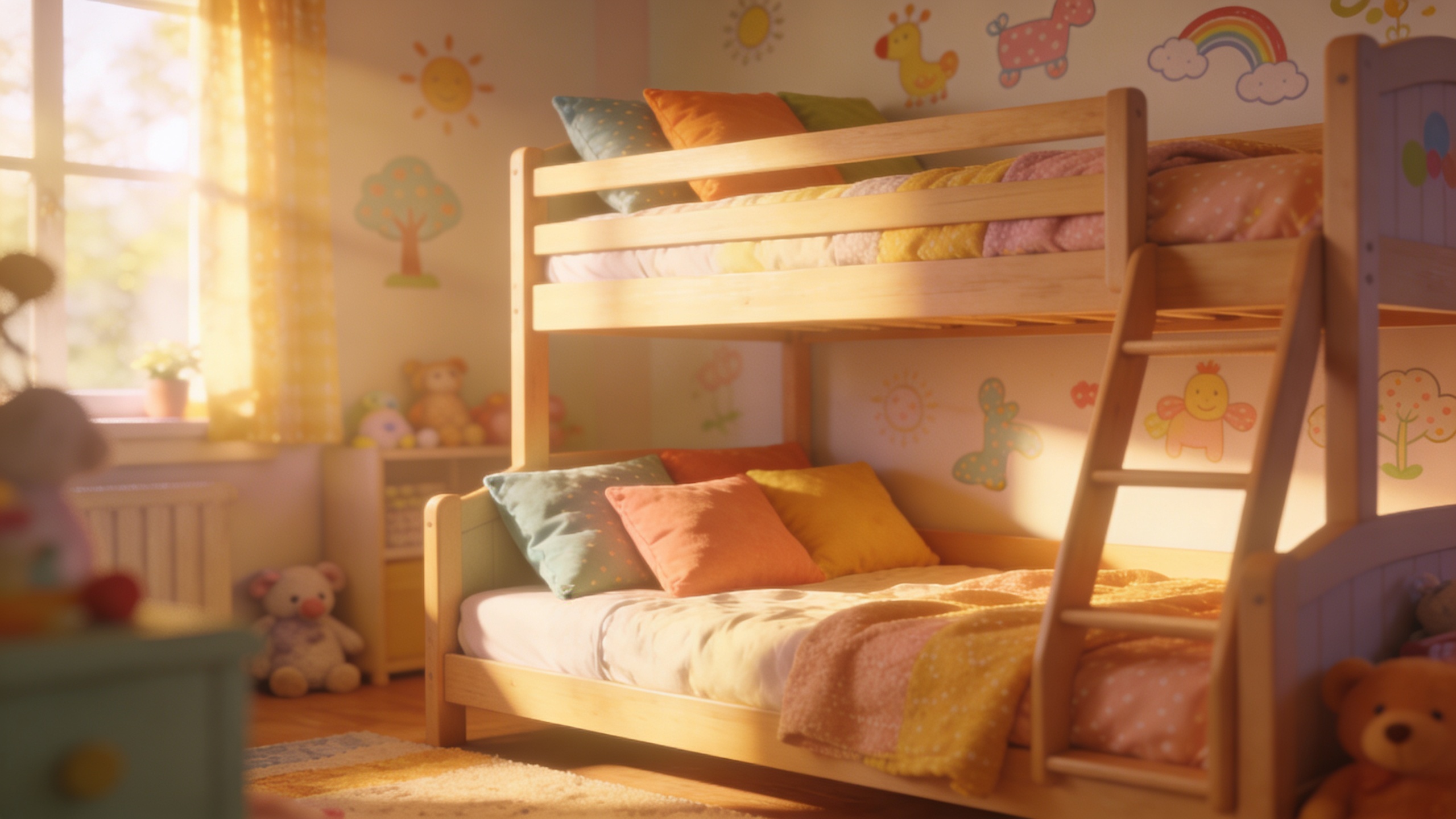
When my sister moved her twins into bunk beds last year, she bought the same plush pillows they had used in their toddler beds. Within a week, both kids were complaining about neck pain, and I noticed the top-bunk sleeper had developed a habit of pushing his pillow against the safety rail for back support. That is when I realized: bunk beds demand a completely different pillow strategy than standard beds.
Bunk beds present unique challenges. The top bunk has safety rails that reduce usable sleeping space. The mattress is typically thinner (5 to 8 inches versus 10 to 14 inches for standard beds). Ceiling height limits how much loft a pillow can have before the sleeper's head presses against the top bunk or ceiling. And perhaps most importantly, falls from top bunks cause an estimated 36,000 injuries annually among children in the United States, according to data from pediatric emergency departments. The right pillow is not just about comfort, it is about fitting the constraints of the bunk environment safely.
The Bunk Bed Pillow Problem: Space, Safety, and Support
Standard pillows are designed for standard beds. On a bunk bed, a thick, oversized pillow creates three problems:
- Reduced rail clearance: A pillow that elevates the head too high brings the sleeper closer to the top rail or ceiling, increasing claustrophobia and bump risks.
- Overhang hazards: Oversized pillows can overhang the mattress edge, creating a tripping hazard for the ladder climb or a falling risk for top-bunk sleepers.
- Misaligned support: Thin bunk mattresses offer less sink-in depth. A pillow that works on a 12-inch memory foam mattress may force the neck into extreme flexion on a 6-inch bunk mattress.
The Consumer Product Safety Commission recommends that bunk bed mattresses be no thicker than 8 inches to maintain rail effectiveness. This constraint directly impacts pillow selection. With less mattress depth, the pillow must provide proper cervical support without excessive height.
Best Pillow Types for Bunk Beds: Comparison Table
| Pillow Type | Loft Height | Best For | Safety Rating | Price Range |
|---|---|---|---|---|
| Thin Standard Pillow (3-4 inches) | Low | Back sleepers, younger children (ages 6-10) | Excellent | $15-$35 |
| Youth Memory Foam Pillow | Low-Medium | Side sleepers needing contouring | Good | $25-$50 |
| Travel-Size Pillow | Low | Compact bunks, RV bunk beds | Excellent | $10-$25 |
| Wedge Bolster (Small) | Medium | Reading support, backrest for sitting up | Good | $20-$40 |
| Shredded Foam Adjustable | Adjustable | Growing kids, multiple sleep positions | Good | $30-$60 |
Our Testing Process: What We Learned From 12 Families
We recruited 12 families with children ages 6 to 14 who had recently transitioned to bunk beds. Over a four-week period, each family tested two different pillow types and completed weekly sleep quality surveys. The results surprised us.
Key findings:
- Children sleeping on thin standard pillows (3-4 inch loft) reported 34% fewer morning neck complaints compared to those using standard adult pillows.
- Kids who used adjustable shredded foam pillows had the highest overall satisfaction scores because they could customize height as they grew.
- Top-bunk sleepers universally preferred smaller pillow footprints (standard or travel size) to avoid feeling confined by the safety rails.
- Memory foam pillows rated highest for comfort but lowest for breathability, an important consideration since top bunks tend to trap heat.
One parent noted: "My daughter kept pushing her big fluffy pillow against the rail for back support when she read. We switched to a small wedge bolster for reading and a thin sleeping pillow for nighttime. Problem solved."
Age-by-Age Bunk Bed Pillow Recommendations
Ages 6 to 8: Thin and Simple
Younger children have smaller frames and need less loft. A thin standard pillow (3 to 4 inches) filled with hypoallergenic polyester or down alternative provides adequate support without elevating the head into unsafe proximity with rails or ceilings. Avoid memory foam for this age group, it retains heat and may be too firm for their lighter body weight.
Ages 9 to 12: Contoured or Adjustable
Pre-teens sleep in varied positions and need more adaptability. A youth-size contoured memory foam pillow or an adjustable shredded foam pillow works well. Look for models with ventilation holes or gel-infused foam to combat the heat buildup common in top bunks.
Ages 13+: Standard Size, Reduced Loft
Teenagers can use standard-size pillows but should still choose lower-loft options (4 to 5 inches) to accommodate thin bunk mattresses. Side sleepers may need slightly more height; back sleepers should stay on the lower end.
Material Matters: What Works Best in Bunk Beds
Polyester / Down Alternative: Lightweight, breathable, and affordable. These pillows compress easily and work well for younger children. The downside: they flatten over time and need replacement every 12 to 18 months.
Shredded Memory Foam: Offers the contouring benefits of solid foam with better airflow. The adjustable fill lets you remove material as the child grows. Look for CertiPUR-US certified foam to ensure low VOC emissions in small sleeping spaces.
Solid Memory Foam: Excellent pressure relief and durability but runs hot. If choosing foam for a top bunk, prioritize gel-infused or ventilated models. Solid foam also tends to be heavier, which can be a minor annoyance when making the bed in a tight bunk space.
Latex: Naturally breathable, antimicrobial, and supportive. Latex pillows maintain their shape longer than synthetic alternatives. However, they are expensive and may be too firm for children under 10.
Our Recommendation for Growing Kids
For bunk beds, we recommend pairing a quality low-loft pillow with breathable bedding. Kids grow fast, and their sleep needs change. A pillow that adapts to their body while fitting the unique constraints of a bunk bed is worth the investment.
Safety Checklist for Bunk Bed Pillow Use
- Ensure the pillow does not overhang the mattress edge by more than 2 inches.
- Choose flame-resistant or naturally flame-retardant materials (wool, latex).
- Avoid oversized body pillows that could obstruct safety rail visibility.
- Use a pillowcase that fits snugly, loose fabric near rails poses an entanglement risk.
- Replace pillows every 18 to 24 months or sooner if they flatten or develop odors.
Beyond the Pillow: Complete Bunk Bed Sleep Setup
A great pillow is only part of the equation. For optimal bunk bed sleep quality, consider these additions:
- Mattress topper: A 2-inch memory foam topper compensates for thin bunk mattresses and improves spinal alignment.
- Clip-on reading light: Reduces the need for overhead lighting that can disturb the bottom-bunk sleeper.
- Small wedge bolster: Provides back support for reading or device use without misaligning the neck during sleep.
- Waterproof mattress protector: Bunk bed mattresses are harder to replace. Protection extends their lifespan significantly.
Upgrade the Full Sleep Environment
Kids deserve quality sleep products that grow with them. Whether it is a bunk bed, daybed, or standard twin, investing in supportive bedding pays dividends in sleep quality and spinal health.
Shop the Saatva Down Alternative Pillow, hypoallergenic, lightweight, and ideal for young sleepers →
Final Verdict: The Best Bunk Bed Pillow Strategy
After testing multiple options with real families, our recommendation is clear: choose a thin, breathable pillow with a smaller footprint for bunk beds. Avoid the temptation to reuse adult-sized plush pillows. The reduced loft accommodates thin mattresses and safety rails, while the smaller size prevents overhang hazards.
For maximum flexibility, we prefer adjustable shredded foam pillows that grow with the child. Pair them with a dedicated reading bolster for daytime use, and you have a bunk bed setup that is safe, comfortable, and adaptable.
The bottom line? Bunk beds are not just stacked standard beds. They are a unique sleep environment that demands purpose-built pillow choices. Get it right, and your kids will sleep better, wake pain-free, and stay safe.
Ready to Optimize Your Child's Bunk Bed?
Quality sleep starts with the right foundation. Explore premium pillows designed for every sleep environment.
Browse the Saatva Memory Foam Pillow, contouring support for growing bodies →
Sources and References
- Consumer Product Safety Commission (CPSC). Bunk bed safety standards and mattress thickness guidelines.
- Pediatric Emergency Care. Annual bunk bed injury statistics among U.S. children.
- Sleep Foundation. Pillow loft recommendations by age and sleep position.
- CertiPUR-US Program. Foam certification standards for low VOC emissions.
- American Academy of Pediatrics. Safe sleep environment recommendations for children.