
 by
by Amerisleep Flex Pillow
9.0/10
For TMJ, the Amerisleep Flex Pillow is our first recommendation: its MicroFlex cushions let you reshape the pillow until the neck sits in line with the spine.
What's the Right Pillow to Amp up Your Lifestyle against TMJ


Top 3 Pillows for TMJ Reviewed
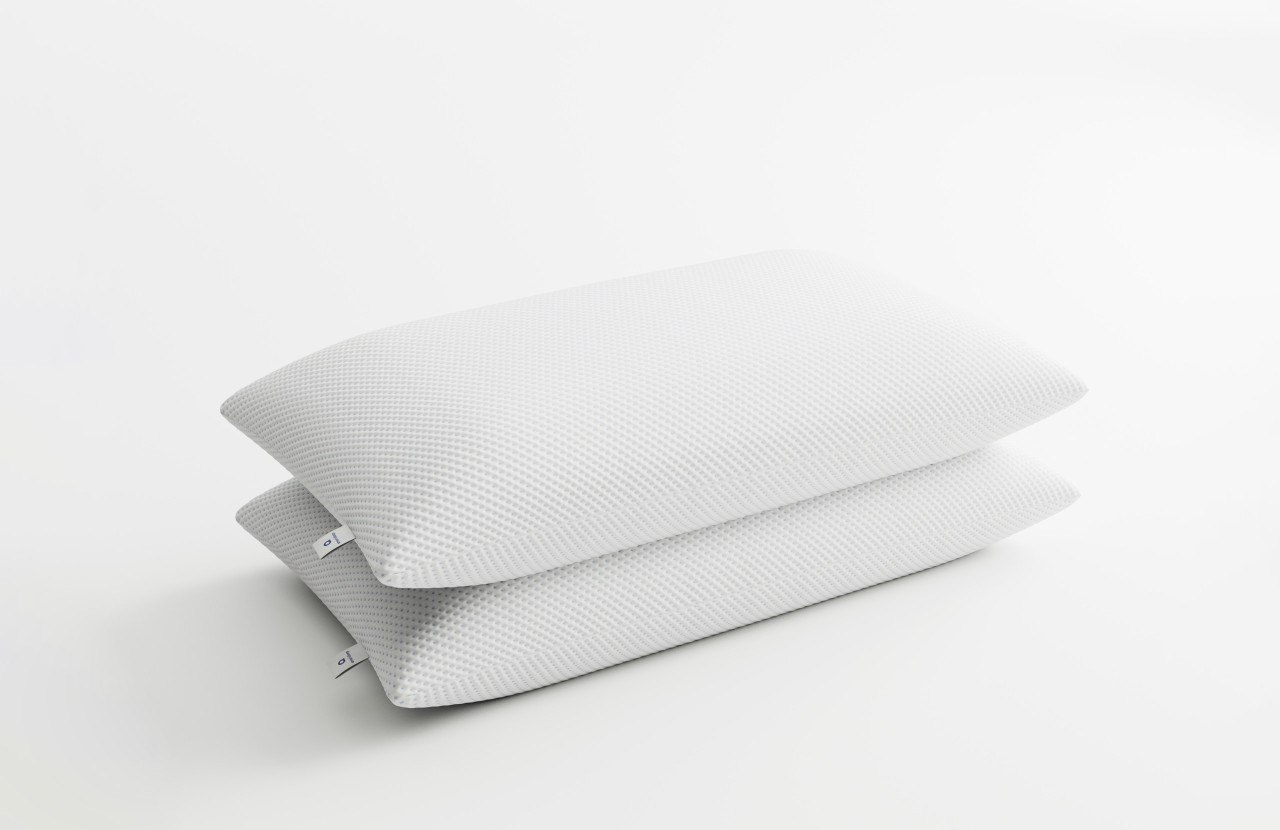
Amerisleep Flex Pillow
- MicroFlex Cushions
- Eco-friendly by CertiPUR-US®
The Custom made pillow designed to give you and your family the right feels
The following features in the Amerisleep pillow make it perfect for regular use.
Breathable cover: The cover is ultra-breathable and features microFlex cushions. These do not let the warm air accumulate and escape through the tiny pores. This helps the pillow sleep cooler than solid memory foam.
Perfect shape: The hundreds of eco-friendly Microflex cushions give a proper shape to your pillow. This helps you customize your sleep and slumber away in your favorite position.
Eco-friendly pillow: The pillows are CertiPUR-US certified. This means the foam is made without certain harmful chemicals, such as PBDE flame retardants and formaldehyde, and is tested for low VOC emissions.
The Amerisleep pillows come in two sizes; king and Queen. Here are the dimension, weights, and heights of the table.
| Size | Dimensions | Weight | Height |
| King | 34" W x 16" L | 3.7lbs | 6 " |
| Queen | 27" W x 16" L | 4.8lbs | 6 " |
Pair it with a cotton sheet to double the comfortable sleep. These sheets are light, crisp, and cool, while the pillows give the correct position. You can use the duo to experience a blissful sleep.
Unlike other down pillows, which only allow spot cleaning, you can easily wash and clean the pillow. The zipper on the side allows easy cleaning for a clean and fresh sleep. Remove all the pillow contents and wash the cover with a warm setting.
Apart from all the amazing features of Amerisleep pillows, it comes with a whopping warranty of ten years. This means the company will repair or replace any defects in the workmanship. The pillow is delivered free within the US in eight business days.
Saatva Down Alternative Pillow
- Organic cotton shell
- Made in the U.S.A
The perfect blend of support and comfort for a rejuvenating sleep.
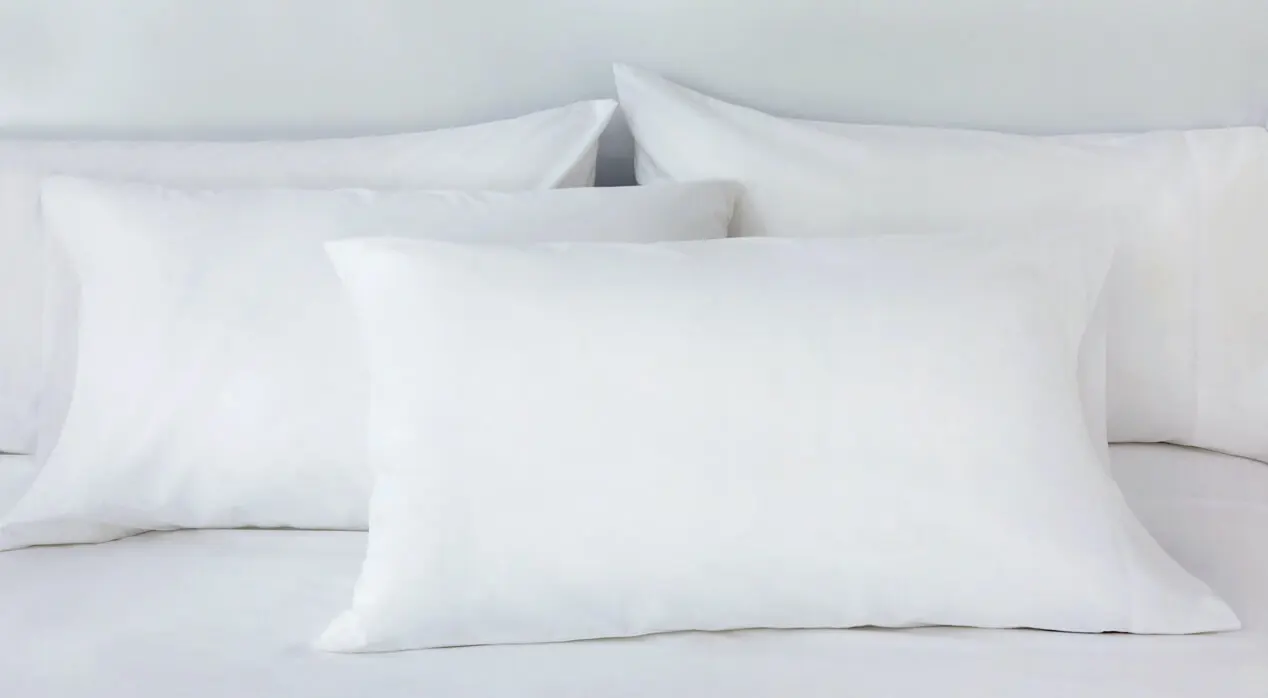
The amazing down pillow by Saatva is airy and light and a perfect option for a good night's sleep. It offers unlimited features that will make you love the Saatva pillows. They consist of the following layers:
- Breathable and airy cover, which is made from pure cotton.
- Hypoallergenic down-alternative fibers with micro air pockets for a plusher feel.
- The memory foam micro denier alternative in clusters offers a two-in-one feature. It keeps the pillow durable while giving a balanced amount of support.
- Elegant piping made of satin for a luxurious and neater look.
You can buy the weighted blanket along with the pillows. It may feel comforting as you settle down to sleep. The amazing combo is the amalgamation of pillows with the right amount of firmness, along with the therapeutic effect of the blanket that ensures a deep sleep.
It offers the following perks:
45 days guarantee: Unlike other pillows, Saatva offers a 45 days return policy. If you find it incompatible, you can return it within 45 days of the purchase.
Free shipping: You can enjoy all types of bedding free through FedEx.
1-year warranty: Any defects in the workmanship during the one year will be replaced or repaired by Saatva.
The pillow comes in two sizes; king and queen. Try the Down alternative pillows that are made in the USA. Do remember to use a pillow cover. In case of stains, only spot-clean your pillow.
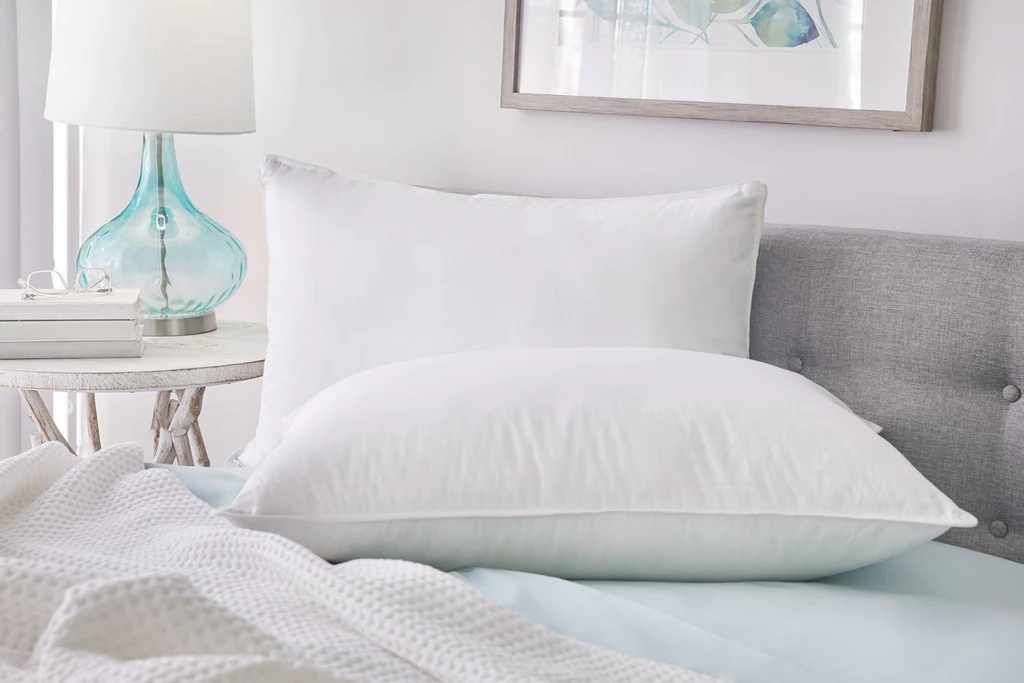
PlushBeds Hotel Chamber Down & Feather Pillow
- Soft and supportive
- Temperature Regulating
Down-and-Feather Pillow Construction
The pocket-friendly pillow is soft but firm enough to help you ease your TMJ. The outer layer is stuffed with pure down, while the inner core features a feather-down blend. These together contour the neck and shoulder. Some important features that make this an amazing option for a good night's sleep are:
- The medium firmness of the pillow gives the optimum amount of support to the neck and back.
- The cotton cambric cover is breathable and features a thread count of 230.
- Thoroughly stitched double edges with German piping for a luxurious look.
The 100% cotton cambric cover is woven densely and has strong stitching to hold the feathers. It adds to the softness and luxurious look of the pillow. The pillow has raw materials proudly made and compiled in the USA.
You can always pair the Down and feather pillow with memory foam mattresses. The foam mattress contouring property helps relieve stress from your neck and joints. This amazing combo helps you sleep soundlessly throughout the night.
Natural biodegradable materials make it a safe option for you and your family. The RDS-certified pillow ensures that the pillow that reaches you is cruelty-free. So, with a medium fill duck down feathers of 500, this pillow will surely help you sleep peacefully.
The pillow has a two-year warranty and lasts much longer if kept with care. Just be careful and always cover the pillow with a cover. Follow the care label, and make sure the pillow is fully dry before using it again.
Do pillows help with TMJ?
The pillows are specially designed and mostly consist of down alternatives. It can help relieve your body of some symptoms of TMJ. They help create a proper posture and bring your shoulder and jaws to rest.
You need to do exercises that help circulate blood, improve your eating habits and reduce taking stress.
Can your pillow affect TMJ?
A wrong pillow can add misery to your life and aggravate symptoms of TMJ. A regular pillow that is too soft or thick, worn out, or too stiff can be a source of pain and nuisance through the night. A right pillow will ensure you sleep at the correct angle and alleviate the pain symptoms.
What is the best sleep position for TMJ?
Sleeping on your back is the best position to ease up your TMJ. This position will not pressure your shoulders, neck, or jaw, decreasing any chance of flaring up through the night.
If you have been a stomach or side sleeper all your life, you can follow these hacks to help you sleep on your back:
- Use a supportive pillow under your neck and a pillow under your knees.
- An adjustable and conforming mattress that helps you get comfortable while sleeping on your back.
How can I relax my jaw with TMJ?
If you suffer from TMJ, you can use the following tips to relax your jaw.
- Try to sleep in a proper posture.
- Eat a soft meal, so chewing doesn't put extra strain on the jaw.
- Talk to a doctor if stress or anxiety is frequent.
- Avoid hard or crunchy food and take small bites or nibbles instead of large ones.
- Try gentle jaw exercises, such as chin tucks and goldfish exercises, that help relax the jaw.
Should you massage TMJ?
Massaging is one of the ways to dull or diminish some of the pain in TMJ. Find the masseter muscle, just below the cheekbone in front of the ear.
Gently massage the muscle to help relieve the pain in the jaw, chin, and neck. Make sure you massage the swollen or tender area with a soft hand. Stop the massage and consult a doctor immediately if you feel worse.
How do you relax your jaw when sleeping
Some various ways and tips help relax your jaw while sleeping. Follow these tips to relax your jaw when sleeping.
- You could invest in a mouth guard to help relax your jaw when sleeping.
- Exercising the jaw and then soothing the muscles with a warm cloth.
- Maintaining a hygiene routine before going to sleep.
- Lastly, being stress-free contributes to relaxing your jaw.
Our Recommendation
If you want a pillow that helps relieve symptoms of TMJ, invest in these pillows. They can be used as regular pillows for a great sleep. However, if you want a customized pillow that suits your sleeping needs, invest in the Amerisleep Flex pillow.
You can always rely on Saatva Down's alternative pillow for an eco-friendly option. These pillows are the right combination of soft and firm and help ease the pain resulting from TMJ. With the right blend of comfort and support, these pillows are just the right choice. So put your money in any of these pillows to amp up your sleep.
Upgrade: Full Saatva Pillow Collection
| Saatva Latex Pillow | $165 | Shop |
| Saatva Memory Foam Pillow | $125 | Shop |
| Saatva Down Pillow | $185 | Shop |
Best Pillows for TMJ Pain: Support That Eases Jaw Tension
Temporomandibular joint (TMJ) disorders cause jaw pain, clicking, headaches, and facial tension that intensify during sleep. Your pillow directly affects jaw alignment while you sleep, making it one of the simplest interventions for managing TMJ symptoms overnight.
The primary goal is keeping your head, neck, and jaw in neutral alignment so the temporomandibular joint is not compressed or twisted. Side sleepers with TMJ need a pillow that fills the space between the shoulder and ear without pushing the head upward or letting it drop downward. Either extreme puts lateral pressure on the jaw joint.
Memory foam pillows work well for TMJ because they distribute weight evenly and reduce pressure points around the face and jaw. Contour-shaped memory foam pillows add cervical support that keeps the spine straight, which indirectly reduces jaw tension. If you grind your teeth at night, talk to your doctor or dentist about your symptoms.
Back sleepers with TMJ should choose a medium-loft pillow that supports the natural curve of the neck without tilting the chin toward the chest. A chin-down position compresses the jaw joint and worsens morning pain and stiffness.
Avoid pillows that are overly firm or overly flat. Firm pillows create pressure against the side of the face for side sleepers, aggravating the joint. Flat pillows fail to provide enough neck support, causing the muscles around the jaw to compensate and tighten.
Adjustable pillows, like the Amerisleep Flex Pillow, let you customize the loft to your exact needs, which is particularly valuable for TMJ sufferers whose ideal height depends on their specific jaw anatomy. Combine your pillow with a night guard prescribed by your dentist for the most full approach to overnight TMJ management.
Choosing Quality Bedding: What Actually Matters
The bedding industry is full of inflated claims about thread counts, miracle fabrics, and premium certifications. Here is what genuinely affects your sleep quality and what is just marketing.
What to Prioritize
- Fiber quality over thread count. Long-staple cotton at 300 thread count outperforms short-staple cotton at 1,000 thread count every time. The fiber length determines softness and durability, not the number of threads.
- Weave type for your climate. Percale breathes best for hot sleepers. Sateen feels silkier but traps slightly more heat. Jersey knit is stretchy and casual. Choose based on how you sleep, not how it looks in photos.
- Care requirements. The best bedding is the bedding you actually wash regularly. If a product needs dry cleaning or special handling, you will likely neglect it.
Building a Complete Sleep System
Great bedding on a bad mattress is like premium tires on a car with no engine. Your mattress is the foundation of every sleep experience. If your current mattress is more than 7–8 years old, upgrading it will improve your sleep more than any sheet set ever could.
Complete Your Sleep Setup
Pair your bedding with our top-rated mattress. The Saatva Classic offers luxury comfort with free white-glove delivery.
Free delivery • 365-night trial • Lifetime warranty