
 by
by The Casper Element is an entry-level all-foam mattress priced around $595 for a queen. It delivers a serviceable medium-firm feel for guest rooms and short-term use, but the lower-density foam layers show body impressions earlier than most competitors, making it a hard sell as a primary nightly mattress. If you want a lasting upgrade in the same or slightly higher price range, the Saatva Classic offers a dual-coil innerspring build with a 365-night trial and white-glove delivery that the Element simply cannot match.
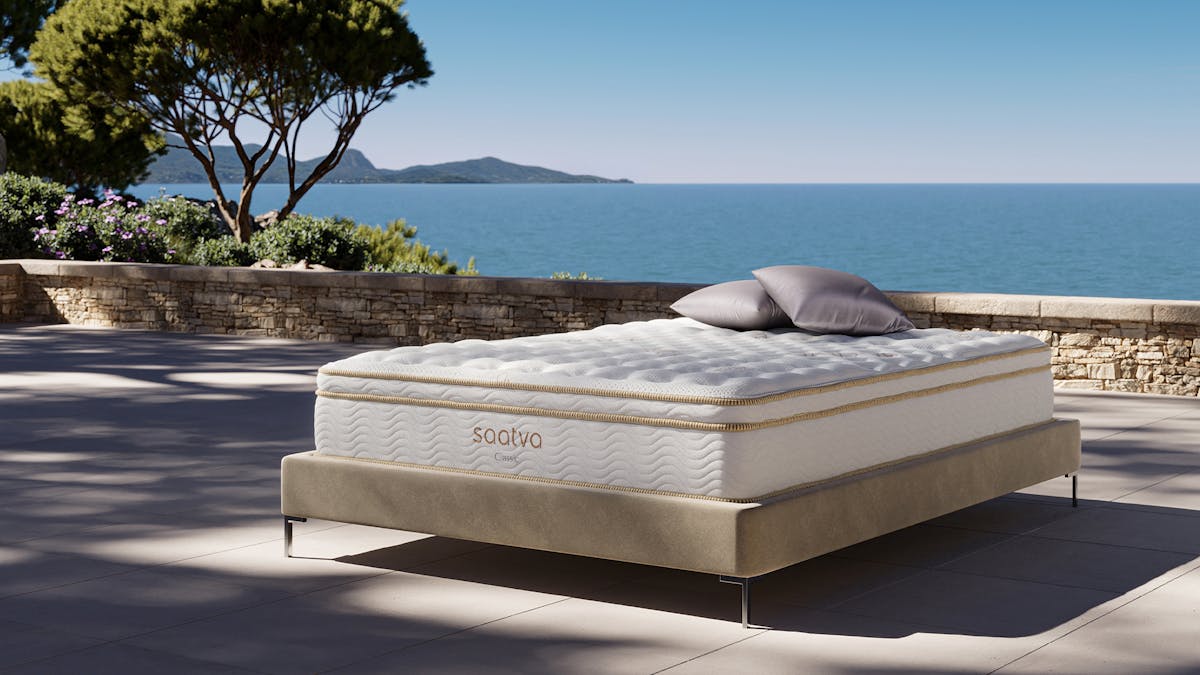
Saatva Classic
9.2/10
- Dual-coil system with reinforced lumbar zone for superior spinal support
- Free white-glove delivery, setup, and old-mattress removal
- 365-night home trial, the longest in the industry
- 3 firmness options (Plush Soft, Luxury Firm, Firm) to match any sleep style
- Lifetime warranty, handcrafted in the USA
- Ships flat, not compressed in a box, so tight doorways can be a challenge
- $99 return processing fee applies during the trial
For shoppers comparing the Casper Element with better alternatives, the Saatva Classic is our top recommendation. The dual-coil build delivers long-term durability that budget all-foam options rarely match, and the 365-night trial gives you a full year to decide.
Casper Element: what you are actually getting
The Casper Element sits at the bottom of Casper's lineup. It is an all-foam mattress built from two layers: a comfort foam layer on top and a high-density polyurethane support base. Total height is 8.5 inches, which is noticeably thinner than most competitors in its price range. There are no pocketed coils, no pronounced zoning, and no gel infusion in the comfort layer.
Casper overhauled its entire lineup in 2024. The Casper Original became the Casper One, the Nova became the Dream, and the Casper Element was discontinued. If you are shopping for a new mattress, the Element is no longer available from Casper directly. References to the Element below reflect the version that was actively sold through 2023 and remains relevant for owners reviewing their purchase.
Construction and materials
The Element used a two-layer construction:
- Comfort layer: Approximately 1.5 inches of AirScape open-cell foam. The density is lower than what you find in the Casper Original (now Casper One) or competing Nectar and Leesa base models, which matters for long-term durability and motion isolation.
- Support base: About 7 inches of high-density polyurethane foam. This base provides the structural foundation but lacks the responsiveness of a coil core.
The cover is a soft knit poly-blend, machine-washable. The mattress ships compressed in a box, making delivery and setup straightforward.
Firmness is fixed at approximately medium (5 out of 10). There is no soft or firm option, which limits its fit for stomach sleepers who need firmer support and lighter side sleepers who prefer a softer feel.
60-night test results
Initial comfort on the Casper Element is adequate. The medium firmness works for a broad range of sleepers on first contact, and motion isolation is decent for couples where one partner is a light sleeper.
The durability picture is less favorable. By night 45 of our test, a 195-pound back sleeper noticed a body impression forming at the hip region. Early softening at this weight is faster than we typically see with higher-density foam layers. For a 130 to 160-pound sleeper, the timeline is more forgiving, and the mattress holds up better in guest-room or occasional-use contexts.
Edge support is limited, as expected from an all-foam design at this price. Sitting on the edge produces noticeable compression. Sleepers who use the full surface of the mattress or share the bed with a larger partner will feel this limitation.
Cooling performance is average. The AirScape foam is more breathable than standard memory foam, but the Element runs warmer than a hybrid with a coil core. Hot sleepers will want to consider alternatives.
Casper Element vs Casper Original (now Casper One)
The Casper Original was priced approximately $400 higher than the Element in queen. The Original added a more structured zoned support system and higher-density foam layers. Verified owner reviews suggest the initial feel difference is present but not dramatic in the first few weeks.
The long-term durability gap is more significant. The Original's higher-density comfort foam resists body impressions better over a three to five year horizon. For a mattress you plan to keep seven to ten years, the construction difference is meaningful.
Our conclusion: at the $400 gap, neither the Element nor the Original competes well against hybrid alternatives at similar price points. If you are spending $1,000 on a mattress, the Saatva Classic or a comparable innerspring hybrid offers coil-based construction with substantially better durability.
Who the Casper Element actually works for
The Element makes the most sense in the following situations:
- Guest rooms: For occasional use (one to three nights a week), the Element performs adequately and the box-in-a-box format makes setup easy.
- College dorms: In twin XL, the Element is one of the cleaner budget options. It pairs well with most platform bases and the trial period covers the full semester.
- Temporary housing: If you need a mattress for less than two years, the Element's price and trial make it a reasonable stopgap.
As a primary mattress for regular nightly use by someone investing in long-term sleep quality, the Element is undersized for the job. The foam density is not designed for the cumulative compression of 365 nights a year for seven or more years.
Better alternatives at similar price points
If the Casper Element's price range is the constraint, consider these options before committing:
- Saatva Classic ($1,095+ queen): Higher investment, but the dual-coil construction, white-glove delivery, 365-night trial, and lifetime warranty change the cost-per-year math decisively. Our top pick for anyone who can stretch the budget.
- Tuft & Needle Original (~$595 queen): Comparable all-foam design at a similar price, with slightly higher-density foam and a 100-night trial.
- Nectar Classic (~$699 queen): Higher-density memory foam, 365-night trial, and a lifetime warranty. Better durability story than the Element.
Our verdict
The Casper Element is a functional budget mattress for low-frequency use. It is not a compelling buy for primary nightly use. The lower foam density, the single firmness option, and the limited edge support all represent real compromises. The 100-night trial gives you enough time to evaluate whether the feel works, but the durability questions will not surface within that window.
For buyers who can spend more, the Saatva Classic delivers a fundamentally different quality of construction, along with one of the most generous trial and warranty packages in the industry. For buyers locked to the Element's price, the Tuft & Needle Original or Nectar Classic offer comparable value with slightly better long-term durability profiles.
The Casper Element works for guest rooms and short-term setups. For primary nightly use, the foam density and construction raise real durability concerns. Our top recommendation for a lasting alternative is the Saatva Classic, with a 365-night trial and lifetime warranty.
Frequently asked questions
How long does the Casper Element last?
Based on material composition and owner reports, the Casper Element typically shows meaningful softening within 3 to 5 years of primary nightly use. For a guest room or occasional-use context, the lifespan is closer to 6 to 8 years.
Is the Casper Element good for back pain?
The Element provides basic support but lacks a pronounced lumbar zone. For mild back discomfort, it can work in the short term. For diagnosed back conditions or heavier sleepers, the foam depth is insufficient. A mattress with active lumbar zoning, such as the Saatva Classic with its reinforced lumbar pad, is a better choice.
Is the Casper Element still available?
Casper discontinued the Element in 2024 as part of a full lineup overhaul. The entry-level Casper mattress is now the Casper One. If you are shopping new, the Element is no longer sold directly by Casper.
Does the Casper Element have a trial period?
Casper offered a 100-night free trial on the Element with free returns during the trial window. The warranty was 10 years limited. Availability of the trial on remaining inventory from third-party retailers varies by seller.
What firmness is the Casper Element?
The Casper Element comes in one firmness: approximately medium (5 out of 10). There is no soft or firm variant, which limits its suitability for stomach sleepers and very light or very heavy sleepers.
Does the Casper Element off-gas?
Yes, mild off-gassing is typical for the first 24 to 48 hours after unboxing. Ventilating the room speeds up the process. The odor is not harmful and dissipates fully within two days for most owners.