
 by
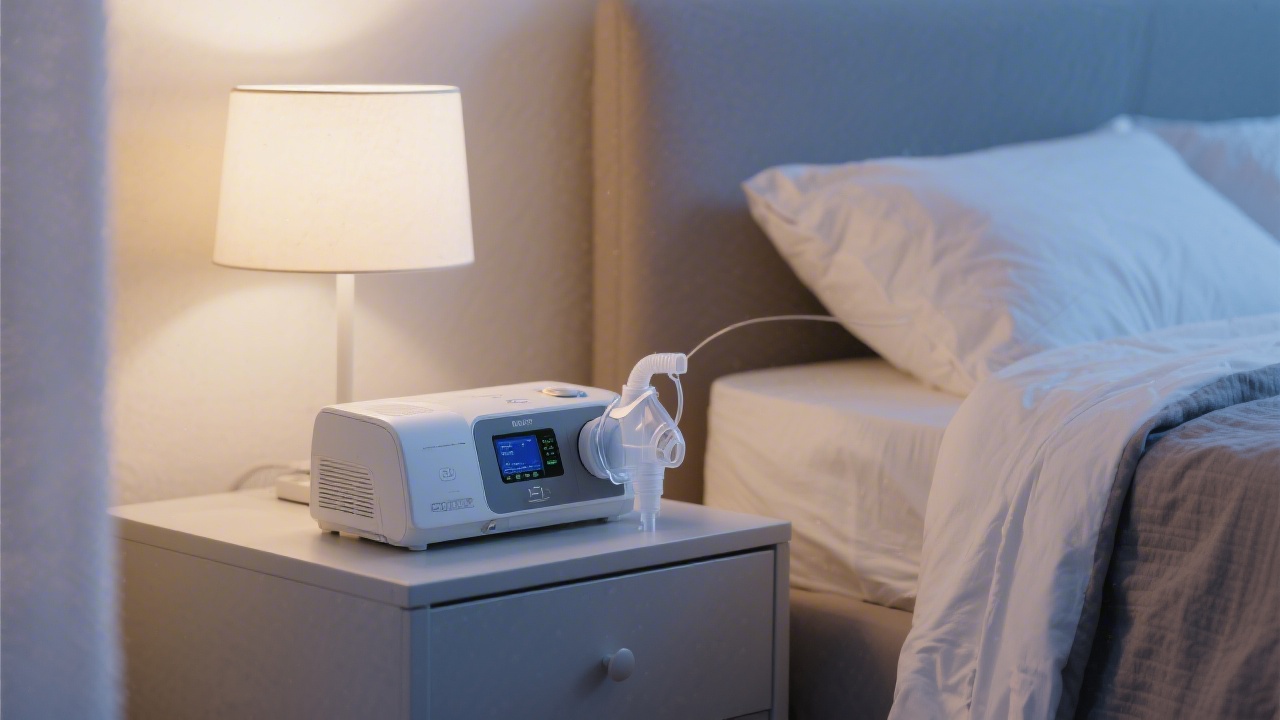
by CPAP therapy is highly effective for obstructive sleep apnea. It is also, for a significant portion of patients, profoundly claustrophobic. The mask that covers part or all of the face, combined with the sensation of pressurized air, triggers fear responses in patients who would otherwise benefit most from the treatment.
TL;DR
This mattress review covers construction, firmness, trial/warranty, price, and who it fits. Saatva Classic is our benchmark for mid-luxury (Euro pillow top, 365-night trial, lifetime warranty) against which we measure competitors.
Jump to section
The consequence is CPAP abandonment - the most common outcome for claustrophobic users who do not receive specific support. Estimates suggest fewer than 50% of CPAP-prescribed patients are still using the device at one year. Claustrophobia is among the top five reasons for discontinuation.
Our Recommendation
Improve the head or foot of your bed for maximum comfort, zero-gravity positioning, and better sleep posture.
Why CPAP Triggers Claustrophobia
CPAP masks create several simultaneous sensory inputs that activate claustrophobic responses:
- Physical confinement - The mask physically restrains part of the face, triggering confinement-related threat responses in the amygdala.
- Breathing control conflict - The pressurized air makes passive exhalation feel restricted. New users frequently report a sensation of “not being able to breathe” even when airflow is adequate, because the expected effort-to-breathe relationship is disrupted.
- Vulnerability during unconsciousness - The prospect of wearing a device on the face while asleep - unable to remove it quickly if needed - activates threat-sensitivity, particularly in people who already have sleep anxiety.
Graduated Exposure Protocol for CPAP Claustrophobia
The evidence-based approach to CPAP claustrophobia is adapted from exposure therapy for specific phobias. The protocol is progressive, starting with minimal exposure and building tolerance before attempting sleep use.
- Mask handling (days 1-2) - Hold the mask, examine it, put it near the face without wearing it. Remove all threat by controlling the interaction entirely.
- Mask without straps, awake (days 3-4) - Hold the mask to the face without the headgear. No pressure. No straps. Exit immediately if uncomfortable. Repeat for 5 minutes, building to 15 minutes.
- Mask with straps, no machine (days 5-7) - Wear the full headgear while awake, watching TV or reading. Normalize the facial sensation.
- Mask with machine, awake (days 8-12) - Add the machine at low or ramp pressure while sitting up, awake. Begin to normalize the airflow sensation.
- Mask lying down, awake (days 13-16) - Lie in bed wearing the mask with the machine running, without attempting to sleep.
- Full sleep use (day 17+) - Attempt sleep use, initially with the expectation of removing it during the night if needed. Gradual overnight duration building.
Mask Selection for Claustrophobic Patients
Mask type has a significant impact on claustrophobic response. In order of typically lowest to highest claustrophobia risk:
- Nasal pillow masks - Smallest footprint. Two small pillows insert at the nostrils. No coverage of nose bridge, cheeks, or mouth. Lowest reported claustrophobia rates. Limitation: requires mouth closure (chin strap or mouth tape for mouth breathers).
- Nasal masks - Cover the nose only with a triangular cushion. Intermediate footprint. Good option for those who need slightly higher pressure than nasal pillows provide.
- Full-face masks - Cover nose and mouth. Highest claustrophobia risk. Necessary for severe mouth breathing but should be avoided as the initial choice for claustrophobic patients.
Positional Support: How Your Mattress and Base Matter
CPAP tolerance is significantly affected by sleep position and head elevation. Back sleeping tends to worsen both sleep apnea severity and mask leakage. Side sleeping with slight head elevation - achievable with an adjustable base - reduces required CPAP pressure, which directly reduces the suffocation sensation that drives claustrophobic reactions.
An adjustable base that allows 15–30-degree head elevation reduces the pressure requirements for many sleep apnea patients, making the CPAP experience substantially more comfortable. The softer the pressure requirement, the less the mask-on-face experience feels restrictive.
Non-CPAP Alternatives When CPAP Fails
For patients for whom CPAP remains intolerable after a full compliance protocol, alternatives exist:
- Mandibular advancement devices (MAD) - Oral appliances that reposition the jaw and tongue. Effective for mild to moderate sleep apnea. No mask. Requires dental evaluation and fitting.
- Positional therapy - For patients whose apnea is predominantly positional (worse when supine), positional devices that prevent back sleeping can reduce AHI to acceptable levels.
- Hypoglossal nerve stimulation (Inspire) - Implanted device that stimulates tongue muscle tone during sleep. Highly effective for selected patients. Requires surgery.
- Surgical options - Uvulopalatopharyngoplasty (UPPP) and related procedures are appropriate for specific anatomical obstructions.
Our Recommendation
Improve the head or foot of your bed for maximum comfort, zero-gravity positioning, and better sleep posture.
Frequently Asked Questions
Frequently asked questions
Our top pick for this condition
Saatva Adjustable Base Plus
Elevated sleeping position makes CPAP more tolerable and reduces mask-leak frequency.
What pillow works best with a CPAP mask?
A CPAP-specific contoured pillow with side cutouts lets the mask hose route without pressure on the seal. Memory foam models hold the shape better than latex for this specific use case. Loft should match your side-sleeping preference (3"–5" for most side sleepers).
Does CPAP work without a specialty pillow?
Yes but mask leaks are more common and most patients wake up more, which defeats the point. A CPAP pillow usually pays for itself within 2 weeks in sleep quality alone.
How do I stop my CPAP mask from leaking?
Top causes: wrong-size mask, dirty cushion, side-sleeping pressure. A contoured pillow solves #3. Masks need new cushions every 3–6 months; new headgear every 6 months. Leakage past that point is usually a mask/pillow geometry mismatch.
How common is claustrophobia with CPAP?
Studies suggest 30-50% of CPAP users report mask-related discomfort, and claustrophobic reactions are among the most common reasons for CPAP non-compliance. It is the leading modifiable cause of CPAP abandonment.
What CPAP mask is best for claustrophobia?
Nasal pillow masks have the smallest facial footprint and lowest reported claustrophobia rates. They insert gently at the nostrils without covering the mouth or most of the face, making them the standard recommendation for claustrophobic patients.
Can you desensitize to CPAP claustrophobia?
Yes. Graduated exposure - wearing the mask while awake for increasing periods, first without airflow, then with airflow, then while lying down - is effective for the majority of claustrophobic patients within 2-4 weeks.
What are alternatives to CPAP for sleep apnea?
Alternatives include BiPAP (different pressure for inhale/exhale, often more tolerable), APAP (auto-adjusting pressure), oral appliances (mandibular advancement devices), positional therapy for positional apnea, and surgical options for selected anatomical cases.
Does sleeping position affect CPAP tolerance?
Yes. Side sleeping with head slightly elevated typically produces the best CPAP tolerance. An adjustable base that improves the head 10-15 degrees reduces pressure requirements and improves mask seal, reducing the suffocation sensation some users experience.
Key Takeaways
Claustrophobia and CPAP is a topic that depends heavily on individual needs and preferences. The most important thing is to consider your specific situation - your body type, sleep position, and personal comfort preferences - before making any decisions. When in doubt, take advantage of trial periods to test before committing.