
 by
by The Saatva Classic mattress is independently tested for pressure relief and spinal alignment - two factors that directly affect deep sleep and REM cycles. See current pricing →
The average person forgets 95% of their dreams within ten minutes of waking. This isn't a failure of memory - it's a predictable consequence of how memory consolidation works during sleep. The hippocampus is partially offline during dreaming, which means dream content is never properly encoded into long-term memory in the first place. Dream journaling works by capturing the trace before it dissolves.
Why Dream Recall Matters
Beyond curiosity, dream recall has practical applications. For practitioners of lucid dreaming, recall is a prerequisite - you can't become lucid in a dream you don't remember. For people managing recurring dreams or nightmares, recall allows engagement with Image Rehearsal Therapy. And for general emotional awareness, tracking dream content over time reveals which stressors and unresolved concerns are occupying the unconscious mind.
The Core Method
The Transition Moment
The critical window is the ten seconds immediately after waking. Before checking your phone, before getting up, before thinking about your day - lie still with your eyes closed and mentally rehearse the dream. Start with the most recent image and work backward. This internal rehearsal creates the memory bridge that writing will then solidify.
What to Write
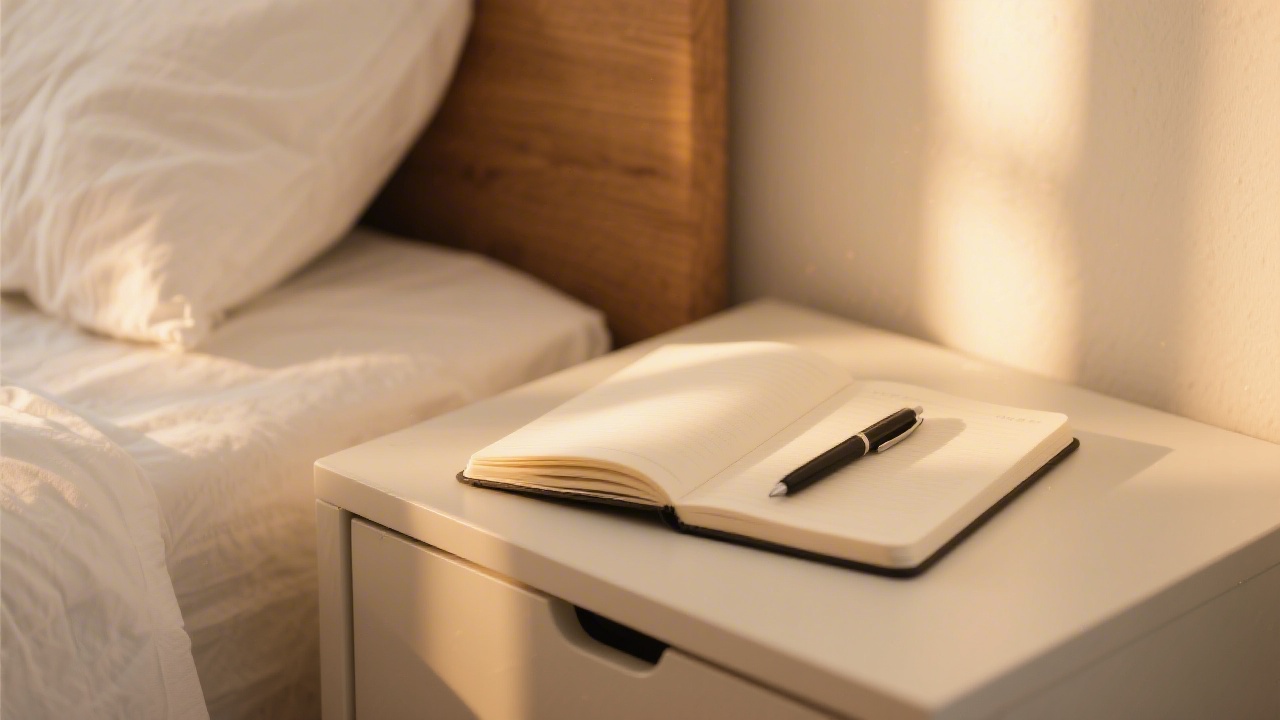
Write immediately after the mental rehearsal - a physical notebook or notes app on your phone both work. Include:
- Setting: Where were you? Indoor, outdoor, familiar, unfamiliar?
- Characters: Who was present? Known people, strangers, hybrid figures?
- Events/narrative: What happened, in sequence as best you can reconstruct?
- Emotions: What was the dominant emotional tone? Fear, elation, confusion, grief?
- Sensory details: Colors, textures, sounds, smells if present
- Final image: The last image before waking is often most vivid - capture it first
Don't edit. Don't analyze. Write in present tense ("I am standing in a field") rather than past tense - this maintains the experiential quality and is consistently recommended in sleep research protocols.
Date and Context Tagging
Always include the date, approximate time of waking, and any relevant context: major stressor of the previous day, what you ate, alcohol intake, medication changes, exercise. These context tags allow pattern identification over time.
Voice Recording Alternative
Many people find voice recording faster and less disruptive in the transitional hypnopompic state. The limitation: you must transcribe or review recordings, which many people don't do consistently. If using voice recording, keep it within reach of your bed and start speaking as soon as your recall rehearsal is complete. Describe in the same categories - setting, characters, narrative, emotion.
Apps specifically designed for dream journaling (DreamBoard, Shadow, Reflectly) offer voice transcription and pattern tagging, but a physical notebook remains the lowest-friction option for most people.
Improving Recall Over Time
Dream recall improves with practice - typically within 2-4 weeks of consistent morning journaling, most people report dramatically more vivid and complete recall. The mechanism is attention: actively prioritizing dream memory on waking trains the brain to encode it more robustly.
Waking naturally without an alarm - or waking during or immediately after a REM cycle rather than mid-deep-sleep - substantially improves recall. If you consistently wake from an alarm in deep sleep and recall nothing, try setting the alarm 30 minutes earlier, which may catch a lighter REM phase.
What Patterns to Look For
After 2-4 weeks of journaling, review for:
- Recurring themes: Same settings, same characters appearing in different scenarios, same emotional tone
- Stressor mapping: Dreams that cluster around specific real-world events or concerns
- Sleep quality correlation: Do certain nights (exercise, stress, alcohol) produce more fragmented, nightmarish, or vivid dreams?
- Pre-lucid signals: Specific dream signs that recur - objects, scenarios, or feelings that consistently appear before you become aware you might be dreaming
Sleep Foundation and Dream Quality
Better sleep hygiene produces more stable REM cycles and richer dream content. A mattress that keeps you comfortable through the night reduces micro-awakenings that fragment REM and erase dream memory before it can be encoded.
The Saatva Classic mattress is independently tested for pressure relief and spinal alignment - two factors that directly affect deep sleep and REM cycles. See current pricing →
Frequently Asked Questions
- How long should an entry be? Three to five sentences captured immediately beats a full entry written 20 minutes later.
- Should I interpret as I write? Keep recording and interpretation separate - mixing them contaminates the raw record.
- Can it help with nightmares? Yes - clear recall is a prerequisite for Image Rehearsal Therapy.
- Does caffeine affect recall? Late caffeine disrupts REM architecture and reduces vividness.
- Is a blank morning normal? Yes. Recall varies with how you wake and varies night to night.