
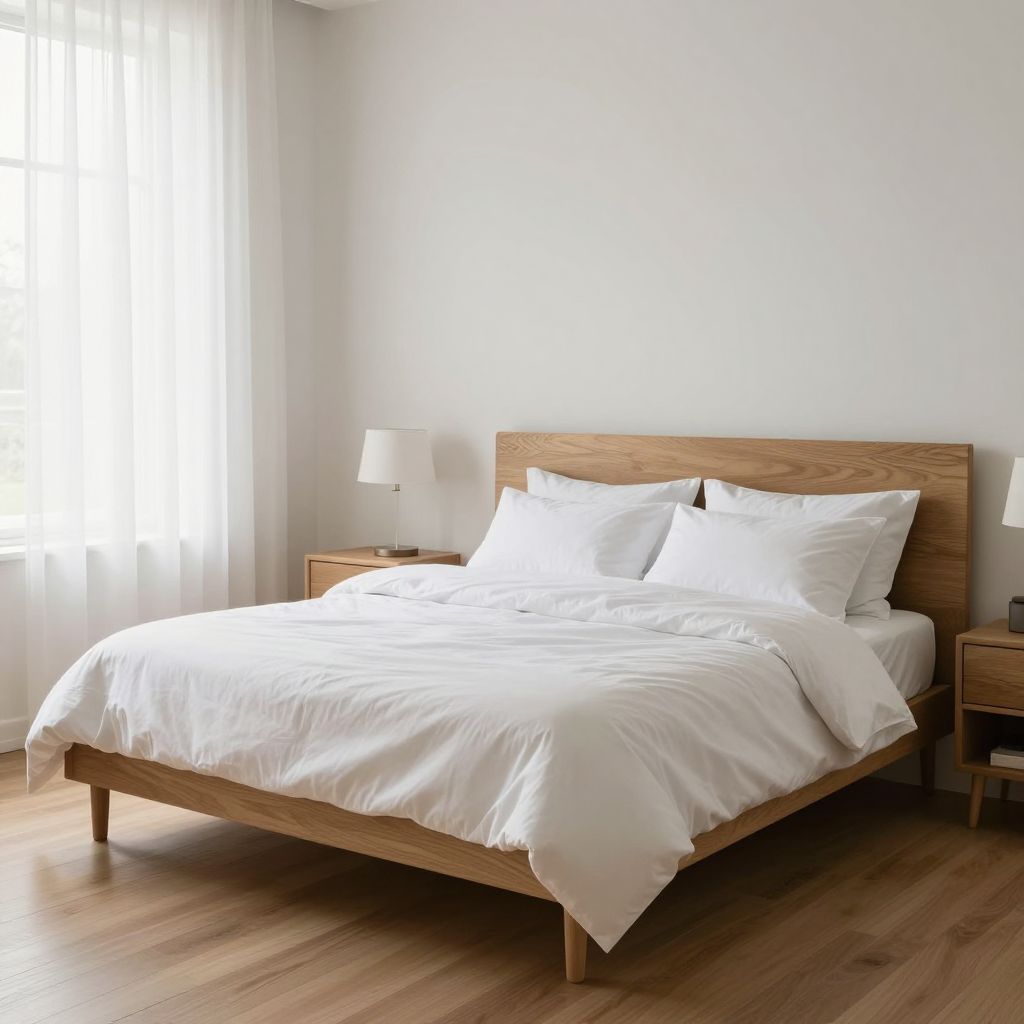
 by
by Sleep needs vary by age and individual biology. Understanding your baseline helps you identify chronic sleep debt before it impacts health, focus, and longevity.
Sleep Recommendations by Age (CDC/NSF Guidelines)
| Age Group | Recommended Hours |
|---|---|
| Newborns (0–3 months) | 14–17 hours |
| Infants (4–11 months) | 12–15 hours |
| Toddlers (1–2 years) | 11–14 hours |
| Preschool (3–5 years) | 10–13 hours |
| School-age (6–12 years) | 9–11 hours |
| Teens (13–18 years) | 8–10 hours |
| Adults (18–64 years) | 7–9 hours |
| Older Adults (65+) | 7–8 hours |
Signs You're Not Getting Enough Sleep
- Falling asleep within 5 minutes of lying down (healthy is 10–20 minutes)
- Needing an alarm to wake up every day
- Microsleep episodes during meetings or reading
- Mood swings, irritability, or poor impulse control
- Relying on caffeine to function before 10am
- Weekend "sleep binging" of 2+ extra hours
Sleep Debt: The Hidden Problem
Losing just 1 hour per night creates 7 hours of sleep debt per week. Research shows cognitive impairment from sleep debt mirrors the performance decline of being legally drunk. The good news: acute sleep debt (1–2 weeks) can be recovered. Chronic sleep debt (months to years) requires a systematic approach.
Budget Pick
Sweetnight Twilight Hybrid. From $329
Medium-firm 6/10, pocket coils, HSA eligible. 100-night trial.
How Your Mattress Affects Sleep Quality
You can be in bed 8 hours and still be sleep-deprived if your mattress causes pain that interrupts deep sleep cycles. Key factors:
- Pressure relief: An old or wrong-firmness mattress triggers micro-arousals when pressure points fire pain signals
- Temperature regulation: Body temperature needs to drop 1–2°F for sleep onset. hot foam can prevent this
- Motion isolation: Partner movement disrupting your sleep can cost you 30–60 minutes per night
Sweetnight Twilight 12" Hybrid . our top pick for couples prioritizing motion isolation + cooling under $700. See Sweetnight's hybrid lineup (free shipping).
Puffy Lux Hybrid . climate-adaptive foam + coil system that maintains ideal sleep temperature year-round. Check Puffy Lux Hybrid with 365-night trial.
FAQ
Is 6 hours of sleep enough for adults?
For most adults, no. Only about 3% of the population has a genetic mutation that allows them to function optimally on 6 hours. The CDC recommends 7–9 hours for adults aged 18–64. Regularly getting less than 7 hours is linked to increased risk of obesity, diabetes, heart disease, and cognitive decline.
Can you catch up on lost sleep on weekends?
Partially. Research shows sleeping in on weekends can reduce some metabolic and cardiovascular markers of sleep debt. However, cognitive performance recovery is incomplete, and the irregular schedule (social jet lag) creates its own problems. Consistent sleep timing is better than catch-up sleeping.
How do I know if I'm getting quality sleep?
Quality sleep means waking without an alarm, feeling refreshed within 20 minutes of waking, maintaining energy throughout the day without caffeine, and falling asleep within 10–20 minutes of bedtime. If you regularly fail these markers despite 7–9 hours in bed, your mattress or sleep environment may be the issue.
Frequently asked questions
Do mosquitoes sleep?
Adults need 7-9 hours of sleep; teens 8-10; school-age kids 9-12. Seniors may need slightly less (7-8) but get fragmented sleep more often. Mosquitoes do rest (periods of inactivity, not true sleep). Whales and dolphins use unihemispheric sleep (one brain hemisphere at a time) so they never fully 'black out' and can surface to breathe.
Do whales sleep?
Adults need 7-9 hours of sleep; teens 8-10; school-age kids 9-12. Seniors may need slightly less (7-8) but get fragmented sleep more often. Mosquitoes do rest (periods of inactivity, not true sleep). Whales and dolphins use unihemispheric sleep (one brain hemisphere at a time) so they never fully 'black out' and can surface to breathe.
Frequently asked questions
Do mosquitoes sleep?
Adults need 7-9 hours of sleep; teens 8-10; school-age kids 9-12. Seniors may need slightly less (7-8) but get fragmented sleep more often. Mosquitoes do rest (periods of inactivity, not true sleep). Whales and dolphins use unihemispheric sleep (one brain hemisphere at a time) so they never fully 'black out' and can surface to breathe.
Do whales sleep?
Adults need 7-9 hours of sleep; teens 8-10; school-age kids 9-12. Seniors may need slightly less (7-8) but get fragmented sleep more often. Mosquitoes do rest (periods of inactivity, not true sleep). Whales and dolphins use unihemispheric sleep (one brain hemisphere at a time) so they never fully 'black out' and can surface to breathe.