
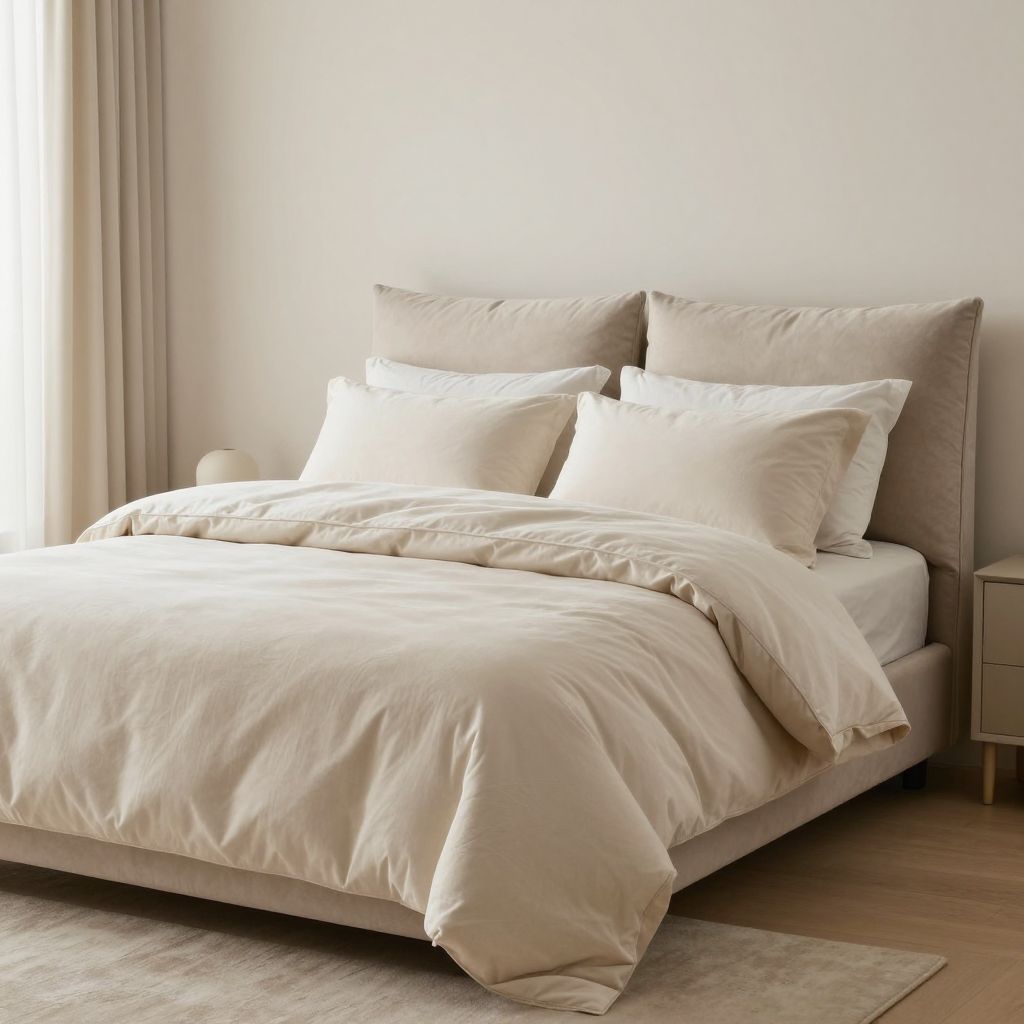
 by
by Quick answer: Siena is worth it if your brief is "functional bed, minimal spend" — guest room, dorm, kid's room, or a short lease. It is not worth it as the bed you sleep on every night for the next decade. Budget foams have a ceiling, and Siena is right at it.
By the MattressNut editorial team · Updated June 2026
Who Siena Is Worth It For (And Who Should Skip It)
Siena is made by Resident Home — the same company behind Nectar and DreamCloud — so there's a real operation backing the warranty and returns, not a fly-by-night dropshipper. The bed itself is a straightforward all-foam build: CertiPUR-US certified, fiberglass-free, medium-firm feel, one comfort option. Queens run roughly $300–500 (check current pricing; deals shift constantly).
Worth it for
- Guest rooms and secondary beds. Guests sleep on it a few nights a month. Nobody needs a $1,800 coil hybrid for that.
- Kids and teenagers. They'll outgrow the bed or trash it in a few years anyway. A durable budget buy makes more sense than a premium one.
- Dorms, short leases, first apartments. If you're moving in 12–18 months, the savings are real and the 100-night trial covers you before you commit fully.
- Light sleepers under ~180 lbs who sleep on their back or stomach. The medium-firm foam works fine for lighter bodies who don't need aggressive pressure relief or edge support.
Skip it if
- This is your everyday bed and you want it to last 8–10 years. All-foam budget beds compress faster than hybrids; reviewers flag softening in year two or three.
- You're a heavier sleeper (roughly 230 lbs+) or a strict side sleeper who needs real pressure relief. The foam isn't thick or dense enough to hold up well under those conditions.
- You run hot. There's no coil layer for airflow, no copper or gel infusion in the base — it's a basic foam stack.
- You want more than one firmness option. Siena is medium-firm, full stop.
What You Actually Get
| Factor | Detail |
|---|---|
| Price range (queen) | ~$300–500 (check current pricing — sales are frequent) |
| Type | All-foam, memory foam, medium-firm |
| Made by | Resident Home (also makes Nectar, DreamCloud) |
| Sleep trial | Marketing says 180 nights; T&Cs say 100 nights — confirm at checkout |
| Warranty | 10 years limited |
| Returns | Full refund, free pickup |
| Certifications | CertiPUR-US, fiberglass-free |
The Pros
- One of the cheapest CertiPUR-US beds from a legitimate brand — not a generic Amazon import
- Free shipping and free returns with a full refund
- The medium-firm feel is genuinely neutral, which suits a wide range of back and stomach sleepers
- Fiberglass-free construction (a real concern on ultra-budget beds — check any alternatives you compare it against)
- Resident's customer service track record is reasonably strong compared to smaller no-name brands at this price
The Cons
- Basic foam construction — the low price has to come from somewhere, and it comes from material density
- Single firmness only. If medium-firm doesn't work for you, there's no soft or firm option
- 10-year warranty is shorter than what many competitors offer (several brands cover lifetime or 25 years), which is a signal about expected lifespan
- The trial period language is inconsistent: the marketing headline says 180 nights but the actual terms list 100 nights. Verify before you order
- Minimal edge support and motion isolation typical of budget all-foam — fine for solo sleepers, less ideal for couples who move around
Value in Context: What the Price Buys and What It Doesn't
At $300–500 for a queen from a company with functioning customer service and real return logistics, Siena clears a bar that a lot of cheap mattresses don't. You're not getting gel foam, pocketed coils, organic materials, or multiple firmness options. You're getting a decent, safe, certified foam bed delivered to your door with no hassle if you hate it.
For a low-stakes setup, that's a reasonable trade. For a bed you'll use daily for years, the math changes. A mattress that softens noticeably in year two or three and only carries a 10-year warranty isn't the bargain it appears to be when you calculate cost-per-year over its actual useful life.
If the primary bed matters to you, the Saatva Classic (queen around $2,229, three firmness options, coil-on-coil build, lifetime warranty, 365-night trial, white-glove delivery) is the clearest comparison: it costs more upfront and less per year of actual sleep. Read our full Saatva Classic review if you're weighing the upgrade.
The Verdict
Siena is worth it in its lane. For guest rooms, kids' beds, dorms, and tight budgets where "good enough and affordable" is the honest brief, it does the job from a company you can trust to honor the return policy. Where it falls short is everywhere the brief changes to "my main bed, long term." Basic foams have a compression ceiling, and budget mattresses hit it faster than hybrids or premium all-foams do.
Bottom line: Buy it for a secondary or short-term bed. For your daily driver, put the savings toward something built to last.
Frequently Asked Questions
Is Siena a legitimate mattress brand?
Siena is a budget sub-brand of Resident Home, the company that also makes Nectar and DreamCloud. It's not a standalone brand with its own manufacturing — it's a price-point product from a large DTC mattress operator. That's relevant because it means real customer service, real returns, and a real warranty process, which isn't guaranteed at this price from smaller sellers.
What is the actual Siena sleep trial — 180 nights or 100 nights?
This is genuinely confusing. Siena's marketing copy frequently says 180 nights, but the terms and conditions reference 100 nights. Confirm the current policy directly at checkout before you order. Either way, it's enough time to know whether the firmness works for you.
How does Siena compare to Nectar?
Both are Resident brands, but Nectar is a step up in materials, warranty (lifetime vs. 10 years), and price. If budget is the only constraint, Siena is the choice. If you can spend $100–200 more and want a better foam density and warranty backing, Nectar is the logical next rung.
Is Siena good for side sleepers?
It's marginal. The medium-firm feel can work for lighter side sleepers, but most side sleepers — especially at average to heavier body weights — need more pressure relief at the shoulder and hip than a budget all-foam provides. If side sleeping is your primary position, it's worth spending more on a bed with a proper comfort layer.
Is Siena good for heavy people?
Probably not as a primary bed. At roughly 230 lbs and above, the foam is likely to compress faster and provide less edge support than you need. A hybrid with pocketed coils handles heavier body weights better and holds up longer. Siena may still work short-term or for lighter use (a guest who visits occasionally), but it's not built for sustained daily pressure from heavier sleepers.
Does Siena have fiberglass?
No. Siena is CertiPUR-US certified and fiberglass-free. This is worth checking specifically at the ultra-budget price point — some cheap foam mattresses use fiberglass as a fire barrier, which becomes a serious problem if the cover is ever removed. Siena does not.