
 by
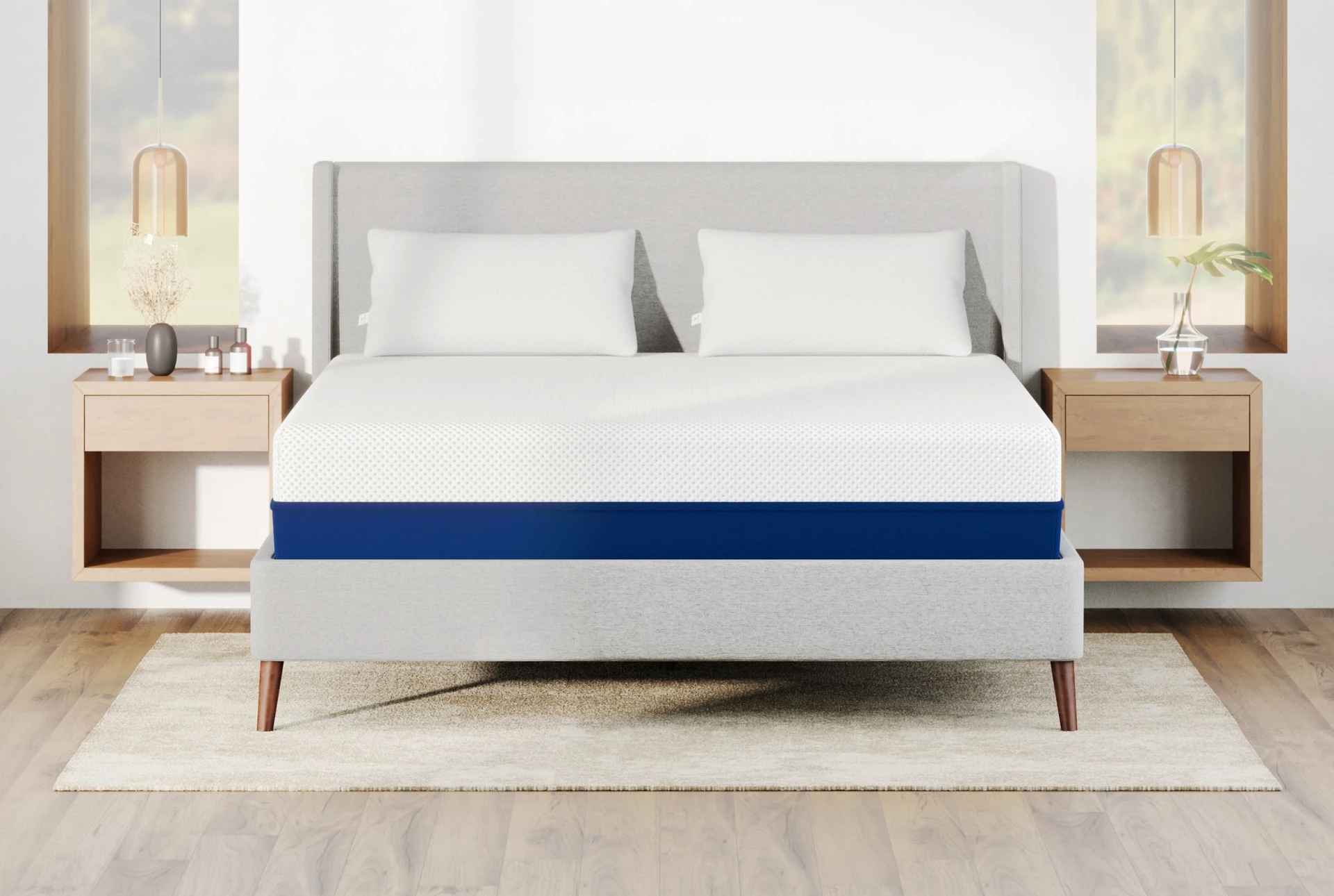
by Our first mattress recommendation for coccyx discomfort is the Amerisleep AS3. It has a medium feel with Bio-Pur memory foam and HIVE support, rather than a Plush Soft spring configuration. Check whether your usual sleeping position feels comfortable without excessive sinking. Persistent tailbone pain warrants clinical advice; a mattress is a comfort choice, not a treatment.
Amerisleep AS3
9.2/10
- HIVE 5-zone construction distributes pressure away from the coccyx and sacrum
- Mediumness hits the sweet spot where the tailbone floats without the hips hammocking
- Partially plant-based Bio-Pur open-cell foam runs cooler than standard memory foam
- CertiPUR-US certified, made in the USA, 20-year warranty
- Softer edge support than a coil hybrid
- Sleepers over 230 lb may want the AS5 Hybrid for added support
The AS3's medium feel and HIVE pressure zoning make it a strong foam-first option for coccyx pain: the zoned cushioning takes load off the sacral area, and the 100-night trial lets you confirm fit before committing.
Why coccyx pain worsens during sleep
The coccyx is the small triangular bone at the very base of the spine. It is not a load-bearing structure during standing or walking, but in back sleeping it receives the full compressive force of the pelvis against the mattress surface. Sustained over 7 to 8 hours, that concentrated pressure inflames the coccygeal joints, ligaments, and the bursa at the tip of the bone.
Coccydynia (clinical tailbone pain) affects an estimated 1 in 100 people, with women five times more likely to be affected due to the broader pelvic anatomy that leaves the coccyx more exposed. Falls, childbirth, and prolonged sitting are common triggers. A mattress that is either too firm or too soft can both cause and significantly worsen the condition overnight.
How firmness affects coccyx pressure
Getting the firmness wrong in either direction creates pressure problems at the tailbone:
- Too firm (7+/10): The coccyx receives the full concentrated weight of the pelvis with no cushioning. Pressure per square centimeter at the coccyx is several times higher than on a medium-soft surface. Eight hours of that load on an already inflamed structure is the worst scenario for coccydynia.
- Too soft (1-3/10): The hips sink into a hammock position. The coccyx, sitting at the lowest point of the sacral curve, can be pushed upward by the material below it, creating an upward pressure point instead of a downward one. The result is similar: sustained loading from a different direction.
- Medium to medium-soft (4-6/10): The hips sink slightly, redistributing pressure from the coccyx point across the broader sacral area. The tailbone effectively floats in the minor depression created by natural hip sinkage. This is why some sleepers notice relief in a hotel bed, which is typically medium or medium-soft.
Best mattresses for coccyx pain (tested)
| Mattress | Type | Firmness | Coccyx pressure relief | Trial | Queen price |
|---|---|---|---|---|---|
| Amerisleep AS3 | All-foam (Bio-Pur) | Medium 5/10 | Very good, HIVE 5-zone sacral cushioning | 100 nights | From $1,049 |
| Saatva Classic | Coil-on-coil hybrid | Plush Soft 4/10 or Lux Firm 6/10 | Excellent, Euro pillow top buffers coccyx | 365 nights | ~$1,395 |
Saatva Classic
8.8/10
- Euro pillow top cushions the sacral area; Plush Soft (4/10) is ideal for back sleepers with tailbone pain
- Dual-coil construction keeps the hips level while the comfort layer absorbs coccyx pressure
- Free white-glove delivery, old-mattress removal, 365-night trial
- Lifetime warranty with no return fee on exchanges
- Ships flat, not compressed, harder to move
- $99 return fee if returning during trial (exchanges are free)
- Higher motion transfer than all-foam alternatives
For sleepers with coccydynia, the Saatva Classic in Plush Soft hits the pressure-relief sweet spot: firm enough that the hips stay level, cushioned enough that the coccyx floats clear of concentrated load. The 365-night trial gives ample time to confirm the fit.
Best sleep positions for coccyx pain
Sleep position matters as much as the mattress for tailbone pain:
- Side sleeping: Eliminates direct coccyx pressure entirely by shifting contact to the lateral hip. This is the most effective position change for most tailbone pain sufferers. Use a pillow between the knees to keep the hips aligned and prevent lumbar rotation.
- Back sleeping with modifications: Place a pillow under the knees (not the lumbar) to tilt the pelvis slightly, reducing the load on the coccyx. A coccyx cutout pillow under the pelvis suspends the tailbone in air and is the most effective single intervention for back-sleeping tailbone pain.
- Stomach sleeping: Not recommended for coccyx pain as it increases extension through the lumbar-sacral junction and can worsen pressure on the coccygeal ligaments.
An adjustable base with zero-gravity positioning reduces lumbar-sacral disc pressure and pairs well with either of the zoned mattresses above for chronic coccydynia.
Pillow placement strategy
On any mattress, pillow placement fine-tunes coccyx pressure in back sleeping:
- Pillow under the knees: redistributes weight toward the calves, reducing the pelvic load on the mattress surface
- Small rolled towel under each side of the pelvis: creates a bridge that suspends the coccyx in a gap between the support points
- Avoid placing a pillow directly under the lower back or hips: this can increase coccyx extension and concentrate the pressure further
Our first recommendation in this guide is the Amerisleep AS3. Bio-Pur memory foam and HIVE support give the AS3 a medium foam feel. Choose it if that balance of cushioning and support suits your sleeping position; it is not a coil-on-coil mattress.
Frequently asked questions
What mattress firmness is best for tailbone pain?
Medium to medium-soft (4 to 6 out of 10) works best for most tailbone pain sufferers. The goal is for the hips to sink slightly so the coccyx floats rather than pressing against the surface. A firm mattress creates a hard pressure point directly at the tailbone. An overly soft mattress creates a hammock that pushes the coccyx upward from the sagging center. Medium softness with a supportive core below is the target.
Is it better to sleep on your back or side with coccyx pain?
Side sleeping is generally better for acute coccyx pain because it removes all direct pressure from the tailbone. Back sleeping concentrates the full pelvic weight at the coccyx. If you prefer back sleeping, a coccyx cutout pillow under the pelvis or a wedge under the lower body can redistribute pressure away from the tailbone.
Can a mattress cause tailbone pain?
A too-firm mattress is a common cause or exacerbator of tailbone pain in back sleepers. Hard surfaces create concentrated pressure at the coccyx that can inflame the coccygeal ligaments and cartilage over time. If your tailbone pain is worse in the morning and improves after you move around, mattress firmness is likely a contributing factor.
How long until a new mattress helps coccyx pain?
Most people notice improvement within 1 to 3 weeks of switching to a medium-soft mattress. A longer trial window (100 to 365 nights) matters here because some adaptation time is needed to re-pattern sleeping position habits as well. Persistent coccyx pain beyond 4 to 6 weeks on a new mattress warrants medical evaluation to rule out fracture or coccygeal joint dysfunction.
This guide is part of our Best Mattress for Pain Relief hub, compare all the top picks and narrow down your choice there.