
 by
by Most bed side table styling falls into two camps: too bare or too busy. Neither one ties the room together.
These eleven setups hit the balance. Each one earns its place.
When Dark Walls Actually Make a Room Feel Bigger
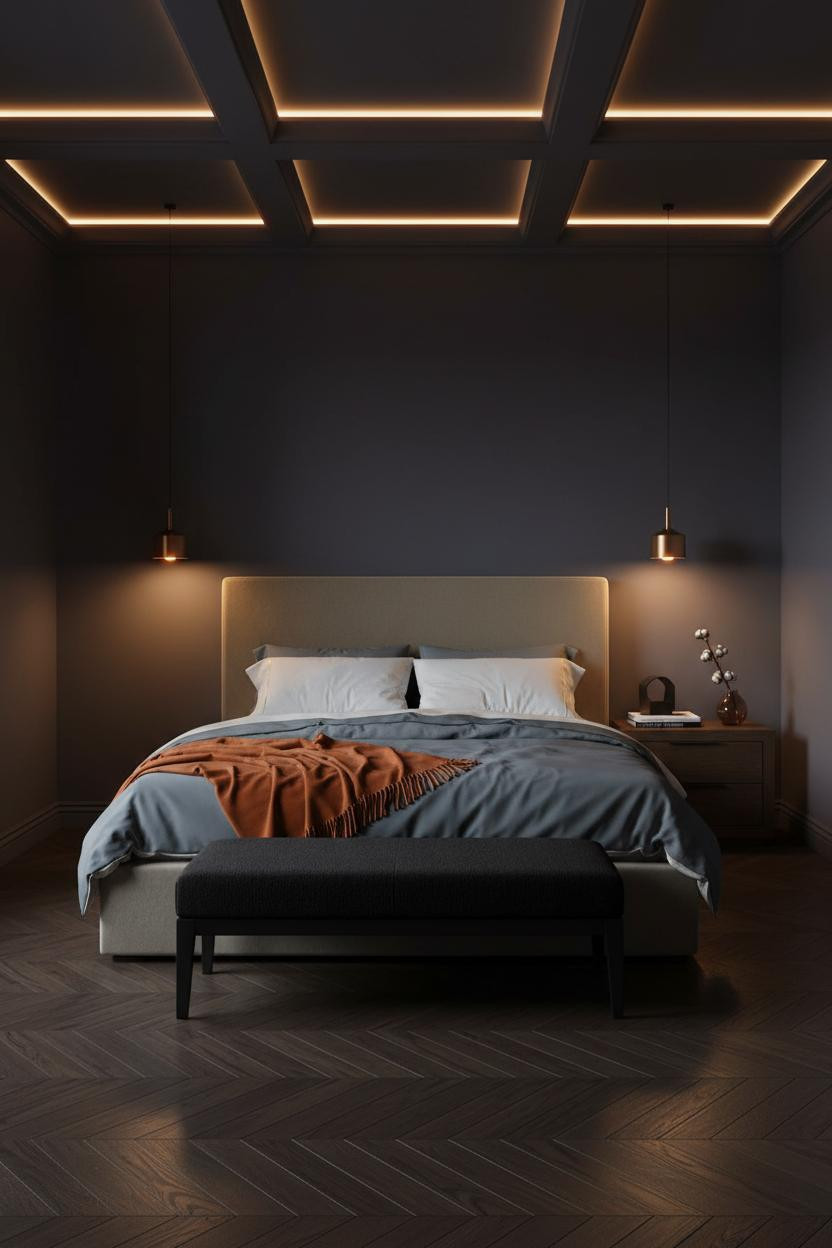

I keep coming back to this kind of room. The darkness doesn't close things in. It actually makes the ceiling feel further away.
Why it holds together: The coffered charcoal plaster overhead creates enough architectural rhythm that the nightstand doesn't need to work as hard. Everything below it just settles.
Steal this move: Pair amber glass on the surface with deep indigo walls. The warm glow against a cool matte finish is immediate.
The Sage Green Wall Treatment Worth Committing To
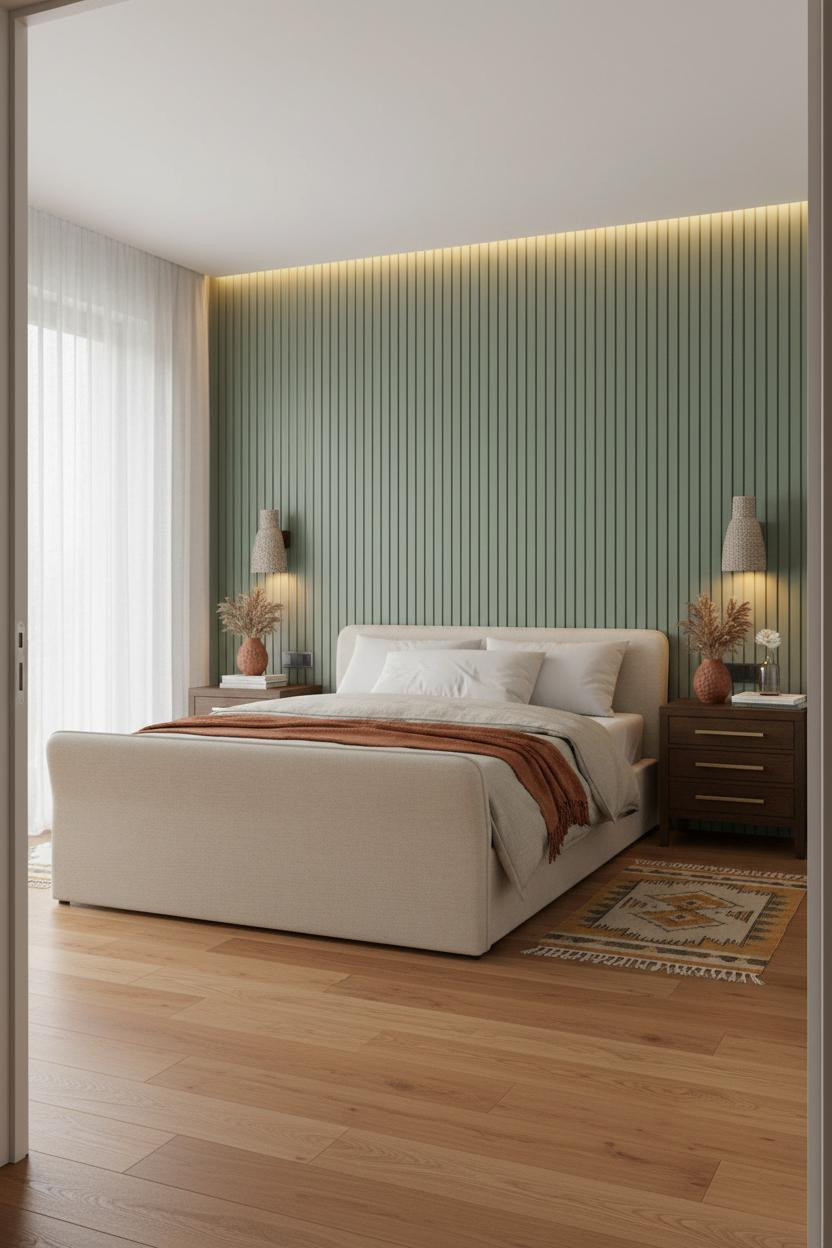

Bold choice. Full-height slatted walls aren't for the indecisive.
But rooms that commit to this kind of surface texture end up feeling designed in a way that paint alone never achieves.
Why it works: Vertical fluted sage planks from floor to ceiling add rhythm that shifts between warm and cool depending on where the light hits, so the nightstand always has something to play against.
Layer a rust linen throw with terracotta ceramics on the surface. The color family does all the connecting for you.
What Painted Brick Does That Drywall Can't
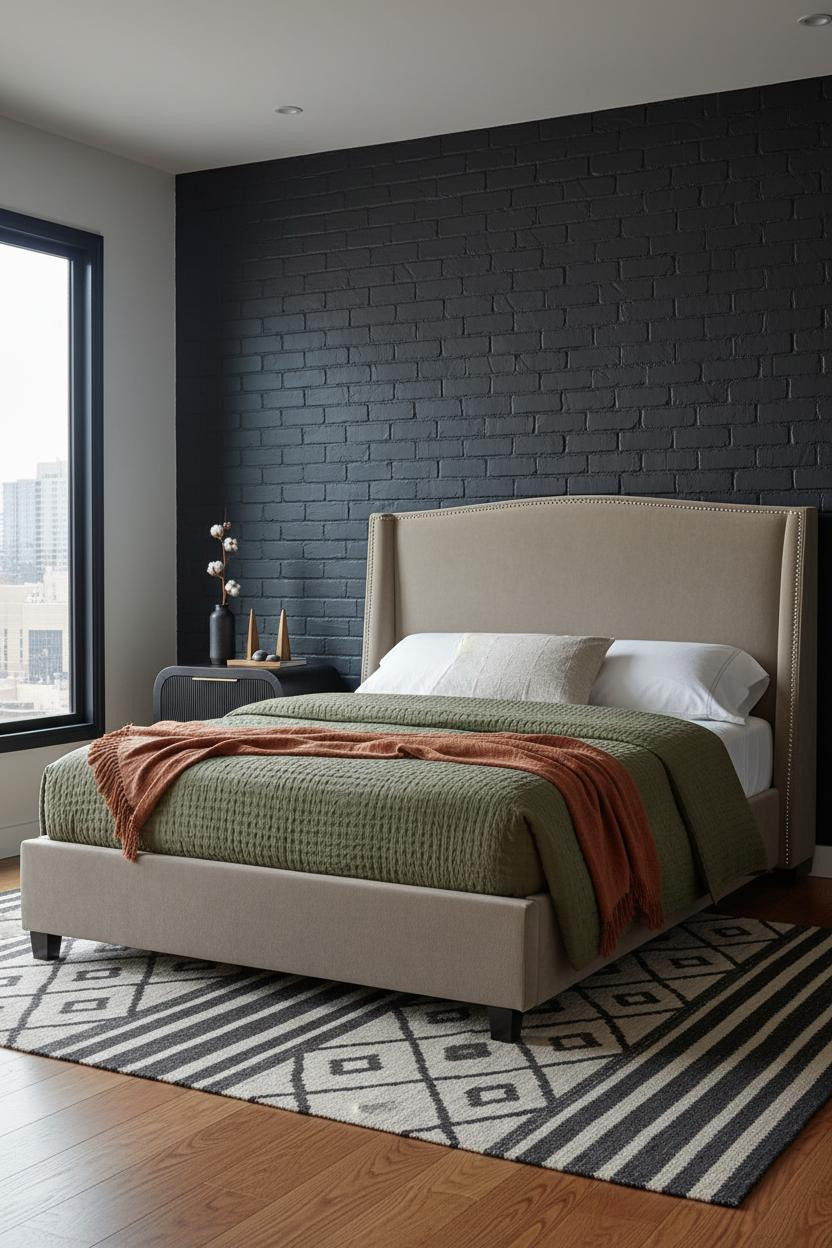
This one is divisive. Deep slate on exposed brick either reads as quiet luxury or a renovation gone wrong. The difference is everything else in the room staying simple.
The hairline mortar shadows between each course give the wall natural texture even under flat, diffused light. That kind of depth costs nothing to keep once you have it.
Lean into matte black for the nightstand finish. The easy win: it pulls from the brick's grey tones while the honey floor keeps it from feeling cold.
The Morning Room Nobody Wants to Leave
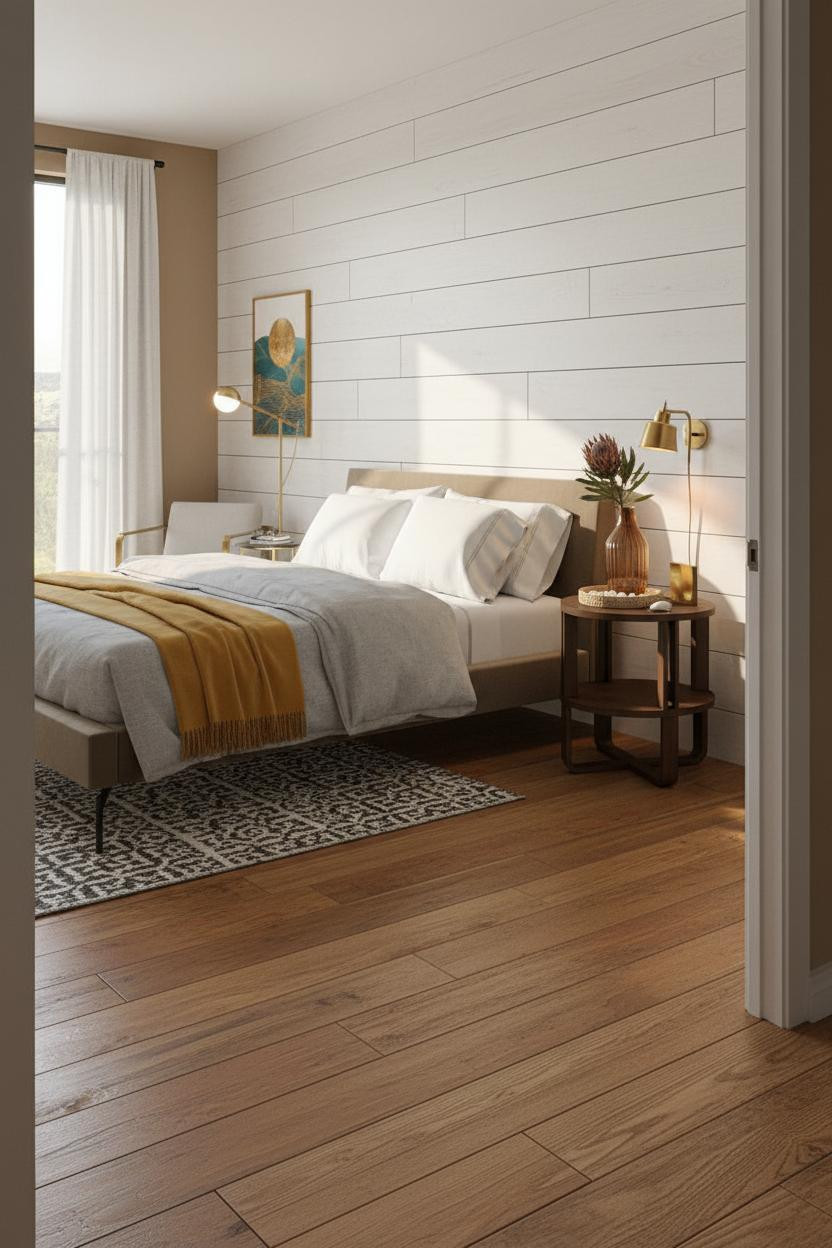


There's something about south-facing morning light hitting whitewashed shiplap that makes a room feel bigger than it is. Nothing too precious here.
What carries the look: Each plank catches raking light in shallow relief, so the wall does the decorating while the nightstand holds just a few honest objects. That contrast is the whole point.
A brass sconce mounted directly beside the nightstand (not overhead) keeps the warmth local and grounded. Avoid this mistake: don't mix silver or chrome hardware in a room this warm.
Urban Industrial Done Without the Cold
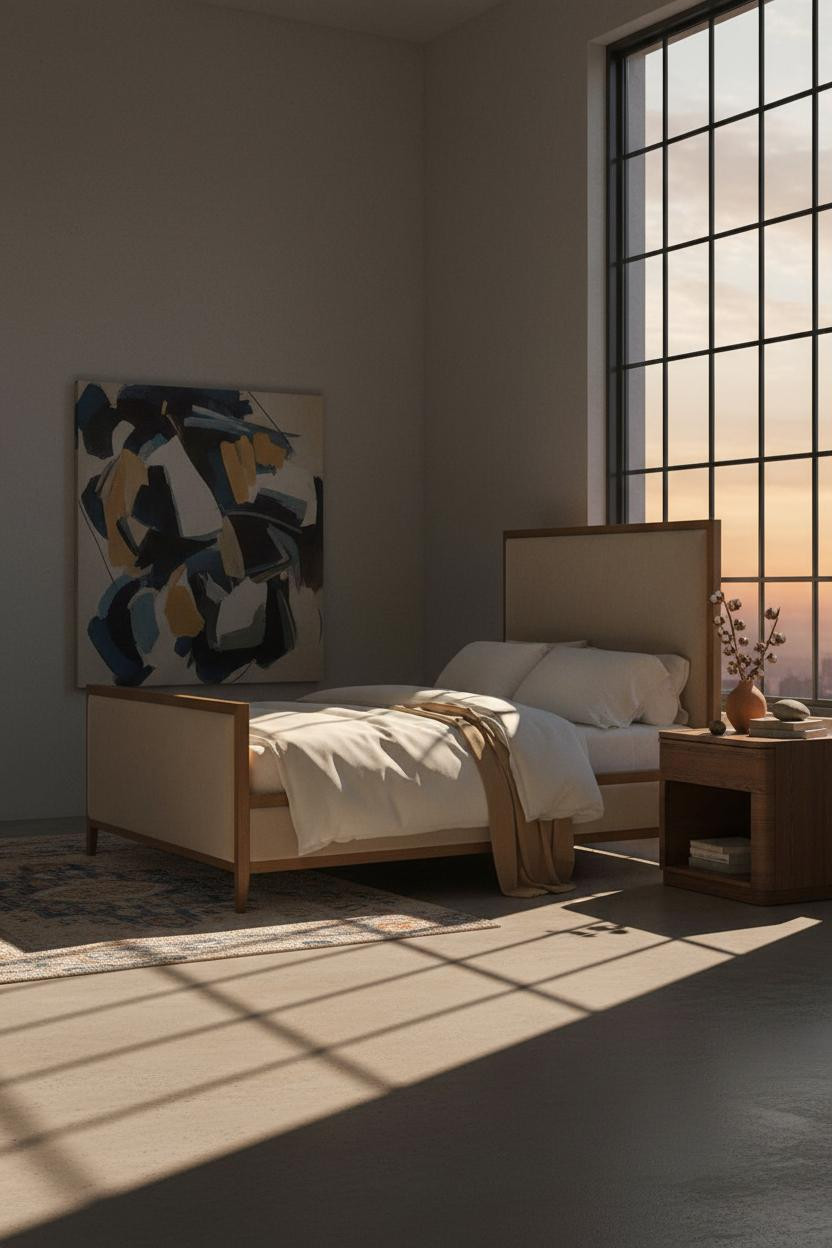

Honestly, most industrial-style bedrooms I see go cold. This one doesn't, and the reason is the nightstand surface.
What changes the room: Warm amber sunset light cuts diagonally across polished concrete flooring, so the stone grey walls read warm rather than clinical. The nightstand catches that glow and holds it.
Stack worn paperbacks on a wooden tray rather than a ceramic one. The finishing layer: a camel wool throw draped off the edge keeps the tactile softness from disappearing into all that grey. If you want to see how this approach works across a full room layout, this organic modern bedroom roundup handles it well.
Wainscoting That Makes the Nightstand Feel Framed
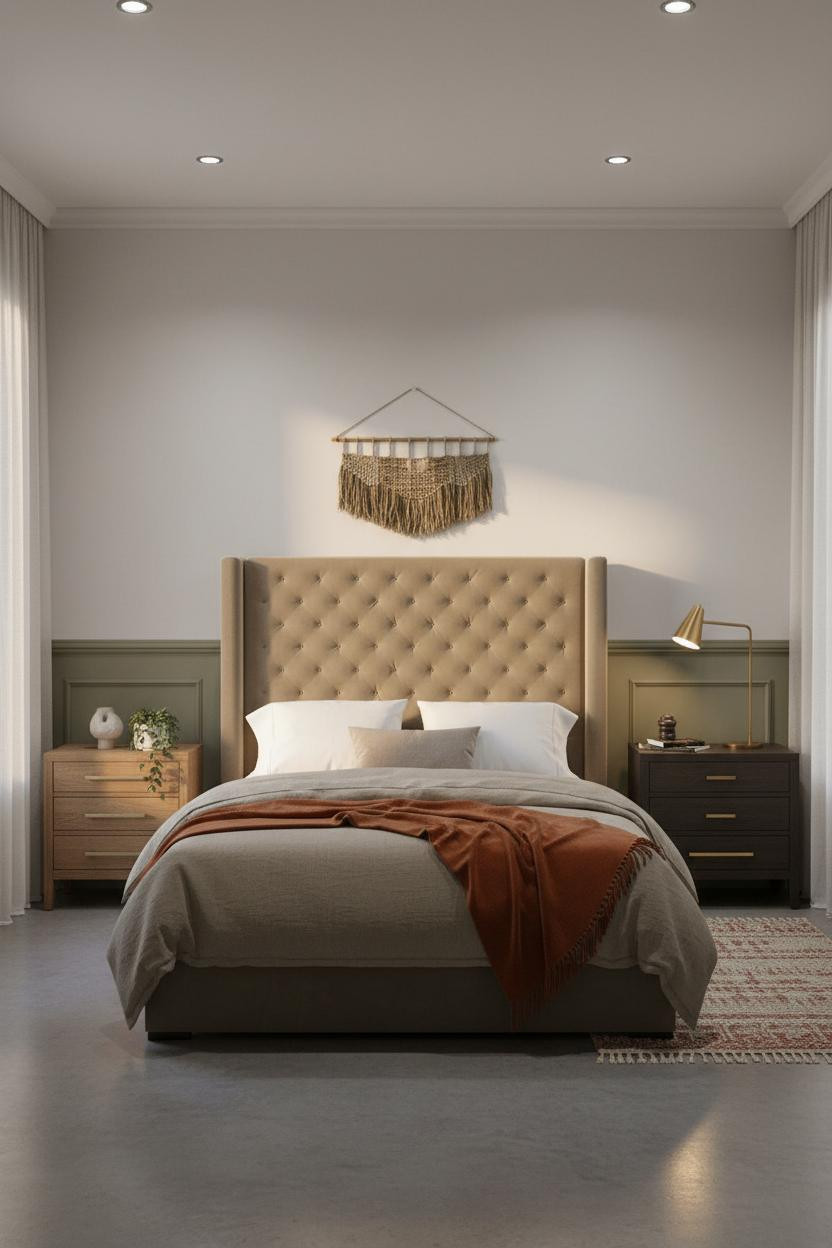

I almost scrolled past this one. Glad I didn't.
Why it feels intentional: The olive cap rail creates a clean horizontal divide at mid-wall, and the pale plaster above it catches diffused light in a way that makes the nightstand feel set into the room rather than just placed in it. Two tones, one surface. That's the whole trick.
A trailing plant on the lower shelf keeps the botanical angle from feeling too styled. Just enough life, while still feeling curated.
MCM Rooms That Age Better Than Almost Any Other Style
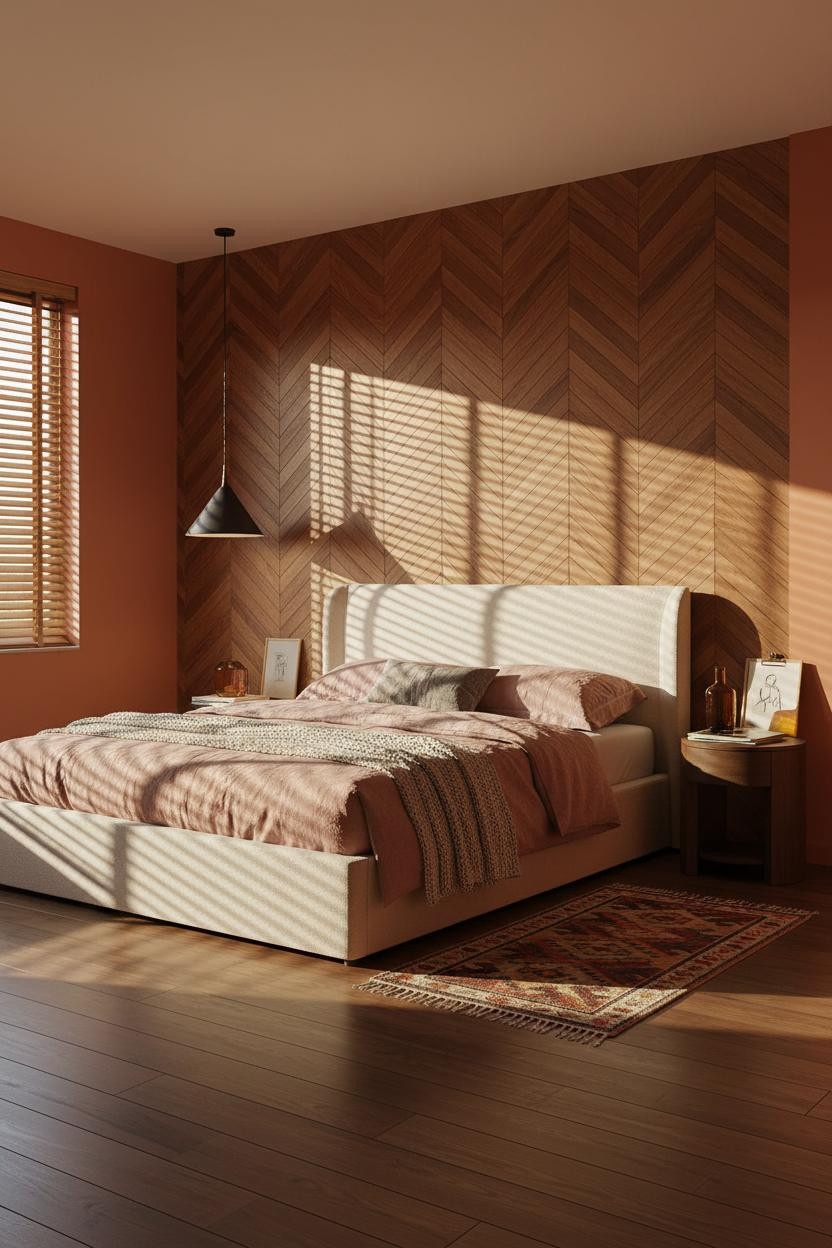

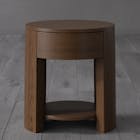
Terracotta walls with a herringbone walnut accent wall behind the bed shouldn't be as timeless as it is. But somehow it always looks right.
Why it looks custom: The diagonal grain pattern in the walnut catches afternoon light in a graphic, shifting texture that flat paint simply can't replicate. The room feels textured even in photos taken at midday.
Stack a few vinyl records on the nightstand surface rather than books. Pro move: objects with actual age and provenance read differently than anything bought new. For more rooms built around this kind of layered warmth, these unique bedroom designs are worth a look.
How Rough Plaster Turns a Nightstand Into a Feature
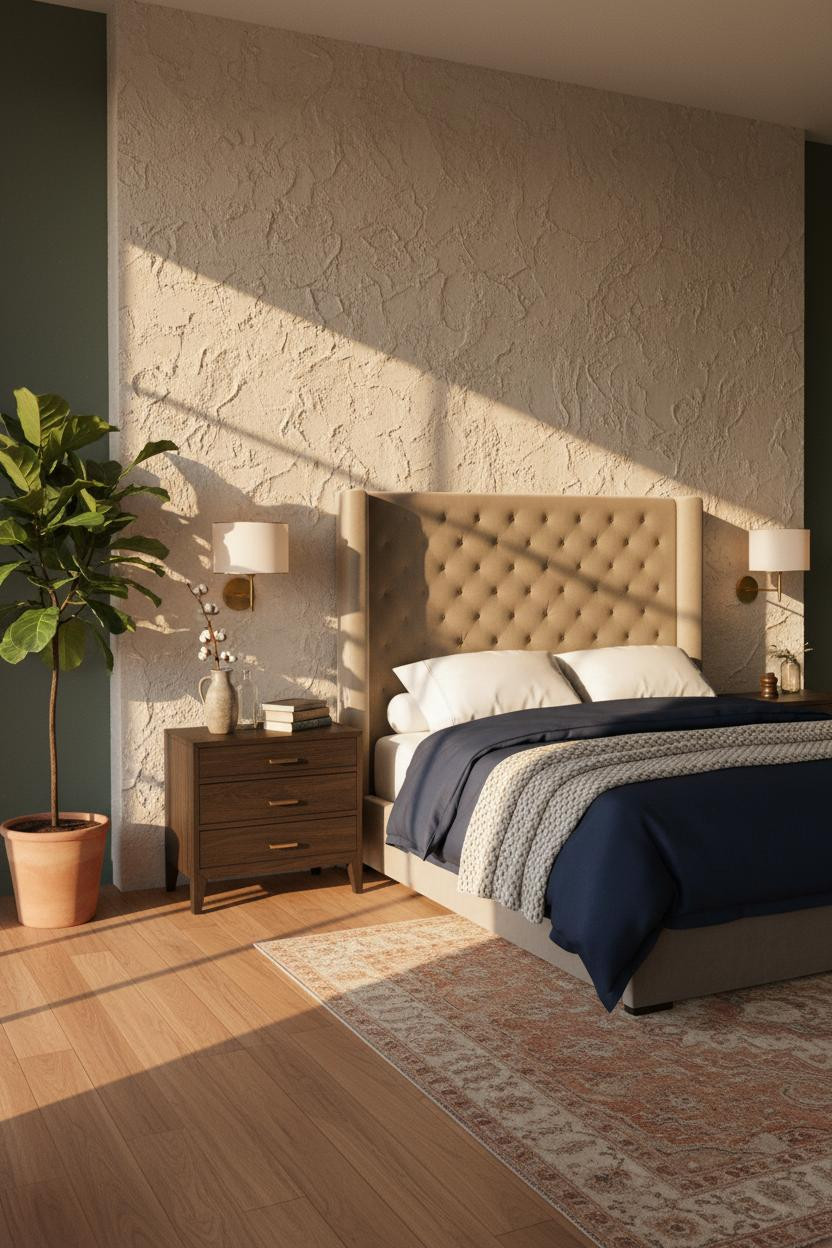
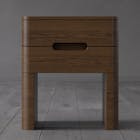
Fair warning. Raw plaster walls only look refined if the rest of the room stays genuinely quiet. One piece too many and it tips into rustic-kit rather than rustic-real.
The room feels lived-in and intimate here because the rough-cast plaster surface catches raking warm light in ridges, which means the texture shifts visibly throughout the day. No two hours look exactly alike.
Where to start: Lean ceramic and worn paperbacks on the surface. Skip anything too geometric or shiny. The brass detail catches the light on its own.
Why Coastal Rooms Look Best When They Don't Try
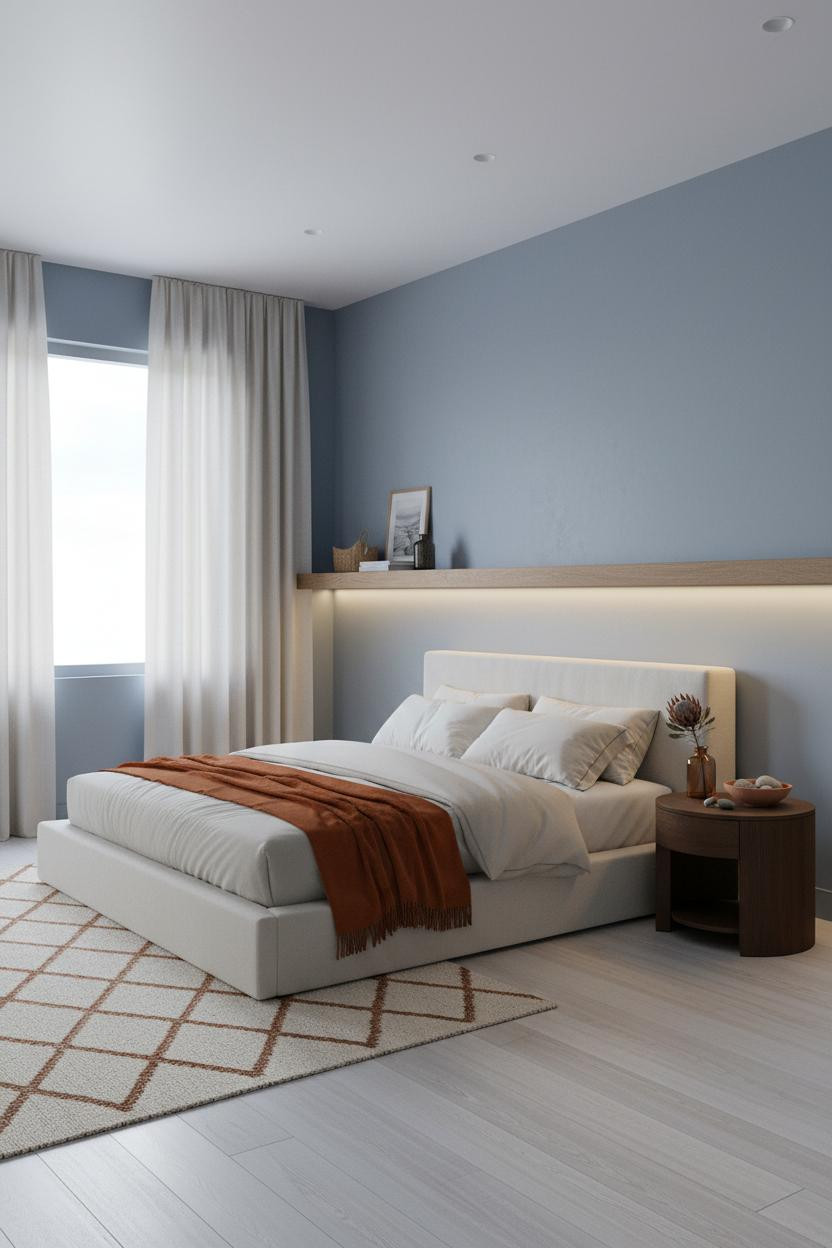
This is the kind of bedside table aesthetic that works because it doesn't announce itself. The room feels calm and cohesive because nothing competes.
What gives it presence: A natural oak floating shelf at bedside height casts a clean underbelly shadow on the dusty blue wall, creating a graphic line that anchors the nightstand without framing or hardware. Simple, but specific.
A woven basket on the shelf and a terracotta bowl on the surface keep the material story consistent. Don't ruin it with anything lacquered or overly glossy. This look only works if the finishes stay soft. Coastal rooms built around this kind of restrained palette tend to age the best.
Japandi Rooms That Earn Their Calm
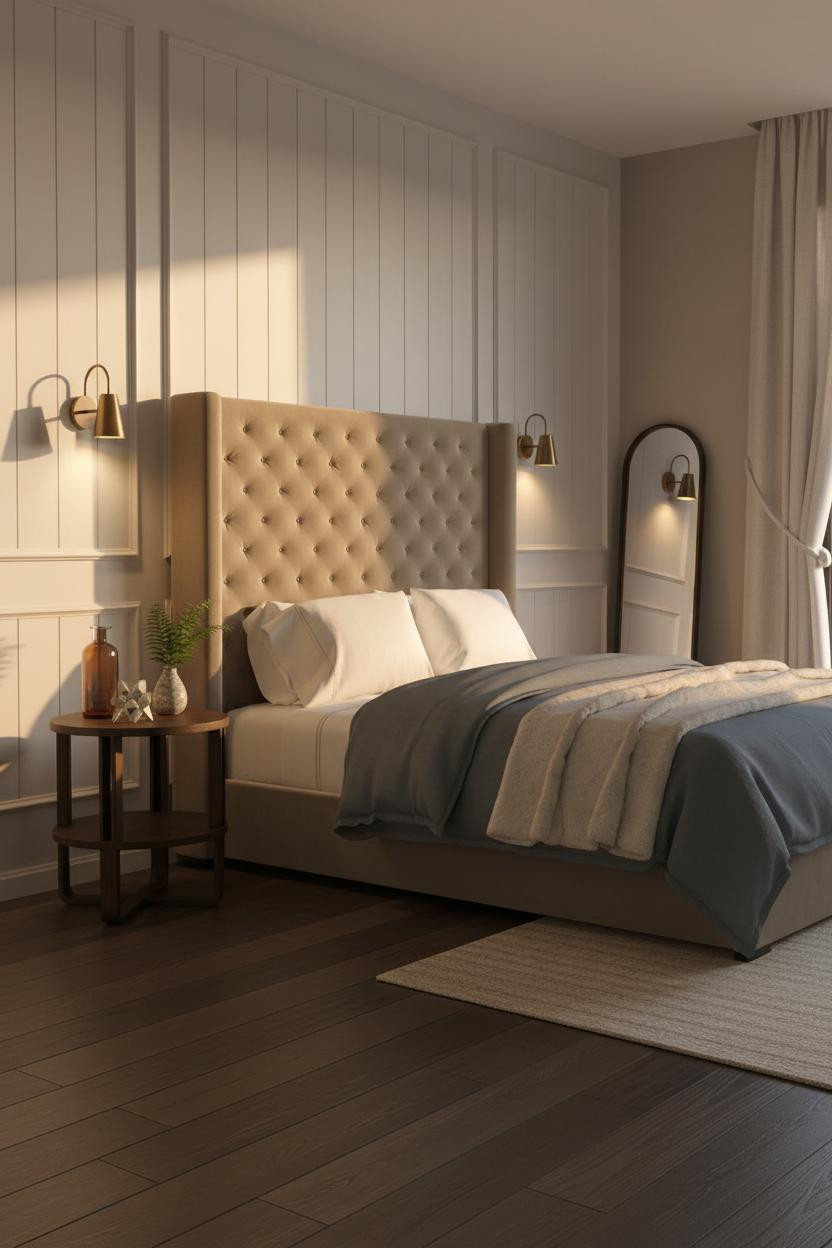
Nothing extra. That's the point.
And somehow that restraint makes every object on the nightstand surface matter more. The board-and-batten white planks behind the bed catch warm raking light in vertical shadow lines, framing the whole setup without any artwork or hardware needed. Paired sconces do the rest.
The smarter choice for a Japandi scheme is going lower with furniture and letting the wall treatment carry the visual weight. A small potted fern adds just enough life. A headboard guide like this one on headboard design is useful if you're figuring out how the bed itself fits into the wall treatment.
Upgrade: Full Saatva Mattress Collection
| Saatva Classic | $1,395+ | Shop |
| Saatva Contour5 | $1,595+ | Shop |
| Saatva Zenhaven | $1,895+ | Shop |
When a Morning Room Gets the Nightstand Right
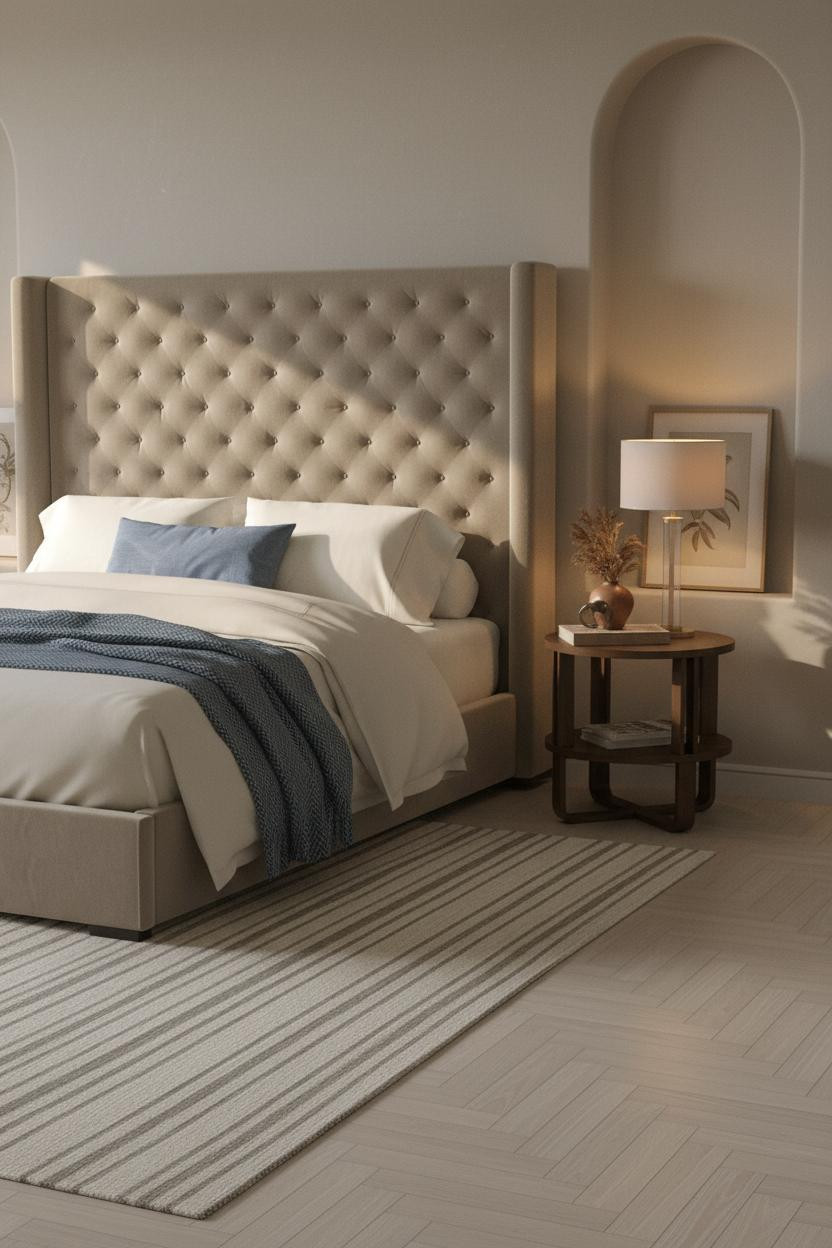
A recessed wall niche is one of those architectural details I wish more rooms used. It makes the nightstand feel set into the house rather than placed in front of it.
What creates the mood: The smooth natural plaster alcove catches cool morning daylight at its curved edges while the bedside lamp pools warm amber directly onto the surface below, so the display always has natural contrast. Two light sources doing two different jobs.
Keep objects on the tray loose. A bronze sculpture, a dried grass bundle in terracotta, one framed sketch. Where people go wrong: overloading the niche with symmetrical pairs. Let it feel collected rather than decorated.

Our #1 Pick
Saatva Classic Mattress
America's best-selling online luxury innerspring. 365-night trial, lifetime warranty, free white glove delivery.
Shop Saatva Classic
The Foundation Of Every Beautiful Bedroom
Walls get repainted. Nightstands get swapped. But the mattress stays, and it shapes how the whole room feels to actually be in.
The Saatva Classic is built around dual-coil support that holds its structure long after the room around it has been redecorated twice. The Euro pillow top is soft in a way that holds up rather than bottoms out, and the breathable organic cotton cover doesn't trap heat through the night.
It's the kind of bed you make in the morning and feel good looking at. Start with the mattress. The nightstand figures itself out.

Every room in this list works because someone made a deliberate choice about what stays and what goes. The nightstand is almost never the star. But when it's right, the whole room settles. Good design ages well because it's made well.