
 by
by Our #1 Recommended Mattress
Saatva Classic. From $1,095
365-night trial · Lifetime warranty · Free white-glove delivery
The coffee table has always anchored a living room, but in 2026, the best center tables are doing something more ambitious than anchoring. They are becoming the visual and emotional center of the room, the piece that establishes the entire design language before anything else. A sculptural center table is not simply furniture. It is a statement of taste, material knowledge, and willingness to invest in an object that will be looked at far more than it will be used in any conventional sense.
Why the Coffee Table Is Having a Moment
Living rooms are being designed to feel more restorative and personal in 2026, with fewer pieces that do more and look better doing it. The shift makes the coffee table more important than ever, because in a room with fewer objects, each object carries more weight. When the sofa is clean-lined and the walls are neutral and the rug is quiet, the center table is the element that does all the visual talking. Design publications including Elle Decor's 2026 furniture trend report highlight sculptural curves, artisanal quality, and a return to darker woods and expressive grain as the defining characteristics of the best new furniture. All three of these trends converge most visibly and most powerfully in the coffee table category.
Organic and Sculptural Shapes: The 2026 Dominant Trend
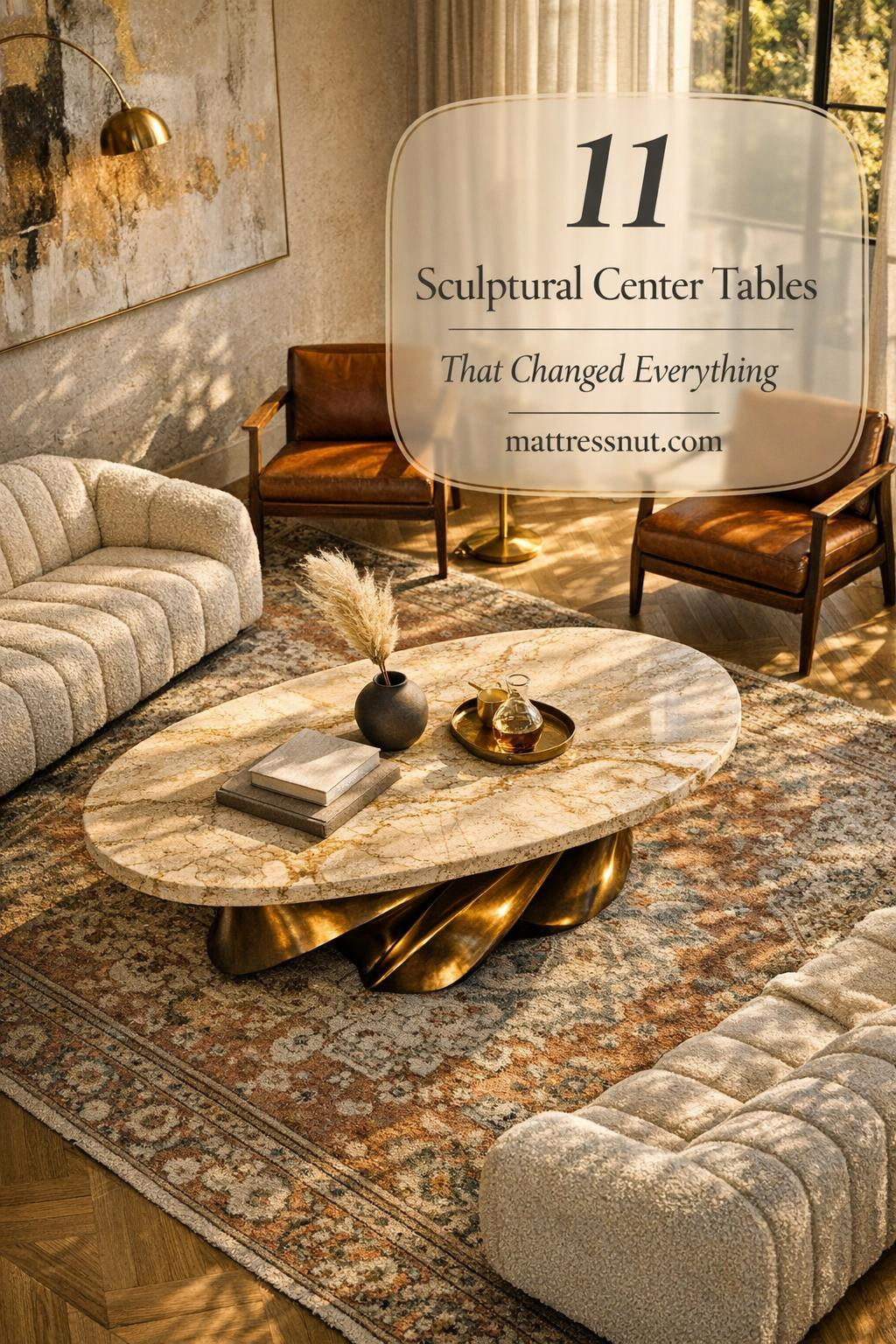
One of the strongest trending coffee table forms in 2026 is organic and sculptural shape. These tables soften the look of a room with gentle curves and fluid forms, and they often appear like art rather than simple furniture. The dominant trend continues the curve movement of previous years but makes it even more organic and artistic. There is a clear shift toward freehand artistry and irregular silhouettes that evoke a sense of carefully placed river pebbles or hand-carved wood rather than mass-produced geometry.
Asymmetrical lines, irregular ovals, and soft, voluptuous edges that bring a sense of natural human-friendly flow to the center of a living room are the forms that define this category. These shapes work against the hard geometry of most room architecture, creating a visual conversation between the right angles of walls, floors, and ceilings and the organic flow of the table form. That conversation is what makes a sculptural coffee table feel alive in a room rather than simply present in it.
Marble: The Material That Never Stops Being Right
Marble coffee tables continue to dominate in high-end interior design in 2026. Marble is visually complex, with veining that creates a different composition from every angle and in every light condition. It is physically cold to the touch, which creates a sensory experience that no painted surface or synthetic material can replicate. And it ages in ways that are genuinely beautiful rather than simply the evidence of wear. Travertine, marble, and quartz tops in architectural, monolithic plinth forms remain the key investment pieces in this category. The love affair with statement stone coffee tables is stronger than ever.
Honed finishes, which are matte rather than polished, are gaining ground over high-gloss polished marble in 2026. The honed surface shows the material's natural texture and color more accurately than polishing, which creates a glass-like reflectivity that can read as cold in some living room contexts. A honed travertine or marble top in warm cream or pale honey tones is particularly beautiful paired with dark wood or brass structural elements below it.
Walnut and Dark Wood: Warm, Serious, Beautiful
Rich walnut wood paired with clear glass or brass creates a high-end gallery feel. The geometric base of a well-crafted walnut coffee table is sculpture you can actually use. Live-edge walnut tables, where the natural edge of the slab is preserved rather than squared off, bring the most distinctive and individualistic character to a living room. No two live-edge pieces look identical. The grain variation, the knots, the subtle curvature of the natural edge, all of these imperfections are what make the piece feel warm and collected rather than showroom sterile.
A brass inlay running through walnut grain is a level of craft that reads immediately as exceptional. The metallic line is functional art that happens to hold your morning coffee. This type of detail distinguishes pieces made by individual craftspeople from manufactured furniture and is worth the significant price premium it commands in the current market for genuinely artisanal furniture.
Brass and Mixed Metals: Material Complexity
Mixing brass with aged copper creates an eclectic vibe that feels curated over years rather than assembled in a single shopping trip. The smoked glass top adds mystery and visual depth that clear glass does not provide. Copper develops a gorgeous greenish patina over time, a living finish that tells a story and changes year over year in ways that manufactured aging cannot replicate. Brushed brass finishes are particularly forgiving with fingerprints, which means a brass-based coffee table actually stays looking good in daily use without constant cleaning.
Art Deco geometric lines in brushed brass make a contemporary statement that references the 1920s without costume theater. The rectangular marble top paired with an angular brass base keeps the design grounded while the geometry of the base provides the visual interest. This combination works particularly well in rooms with strong architectural character where a more organic form might compete with the existing geometry of the space.
Travertine and Natural Stone: The Alternative to Marble
Travertine has emerged as a significant alternative to marble in the sculptural center table category, partly because its more uniform, matte surface is more forgiving in daily use than the high-polish surfaces of classical marble, and partly because its warm cream and honey tones work across a wider range of room palettes than the cooler white and gray tones of Carrara marble. The natural pitting and texture of travertine, which is typically filled in finished architectural applications, can be left unfilled in furniture pieces to create a more raw, natural aesthetic. An unfilled travertine top has a complex surface texture that changes with light angle and looks genuinely different in morning sun versus evening lamp light.
How to Style a Sculptural Center Table
A sculptural coffee table works best when the surrounding space gives it room to breathe. Let the piece take center stage by pairing it with low-slung seating or clean-lined sofas. Avoid overcrowding the table surface. One or two curated objects, a ceramic bowl or a design book, are enough to accent without distracting from the table's own visual contribution. Stack a few art books with interesting spines. Add a ceramic bowl or tray in a complementary tone. A single candle. Maybe a small sculptural object that references the shape language of the table itself. The marble or walnut grain veining adds so much natural visual interest that you do not need to pile on tons of decor.
For layered interest, contrast the material of your table with your rug or flooring. Place a smooth travertine or marble table over a textured wool rug, or pair dark wood against polished concrete. These material contrasts create the depth and visual richness that make a room feel designed rather than assembled from separate decisions made at different points in time.
Sizing and Proportions: Getting It Right
Coffee table sizing is one of the most commonly misjudged decisions in living room design. The standard recommendation is a coffee table that is approximately two-thirds the length of the sofa it faces. So an 84-inch sofa would ideally be paired with a coffee table of approximately 56 inches in length. The table should sit 16 to 18 inches from the front of the sofa, which is the comfortable reach distance for most adults when seated.
Height matters as much as footprint. Most coffee tables sit 16 to 20 inches from the floor, which places the surface approximately at sofa seat level. Tables that sit slightly lower than sofa seat height, in the 14 to 16 inch range, create a more casual, relaxed feel that suits contemporary and organic room aesthetics particularly well. Round and oval coffee tables are the safer choice for small rooms and households with young children. Square and rectangular tables provide more surface area and look more formal. Organic, asymmetrical forms create the most visual interest but require more space around them to read properly.
Investment and Longevity
A sculptural center table is an investment in the truest sense. The pieces that define this category are not mass-produced, they are not inexpensive, and they are not designed to be replaced. A well-chosen marble or walnut center table should outlast every other furnishing in the room and still look better for the wear it has accumulated over the years. Start with the table that makes you stop scrolling, then build around it. The room that derives its character from a great piece at its center has a different kind of coherence than the room assembled from many equally weighted elements. A sculptural center table gives you the former, and everything else in the room knows its place around it.
Glass Coffee Tables: When Transparency Is the Design Choice
Glass coffee tables occupy a particular design niche that the sculptural trend has not eliminated: the need for a center table that allows the floor and rug beneath it to remain fully visible. In rooms where a significant investment has been made in the floor surface or the rug, a glass-top table allows that investment to remain the visual focus rather than being obscured by an opaque tabletop. The sculptural quality in a glass coffee table comes from the base: an organic brass form, a geometric steel structure, or a sculptural stone plinth supporting a transparent glass plane creates the same formal complexity as a solid stone or wood piece while maintaining visual lightness.
Mixing the Coffee Table With the Room's Design Language
The coffee table does not exist in isolation. It lives at the intersection of the sofa, the rug, the chairs, and the room's primary light sources. A sculptural coffee table that is magnificent on its own can still fail if it is placed in a context that fights rather than supports it. A strongly organic, freeform table reads best in a room that otherwise has restraint and calm as its dominant qualities. A geometric, angular table reads best in a room with strong architectural character and deliberate formal design elements.
The relationship between the coffee table material and the room's other materials is the most important compatibility factor. A marble top that references the marble fireplace surround creates a material rhyme that reads as considered. A brass-legged table that references the brass hardware on the doors or the brass fixtures in the adjacent dining area creates the same kind of quiet coherence. These material connections are the difference between a room that feels like it was assembled thoughtfully over time and one that feels like it was purchased in a single afternoon. The sculptural coffee table that works is the one that feels like it belonged in the room before it arrived.
Where to Find Sculptural Coffee Tables in 2026
The best sculptural coffee tables are found at the intersection of craft furniture makers, architectural salvage specialists, and design galleries rather than in conventional furniture retailers. Independent craft makers producing live-edge walnut tables, studio ceramicists working in travertine and stone, and vintage dealers specializing in 1960s and 1970s sculptural furniture are the primary sources for pieces with genuine individuality and lasting design quality. Platforms like 1stDibs, Chairish, and direct-from-maker marketplaces like Etsy's craft furniture section have dramatically improved access to these kinds of pieces over the last several years. The investment required is real but so is the longevity of the result. A great sculptural coffee table is a once-in-a-decade purchase rather than something you will need to replace when tastes shift or the piece shows wear.
Complete Your Space
Every beautiful room deserves a great night sleep. The Saatva Classic — white-glove delivery, 365-night trial.