

 by
by The first thing you notice in the best blue coastal bedroom is how the light sits differently. It's slower. Quieter. Like the house knows it's near water.
These twelve rooms lean into that. Some are soft and drifty. Others make bold architectural moves. All of them feel genuinely lived-in.
Shiplap That Actually Earns Its Place
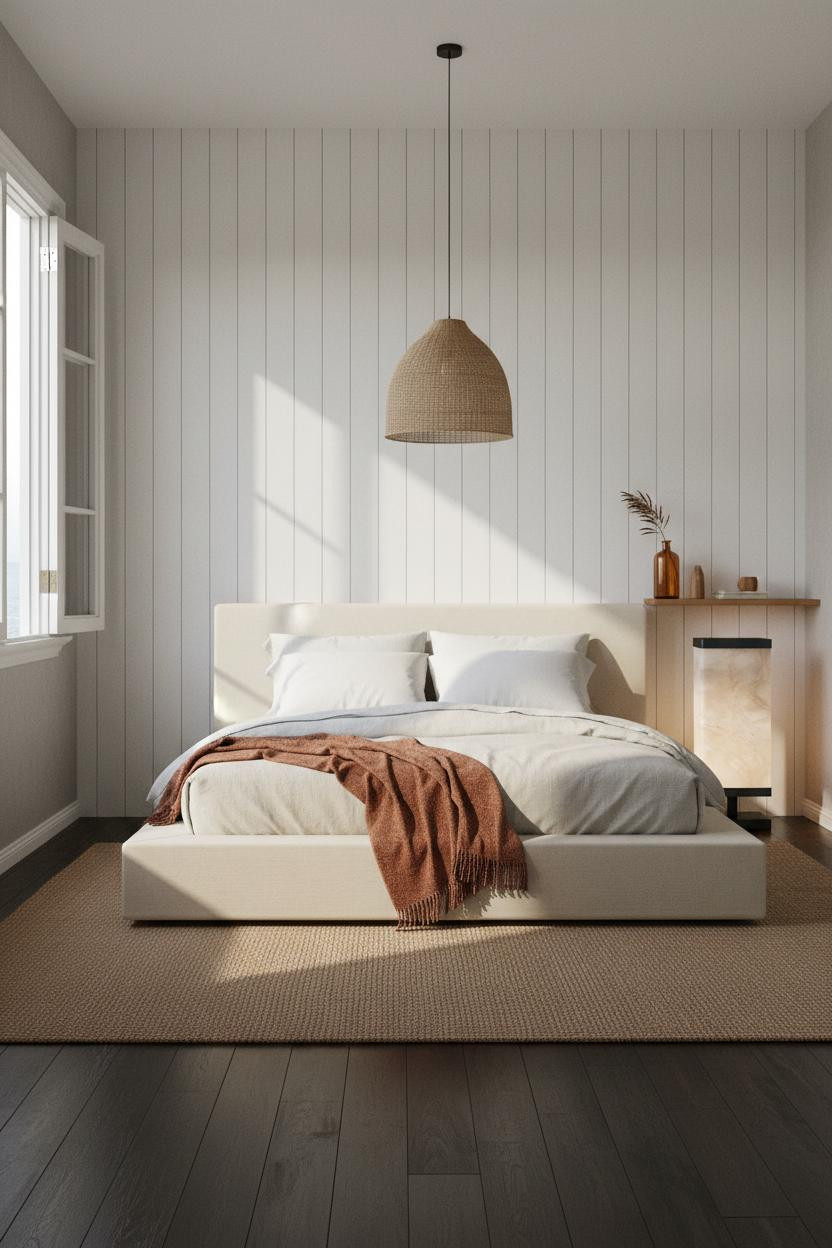


This is the kind of room that makes you want to slow down before you've even sat on the bed.
Why it works: The chalky oyster shiplap catches raking window light and throws fine shadow lines across the wall, giving the whole headboard wall a texture that flat paint simply can't replicate.
Steal this move: Pair the shiplap with a warm antique brass lamp on the nightstand. The contrast between cool wall texture and amber glow is immediate.
Board-and-Batten With a Farmhouse Edge
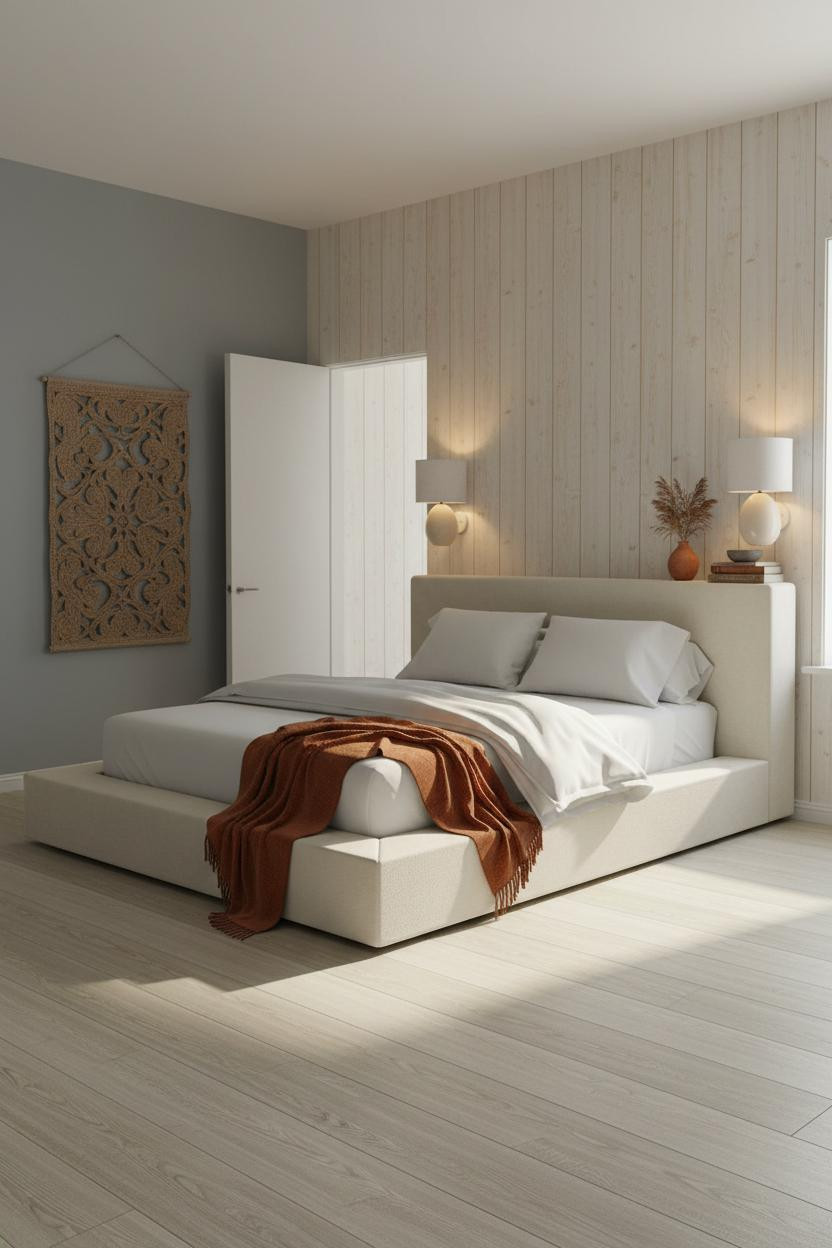

Understated. But in the best way possible.
Board-and-batten running floor to ceiling gives this room its spine. Each vertical batten casts a thin shadow line in diffuse light, and the room feels calm and cohesive rather than decorated.
Worth copying: The reclaimed pale pine flooring keeps things grounded without pulling focus from the wall treatment. Skip the rug here. The bare floor is part of the breathing room.
Coffered Ceilings Change the Whole Conversation
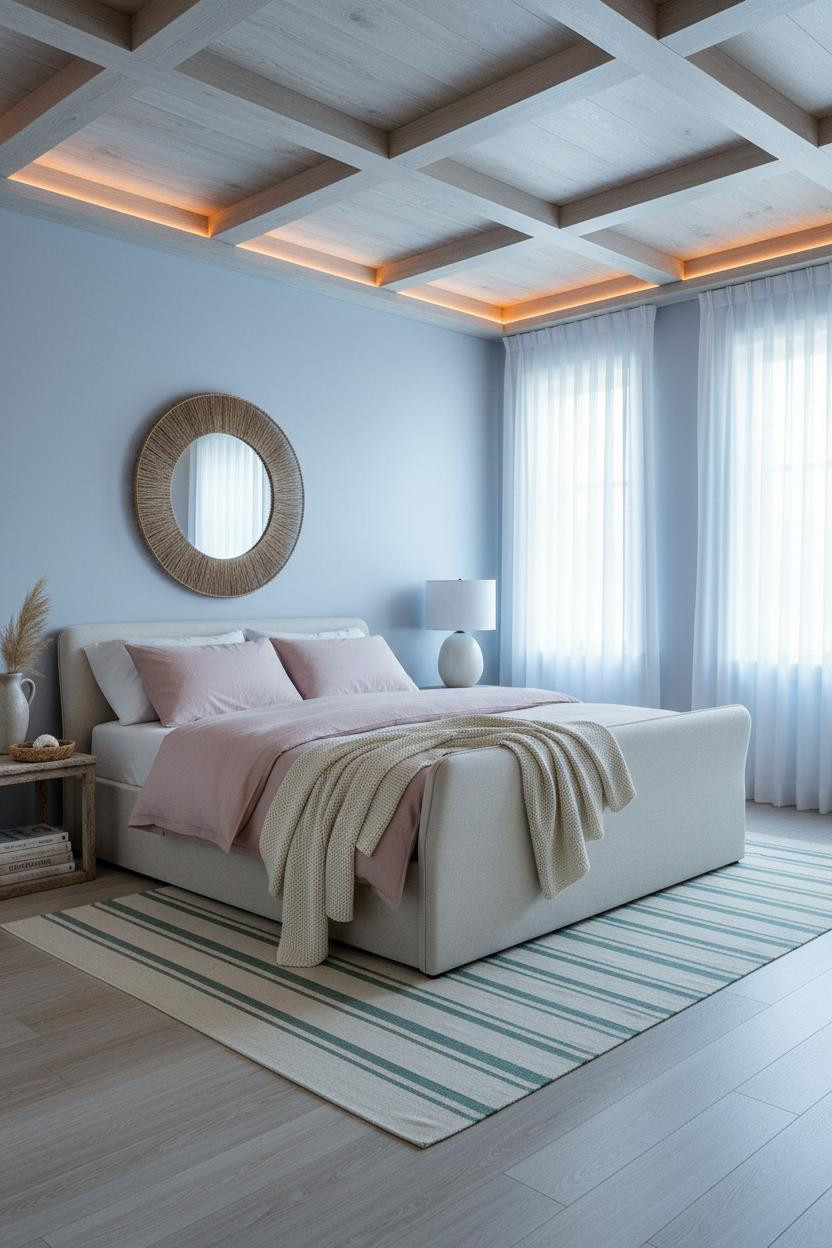

I keep coming back to this one. The ceiling somehow does more work than the walls.
What gives it presence: Recessed bleached oak coffering spans the full width overhead, deep shadow lines running in clean geometric rhythm, making the room feel larger and more considered without a single extra object on the floor.
The smarter choice: Pair soft periwinkle walls with a flat-weave striped linen rug rather than a chunky one. The palette stays coastal without tipping into nautical.
Beadboard Wainscoting Done Right
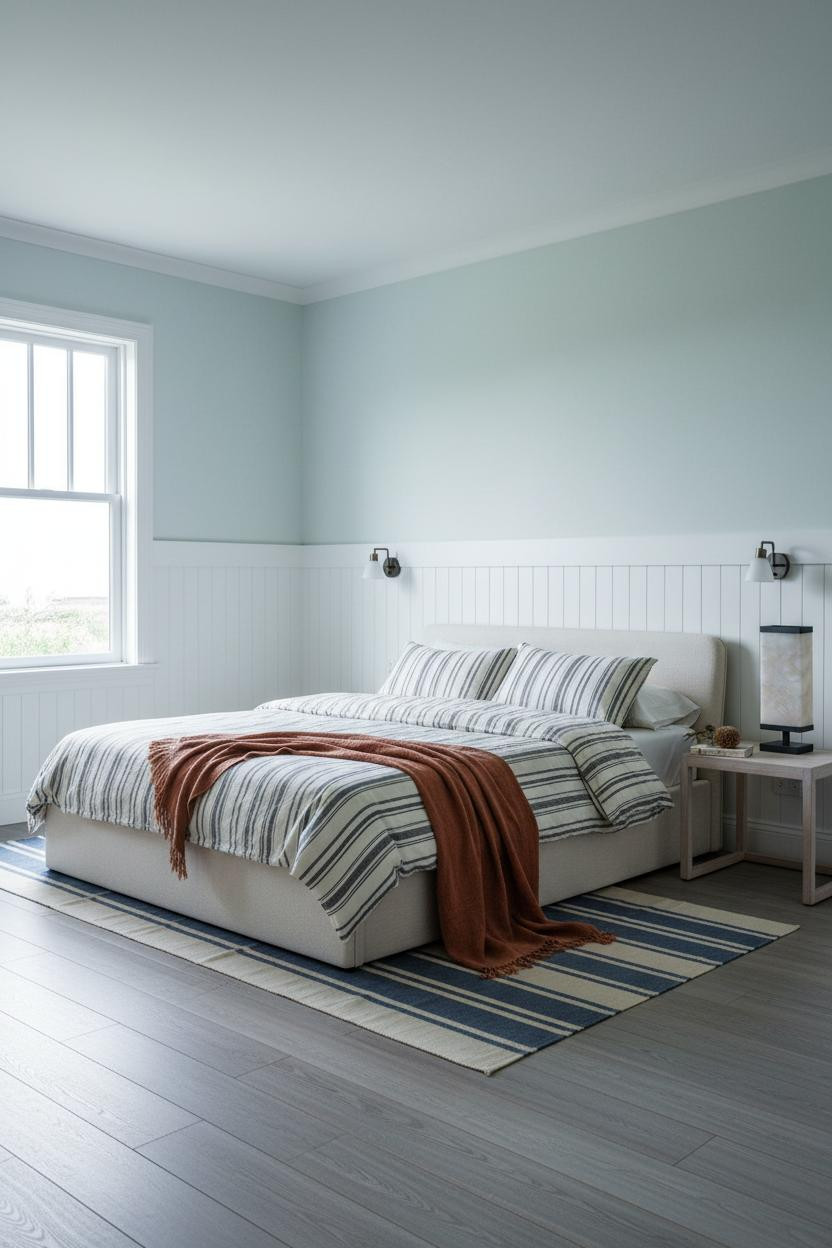
Nothing fancy. That's exactly the point.
Why it lands: Half-height painted tongue-and-groove wainscoting runs the full perimeter, throwing fine vertical shadow lines upward in raking light. The room feels collected rather than decorated, and the aqua wash above the panel line reads softer because of the contrast below.
Avoid this mistake: Don't stop the beadboard at an awkward height. Standard chair rail is too low here. Push it to at least halfway up the wall so it reads as architectural, not afterthought.
The Arched Window That Changes the Whole Mood
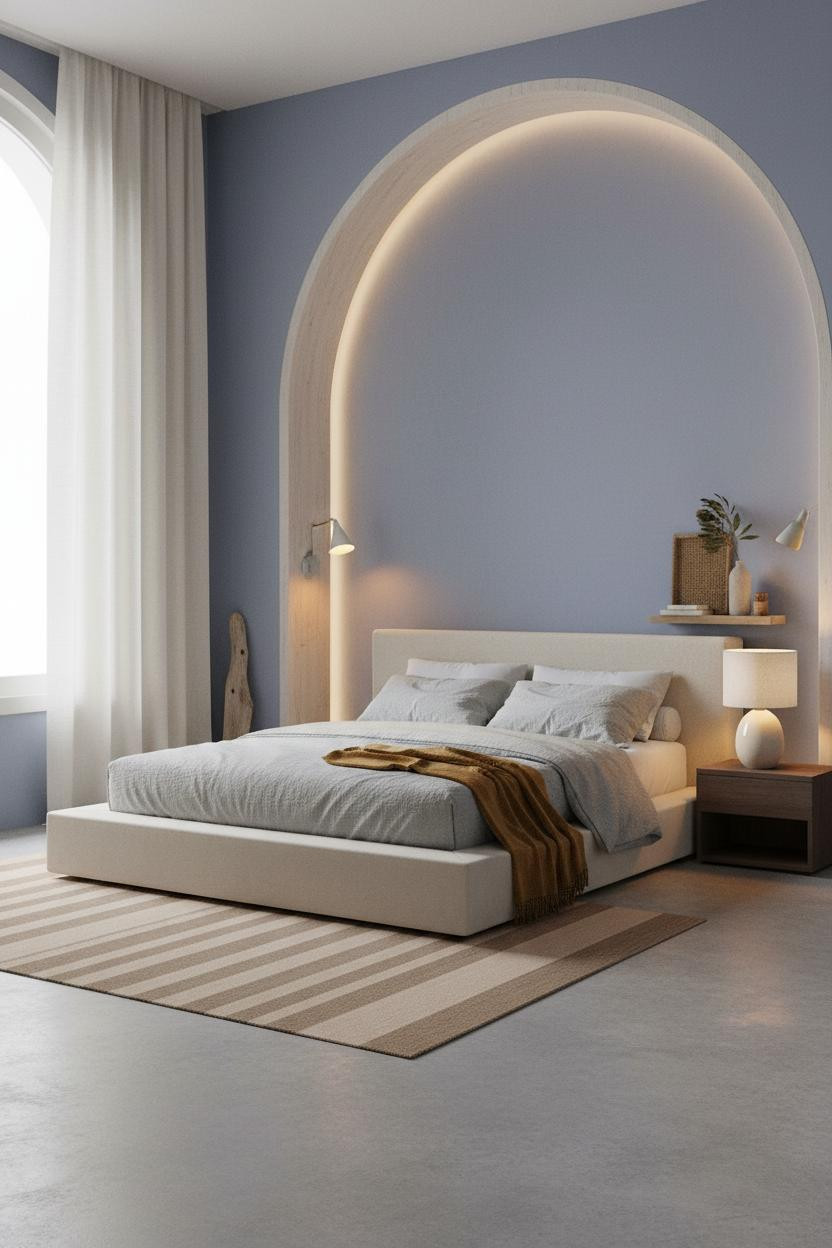
It might seem risky to anchor a bedroom around a single architectural feature, but this pays off completely.
Why it feels intentional: A curved wooden arch frame painted soft white casts slow shadow crescents along its edges in overcast light, giving the dusty periwinkle plaster behind it something to lean against. The arch does the decorating.
The easy win: Floor-to-ceiling ivory linen curtain panels flanking the arch make it feel more dramatic than it is. This kind of Mediterranean coastal bedroom inspiration travels well even in non-coastal climates.
Japandi Coastal Is a Real Thing and I'm Sold
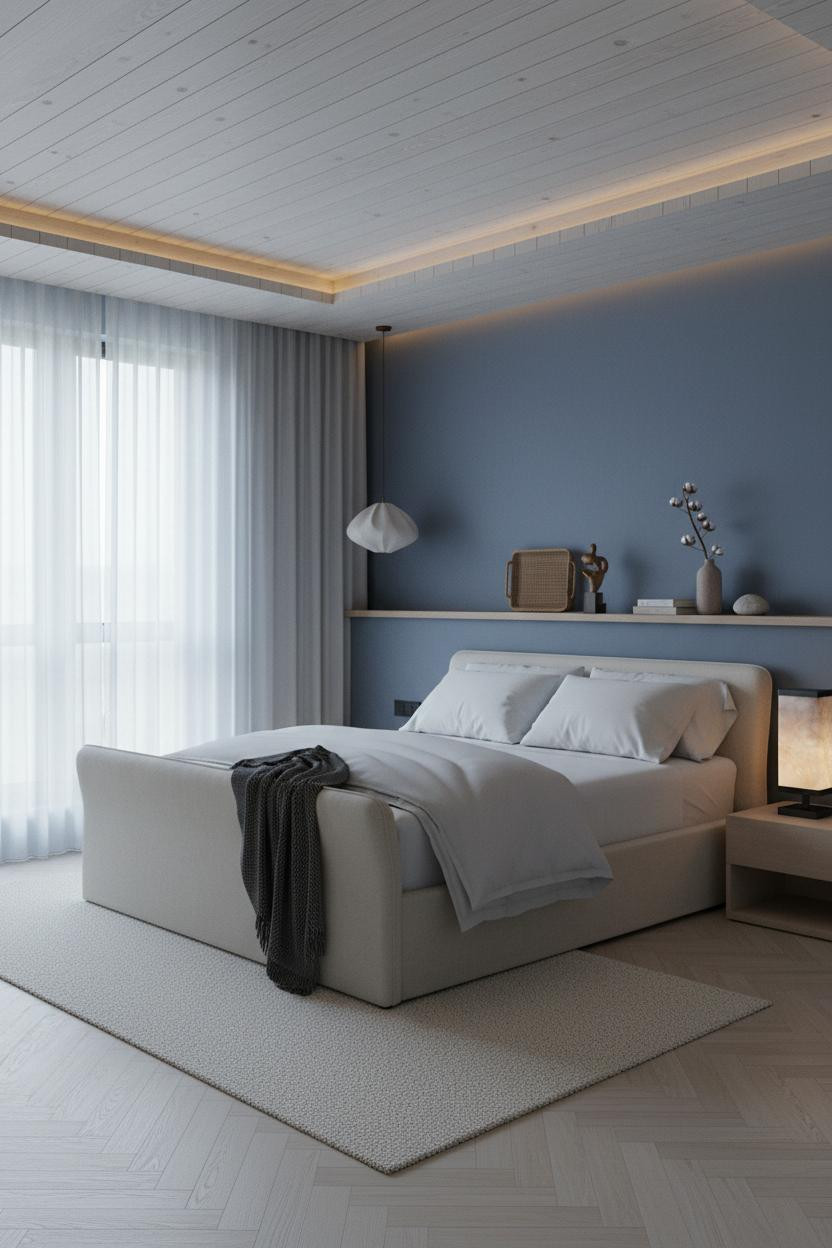
Faded denim walls and a pale bleached pine ceiling tray. It shouldn't feel coastal. But it does, honestly, because of what's missing rather than what's there.
What creates the mood: The recessed pale birch ceiling tray draws the eye inward and upward, so the room feels larger than the footprint suggests, while the faded denim walls keep everything anchored in quiet, lived-in blue.
Pro move: A chunky cream wool rug under the bed zone adds enough warmth to keep the herringbone parquet from reading too spare. Just enough texture to keep things interesting.
The Whitewashed Alcove You Didn't Know You Needed
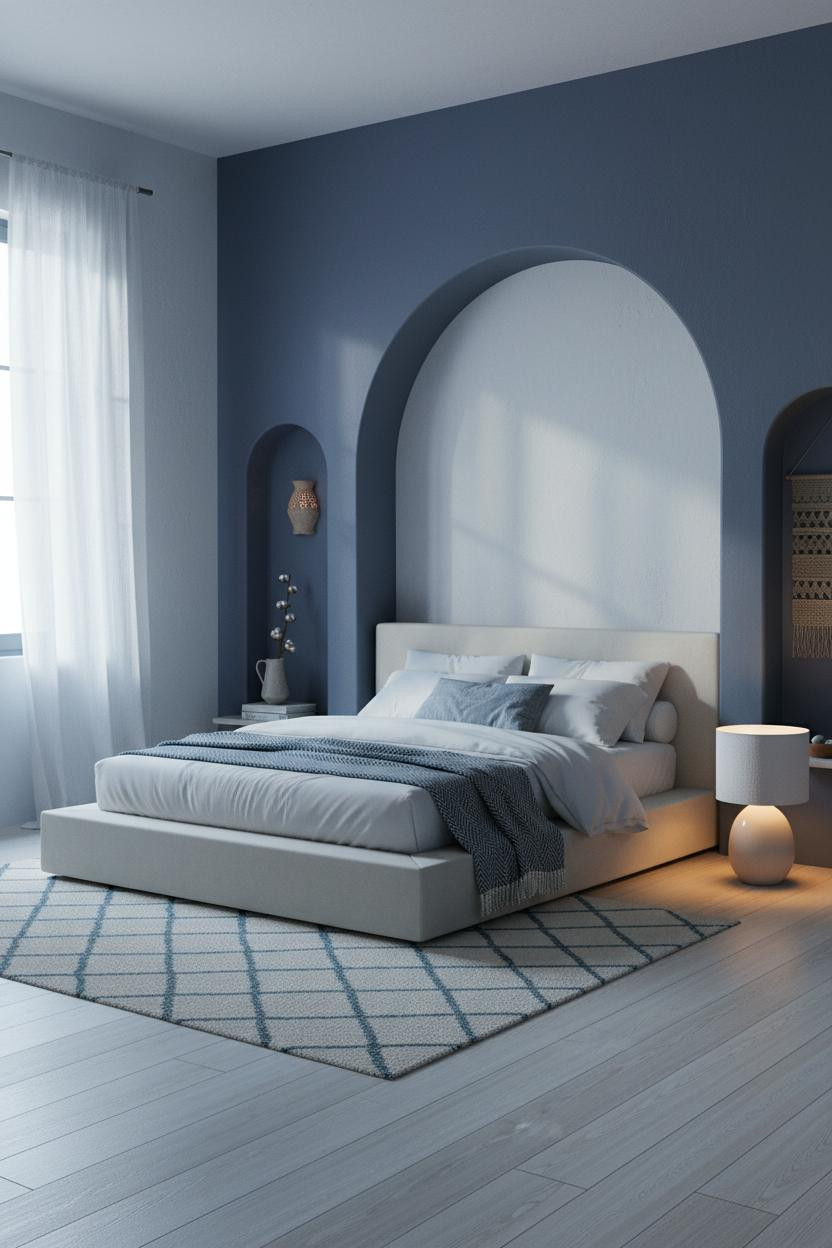
This is divisive. Indigo walls are a commitment. But paired with a carved whitewashed plaster alcove, the room feels warm and intimate rather than heavy.
Why it holds together: The smooth whitewashed alcove interior catches raking afternoon light and pops against the deep indigo surround, giving the headboard wall a focal point that costs nothing extra if you're already doing the plasterwork. And a Moroccan diamond-pattern rug in cream and soft blue keeps the floor from disappearing into the darkness of the walls.
Where to start: Carve the niche first. Everything else layers in around it.
The Vaulted Tongue-and-Groove Ceiling That Quietly Steals the Show
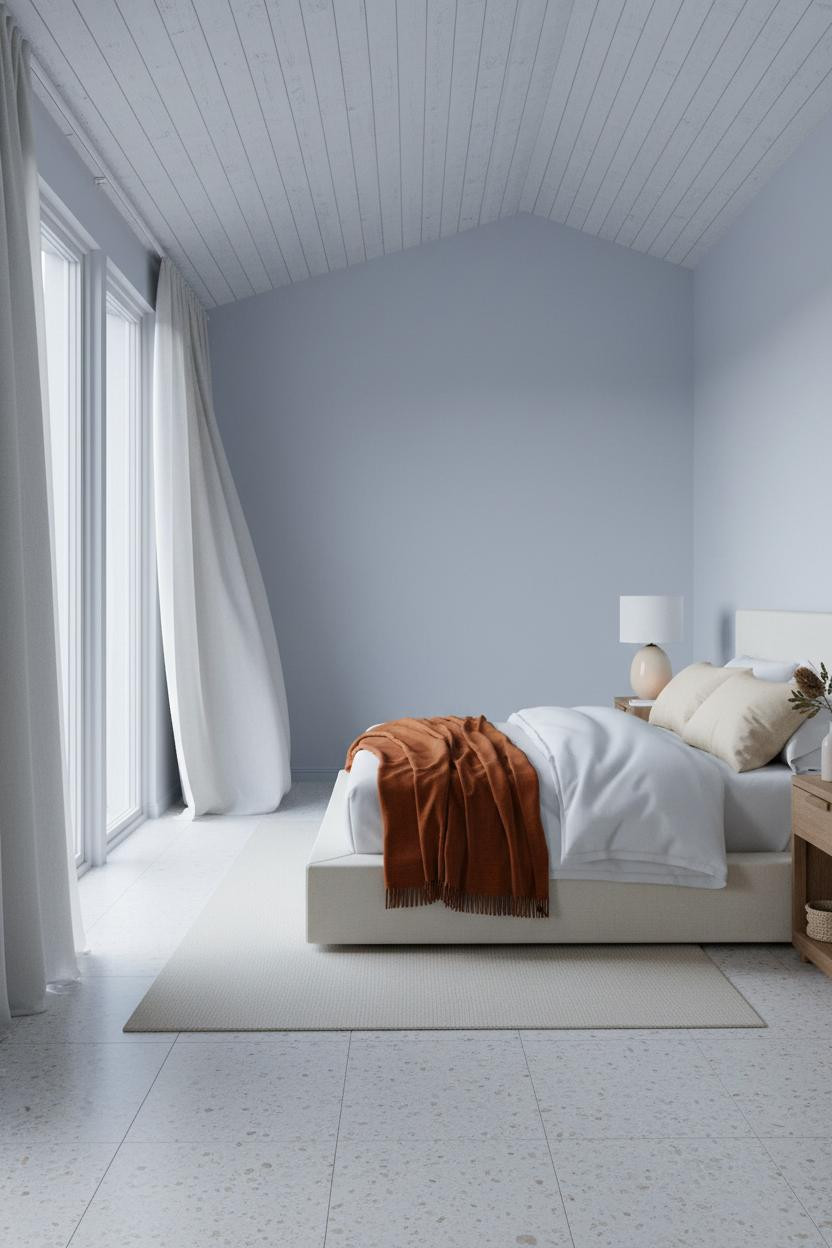
I almost scrolled past this. Glad I didn't.
What carries the look: A shallow-vaulted whitewashed tongue-and-groove ceiling catches diffuse grey-blue overcast light across every plank, the parallel shadow lines reading clean and crisp even at a glance. The powder blue-white walls below feel quieter because the ceiling is doing the talking.
The finishing layer: Floor-to-ceiling ivory linen curtain panels anchor the window wall and give the room a softness that terrazzo floors alone can't provide. The calming effect of blue in a bedroom is real, and this palette makes full use of it.
Cobalt Walls Are Not for the Faint-Hearted
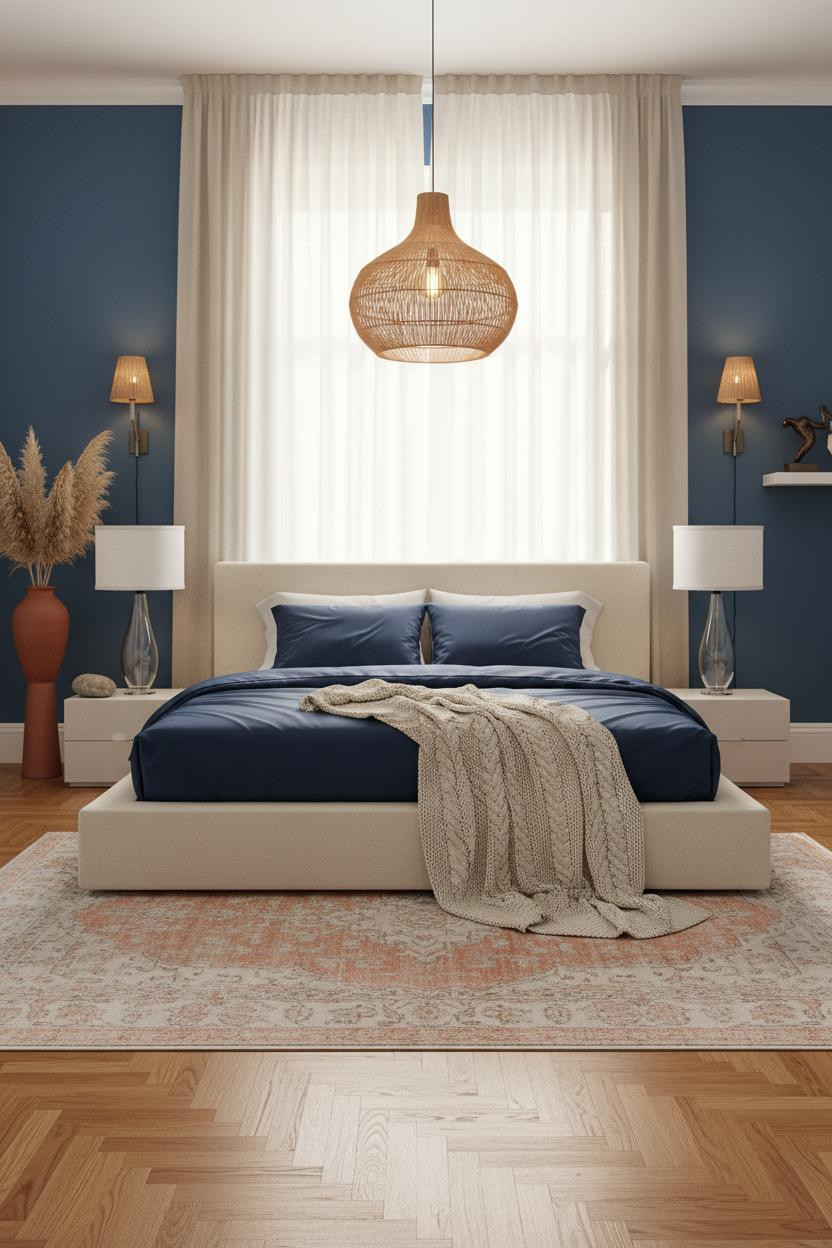

Fair warning. Cobalt is a full commitment. But the people who go all-in don't regret it.
Why it doesn't overwhelm: Full-width ivory linen curtain panels spanning the entire headwall dilute the intensity of deep cobalt matte walls in a way that paint alone can't fix. The fabric catches the flood of midday sun and glows, keeping the room warm and intimate rather than cave-like.
What not to do: Don't introduce cool white bedding here. Navy sateen with a cable-knit cream throw is the right call. The tonal relationship keeps things cohesive. Boho coastal bedroom styling handles this depth better than most.
Exposed Ceiling Beams on a Slate-Blue Room
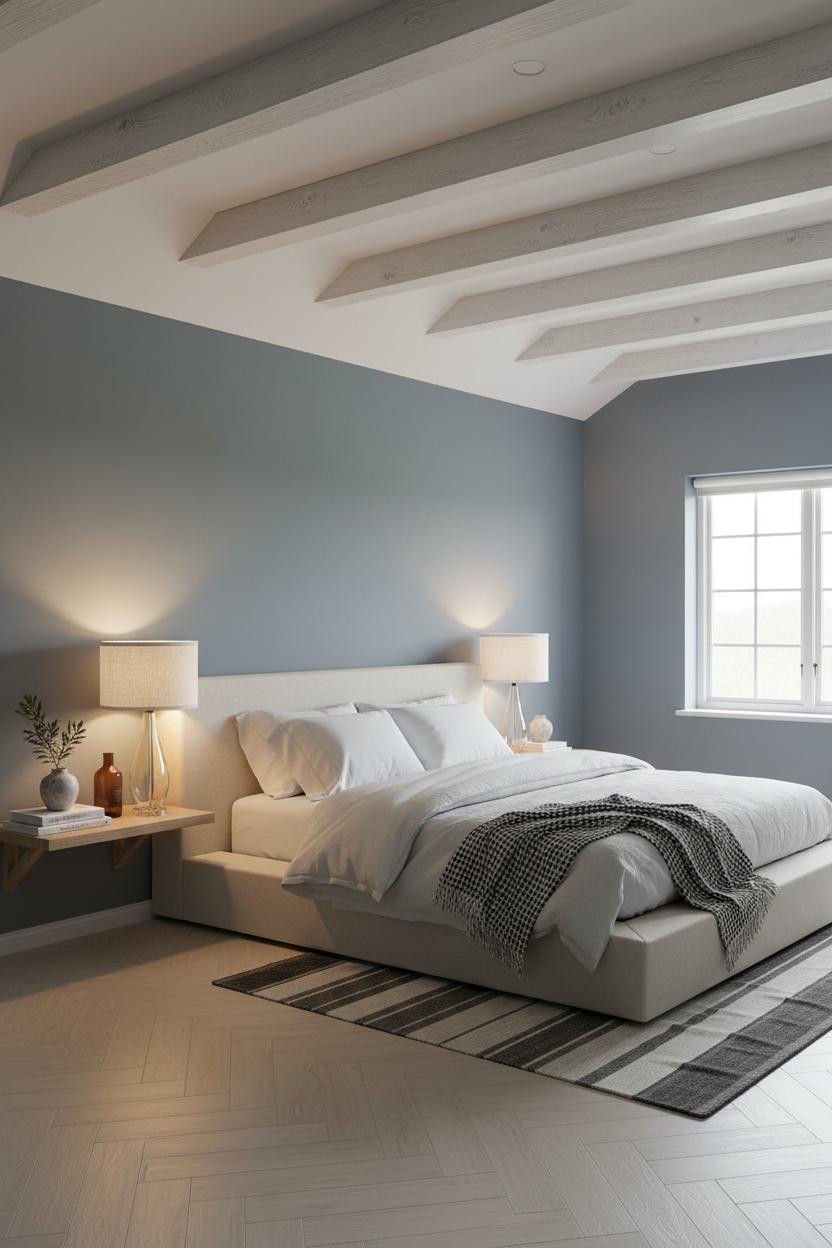
Having exposed ceiling architecture changes how you actually use the room. Your eye travels up, and the space suddenly feels larger than it is.
Design logic: Recessed whitewashed pine ceiling beams on a vaulted surface cast soft parallel shadows downward into the room, giving dusty slate-blue walls a structural counterpoint that keeps the whole thing from feeling one-note.
One smart swap: A kilim runner in sandy stripe tones over pale birch herringbone parquet reads coastal without reaching for seashells or driftwood. The pattern does the work quietly.
Periwinkle Shiplap Gets the Golden Hour Treatment
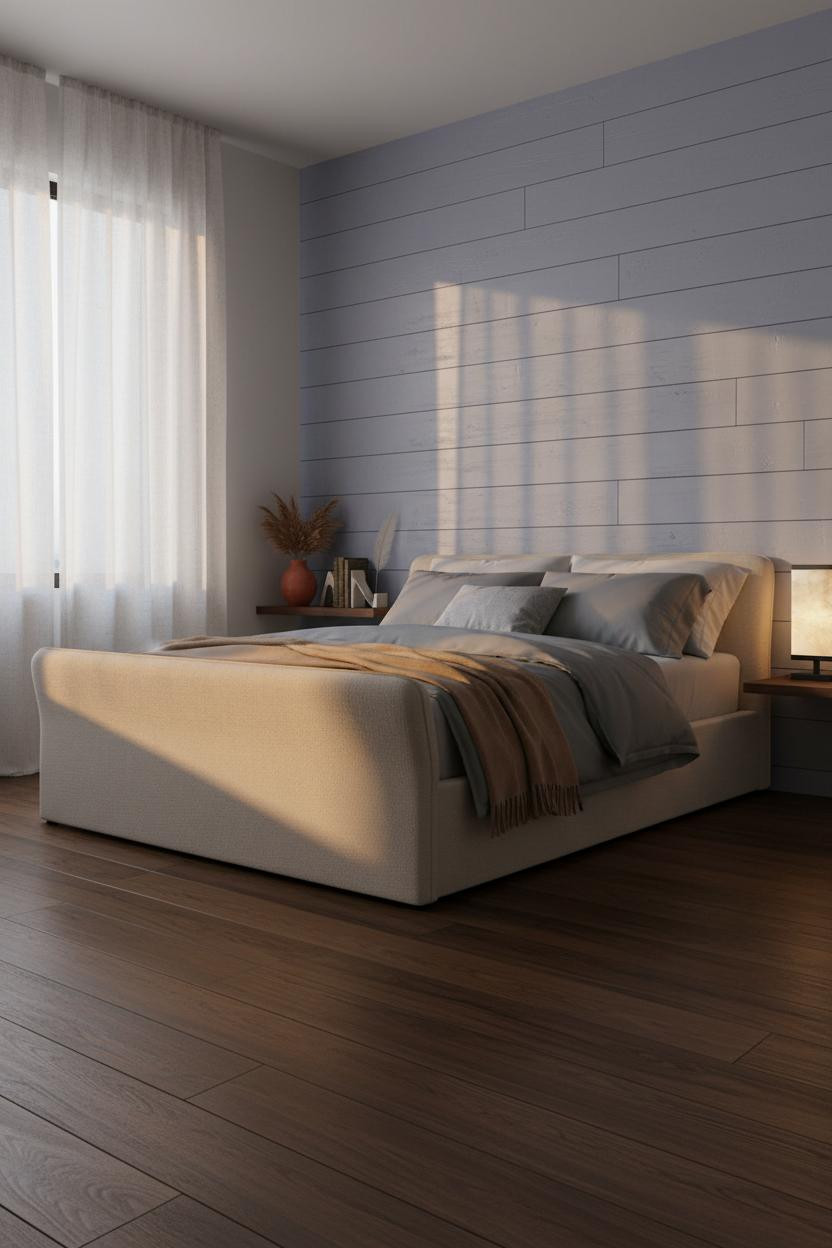
Most shiplap rooms look fine. This one looks alive.
Where the luxury comes from: Horizontal periwinkle shiplap planks in late afternoon light pick up amber tones they don't carry at midday, which makes the whole headboard wall shift color without anyone touching the paint. The room feels warm without being heavy, in a way that feels genuinely coastal rather than themed.
The key piece: Dark walnut flooring underfoot grounds the soft wall color so the room doesn't float. And an antique brass lamp on the nightstand (not chrome, not matte black) is the detail that locks the palette in. Getting your bedroom lighting right matters more than most people realize.
White Shutters and Seafoam Walls Are the Whole Argument
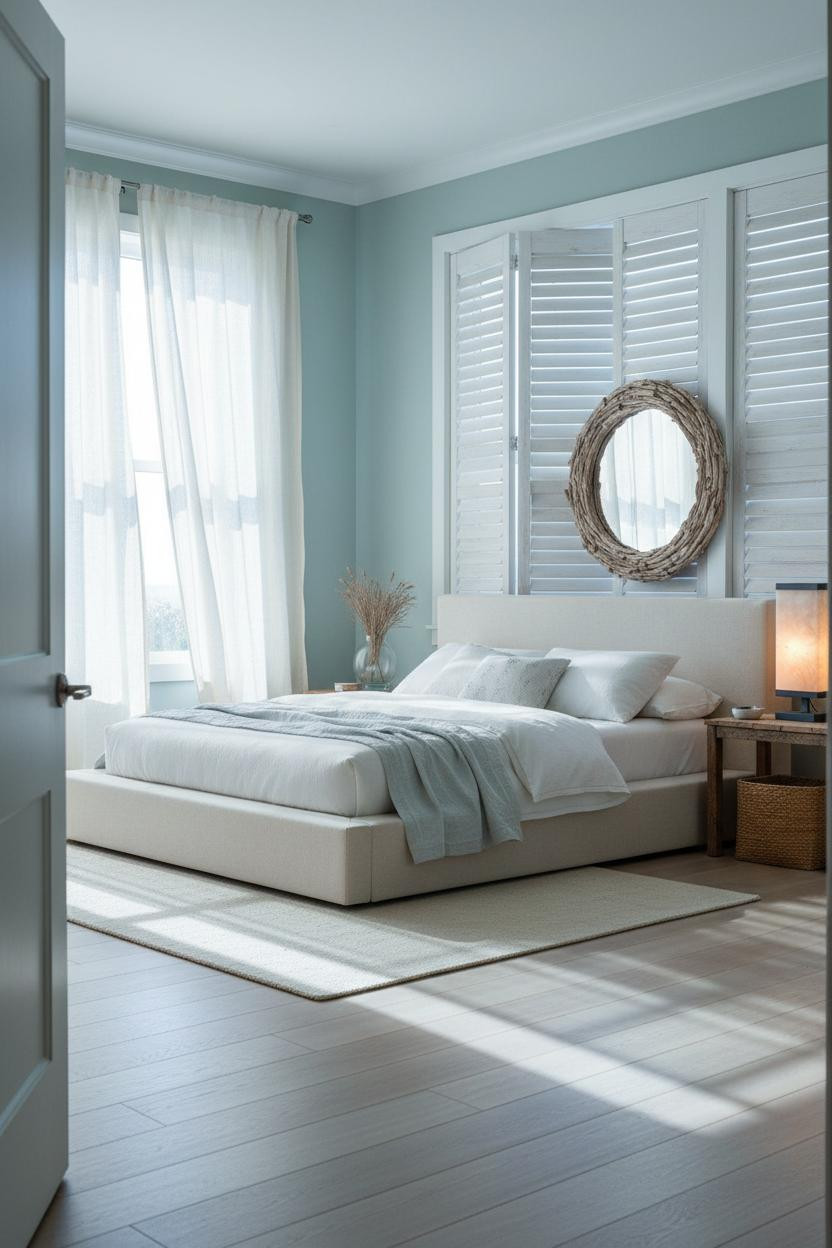
Admittedly, I was skeptical about floor-to-ceiling shutters in a bedroom. Then I saw what early morning light does through the slats.
What makes this one different: Salt-weathered white wooden shutters rake diagonal light bars across bleached oak flooring, and the pattern shifts every hour as the sun moves. The room feels lived-in and intimate in a way that curtains alone can't match. And soft seafoam walls hold the brightness without bouncing it.
Try this: A flat-weave cream linen area rug under the bed anchors the zone while still letting the floor's light play show at the edges. Skip the thick pile. It would absorb the whole effect.

Our #1 Pick
Saatva Classic Mattress
America's best-selling online luxury innerspring. 365-night trial, lifetime warranty, free white glove delivery.
Shop Saatva Classic
The Foundation Of Every Beautiful Bedroom
Every room in this article gets the walls right, the lighting right, the textiles right. But the one thing a beautiful bedroom can't fake? What's underneath you when you sleep. That's where the Saatva Classic comes in.
Walls get repainted. Linen gets swapped out. The mattress stays. Dual-coil support that holds up over years, breathable organic cotton that doesn't trap heat, and a Euro pillow top that still feels right on a Tuesday in year three. It's the kind of mattress that justifies the beautiful room around it.

The rooms people actually live in are the ones where nothing looks accidental and nothing feels uncomfortable. Getting your sleep environment right is the part most people skip. Start with the bed. The rest figures itself out.