
 by
by The best vintage boho bedrooms don't look styled. They look like someone actually lived in them, layered slowly, kept the things that mattered.
And that's the whole trick. Collected, not decorated.
Warm Moroccan Layers That Make You Want to Stay
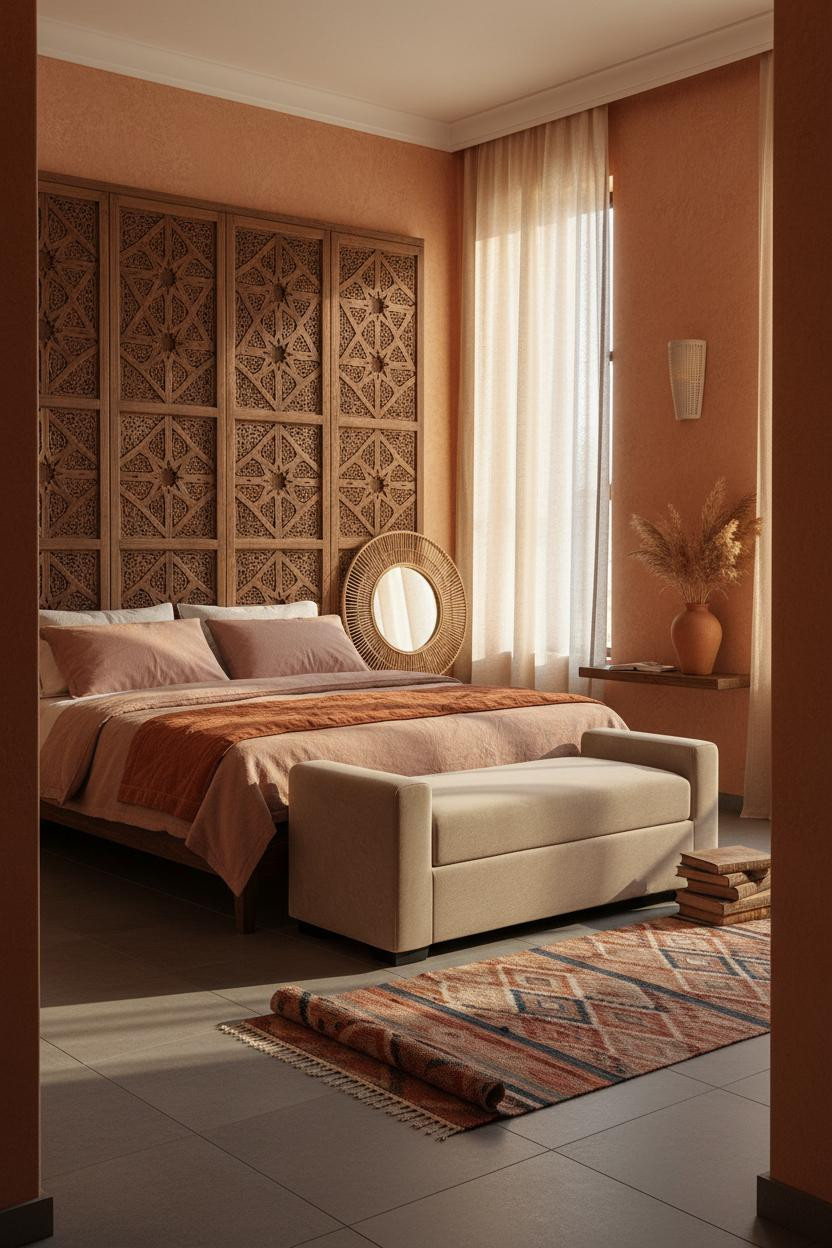
This is the kind of room that makes you want to slow down the moment you walk in.
Why it holds together: A carved walnut lattice screen behind the bed does what paint can't, it throws shadow relief across hand-plastered walls and makes the whole surface feel alive, especially as morning light shifts.
Steal this move: Pair a geometric screen with a flat-weave kilim in rust and indigo, and the room feels like it took years to build. Even if it didn't.
The Terracotta Niche Room I Keep Pinning
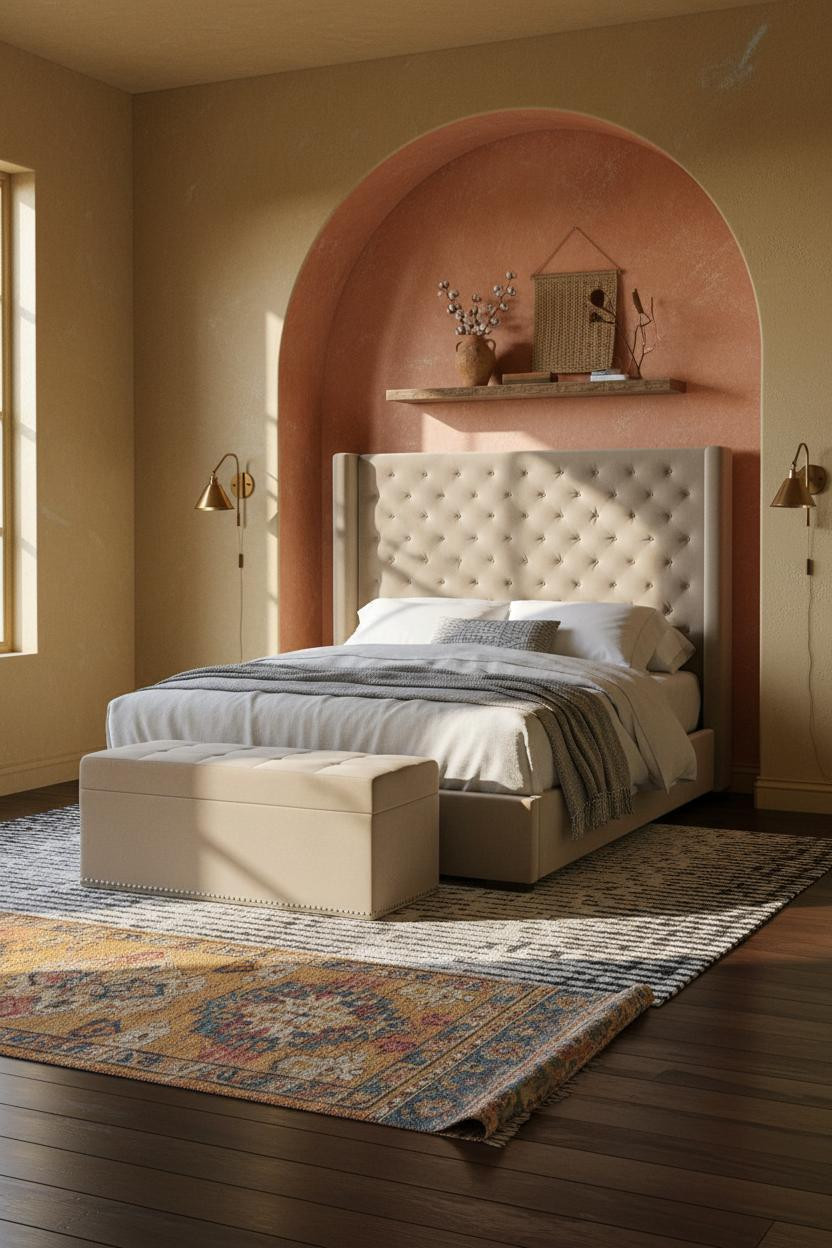

I keep coming back to this one. Something about it feels genuinely old.
The hand-troweled terracotta plaster niche is the whole story here. It catches raking side-light in a way that flat walls never could, and against dusty mustard, the depth reads almost architectural. That's the easy win: build a recessed focal point and let the texture carry it.
French Provincial Meets Boho Layers
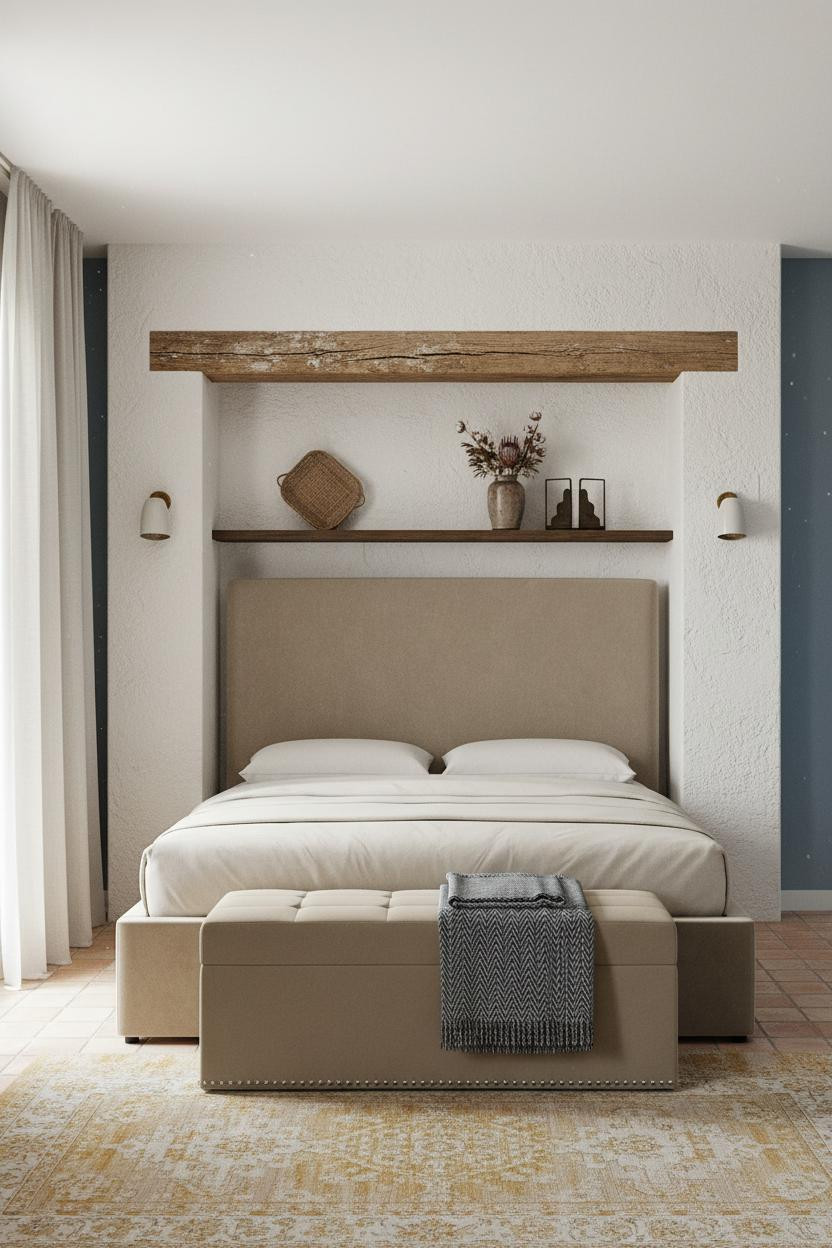

Understated. Almost too quiet. But the longer you look, the more it has.
What gives it depth is the contrast: a whitewashed oak beam alcove set against faded denim blue walls, with pale terracotta tile underneath. Provincial structure, boho layering on top.
What to borrow: Hang floor-to-ceiling undyed linen panels and let them bunch slightly at the base. It immediately softens anything that feels too structured.
Avoid this mistake: Don't match the curtain fabric to the bedding. Sameness reads flat here. You want washed linen against smooth percale.
Aged Teak Slats With a Rose-Clay Surround
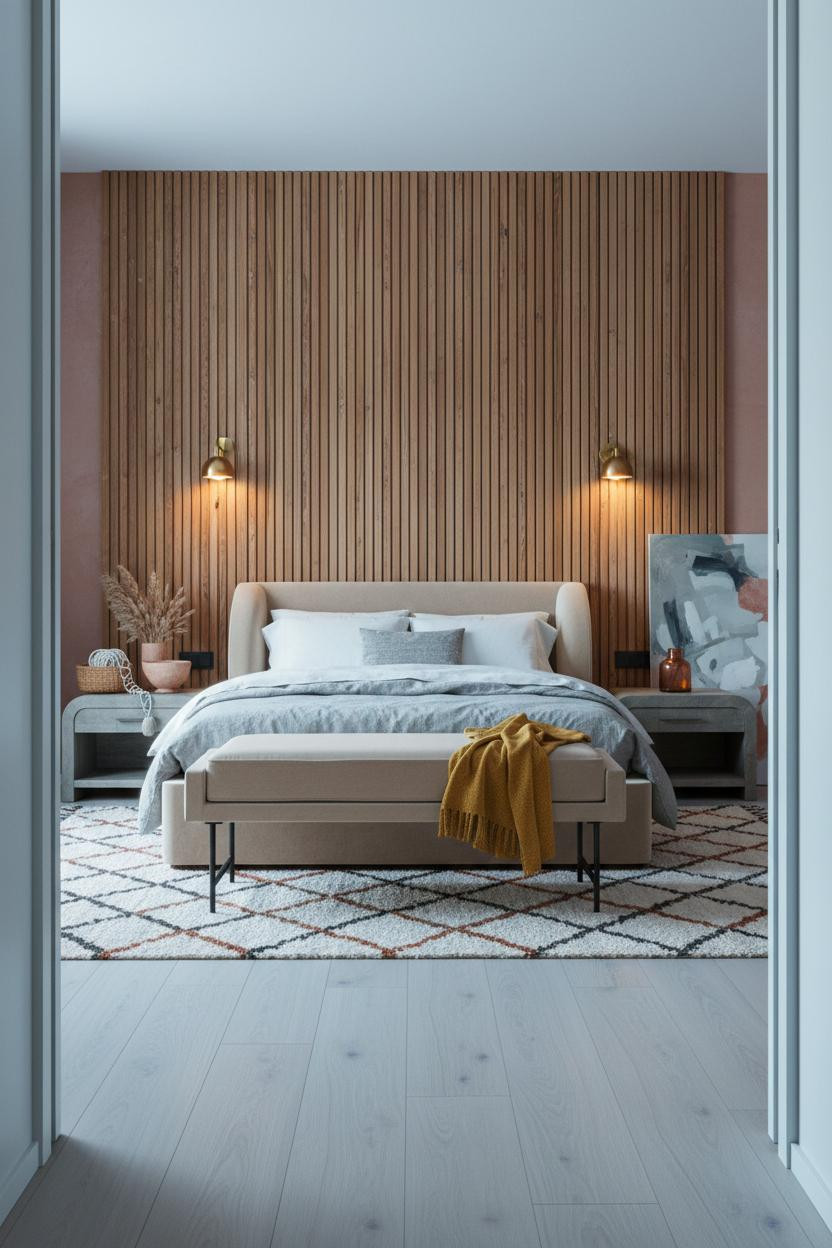

Vertical slatted teak planks behind the bed do something interesting: they add rhythm without pattern, and the shadow lines between each plank change as the light moves through the day. It's not a statement wall. It's more like a slow reveal.
Against dusty rose-clay plaster and a Moroccan diamond rug, the warmth compounds. The smarter choice when mixing wood and soft walls: keep the rug in rust and charcoal so it bridges both, rather than matching either one.
The Carved Plaster Arch That Stops Scrolling
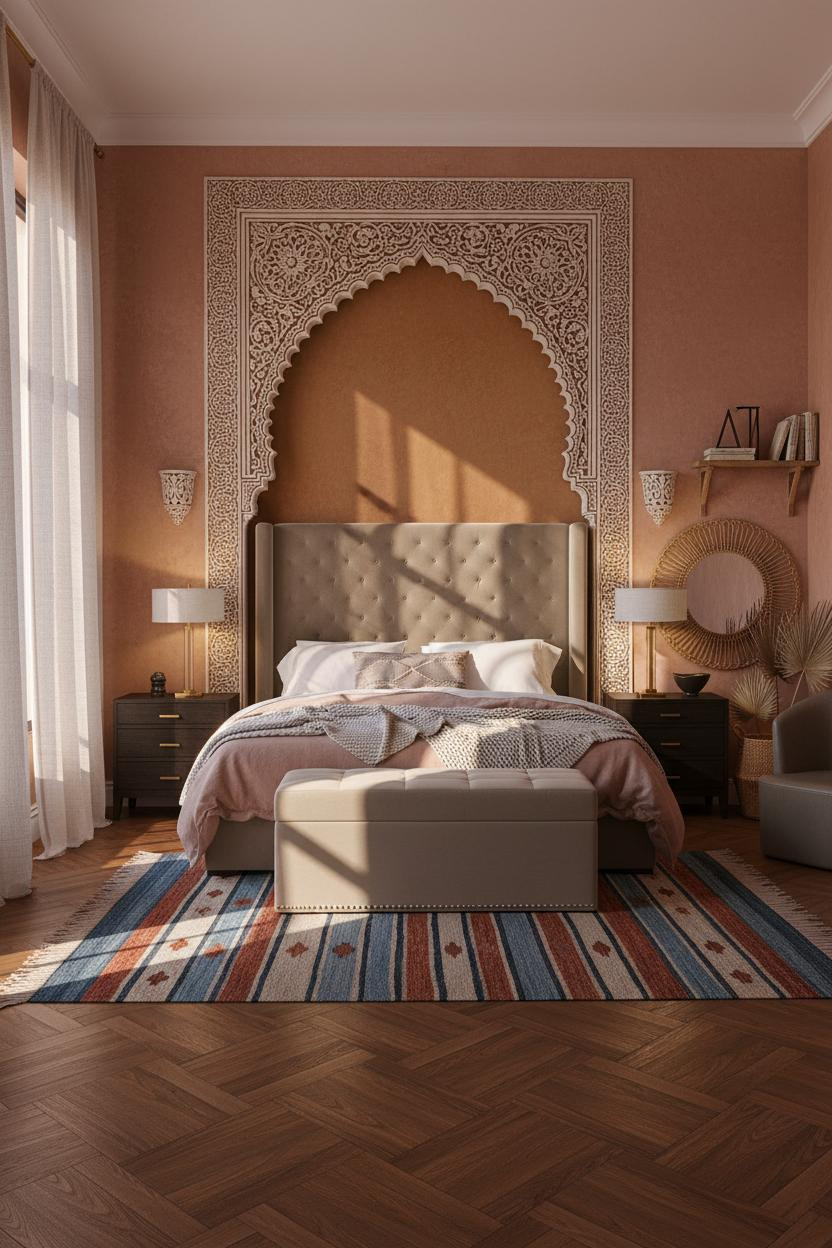
Fair warning. This one isn't subtle and it isn't trying to be.
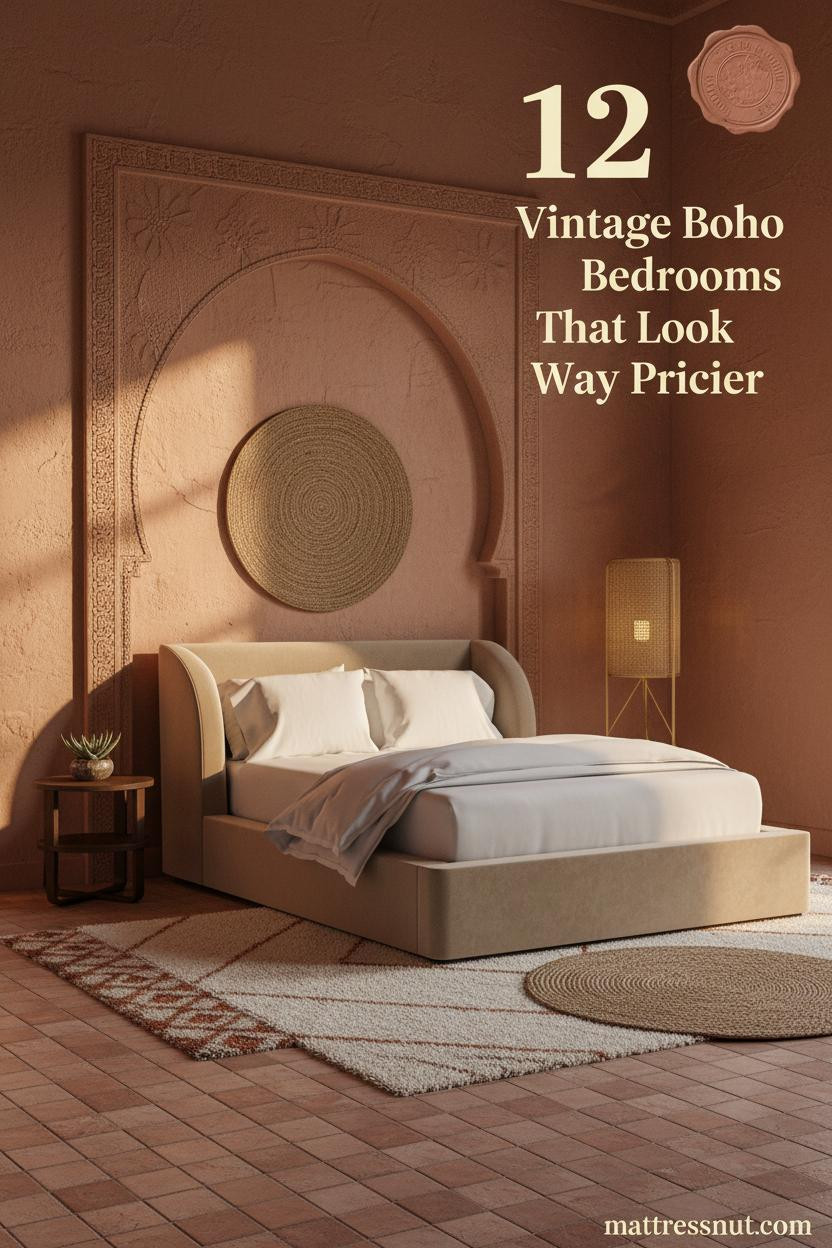
Why it looks custom: A full-width Moroccan carved plaster arch in deep ochre with lime detail crescent relief catches dusk light in a way that photographs and then some. The carved wells deepen as the light moves, so the wall earns its place after dark too.
Worth copying: Float a round woven rattan mirror against the side wall rather than hanging it. The lean keeps it casual, which is what stops the arch from feeling theatrical. If you want more bedroom lighting ideas that work with textured walls, the principle is the same: let the surface do the work.
A Gallery Wall That Actually Earns the Word Eclectic
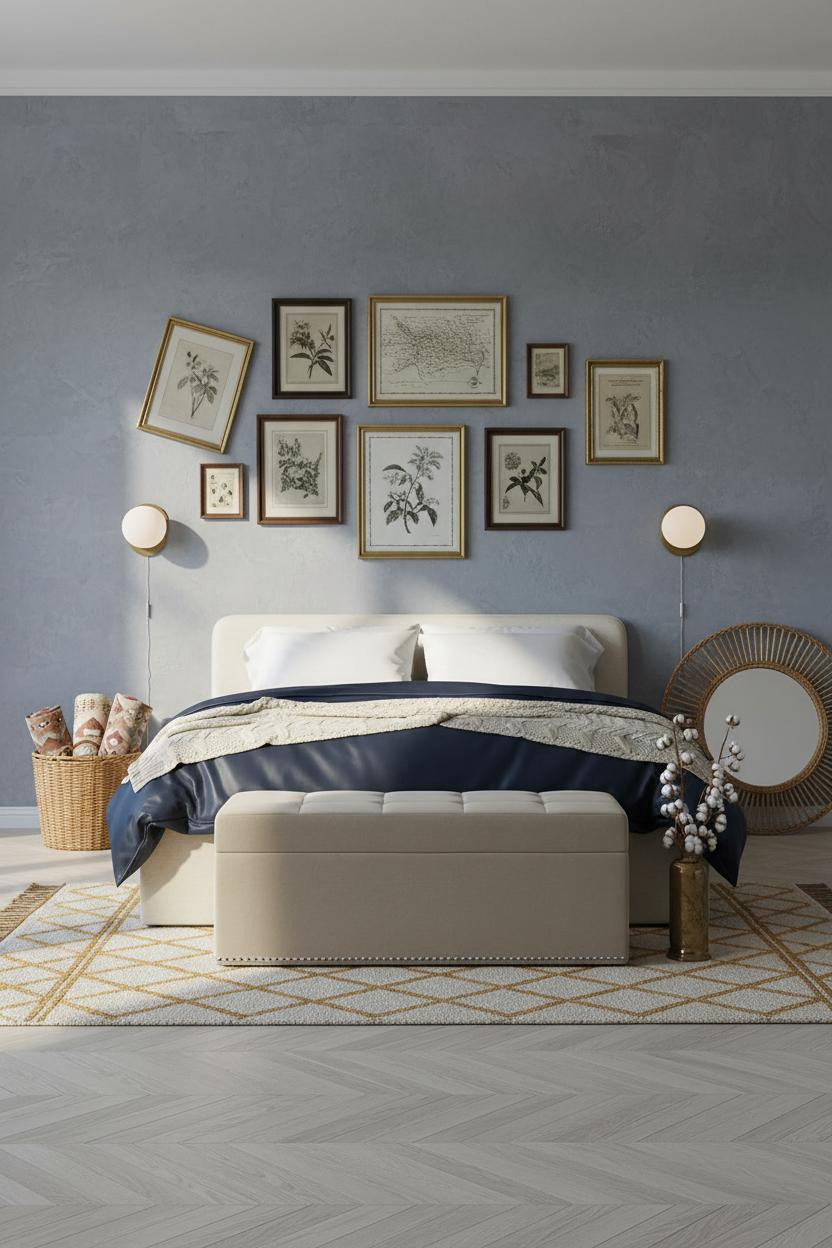

Most gallery walls look like they were assembled in one afternoon. This one doesn't.
What makes it work: Mismatched gilded, ebony, and raw wood frames over dusty indigo mineral plaster creates genuine layering, the varied frame depths cast small shadows that make the whole wall feel three-dimensional rather than flat. And the bleached oak herringbone floor keeps it from going too dark.
Mix botanical prints with faded maps and ink sketches, nothing too matchy, and let one frame hang slightly off-center. The detail that dates it is perfection. Resist it.
Why Dusty Plum Walls Work Better Than You'd Think
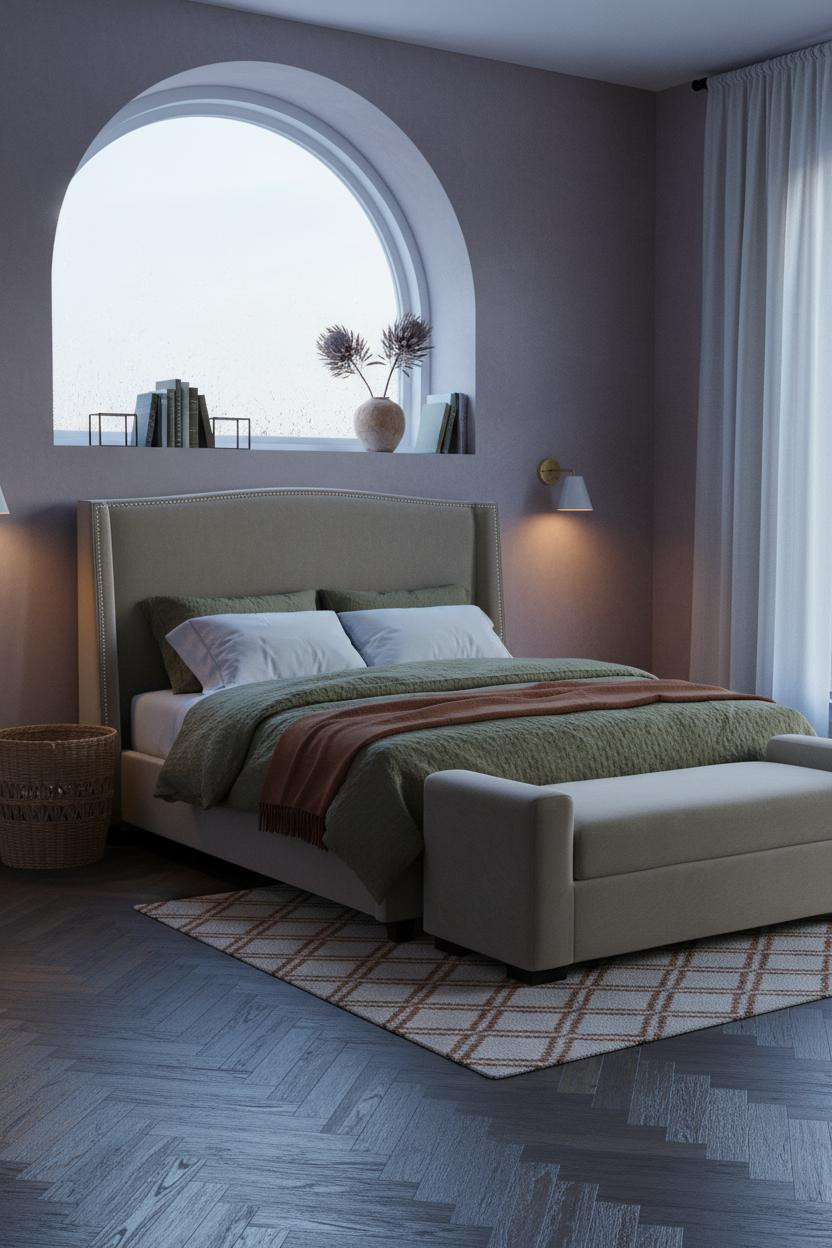
Divisive color. I get it. But the room feels calm and cohesive in a way that beige simply can't.
Why it feels balanced: The raw plaster arched window surround introduces a cooler, paler tone that keeps the dusty plum from going heavy, especially with a rust and ivory Moroccan rug pulling warmth back in below. The arch does the balancing work.
Pro move: Go with an olive waffle-weave duvet instead of white. White bedding against plum walls reads stark. Olive reads lived-in. It's a small swap that changes how the whole room sits.
Weathered Shiplap and Sage: a Quieter Boho
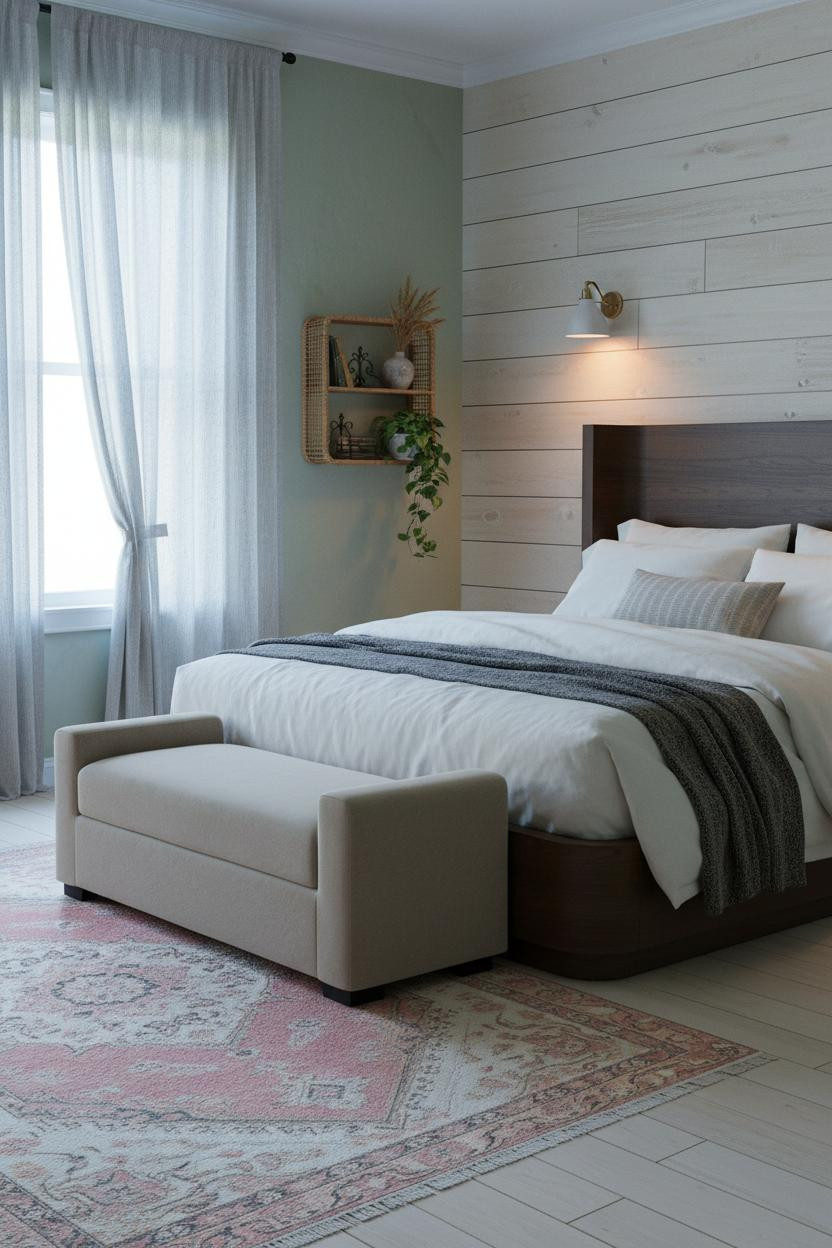

Not every boho bedroom needs to go dark and dramatic. This one makes the case for restraint.
What carries the look: Weathered cream shiplap with visible wood knots catches morning light across each horizontal plank, creating just enough shadow relief to feel textural while still staying pale. Against soft sage walls, the room feels calm rather than busy. That's harder to pull off than it looks.
Layer a faded dusty rose kilim over pale birch flooring, keep the bedding ivory with one charcoal throw, and the palette holds. A cozy bedroom aesthetic like this lives and dies by restraint in the color count.
Board-and-Batten Wainscoting With Clay Plaster Above
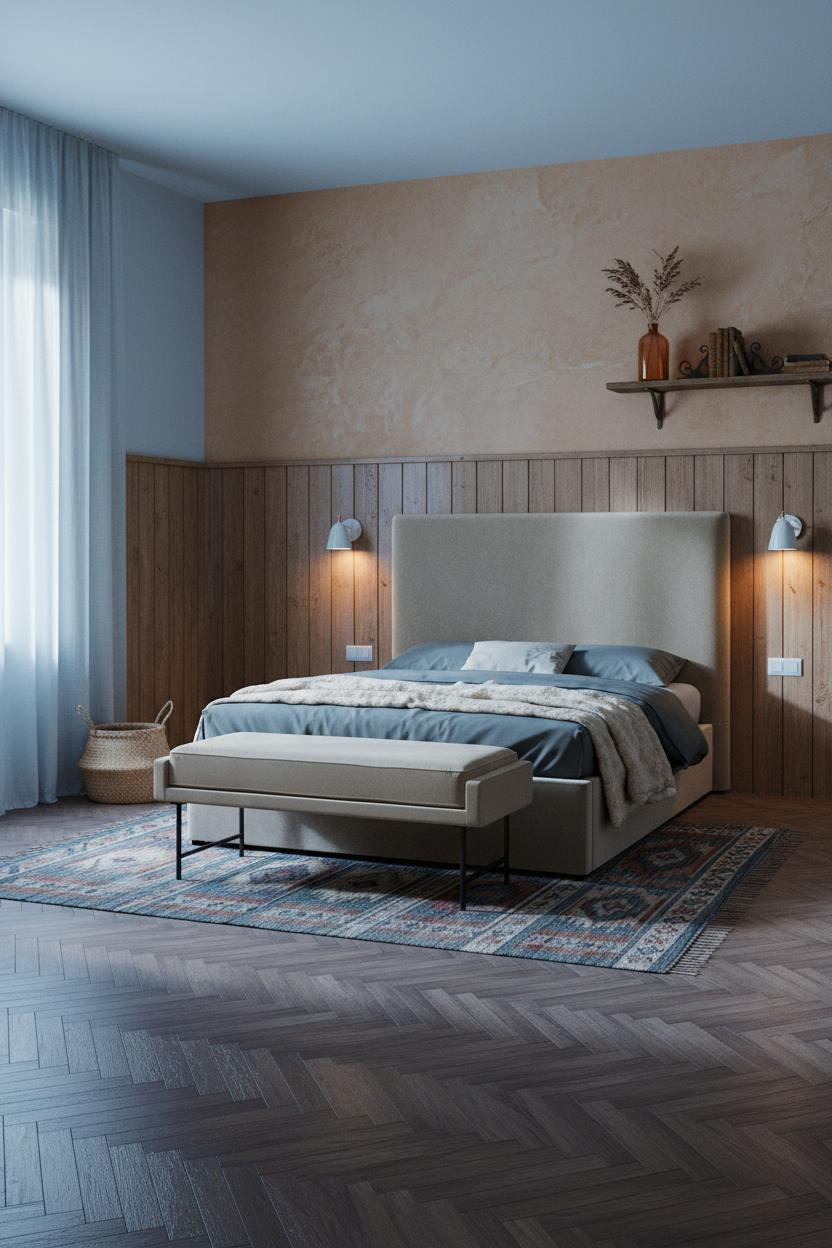
Two materials. One wall. Surprisingly compelling.
But the reason it works isn't the materials individually. It's the horizontal break: raw wood board-and-batten ends exactly where warm clay plaster begins, and the transition creates a visual divide that makes the ceiling feel higher without any actual architectural change.
The foundation: Use a slate and rust kilim to anchor the bed area, then let the faux fur throw at the foot bring softness back in. Hard materials on the walls, soft things below. That tension is what makes the room interesting.
Exposed Fieldstone and Moss Green: the Earthy Extreme
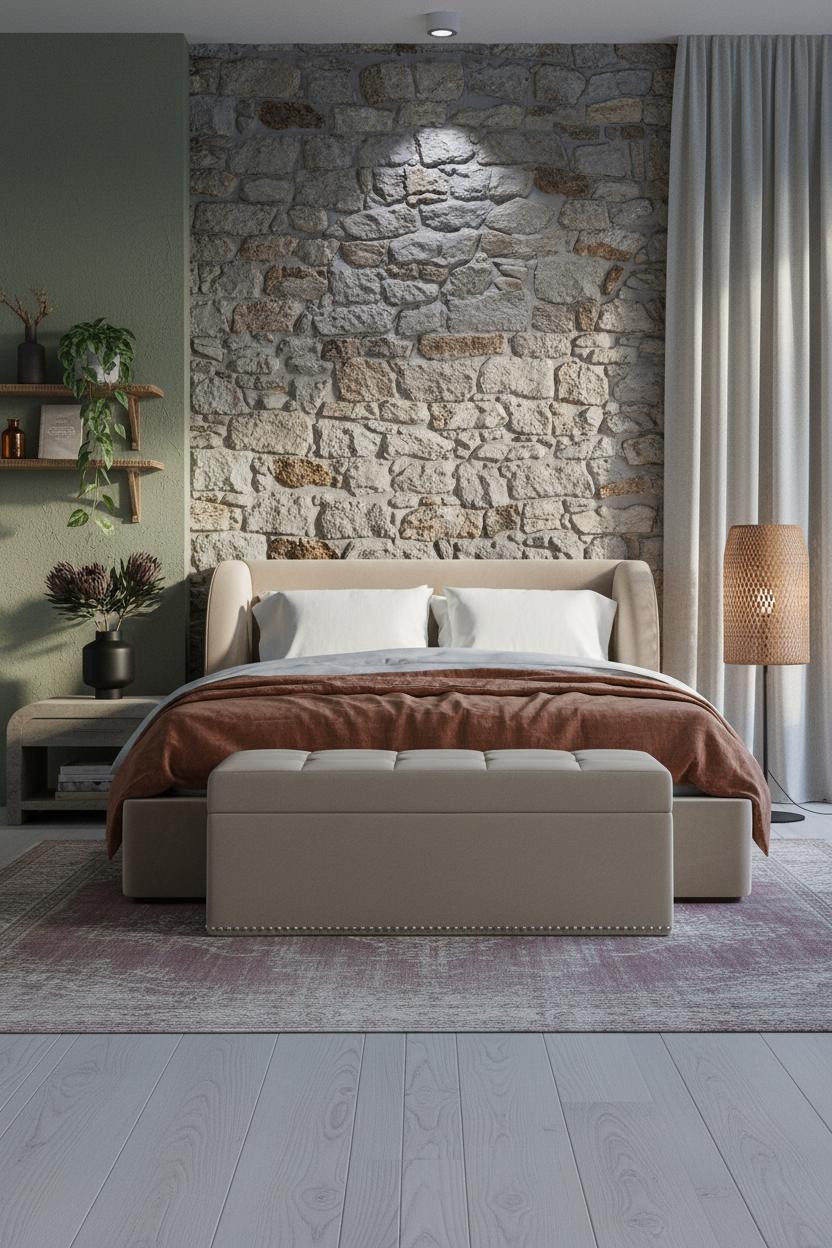
I'll be honest: I almost dismissed this one as too rustic. But it's not rustic. It's rooted.
What gives it presence: Irregular fieldstone in dusty grey with amber mineral veining catches raking light across every mortar joint, and against moss green plaster flanks, the contrast feels natural rather than staged. The room feels ancient in a good way.
The easy win: A rattan floor lamp in the far corner pools warm amber light that softens the stone's rawness after dark, while still feeling like it belongs. Dried protea branches in a matte black vessel on the nightstand finish the look without over-decorating it.
Provençal Farmhouse With a Jute Wall Hanging
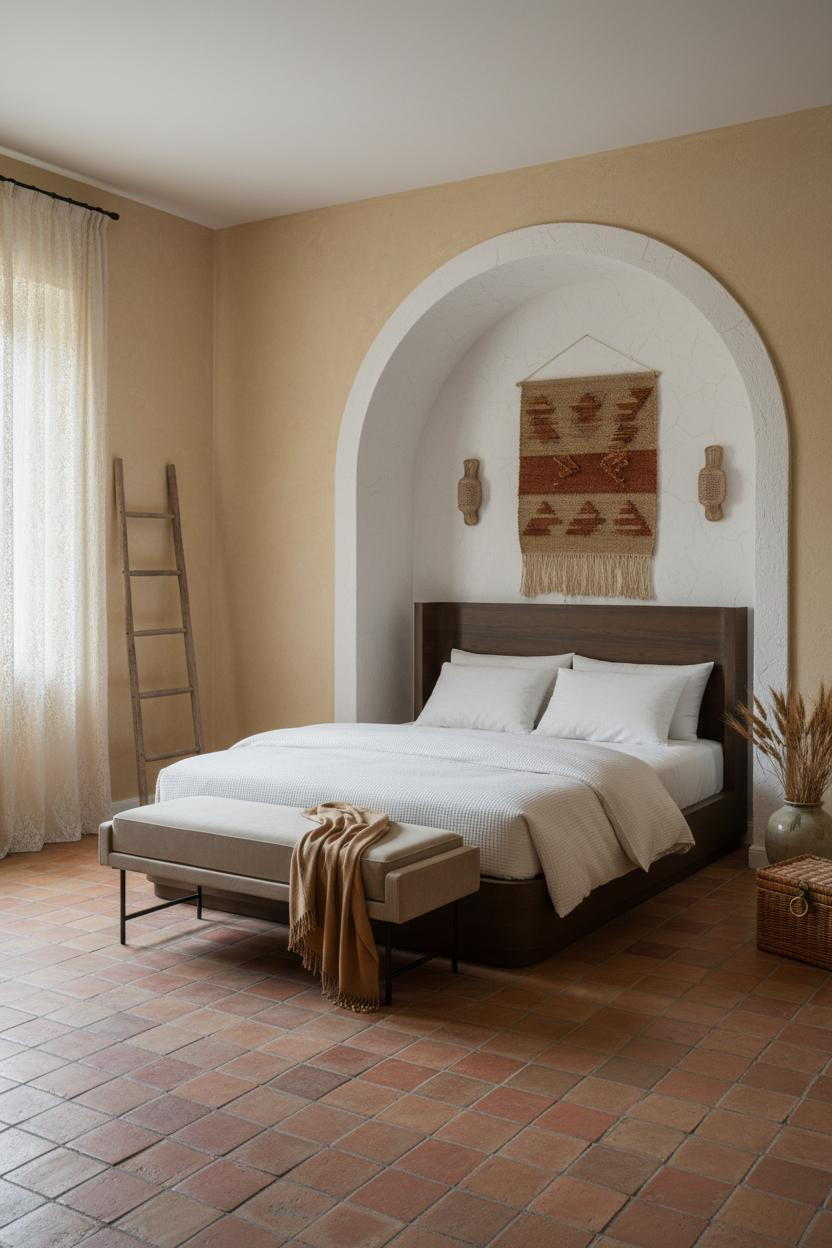
Nothing fancy. That's exactly the point.
Why it feels intentional: A whitewashed plaster alcove arch with visible age cracks does what new construction can't, it carries a sense of accumulated time that no amount of decoration can replicate. And the oversized jute wall hanging above the bed fills that vertical space without competing with the arch's texture.
A camel wool throw draped half off the bench at the foot grounds the palette at floor level. Best for anyone who wants earthy boho bedroom styling with structure underneath. The look only works if the walls carry real texture. Smooth plaster would flatten the whole thing.
Exposed Beams and Terracotta: the Warmest Boho Room Here
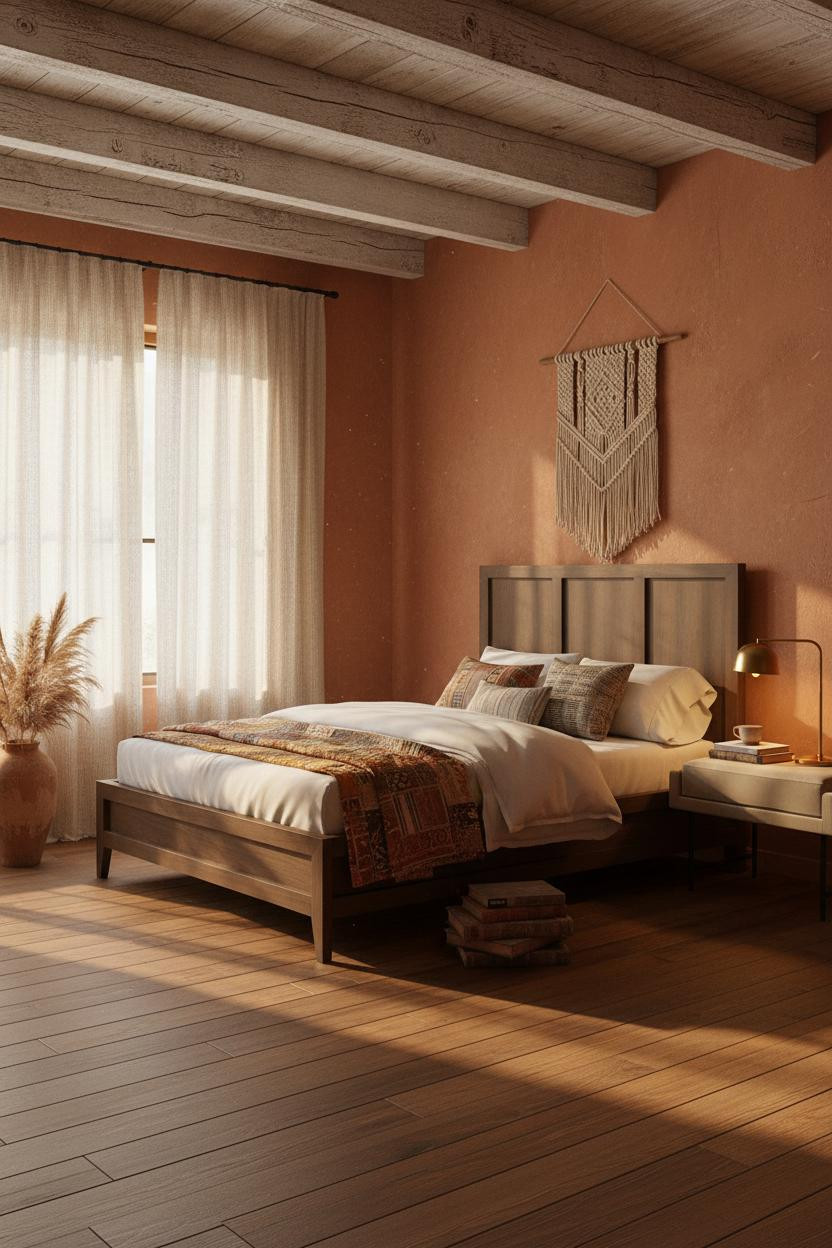
This is the one I'd actually live in. Honestly, maybe too much going on for some people. But I love it.
Why it lands: Whitewashed timber ceiling beams with visible grain and vintage patina cast diagonal shadows across the room as afternoon light shifts, which is why the terracotta plaster walls below feel different every hour. The room earns its warmth rather than just wearing it.
A macramé wall hanging above the bed (hung with a slight tilt, not straight) plus a patchwork quilt in mustard and rust keeps the layering looking found rather than purchased. Bedroom design ideas this tactile tend to sleep better too. Something about the warmth.
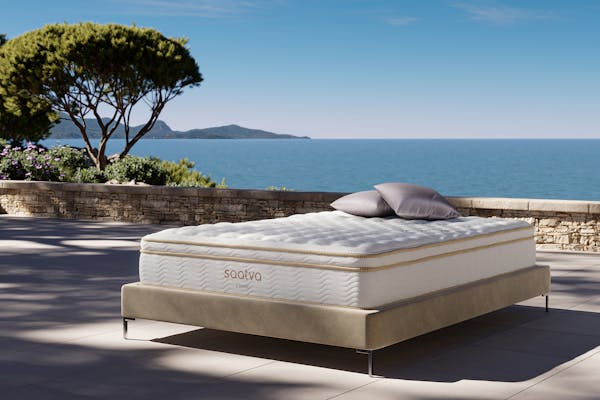
Our #1 Pick
Saatva Classic Mattress
America's best-selling online luxury innerspring. 365-night trial, lifetime warranty, free white glove delivery.
Shop Saatva Classic
Why Luxury Bedrooms Always Feel Better
All that layering, all that texture. And then you get into bed. That's where a room like this either delivers or doesn't.
The Saatva Classic is what I'd put under any of these rooms. Walls get repainted. Kilims get rotated. The mattress stays. Dual-coil support that holds its structure over years, an organic cotton cover that breathes through warm earthy rooms that tend to hold heat, and a Euro pillow top that's soft without losing any of the support underneath.
It's the part of the room you feel before you see. Pair it with the right sheets and the whole thing comes together.

The rooms that get saved are the ones where the comfort matches the aesthetic. Good design ages well because it's made well. Start with the bed. The rest figures itself out.