
 by
by Our #1 Recommended Mattress
Saatva Classic. From $1,095
365-night trial · Lifetime warranty · Free white-glove delivery
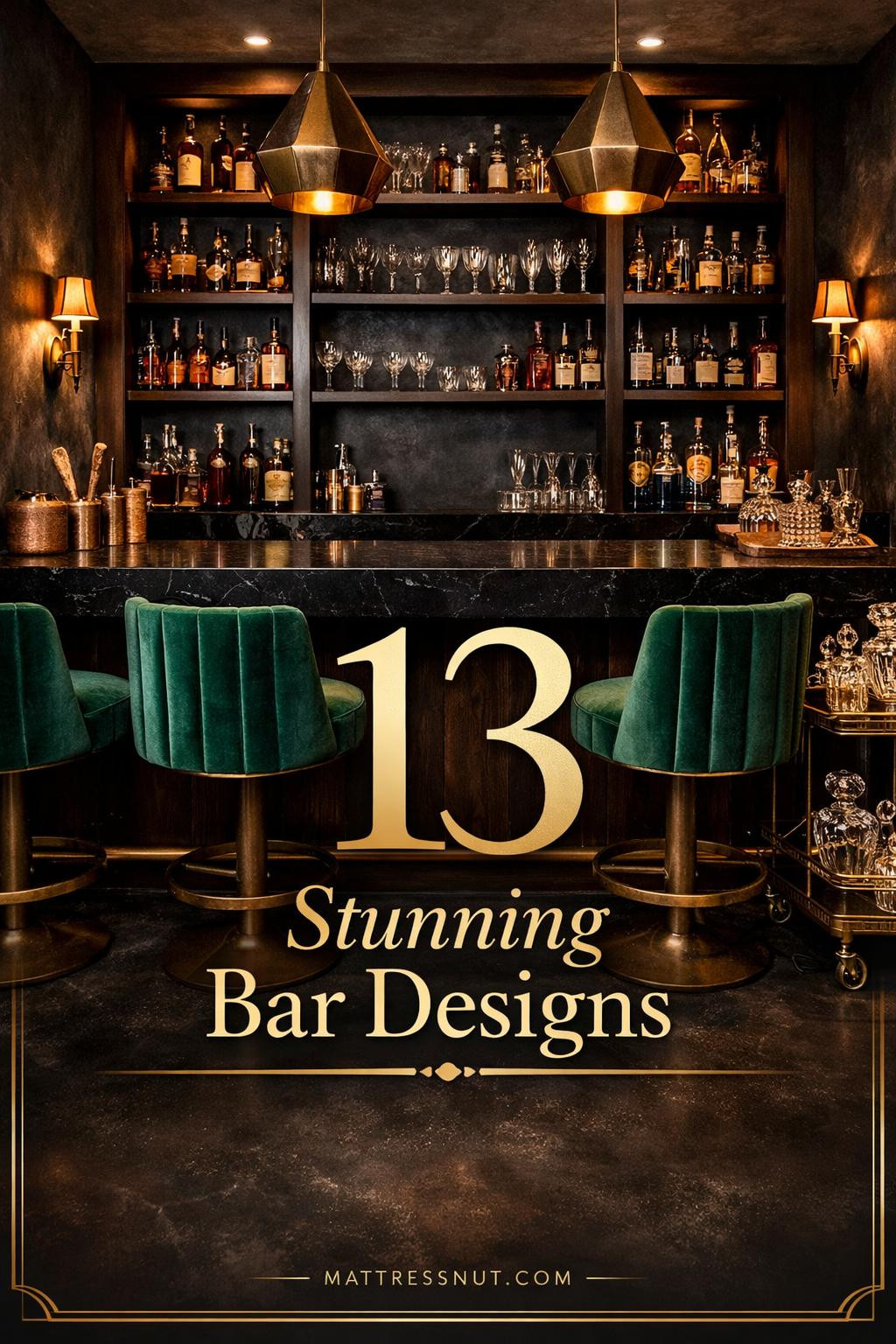
Check Price at Saatva →A moody home bar is one of the most satisfying rooms to design because the goals are so clear: intimacy, drama, and the specific pleasure of a great drink in a room that makes the experience feel like an occasion. The best moody bars succeed not by accumulating expensive bottles and fancy glassware but by creating an atmosphere that is genuinely different from the rest of the house, a place where the quality of the light changes how the room feels and where the materials on every surface reward close attention.
What Makes a Bar Genuinely Moody in 2026
The moody aesthetic in home bars is a specific subset of the broader dark interior trend that has defined 2025 and 2026 design. It involves dark walls, warm amber lighting, materials that develop with age, and the deliberate absence of the clean, bright, open quality that other rooms in the house might prioritize. A moody bar should feel like a discovery: the kind of place you stumble into and decide to stay longer than planned. The design decisions that create this feeling are layered and specific, and they resist shortcutting because the atmospheric quality comes from the relationship between elements rather than from any single expensive piece.
In 2026, the home bar has moved beyond its function as extra counter space to become one of the most design-forward rooms in the house. Search data from Houzz and Pinterest shows home bar queries concentrated around two opposing aesthetics: the bright, open kitchen bar with white cabinetry and statement pendant lighting, and the moody, enclosed whiskey bar with dark walls and amber light. The moody version is gaining against the bright version as homeowners seek rooms with genuine atmosphere and specific character rather than rooms that extend the kitchen's aesthetic into an entertaining space.
Dark Walls: Choosing the Right Color for Maximum Effect
The wall color of a moody bar does more atmospheric work per decision than any other element in the space. It sets the darkness register that everything else responds to and determines which light sources will be effective at creating the warmth and depth that make the room feel like a retreat. Charcoal walls are the most versatile choice for moody bars: dark enough to create genuine depth while light enough that warm lighting sources can read against them without the color temperature shift that full matte black walls require to avoid appearing flat.
Forest green lacquered walls create the most bar-specific dark wall treatment available, evoking the private club and speakeasy aesthetics that define the moody bar genre at its most developed. Deep forest green lacquered closed cabinetry behind backlit amber glass shelving represents the combination that appears most consistently in high-end moody bar design references. The lacquer finish catches light at oblique angles, adding depth and luminosity to the green that flat painted surfaces cannot achieve. Against this background, spirits bottles and crystal glassware become genuinely beautiful objects rather than functional storage items.
Deep indigo or navy blue walls create the most sophisticated moody bar alternative to green. The blue-based darkness has a different quality than charcoal or green: it reads as maritime, collegiate, and specifically nocturnal in a way that suits whiskey and bourbon bars particularly well. Against navy walls, unlacquered brass elements develop extraordinary visual warmth, because the blue's coolness amplifies the contrast with warm metals more than warmer dark colors do. Midnight blue canvas panels paired with copper rail details and polished concrete counters represent one of the most compelling material combinations in current moody bar design.
Backlit Shelving: The Element That Defines the Space
Backlit shelving in a home bar serves the same function that candlelight served in the bars that this aesthetic references: it creates a warm, amber glow that illuminates the bottles and glassware from behind, turning their contents into luminous colored objects and creating the atmospheric quality that no front-lit display can achieve. The mechanics are straightforward: LED strip lighting in warm white or amber tones, positioned behind floating shelves or at the back of a display cabinet, creates the backlit effect at low wattage.
A subterranean speakeasy look with blackened steel back bar shelving and recessed bottles backlit by brass Edison sconces casts geometric shadows through the liquid and creates a visual effect that is simultaneously dramatic and functional. Deep forest green lacquered panels with floating walnut shelves displaying crystal glassware represent the most polished version of this approach, where the combination of material quality, lighting, and display creates a backlit installation worthy of a restaurant back bar.
For simpler implementations, floating wood shelves with LED strip lighting tucked under the leading edge create a floating glow that illuminates the shelf surface and everything displayed on it without revealing the light source itself. This concealed light approach prevents the visual interruption of visible fixture hardware and maintains the focus on the bottles, decanters, and glassware that the shelving is intended to feature. Amber or warm white LED rather than cool white is non-negotiable: cool white lighting against dark walls creates a clinical quality that destroys the atmosphere regardless of how strong the other design decisions are.
Leather Stools: Comfort and Character Combined
Leather bar stools are the seating choice for moody home bars because they carry the same qualities that make the overall aesthetic work: they develop authentic patina with use, they provide physical warmth and comfort for extended sitting, and they align with the natural material palette that dark bars built from wood, brass, and stone establish. Worn cognac leather with visible armrest darkening and softened seat cushioning reads as a stool that has been used for years and is better for it, which is precisely the lived-in quality that transforms a designed bar into a genuine gathering space.
Vintage leather stools with tufted backs and exposed nail-head trim suit the more formal, club-style moody bar with mahogany or dark walnut bar counters. Simpler saddle-seat leather stools in raw or distressed leather suit the more casual, industrial moody bar where the aesthetic is more influenced by speakeasy and workshop references. Both work in 2026 moody bar contexts: the choice depends on the formality register of the adjacent living spaces and the specific dark material palette the bar is built from.
Counter height matters for bar stools in ways that affect both comfort and aesthetics. Standard bar stools at twenty-eight to thirty inches work with thirty-six-inch-high bar counters, the most common bar counter height for home installations. Counter stools at twenty-four to twenty-six inches work with thirty-four-inch-high counters, which are more comfortable for people under average height. Specifying the counter height before purchasing stools is a detail that affects both the functional comfort and the visual proportions of the bar arrangement from any angle.
Vintage Glassware: Functional Decor Done Right
Crystal and vintage glassware in a moody home bar is one of the few instances in interior design where the functional items are also the primary decorative objects. Displayed on backlit shelves, vintage cut-crystal whiskey glasses, decanters with original stoppers, and art deco coupe glasses in amber and green tones become art objects that happen to be usable. The quality of light through cut crystal is specific and cannot be replicated by machine-pressed glass alternatives: the facets scatter light in patterns that add genuine luminosity to the display.
An Art Deco speakeasy backbar with hexagonal brass-trimmed forest green lacquered panels and floating walnut shelves displaying crystal glassware represents the highest expression of vintage glassware as bar decor. At a more accessible level, a collection of mismatched vintage crystal pieces from different eras and manufacturers creates an authentically collected quality that matched sets cannot achieve. The visual interest in a display of genuinely different glassware pieces comes from the variation in cut, tonal range, and age, which makes each piece identifiable as its own object rather than as part of a coordinated set.
Lighting: The Element That Determines Whether the Bar Is Moody or Simply Dark
The difference between a dark bar that feels moody and atmospheric and a dark bar that feels dim and uninviting is entirely a function of lighting quality and layering. Warm color temperatures between 2700K and 3200K, specifically the range produced by Edison bulbs and similar warm-spectrum sources, create the amber quality that makes dark surfaces glow rather than absorb all light without return. Cool or neutral white light sources at 4000K or above eliminate the atmospheric quality entirely regardless of wall color, material choice, or furniture arrangement.
A single tungsten pendant positioned directly above the bar counter provides the primary task light while creating the dramatic downward illumination that makes the counter and what is on it the visual center of the space. The pendant choice matters aesthetically: a brass cage pendant, an amber glass globe, or a hand-blown artisan piece in warm tones all support the moody bar register. Clean modern pendants in white or chrome read as contemporary kitchen rather than atmospheric bar and should be avoided in moody bar contexts.
Fireplace glow in rooms where a gas or wood fireplace is adjacent to the bar area adds the most organic and irreplaceable warm light source available. The dynamic quality of firelight, its flickering and color variation between amber and orange, creates an atmospheric quality that static artificial light sources approach but never fully replicate. When fireplace access is not available, a wall of flickering LED candles in brass or iron holders positioned at multiple heights on a dark feature wall creates a reasonable approximation of this quality at negligible cost and without fire safety considerations.
Finishing Details: The Small Decisions That Seal the Atmosphere
The moody bar aesthetic is ultimately assembled from dozens of small decisions that each contribute marginally to the overall quality and that together determine whether the space reads as authentic or as assembled. A brass bar rail with the patina of actual hands. A slate or soapstone counter surface that shows water marks rather than hiding them. A built-in humidor with cedar lining in a dedicated cabinet section. A vintage record player on a surface visible from the bar stools. A brass-framed chalkboard with the current spirit selection in handwritten chalk. None of these elements is expensive or difficult to acquire, but each one adds a layer of specificity and character that moves the bar from a styled room toward a genuinely unique space.
Stocking and Display: Making the Bar Collection Part of the Design
The bottles and decanters in a moody home bar are design elements that earn their display position through aesthetic contribution as well as contents quality. Spirits in tall, dark-glass bottles catch backlit illumination differently than clear spirits in squat bottles do. Organizing the display by bottle silhouette and glass color as well as by spirit category creates a more interesting visual arrangement than alphabetical or categorical organization alone. Crystal decanters filled with bourbon, rye, and scotch in their natural amber tones create the warmest possible backlit display, because the liquid color adds to the amber lighting quality rather than simply refracting it. Replacing standard spirit bottles in decanters also removes the branded packaging that interrupts the cohesive visual field of the backlit display and replaces it with material quality that serves the room's aesthetic rather than a brand's marketing requirements.
Complete Your Space
Every beautiful room deserves a great night's sleep. The Saatva Classic, white-glove delivery, 365-night trial.
Shop Saatva Classic →