
 by
by Think your kid's bedroom has to choose between fun and put-together? The best stylish kids rooms prove otherwise. Bold color, honest materials, and a little restraint go a long way.
These 14 designs lean into personality without tipping into chaos. I keep coming back to this collection because every single one actually looks livable.
Navy Board-and-Batten That Feels Grown-Up and Playful at Once
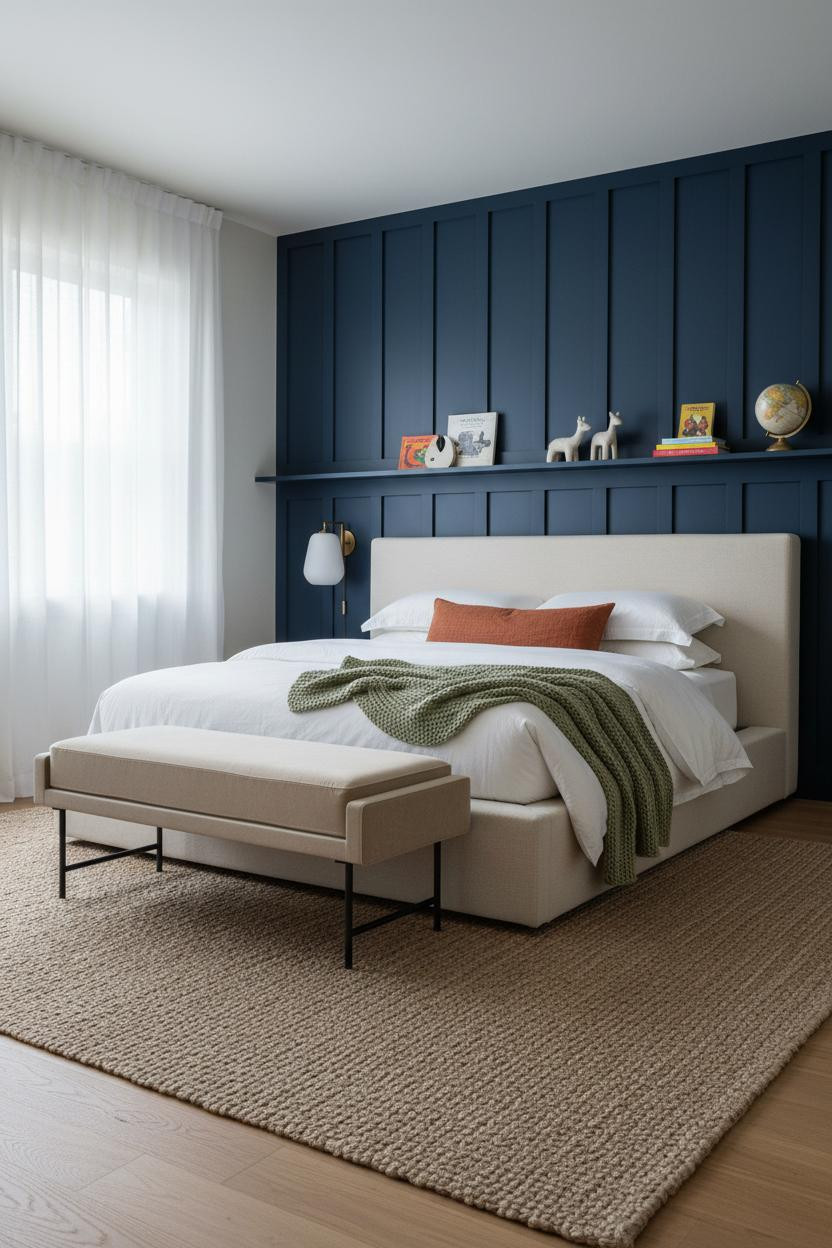
Navy is a commitment. But done with board-and-batten paneling, it reads structured rather than heavy, especially against pale apricot walls.
Why it holds together: The vertical batten lines draw the eye up, which makes a small room feel taller, while the warm wall color stops the navy from going cold.
Steal this move: Keep bedding bright white. It's the reset button the whole scheme needs.
The Scandi Room That Doesn't Try Too Hard
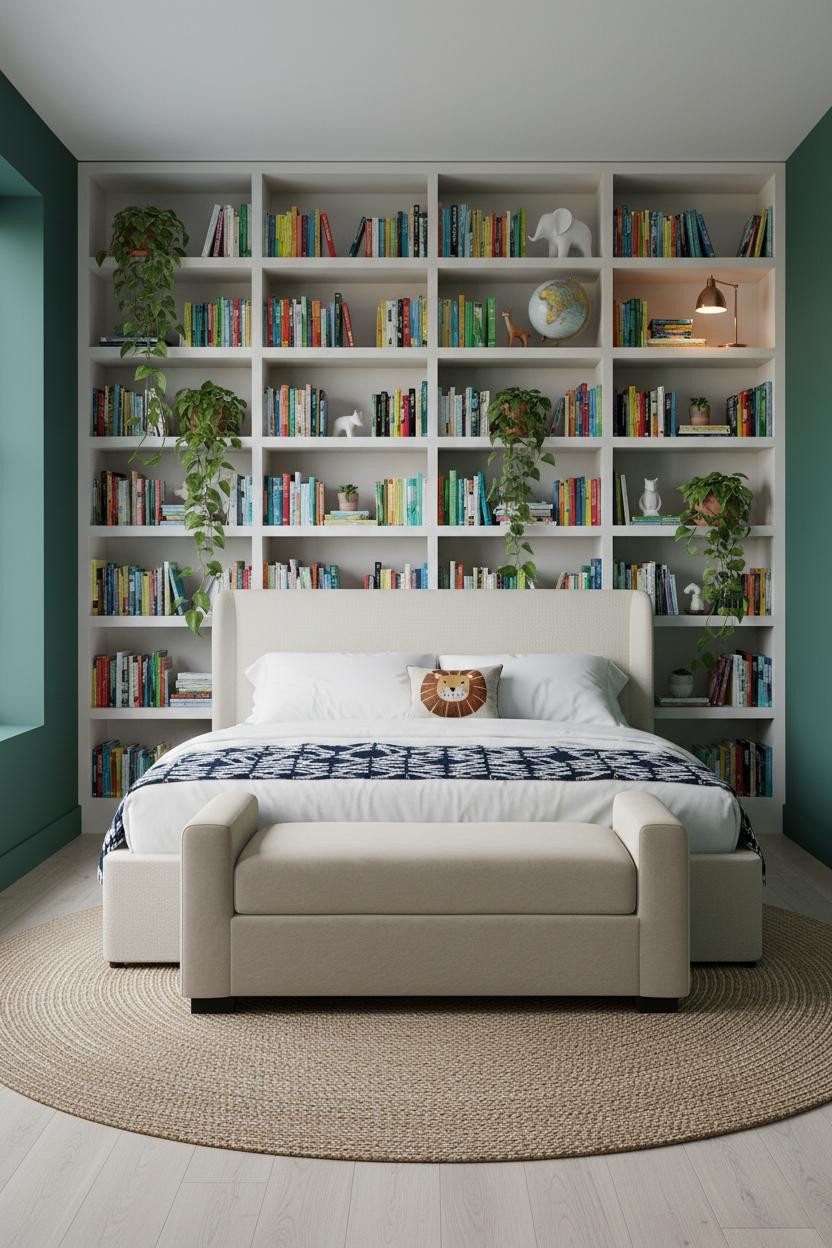

Nothing fancy. That's the point.
What makes this work: Pale coral walls above white shiplap paneling create a two-tone rhythm that feels designed rather than accidental, especially with natural wood keeping things grounded. The room feels calm and cohesive without much effort at all.
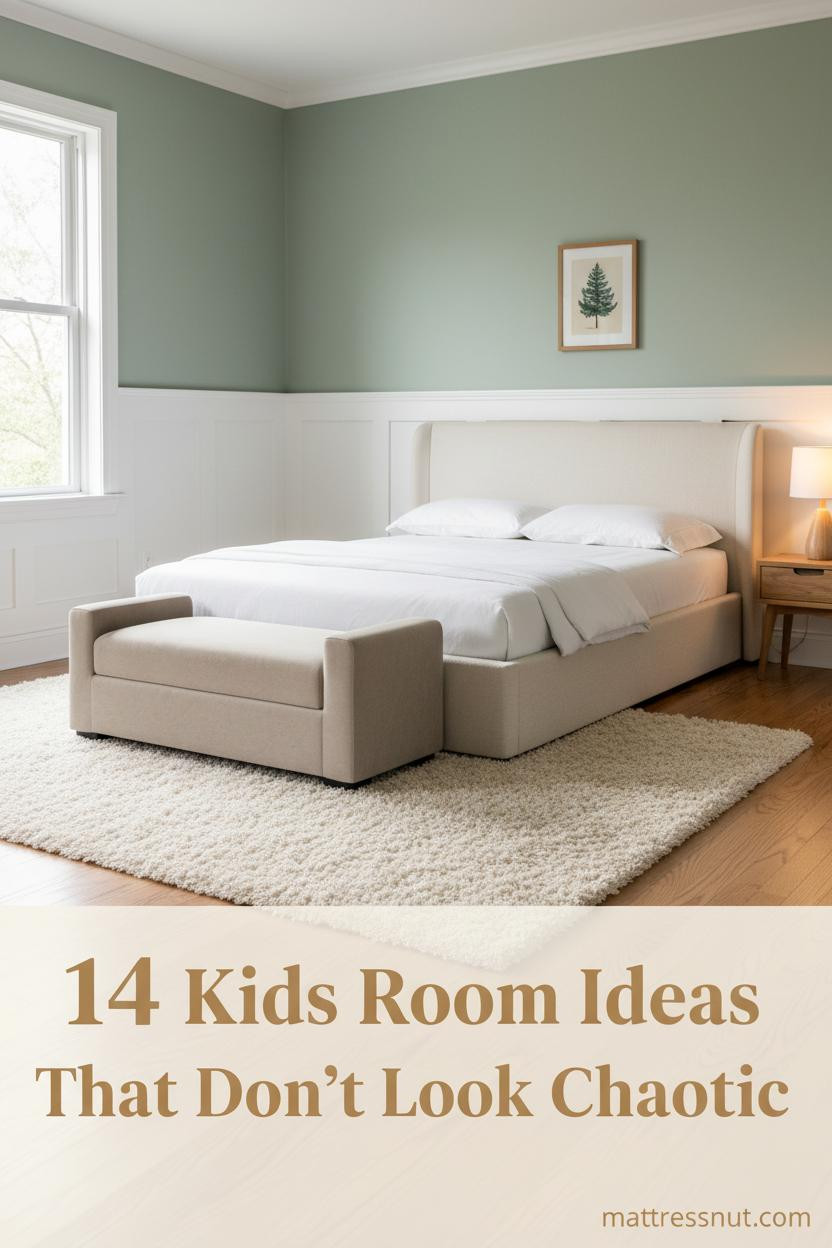
Bold Color, Calm Room — Sage and Shiplap Done Right
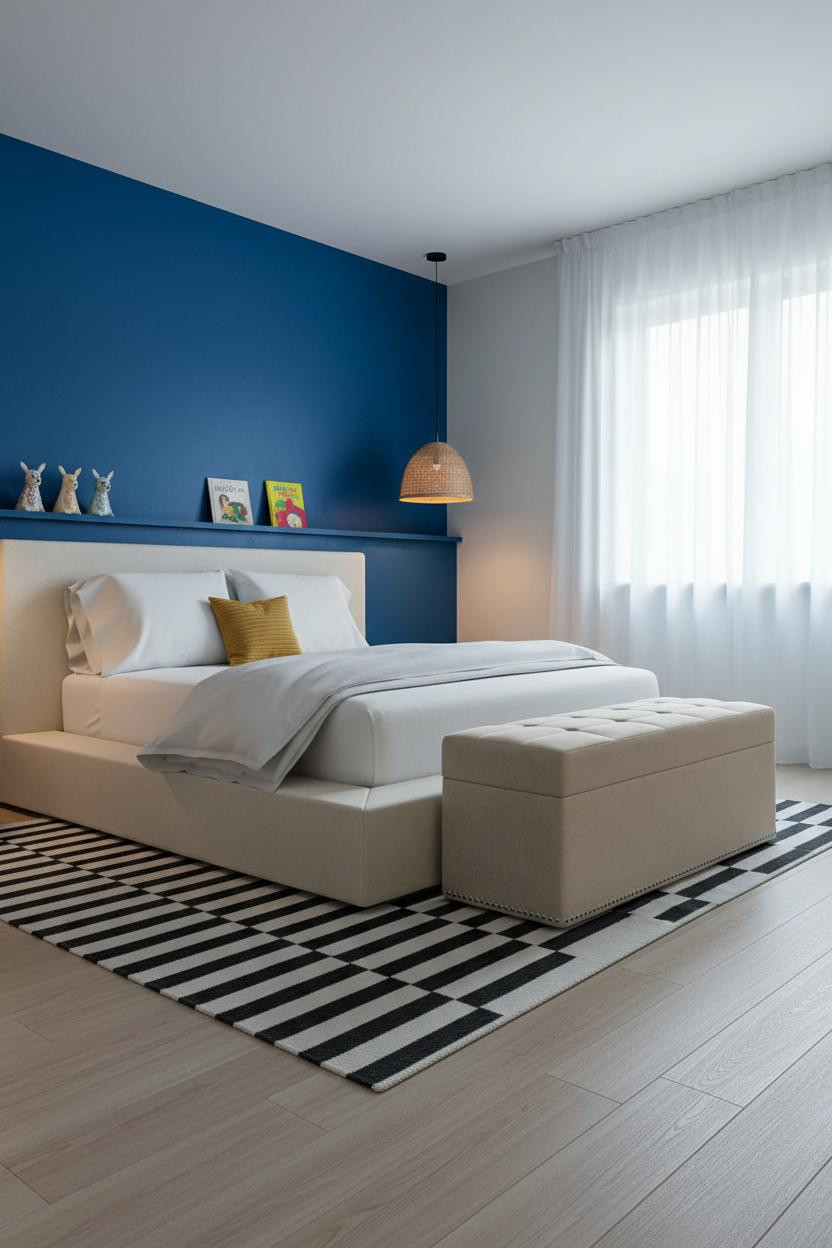
I'll be honest: sage green on kids' room walls sounds like it could go either way.
But the horizontal shiplap in the lower third is what saves it from feeling too adult. It gives the room a visual floor that keeps the color from floating.
The easy win: Keep accessories warm and natural. A cream wool rug and woven basket balance the cool wall tone.
Forest Green Shiplap That Earns Its Drama
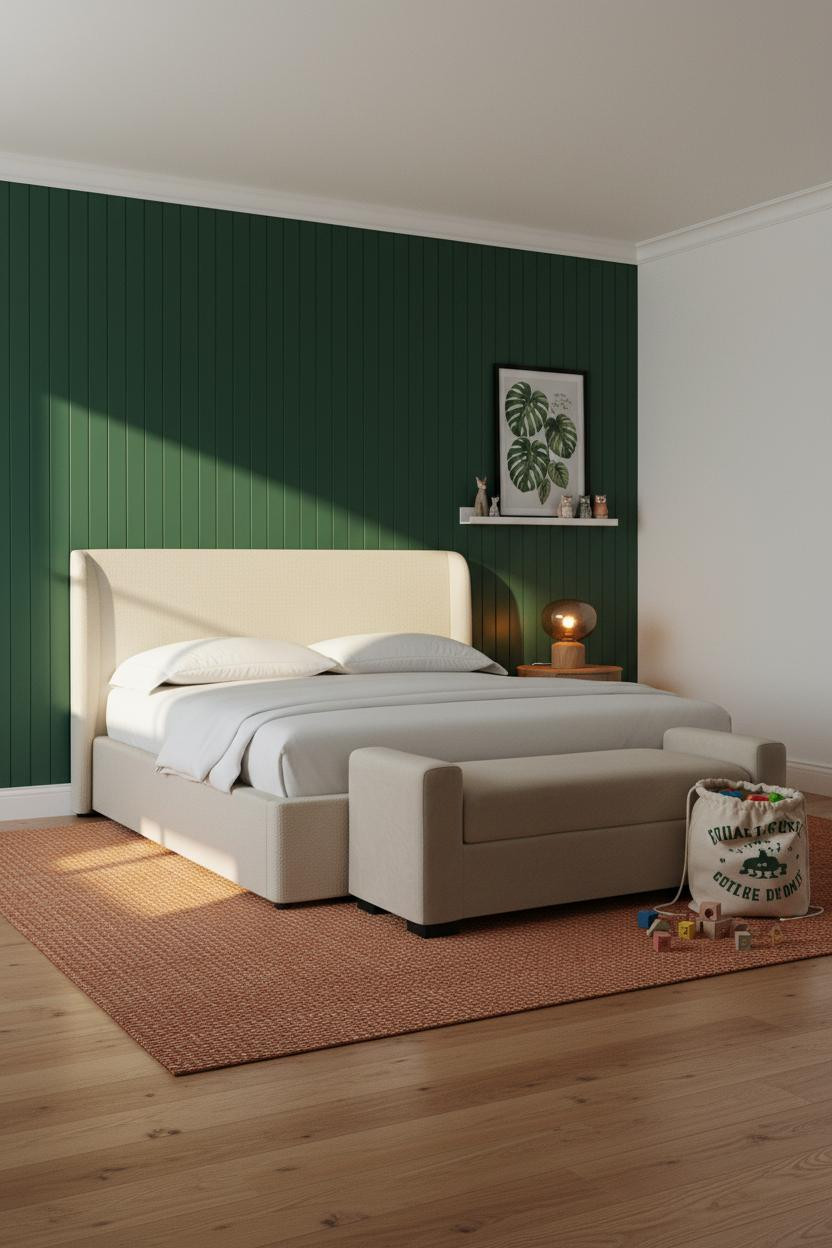
Mint green above white wainscoting works because it doesn't overcommit. The painted wainscoting below keeps the color feeling contained rather than overwhelming the whole room.
Design logic: Two-tone walls with a clear horizontal break give a small bedroom structure that furniture alone can't provide.
Where to start: Paint the upper walls first. Live with it a week before adding anything else. See also: small kids rooms that actually feel bigger for more two-tone ideas.
Why Seafoam Beats Plain White Every Time
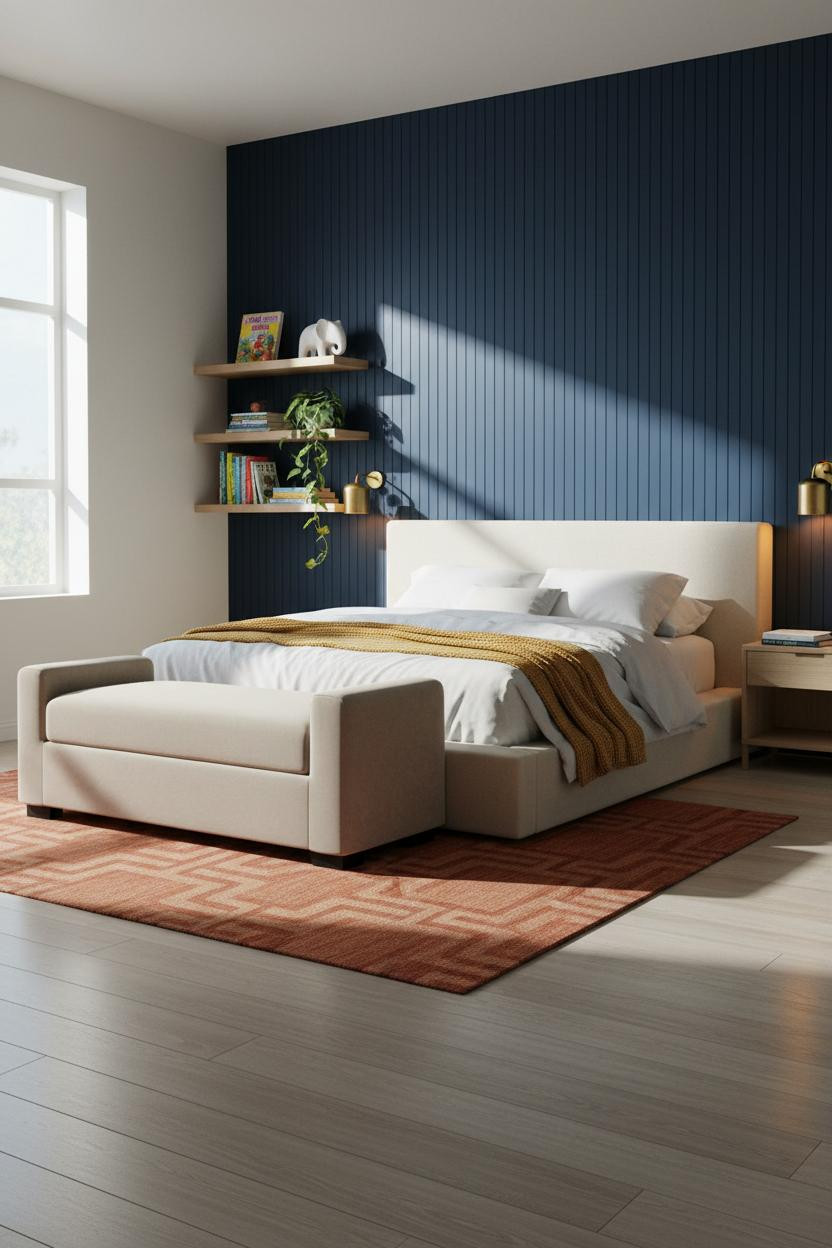
I keep coming back to seafoam for kids' rooms. It's softer than blue and warmer than grey, and it photographs beautifully in natural light.
Why it feels balanced: Soft seafoam walls above white grain-textured shiplap give the room personality at child eye level, which is actually where it matters most.
Pro move: Pair with a cream wool rug and a woven basket for storage. Enough warmth to feel lively, while still feeling organized.
The Charcoal Room I Didn't Expect to Work for Kids
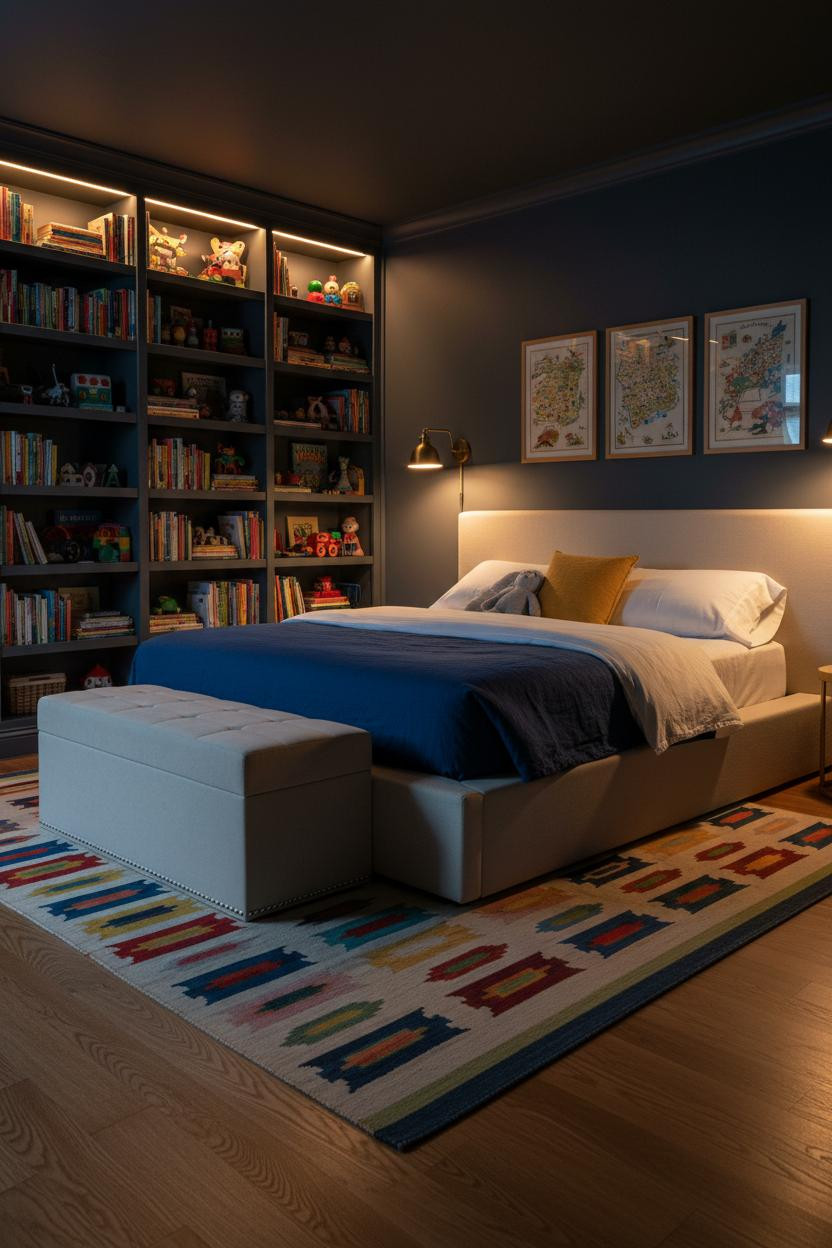
Dark walls in a kid's room. Sounds wrong. But with warm taupe instead of true charcoal, it actually settles into something cozy rather than cave-like.
And the white shiplap paneling in the lower third stops it from reading too moody, which is the whole reason it works. The room feels warm without being heavy.
Avoid this mistake: Don't skip the warm-toned task lamp. Cool light on dark walls makes the whole thing feel clinical.
Lavender-Grey Wainscoting for the Room That Needs to Grow Up Slowly
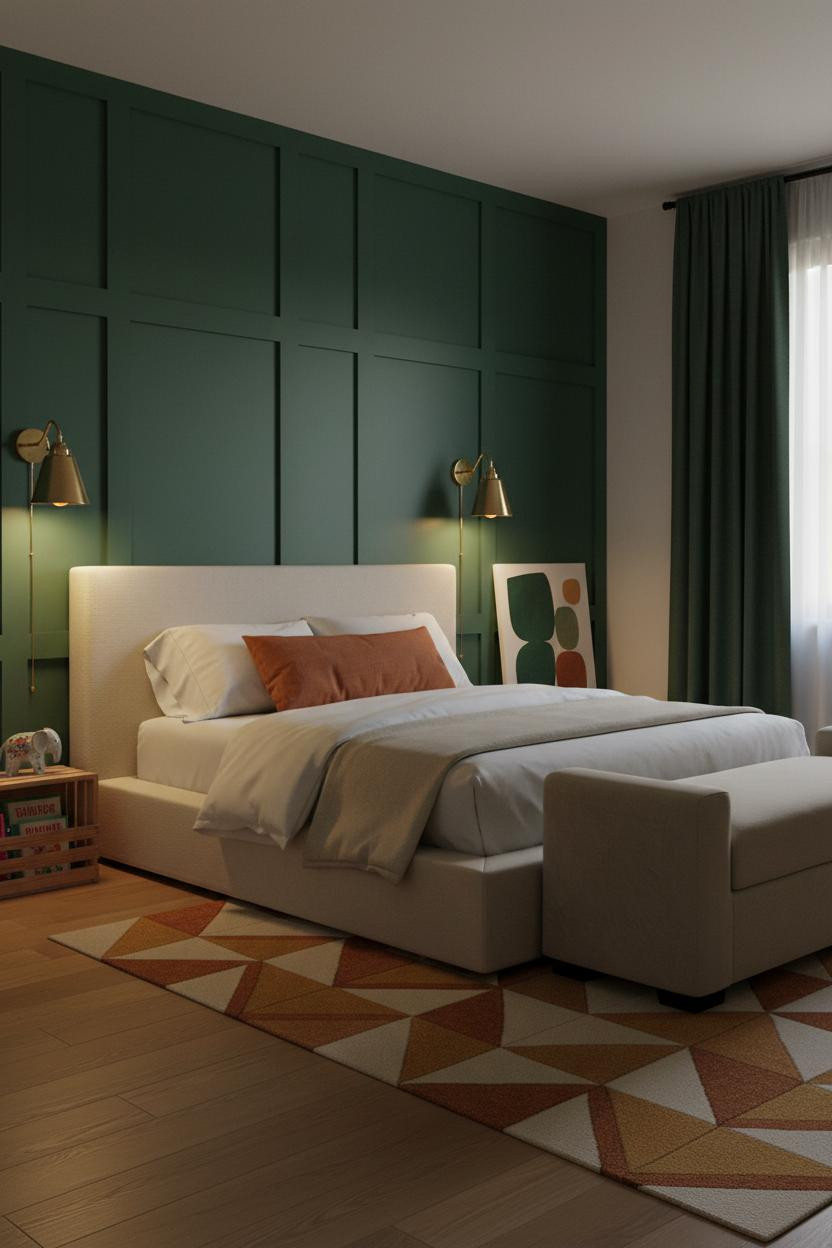
Lavender-grey is one of those colors that ages better than you'd think. It's playful enough for a seven-year-old but doesn't embarrass a twelve-year-old either.
Why it stays fresh: Pairing it with white wainscoting below keeps the palette from going too sweet, especially with natural wood flooring pulling it back to earth.
In a room designed to grow with the child, the smarter choice is a wall color that transitions gracefully. This one does.
Peach Shiplap and a Warm White Room That Feels Like a Hug
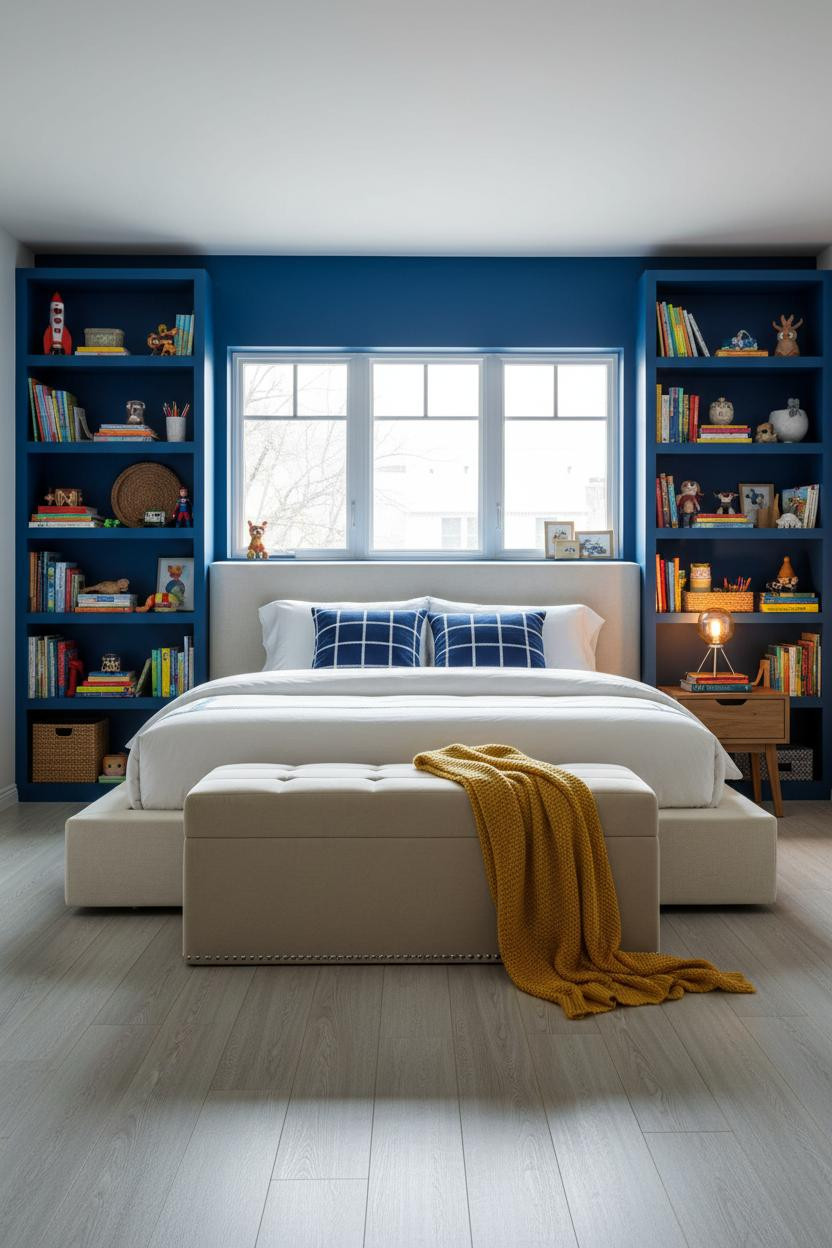
Pale peach shiplap below warm white walls is honestly one of the softest combinations I've seen in kids' bedroom interior design. It feels lived-in and intimate from the doorway.
What creates the mood: The pale peach horizontal shiplap adds texture at eye level without pulling focus from the rest of the room. And the grey wool rug grounds it just enough.
Worth copying: Add a chunky knit throw in cream. One piece of texture changes the whole energy. Check out the best kids beds for frames that work with this palette.
Butter-Yellow Walls That Actually Make the Room Feel Bigger
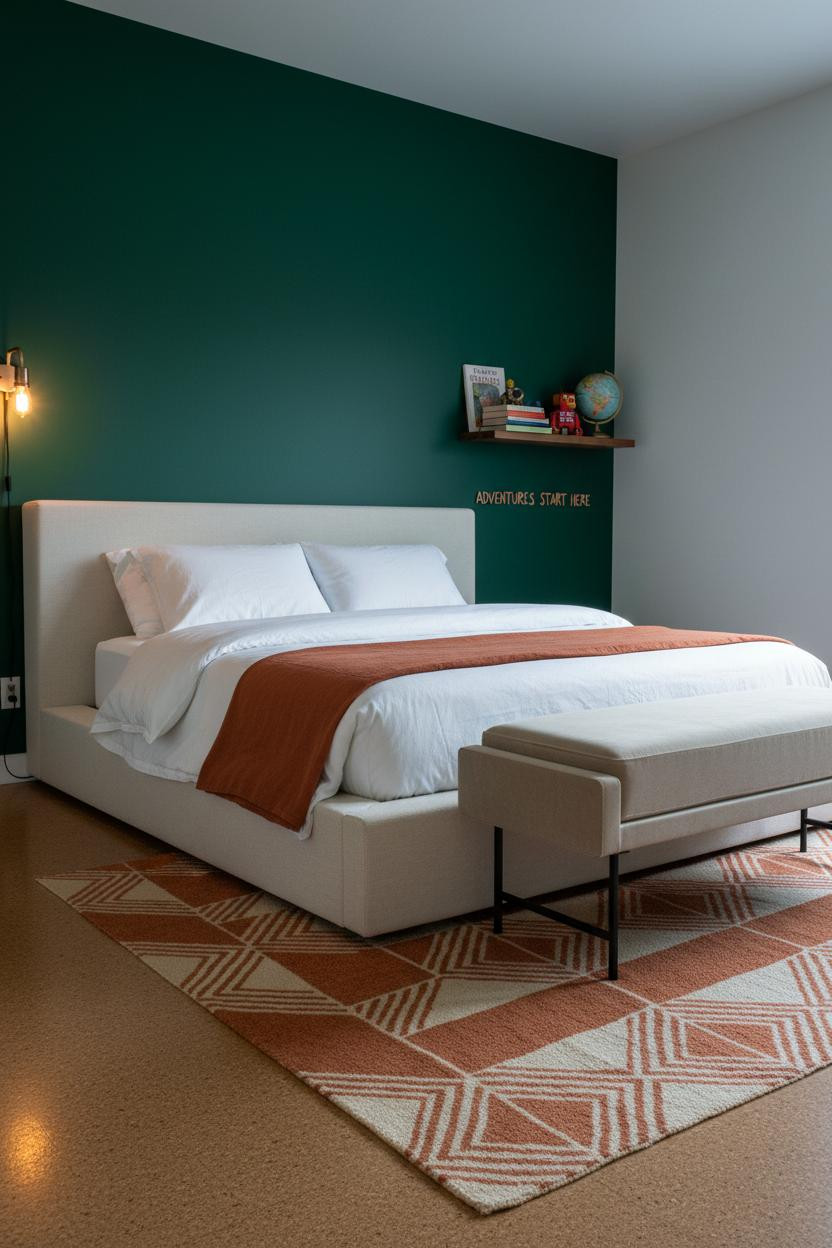
Warm yellow walls reflect light in a way that cool whites simply don't. The room feels open even when the square footage isn't generous.
What gives it presence: A soft butter-yellow accent above white shiplap paneling creates cheerful visual rhythm that doesn't rely on clutter or accessories to feel complete.
The finishing layer: A small succulent on a wooden shelf and one framed illustration. Nothing too precious. That keeps the whole room from looking over-styled.
Navy Tongue-and-Groove — The One My Kid Would Actually Pick
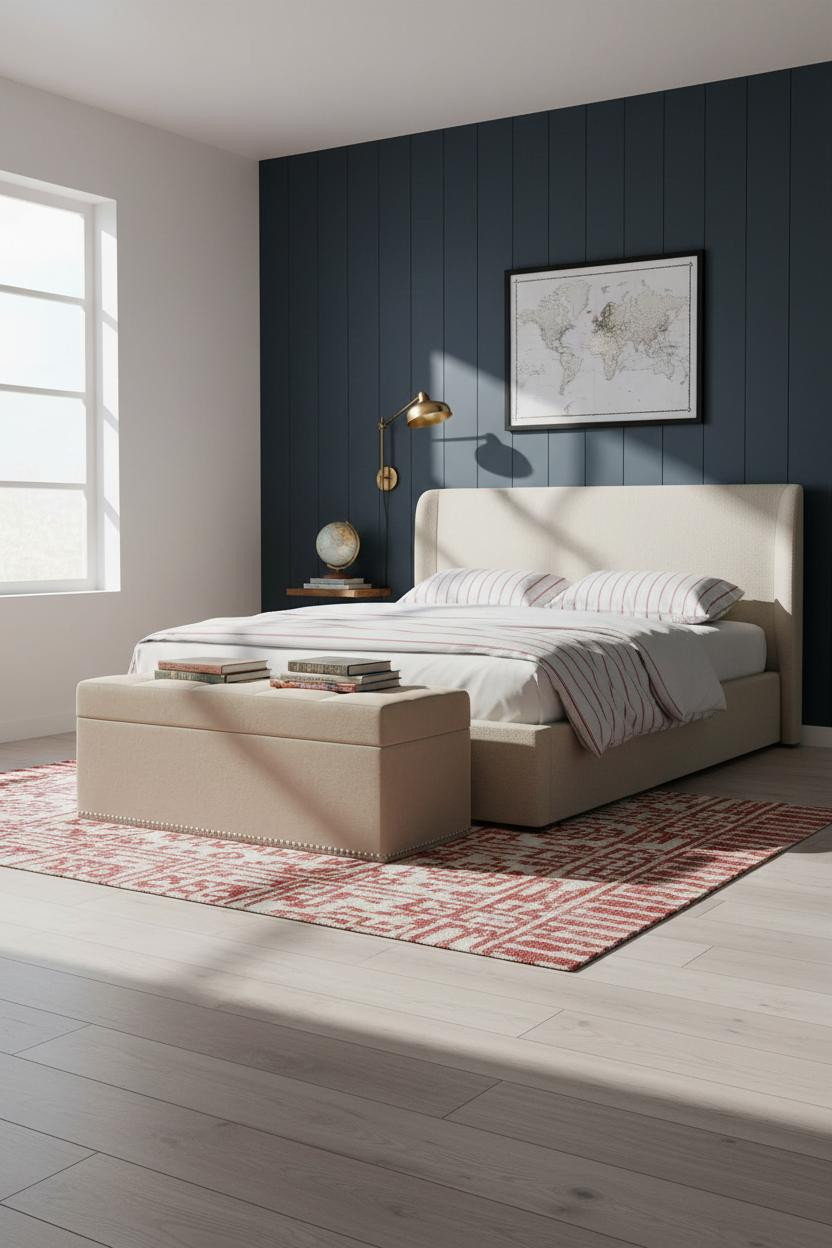
Warm grey above white wainscoting. Simple formula. But the wainscoting paneling keeps the grey from feeling bland, and the whole thing looks more considered than it is.
The real strength: Warm grey is one of those wall colors that photographs well in every season and still looks right when the toys change. Low effort, long payoff.
One smart swap: Replace overhead lighting with a warm bedside lamp. It's a small move that changes how the whole room settles at night. This pairs beautifully with a loft bed setup if you need vertical storage too.
Terracotta and Shiplap — the Combination I Didn't See Coming
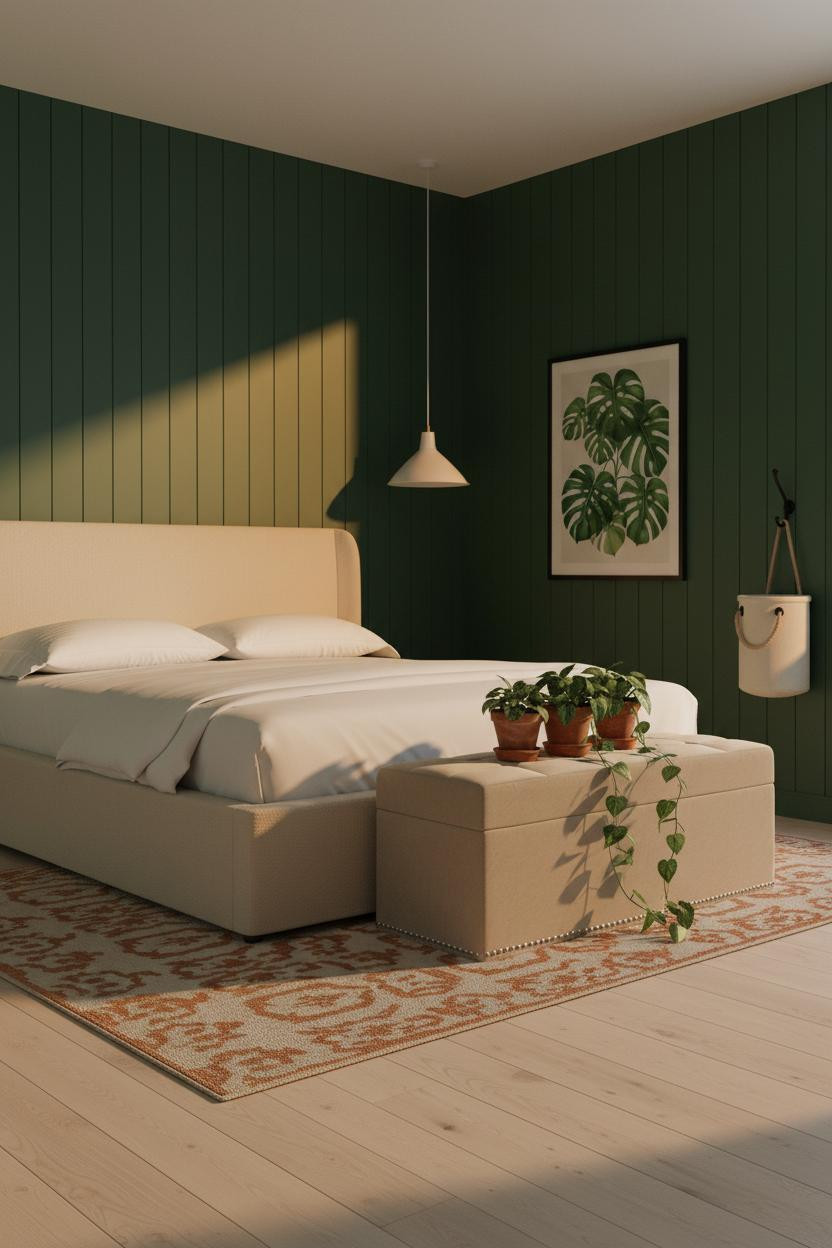
Terracotta above white shiplap is warmer than I expected. Somehow it pulls off earthy without feeling heavy, especially with natural wood furniture doing its thing below.
Why the palette works: The terracotta accent wall and white lower paneling create a two-tone backdrop where the color stays contained rather than consuming the whole room.
What to copy first: Hang one framed nature illustration at child eye level on the terracotta wall. Scale matters here. Go bigger than you think.
Blush Pink That Earns Its Place in a Modern Kid's Room
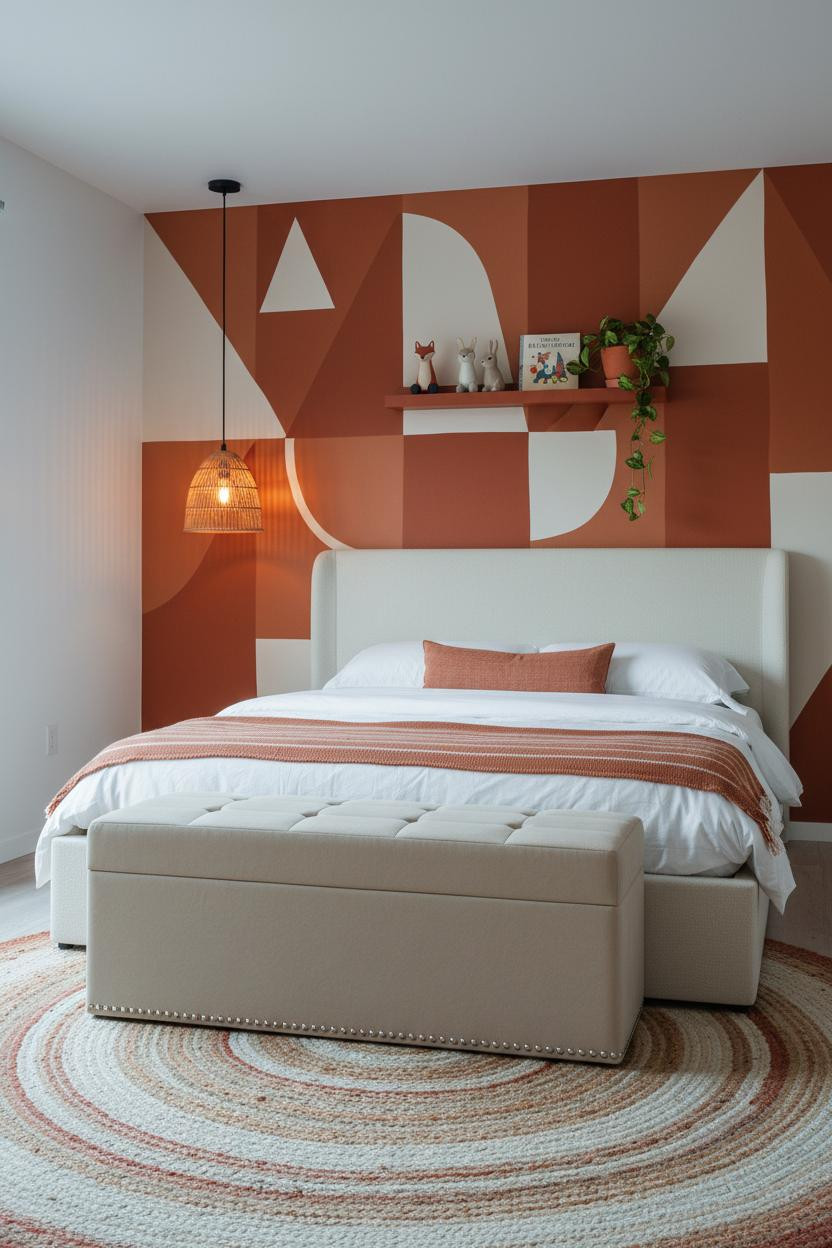
Blush pink gets a bad reputation. But a soft blush accent wall above cream-toned shiplap is a completely different animal from an all-pink room.
The hand-stitched blush linen pillow picks up the wall color in a way that feels collected rather than decorated. And the cream wool rug below keeps things from going too sweet.
Avoid this mistake: Don't add more than one pink accent piece. The wall is doing the heavy lifting. Let it.
Sky Blue and Wainscoting for the Room That Has to Do Everything
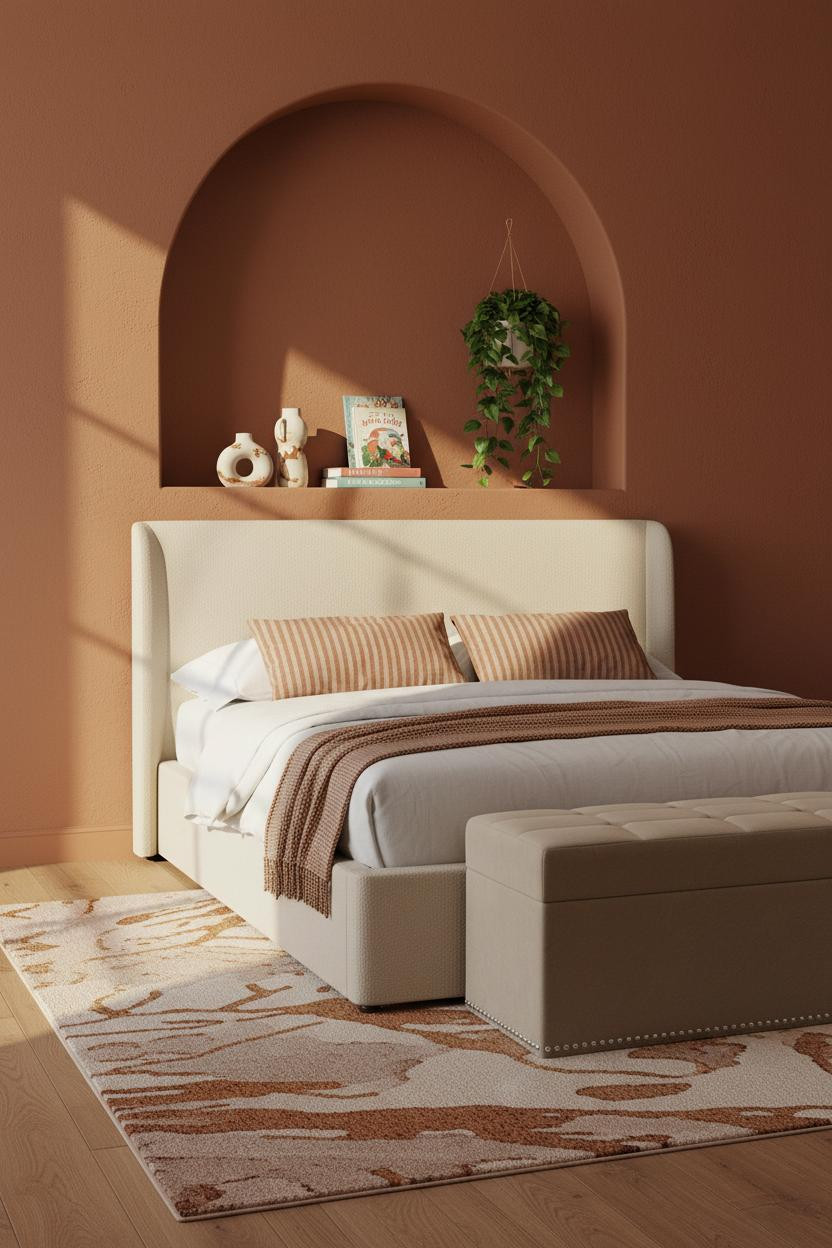
Sky blue above white wainscoting is a classic combination for a reason. It's calm enough for sleep and cheerful enough for homework.
Why it works here: The white wainscoting paneling creates a clean visual anchor below the sky blue, in a way that feels architectural rather than just painted. The room feels polished but still relaxed.
Best for: Rooms that double as play zones and study spaces. The blue keeps it from reading too bedroom-specific. For more ideas on making a shared room work, see bunk bed room dividers for kids.
Sage Green Paneling — Calm, Organized, and Actually Livable
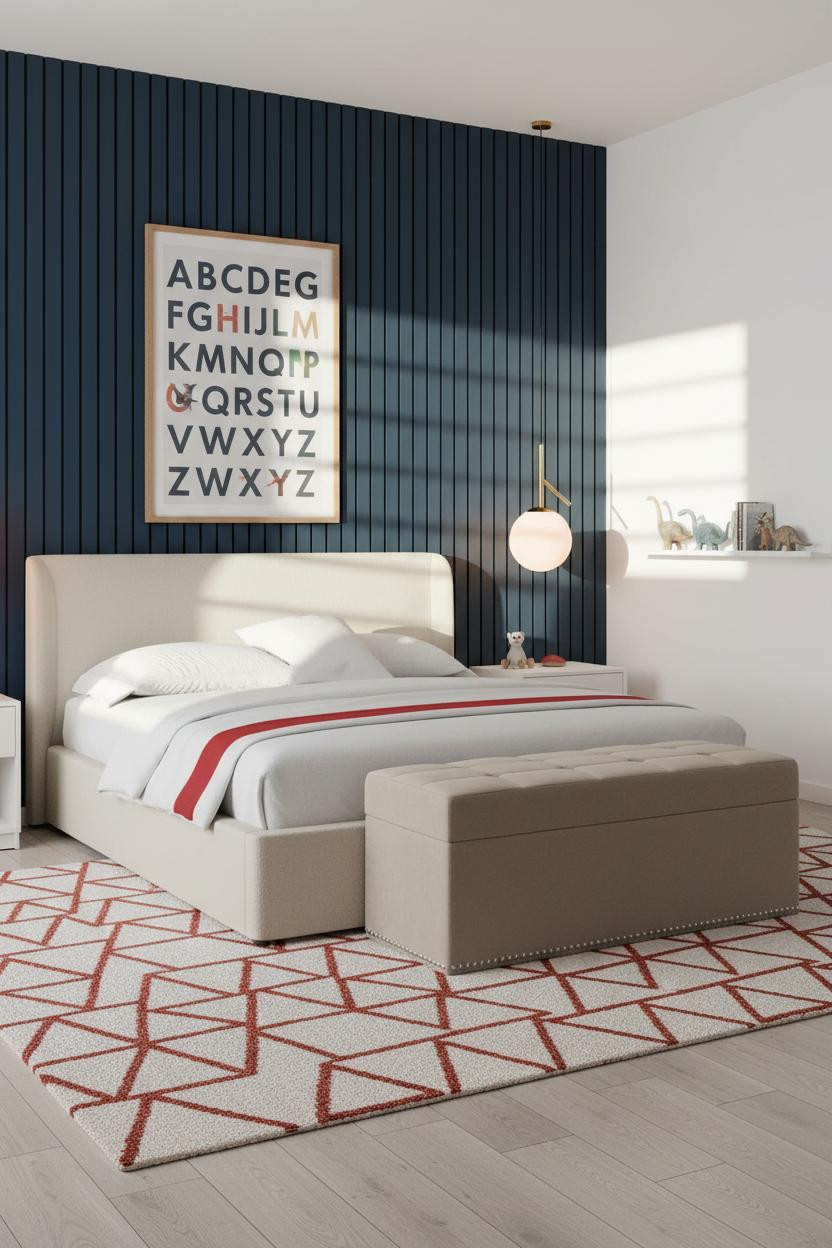
Quiet rooms are underrated. Especially for kids.
And this sage green with warm white paneling below is about as close to a perfectly calm kids' room as I've seen. The grey wool rug with subtle pattern adds just enough texture to keep the floor from disappearing into the walls.
The practical move: Use a woven storage basket under the nightstand. Visible storage that looks intentional is the difference between a room that feels organized and one that just feels full. If you're working with two kids in one room, making bunk beds look cute with a similar palette is a great next step.

Our #1 Pick
Saatva Classic Mattress
America's best-selling online luxury innerspring. 365-night trial, lifetime warranty, free white glove delivery.
Shop Saatva Classic
The Foundation Of Every Beautiful Bedroom
All of this — the sage green, the shiplap, the woven baskets — looks better when the bed itself is right. And a kid's bedroom is no different from any other: the mattress is where the room actually earns its keep.
The Saatva Classic brings dual-coil support that holds its shape year after year, an organic cotton cover that breathes through every season, and a Euro pillow top that's soft without going squishy. Walls get repainted. Bedding gets swapped. The mattress stays.

Start with the bed. The rest figures itself out.