
 by
by Our #1 Recommended Mattress
Saatva Classic. From $1,095
365-night trial · Lifetime warranty · Free white-glove delivery
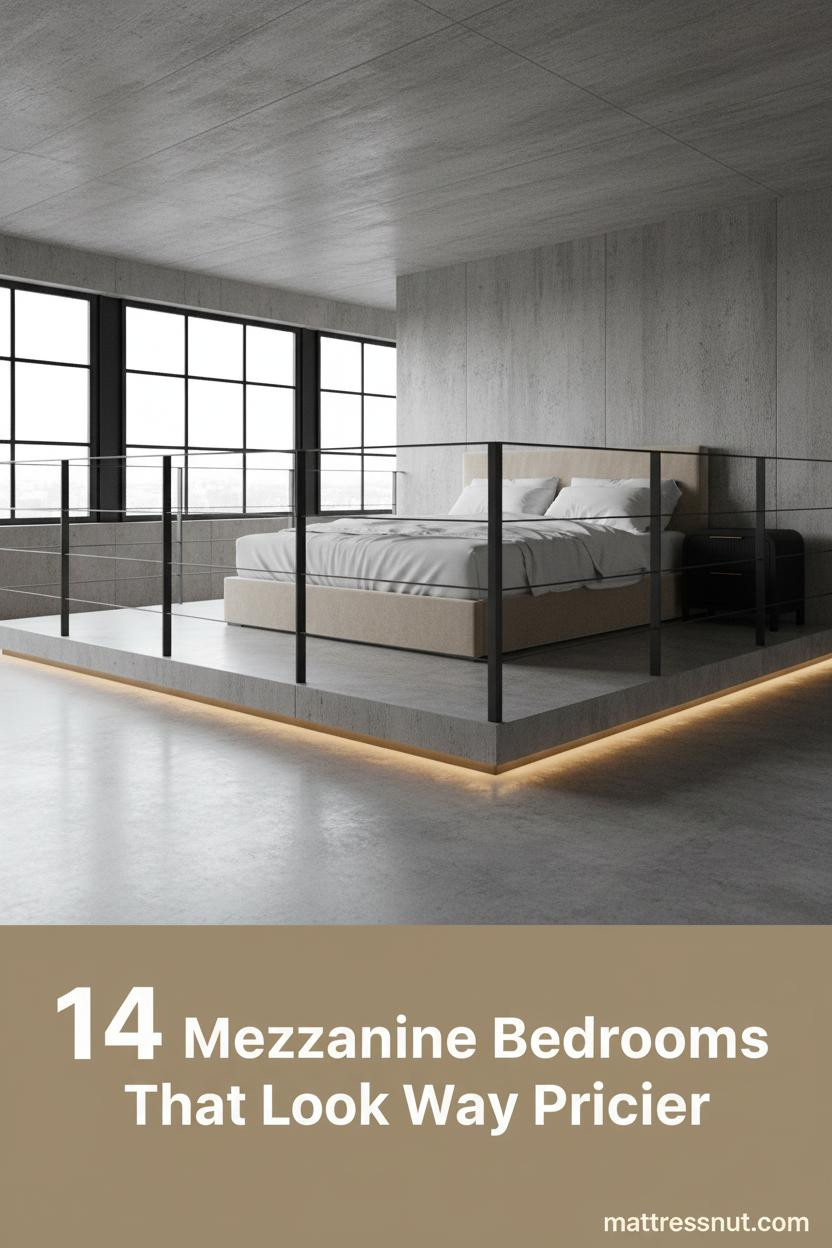
The first thing you notice in the best mezzanine bedroom designs isn't the bed. It's the air. That double-height volume that makes a 400-square-foot apartment feel like it actually has room to breathe.
These 14 layouts prove the concept works across styles, from raw industrial to warm Scandi. And honestly, a few of them surprised me.
The Two-Zone Industrial Loft That Actually Functions
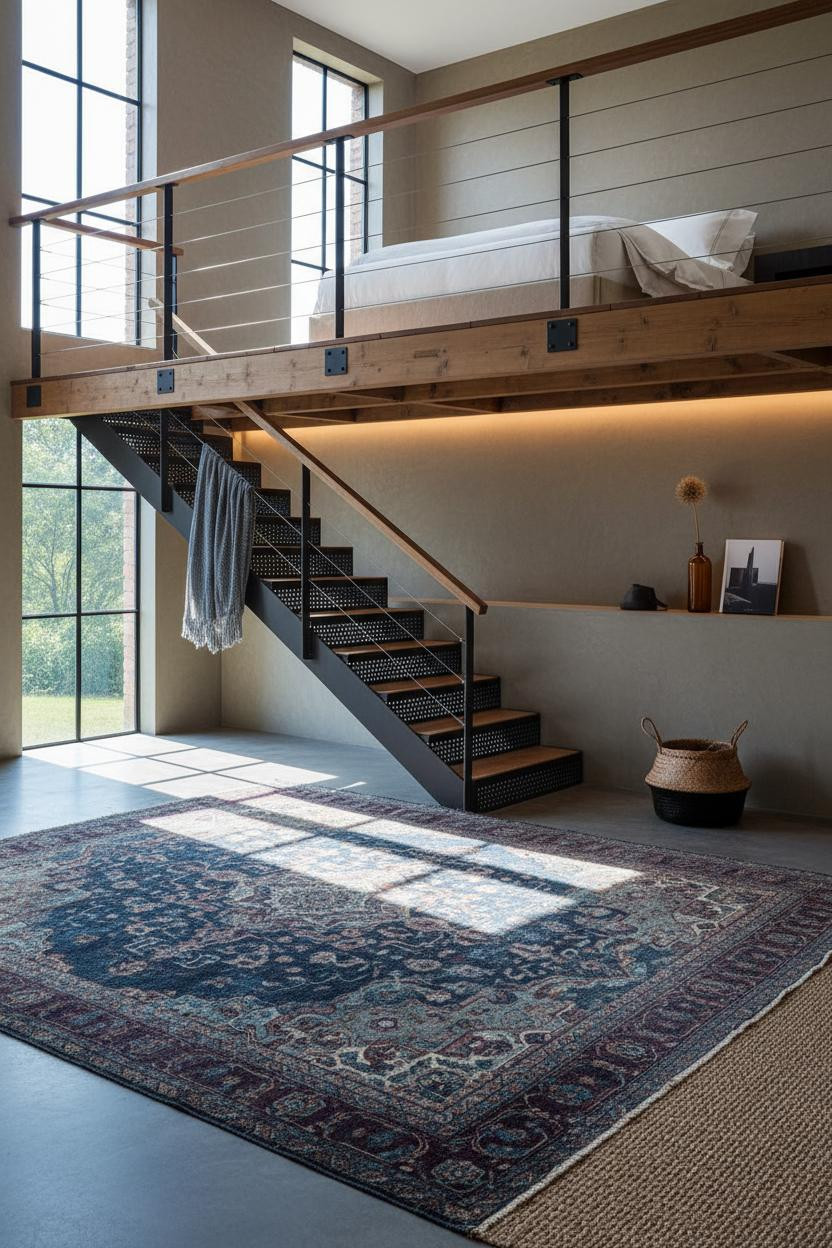


This is the kind of layout that makes you rethink what "small apartment" even means.
Why it holds together: The blackened steel cable railings define the sleeping zone without boxing it in, and the exposed timber platform edge keeps the whole thing from feeling too cold.
Steal this move: Keep the lower zone sparse. The platform does enough visual work on its own.
When Storage Is Hidden Inside the Platform Itself
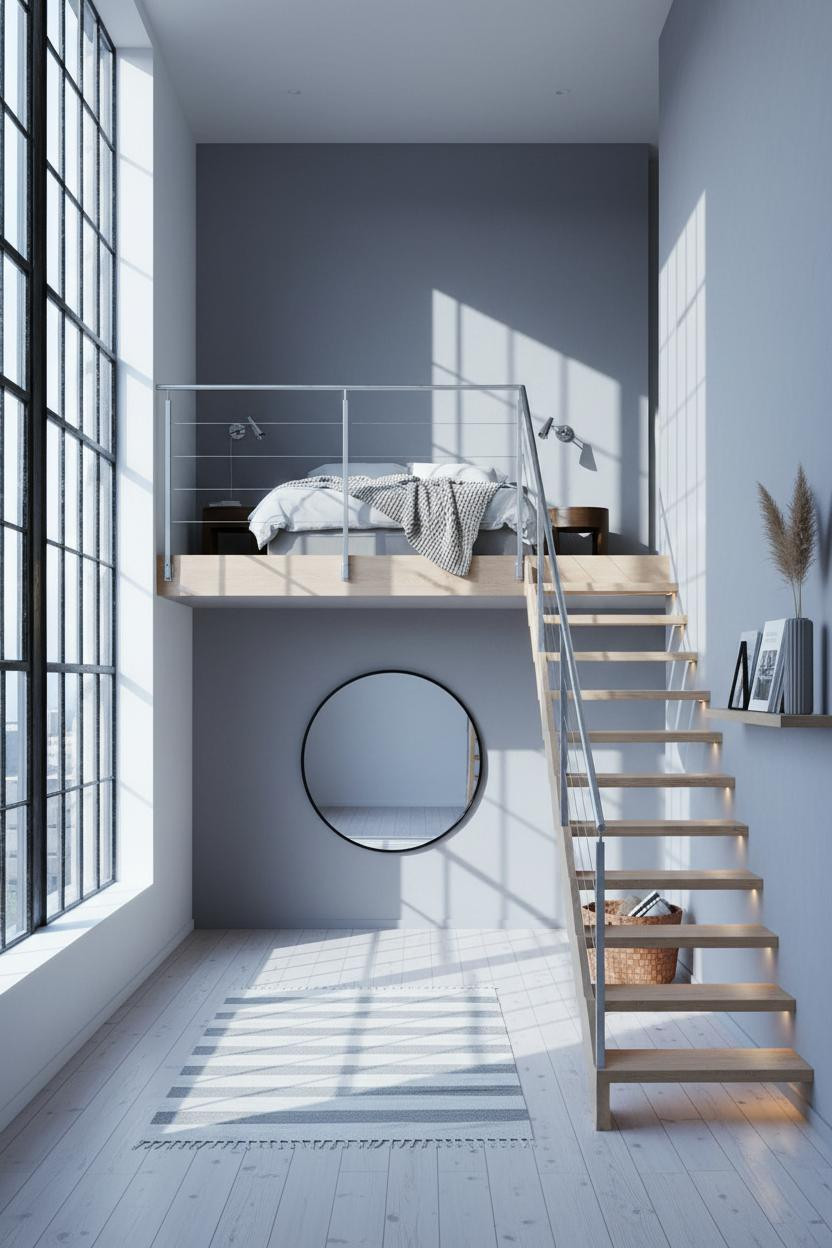


A loft bed with built-in storage solves two problems at once, and this layout leans into that completely.
What makes it work: The light oak platform deck sits over a storage frame that keeps clutter off the lower level, so the room feels open while still having plenty of actual square footage to work with.
The smarter choice: Pair a storage platform with a low-profile nightstand. Anything tall up here competes with the headroom you're trying to protect.
A Botanical Touch That Softens the Industrial Frame
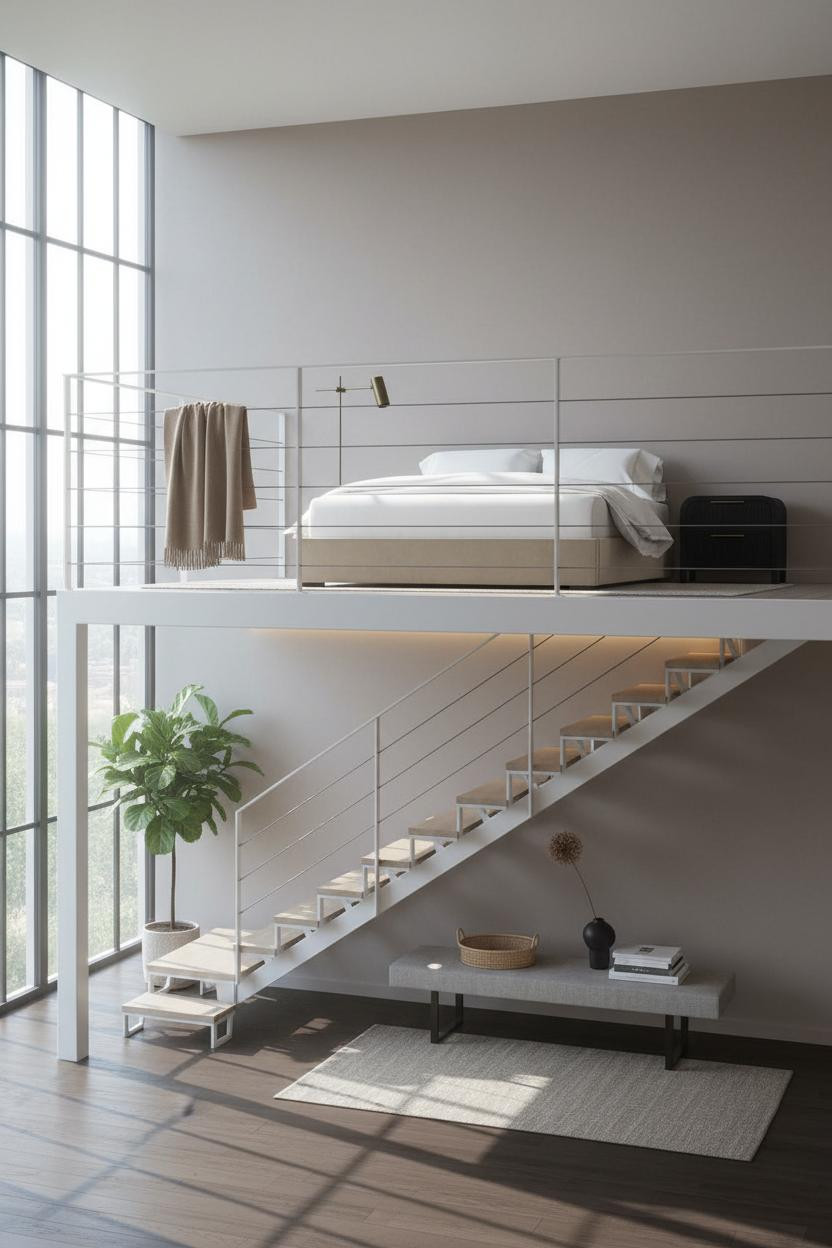
I keep coming back to this one. Something about the plant in the lower zone just fixes the whole mood.
But it's not really about the plant. The soft taupe plaster walls do the heavy lifting, keeping the steel frame from reading too cold while the fiddle-leaf anchors the lower zone with enough organic weight to balance the rigid structure above.
The finishing layer: One large-scale plant below the platform creates a visual anchor that furniture alone can't pull off in a double-height room.
Glass Stairs Make the Whole Loft Feel Bigger
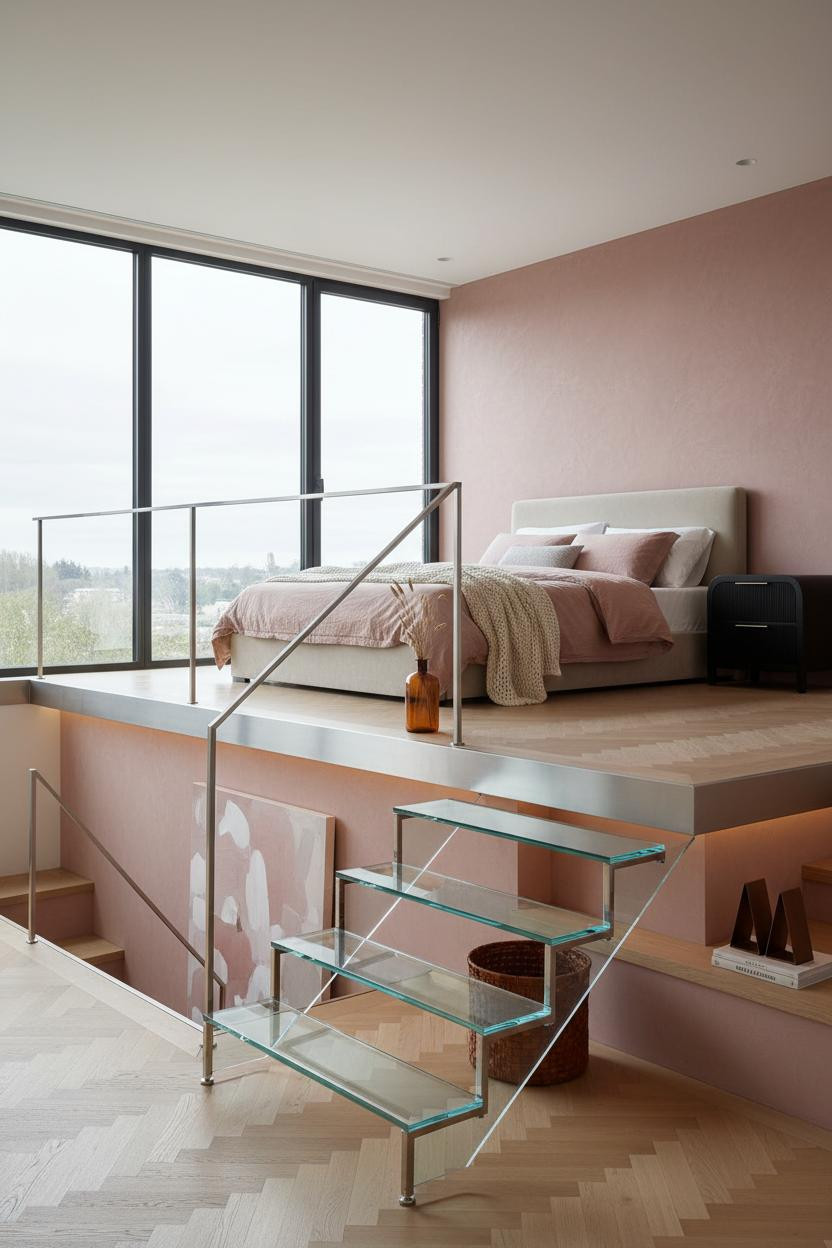
Transparent stairs are a commitment. But the payoff in a compact loft is real.
The reason this layout feels larger than it is: open-tread glass stairs with polished chrome stringers let your eye travel through the vertical stack instead of stopping at a solid structure. The room reads as one connected volume, which is the whole point of a mezzanine.
In a small loft, the smarter choice is a staircase that disappears visually rather than one that divides the room in two.
Raw Steel and Concrete: The Look That Earns Its Edge
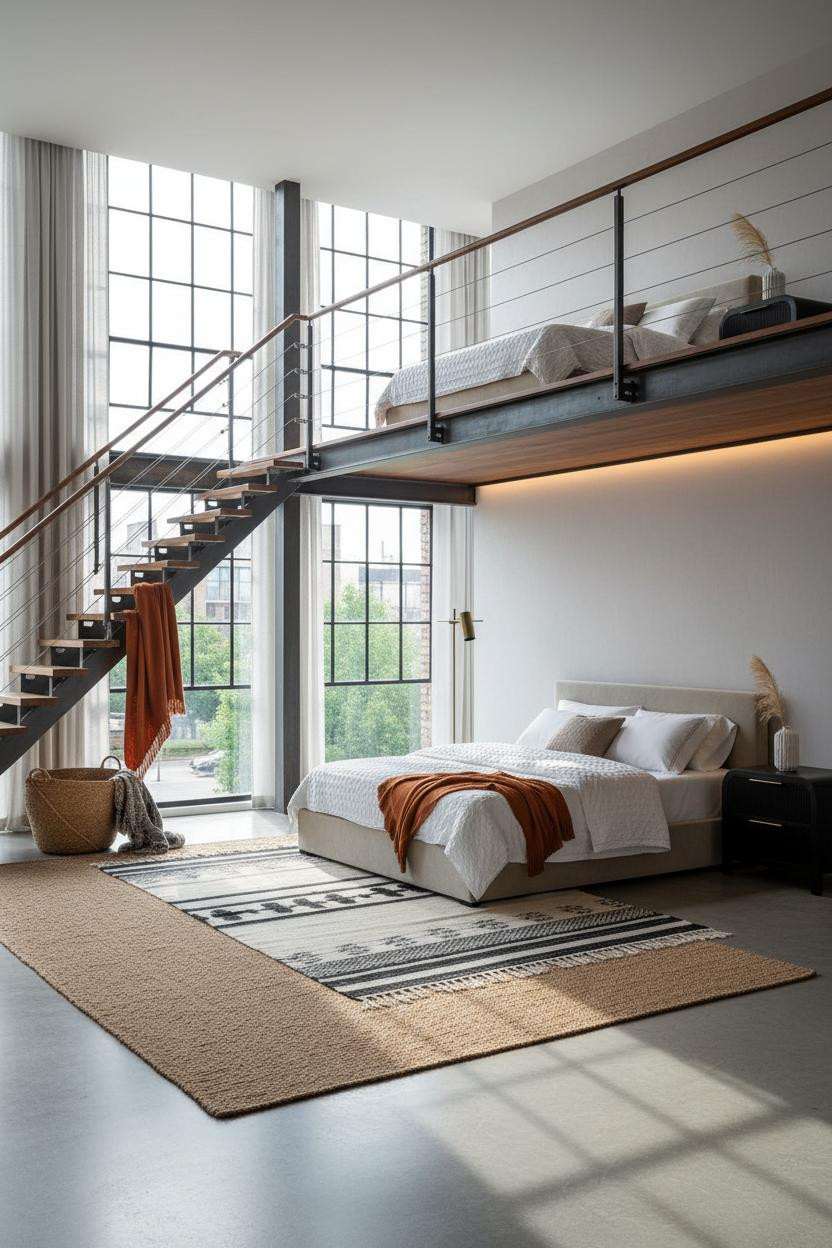
Admittedly, the raw steel and polished concrete combo isn't for everyone. But when it works, it really works.
What gives it presence: A raw steel I-beam platform paired with polished concrete below creates hard contrast between the two zones, and that contrast is exactly what makes the vertical split feel intentional rather than accidental.
Avoid this mistake: Don't soften every edge. The hardness of the materials is the point. One warm textile (a burnt orange mohair throw, say) is all you need.
Terracotta Walls Turn the Lower Zone Into the Best Seat in the Apartment
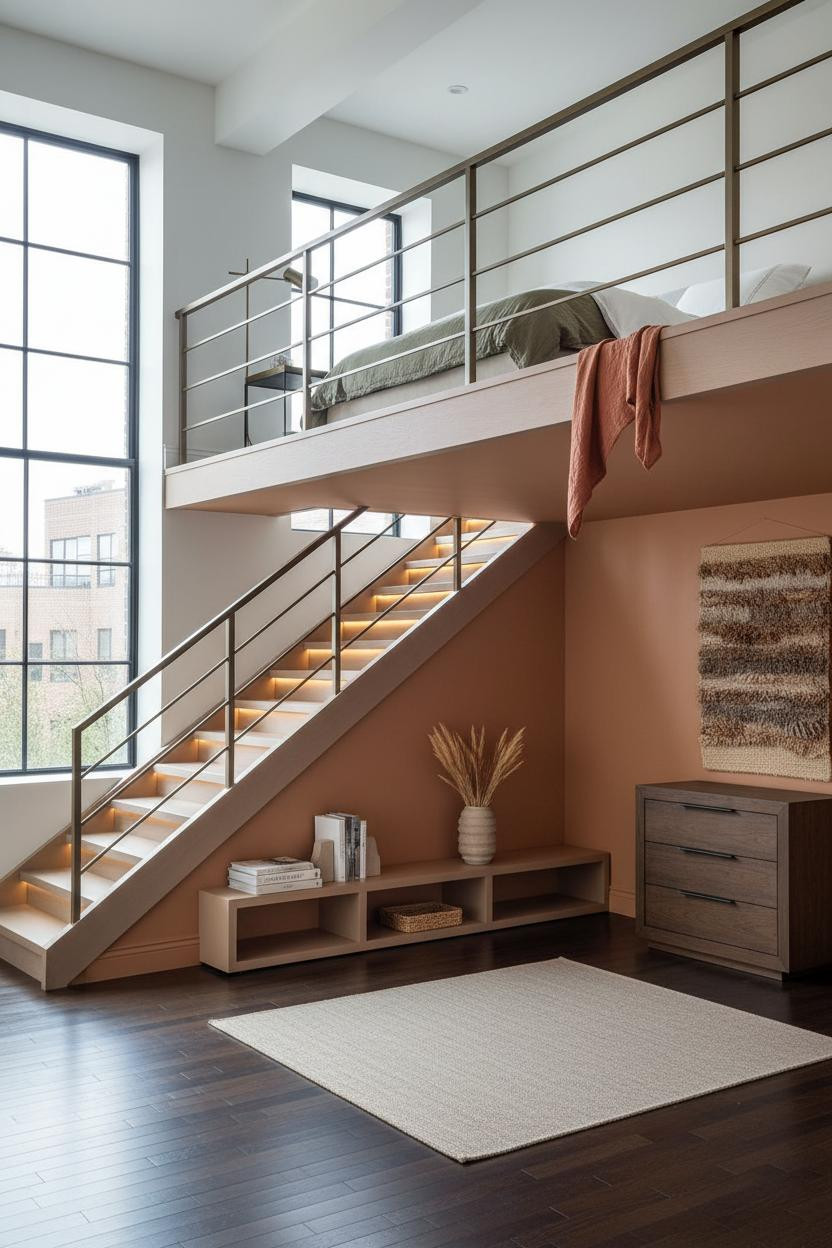
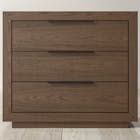
Most mezzanine layouts treat the lower zone as an afterthought. This one doesn't.
Why the palette works: Warm terracotta plaster below the platform soffit makes the lower zone feel like a separate room entirely, warm and lived-in, while the smoked-oak platform deck and brushed-bronze railing keep the upper level from going too rustic.
Worth copying: Use the wall below the platform as a statement surface. A woven wall hanging or a bold color does more here than anything you'd put on the platform itself.
Concrete Slab Edges and Smoked Glass: When Loft Gets Minimal
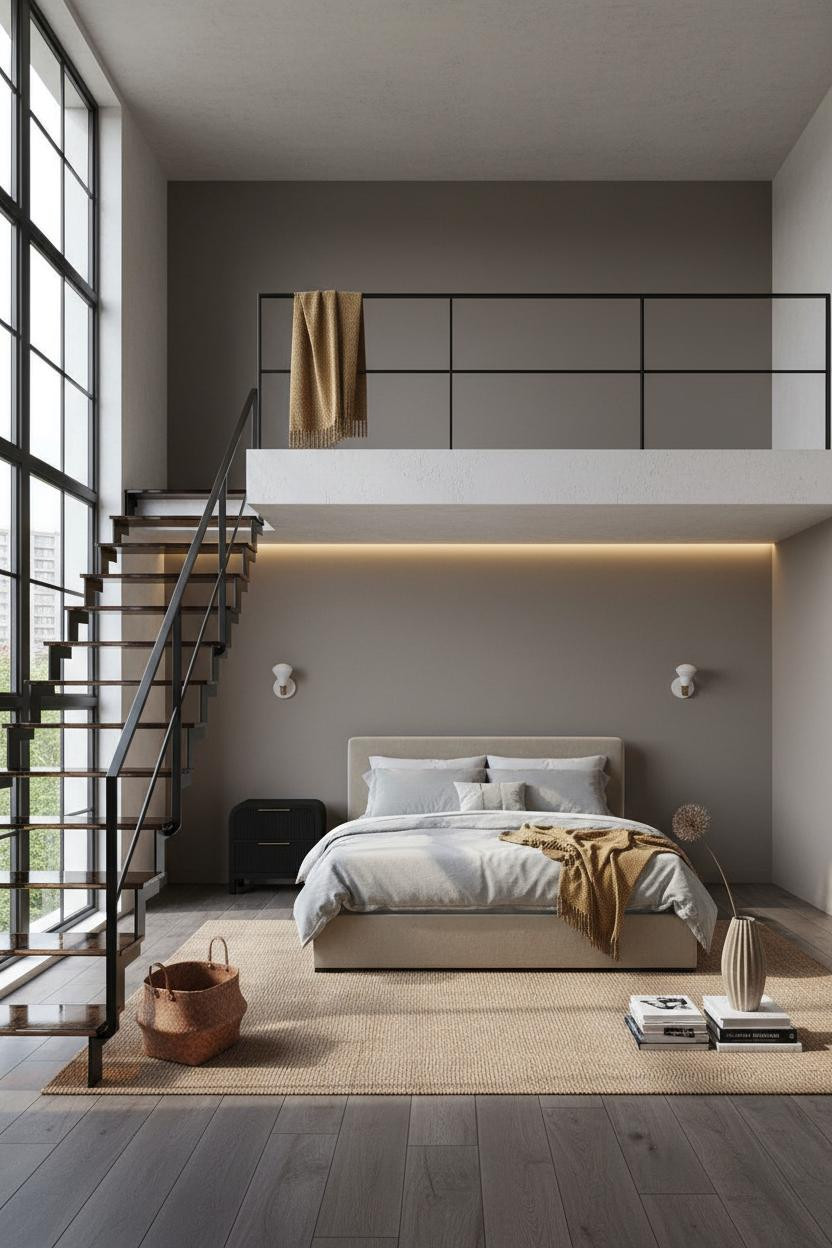
Nothing fancy. That's the whole point of this approach.
The poured-concrete platform deck with slim powder-coated railings keeps the material palette to two tones, which means the vertical scale does all the heavy lifting. And smoked-glass stairs pull light through both levels without interrupting the clean geometry. The room feels calm and cohesive in a way that busier layouts rarely achieve.
The Farmhouse Mezzanine I'd Actually Live In
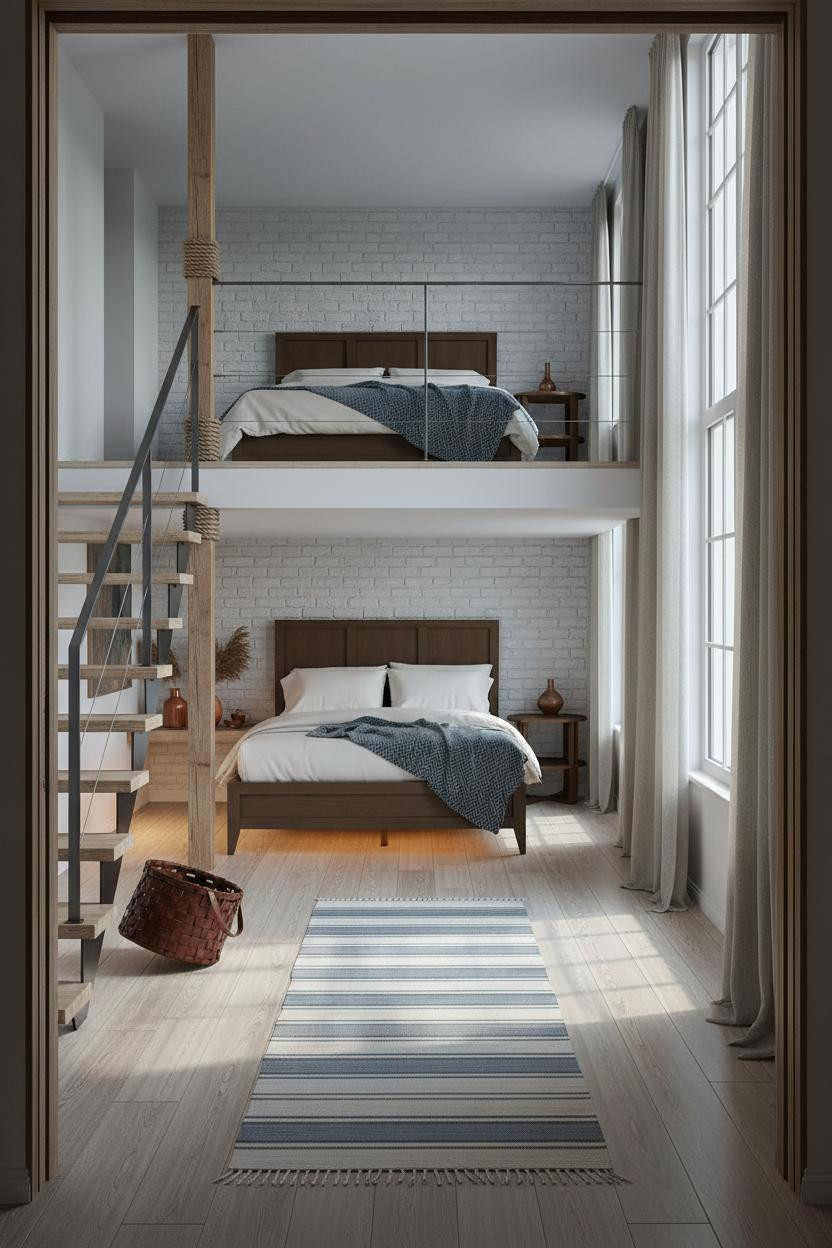

I'd choose this one over most of the others on this list. It has a warmth the industrial layouts can't quite reach.
Why it feels different: Chunky turned timber posts with rope-wrapped joints slow the eye down, giving the structure a handmade quality that sets it apart from the usual steel-and-plywood builds.
The key piece: Floor-to-ceiling oatmeal linen curtains below the platform add enough softness to offset the raw brick and pine without making the lower zone feel too precious.
Dark Walls Up Top Change the Whole Personality of the Loft
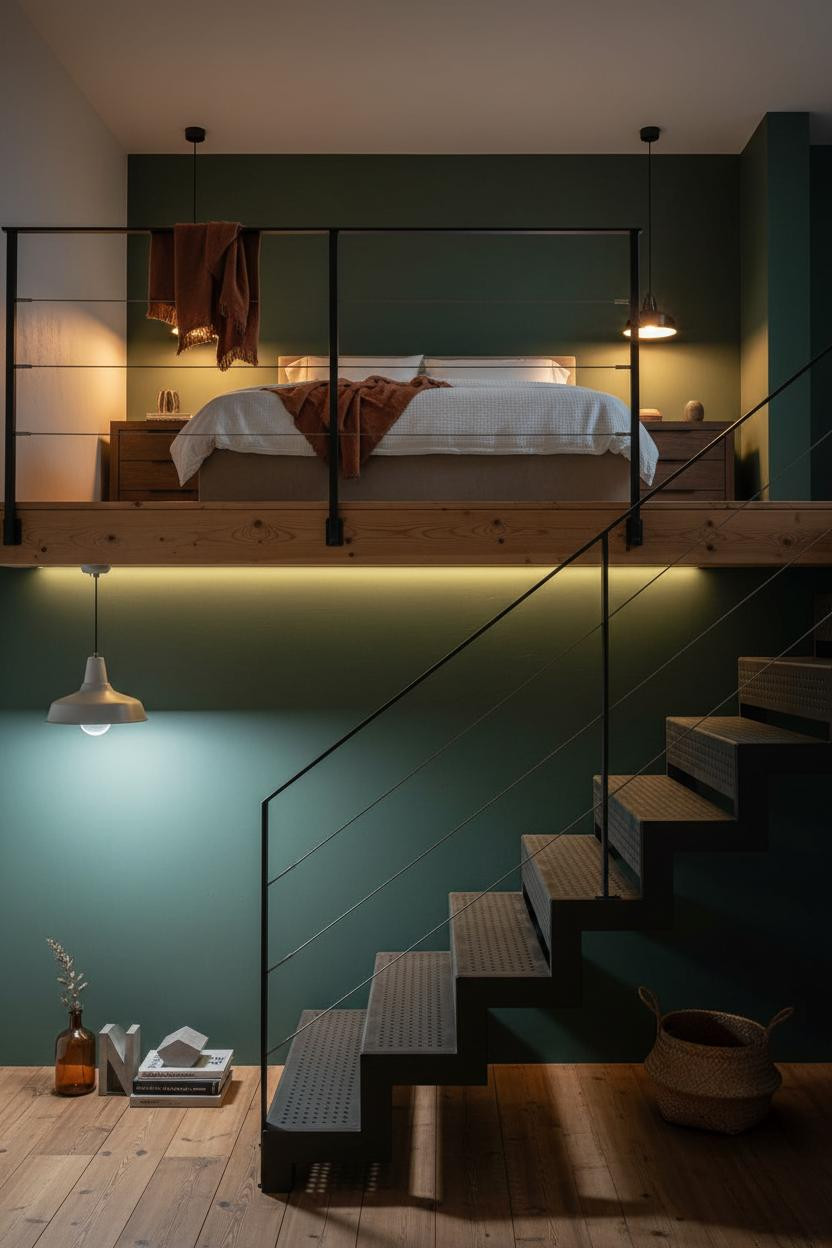
Bold choice. Moody evening light on a deep forest green wall is not where most people start with a small bedroom design.
What creates the mood: Deep forest green matte plaster wraps the upper platform zone, making the sleeping area feel like a separate room tucked above the living space, warm and enclosed. The reclaimed wood wide-plank flooring below adds just enough texture to connect the zones.
Don't ruin it with: Overhead lighting. A warm cove strip beneath the platform edge is all this needs.
Charcoal and Concrete: The Loft Bedroom That Means Business
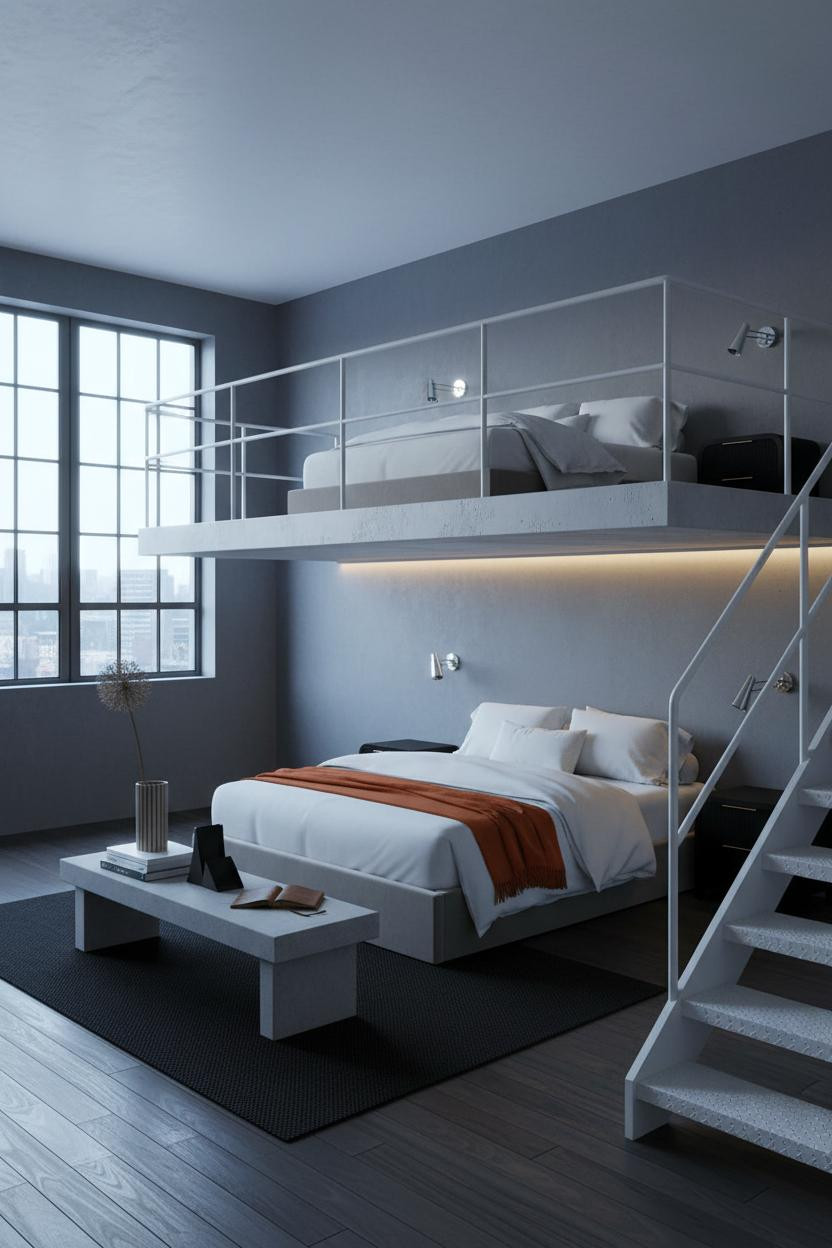
This one is divisive. The charcoal stone walls with a matte concrete platform reads either like a luxury hotel or a parking structure, depending on your tolerance for dark interiors.
The real strength: Scale. Perforated-riser metal stairs and white powder-coated railings keep the structure from reading as too heavy, while the burnt orange mohair throw across the platform edge keeps the whole room from feeling like a monolith.
Works best if: You have genuinely tall ceilings. This palette needs vertical breathing room to land right.
Moss Green Walls and a Mirror That Doubles the Depth
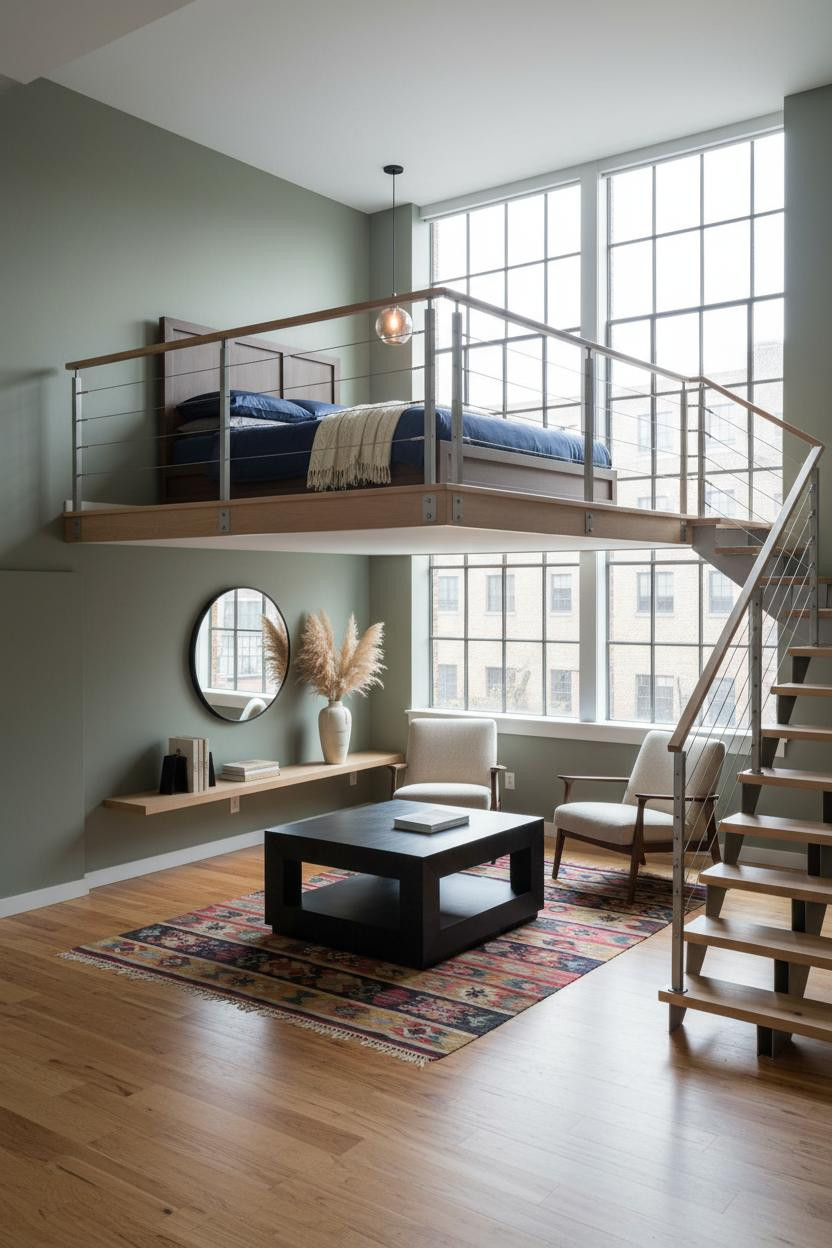
A compact nightstand matters in a loft, but the mirror trick in this layout is what I'd steal first.
The easy win: An oversized round mirror mounted on the soft moss green plaster wall below the platform reflects the stair geometry upward, making the lower zone feel twice as deep while still keeping the room collected.
What throws it off: A mirror that's too small. It needs to be large enough to catch the stair reflection, or it reads as decoration rather than doing any real spatial work.
Coastal Modern With a Dark Walnut Platform That Shouldn't Work
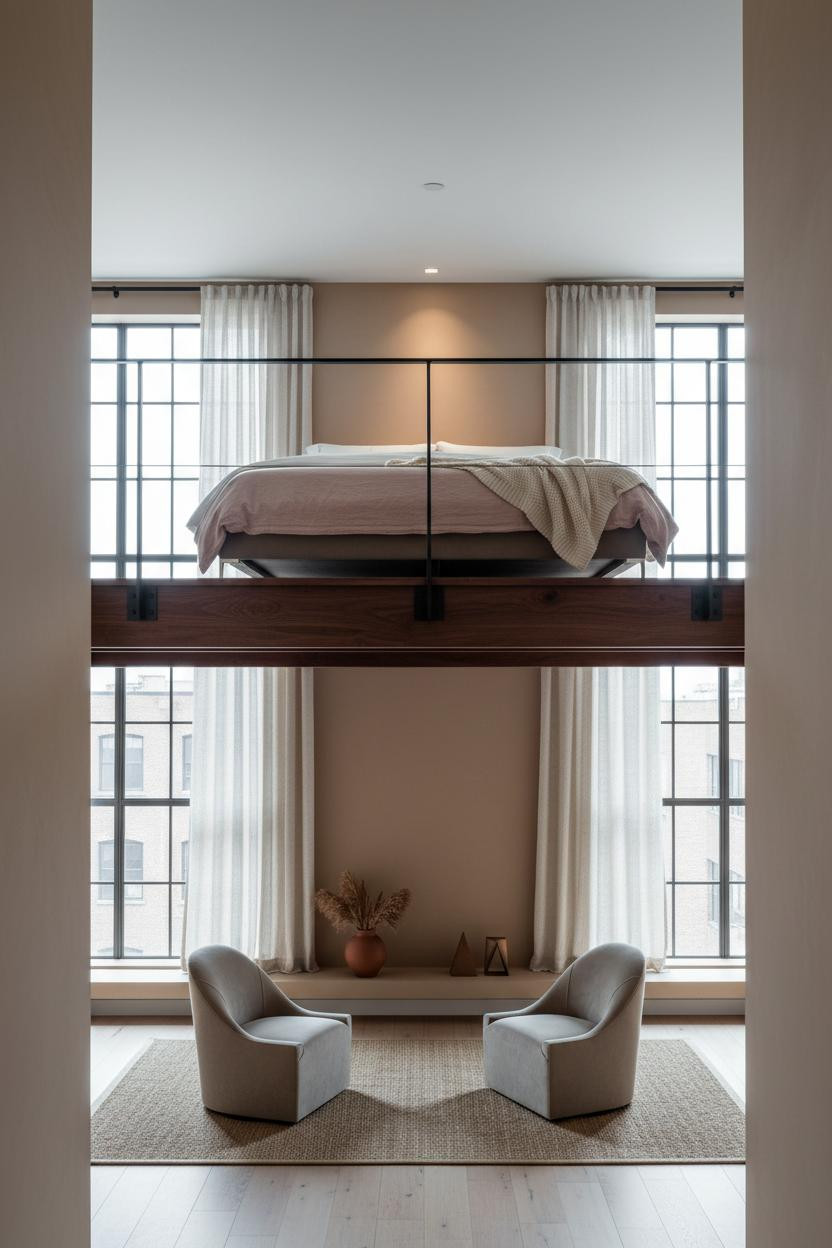

Dark walnut against warm clay walls with pale birch flooring below. It shouldn't hold together. But it does.
Why the materials matter: The solid walnut platform deck reads as grounded and warm against clay plaster rather than heavy, especially with pale birch flooring below keeping the base level light and airy.
The dusty pink linen bedding on the platform ties both zones together. One tone threading through two levels. That's the whole formula here.
The Japandi Loft That Uses Afternoon Light as a Design Element
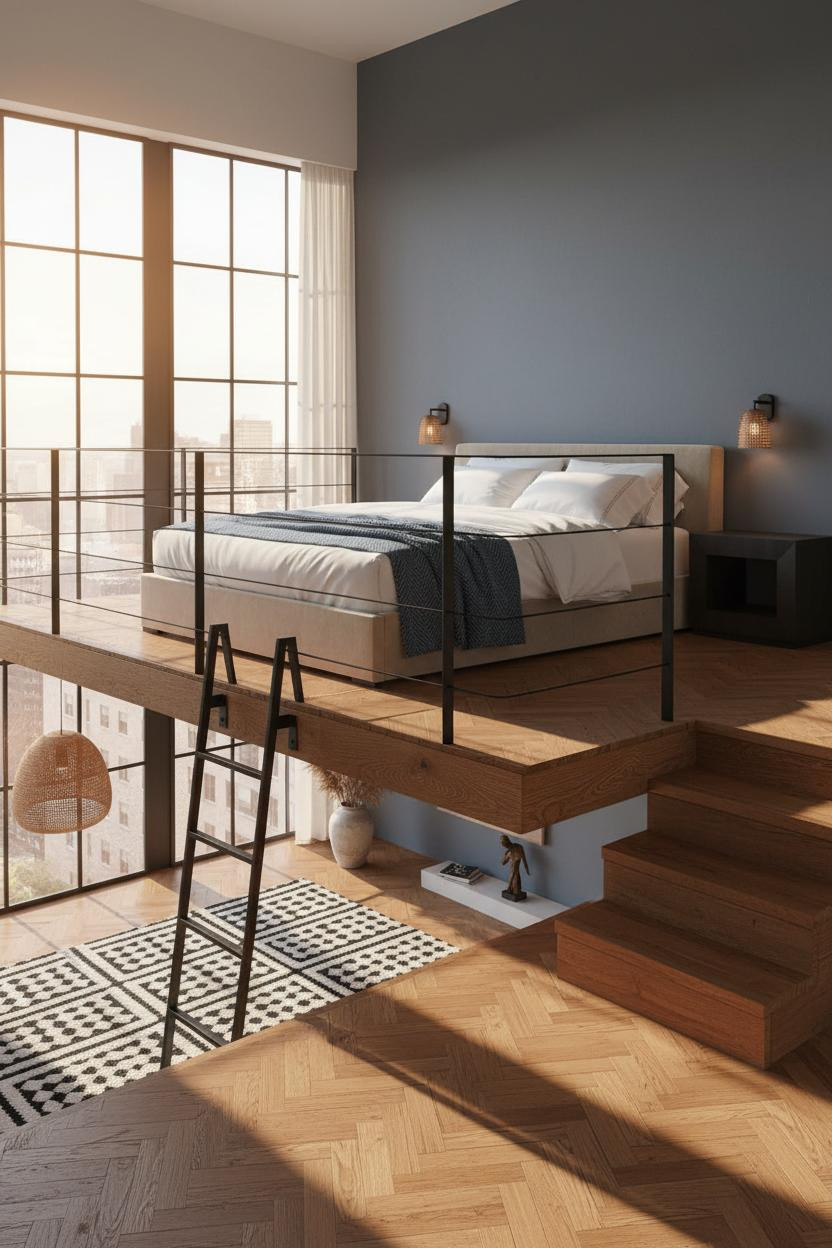
Late afternoon sun in a west-facing loft does something to weathered oak decking that morning light simply can't replicate. Warm, raking, specific.
Design logic: The herringbone parquet floor in the lower zone catches that amber glow and bounces it upward, which softens the black powder-coated cable railing without requiring any additional warm tones in the room.
Pro move: A woven rattan pendant below the platform bridges the Japandi aesthetic between zones, in a way that feels earned rather than styled.
Blonde Wood and Steel: The Efficient Loft That Skips the Sentimentality
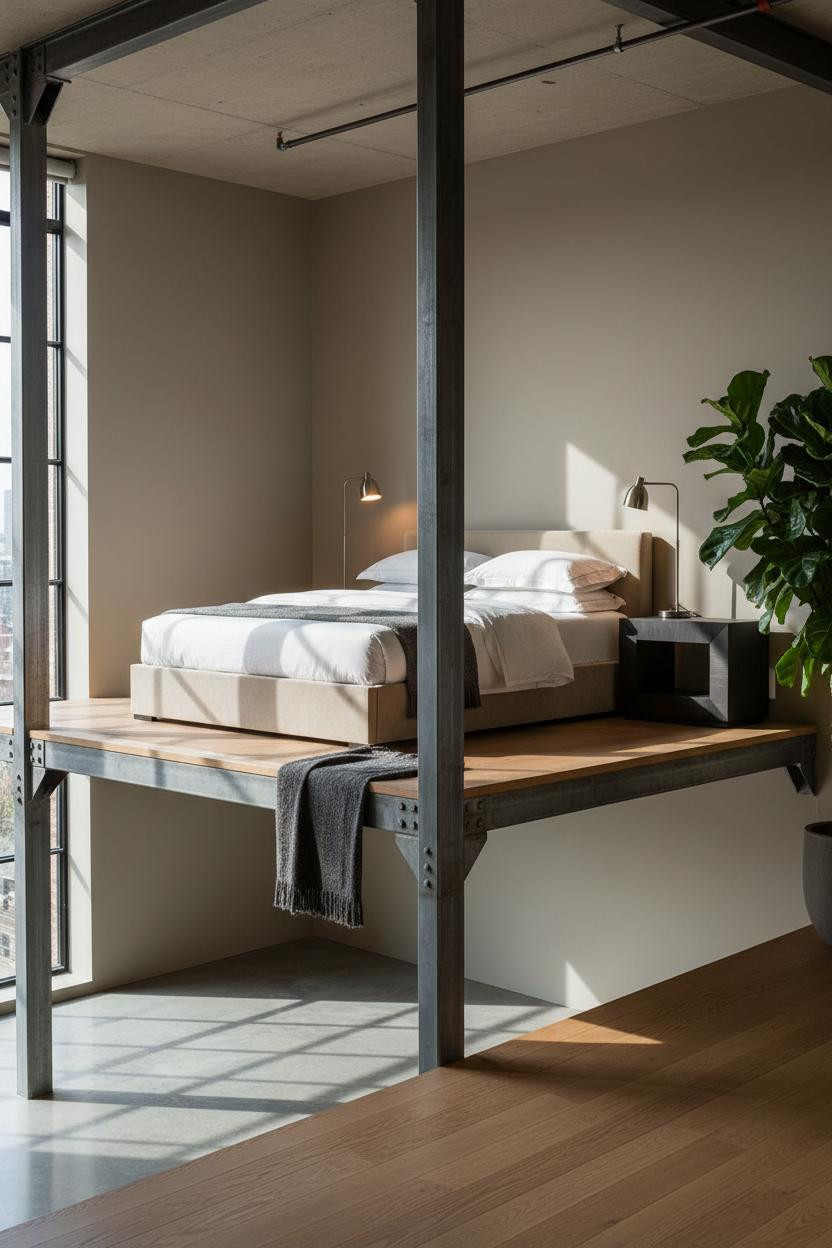
This is for people who want the loft bed layout without the drama.
What keeps it elevated: Blonde wood decking over an industrial steel frame gives this layout its lived-in efficiency. The exposed bolt joints catch the light rather than being hidden, making the structure itself part of the visual interest while the polished concrete below stays out of the way.
Natural linen bedding and a charcoal wool throw are all the warmth this room needs. Nothing more.

Our #1 Pick
Saatva Classic Mattress
America's best-selling online luxury innerspring. 365-night trial, lifetime warranty, free white glove delivery.
Shop Saatva Classic
The Foundation Of Every Beautiful Bedroom
Walls get repainted. Platforms get rebuilt. The mattress, if you choose right, stays. And in a mezzanine bedroom where headroom is genuinely limited, what you sleep on matters more than most people account for.
The Saatva Classic is built around a dual-coil support system that holds its shape across years rather than months. The organic cotton cover breathes instead of trapping heat (important when your bedroom is elevated and enclosed). And the Euro pillow top is soft without losing the structural support underneath.
Good design ages well because it's made well. Start with the bed.

The rooms people keep saving are the ones where every choice, including what's under the bedding, was actually thought through. These 14 loft bedroom ideas prove that vertical space, used well, is one of the best design moves a small apartment has. The platform is just where it starts.
Frequently Asked Questions
What ceiling height do I need for a functional mezzanine bedroom?
Most building codes require at least 7 feet of clearance beneath the mezzanine for habitable space, though 8-9 feet is more comfortable. For the sleeping platform itself, you'll want the loft area to be at least 4-5 feet tall so you can sit up in bed without hitting your head.
How do I make a mezzanine bedroom feel less cramped at night?
Install warm, dimmable lighting in the lower level to create a cozy atmosphere rather than harsh overhead lights. Use a lighter color palette for the loft area and keep furnishings minimal - you want visual breathing room, not clutter.
What safety features are essential for a mezzanine bedroom?
Railings should be at least 36 inches tall with no gaps wider than 4 inches to prevent accidents. If kids will be using the space, consider adding a gate at the ladder or stairs. Anti-slip tape on steps and a solid, securely anchored sleeping platform are also non-negotiable.
How much weight can a mezzanine bedroom platform support?
A properly built mezzanine platform can support 300-500 pounds per square foot, which easily handles a mattress, frame, and sleepers. However, always consult a structural engineer if you're building over an existing floor - you need to ensure the joists and support beams can handle the load.