
 by
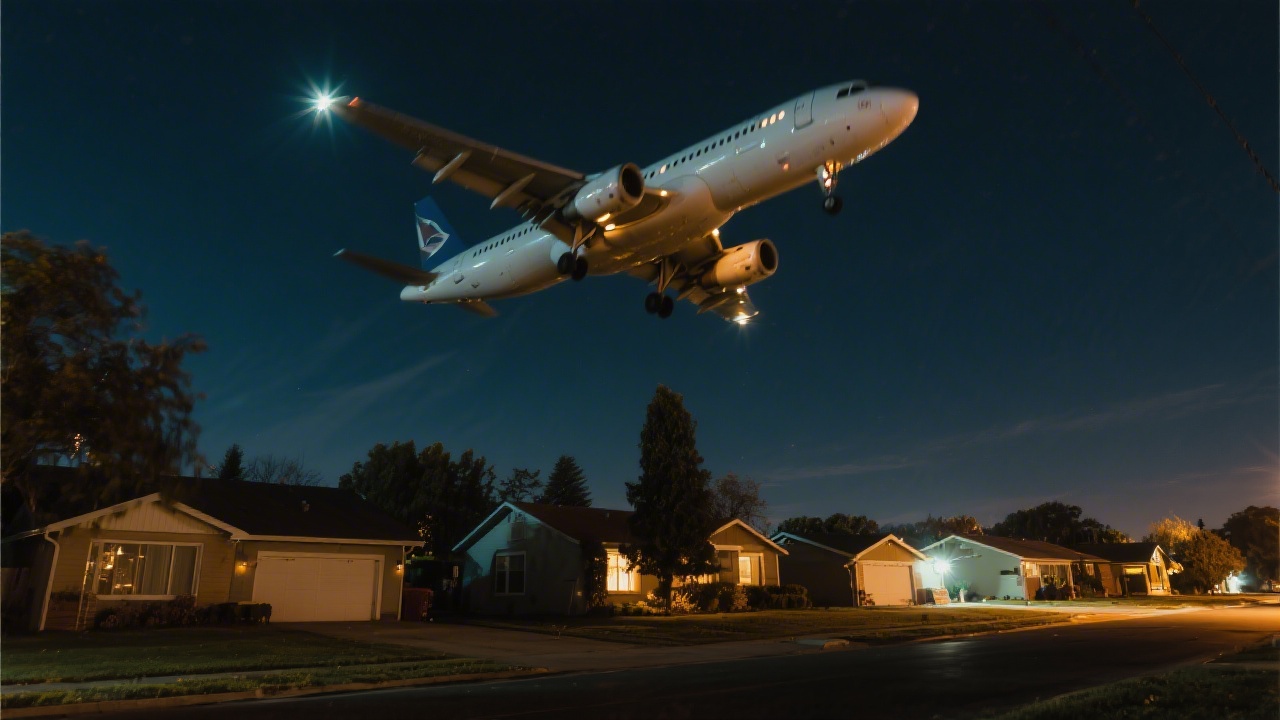
by Aviation noise has the same physiological mechanisms as traffic noise — cortical micro-arousals, cortisol release, and sleep stage fragmentation — but aircraft generate particularly high peak levels over very short periods. Research from airports across Europe and North America consistently shows measurable cognitive and cardiovascular effects in residents living under flight paths.
The Research on Aviation Noise and Sleep
The HYENA study (Hypertension and Exposure to Noise near Airports), which tracked 4,861 residents near major European airports, found:
- Aircraft noise above 35 dB Lnight (average nighttime level) was associated with significantly more frequent nighttime awakenings.
- Above 40 dB Lnight, residents showed measurable sleep stage disruption on polysomnography.
- Children near airports (Munich, London Heathrow) showed sustained attention deficits and reading impairment proportional to noise exposure.
- The RANCH study found cognitive effects persisted even after controlling for socioeconomic factors, family stress, and indoor noise levels.
Why Aircraft Noise Is Particularly Disruptive
Aircraft noise has characteristics that make it especially impactful on sleep:
- High peak levels — A single aircraft passing at 5 miles can produce 70-80 dB outdoors, translating to 50-65 dB indoors with standard windows open.
- Sudden onset — The brain's threat-detection system responds strongly to sudden sound changes, triggering arousal responses that traffic noise (which builds gradually) does not.
- Low-frequency components — Jet engines produce significant low-frequency energy that penetrates walls more effectively than higher frequencies, making standard soundproofing less effective.
How to Evaluate an Area Before Moving
Before renting or buying near an airport:
- Check official noise contour maps — Available from most major airports and the FAA Noise Exposure Maps (NEMs). Look for the 45 dB and 65 dB DNL contours.
- Spend time in the area at night — Airports often have different runway configurations depending on wind direction. What you hear during a Tuesday morning visit may differ from what residents experience at 2am during peak traffic periods.
- Check flight tracking apps — FlightRadar24 shows current flight paths in real time. You can see whether aircraft fly over a specific property.
- Ask about recent flight path changes — The FAA's NextGen GPS navigation program has shifted flight paths significantly since 2012, often concentrating noise onto narrower corridors that were previously unaffected.
Mitigation Options
Permanent Solutions
Acoustic laminated glass windows provide 35-45 dB reduction. Some municipalities near airports offer soundproofing grant programs — check your airport's community relations office. Insulated exterior walls with mass-loaded vinyl barriers provide additional low-frequency attenuation.
Renter Solutions
Acoustic window inserts (removable panels that fit inside the window frame) provide 10-25 dB reduction at a fraction of window replacement cost. Combined with heavy curtains and door gap sealing, renters can typically achieve 15-25 dB total reduction.
Sleep Environment
White, pink, or brown noise machines partially mask aviation noise — particularly effective for the periods between flights. For managing sleep quality improvements challenges when aircraft cause repeated awakenings, a pressure-relieving surface helps the body return to deep sleep more quickly. Consider our recommendations for sleep and anxiety and best mattress for side sleepers as part of a complete sleep environment approach.
Frequently Asked Questions
How far from an airport is airplane noise a sleep concern?
Most sleep research focuses on areas within the 45 dB Lnight (nighttime average) contour, which can extend 5-15 miles from major airports depending on flight paths, aircraft types, and topography. Check the FAA's noise exposure maps or your airport authority's website for official contours for your area.
What does airplane noise above 40 dB do to sleep?
Studies from airports including London Heathrow and Amsterdam Schiphol found that aircraft noise events above 40 dB during sleep reliably cause cortical micro-arousals, shifting sleepers from deep sleep into lighter stages without full awakening. Each event suppresses restorative slow-wave sleep.
Is airplane noise worse than traffic noise for sleep?
Airplane noise events are typically shorter duration but higher peak intensity than traffic noise. Research suggests the sudden onset and high peak levels (often 65-80 dB peak at 5 miles from the airport) are particularly disruptive because the auditory system responds to novelty and sudden changes rather than sustained levels.
Do aircraft noise apps accurately show flight paths?
Apps like FlightRadar24, ADS-B Exchange, and AirNav RadarBox show real-time aircraft positions and routes. Historical flight path data is available from the FAA's ASPM and from services like OpenFlights. These are useful for understanding typical versus unusual noise exposure before renting or buying in an area.
What are the most effective ways to block airplane noise in a bedroom?
Acoustic-grade windows are most effective (35-45 dB reduction). For rental situations: acoustic window inserts (10-25 dB), heavy mass-loaded vinyl curtains (10-15 dB), and a pink or brown noise machine aimed at the window. Sealing gaps around windows with acoustic caulk or weatherstripping provides additional improvement.
Key Takeaways
Airplane Noise and Sleep is a topic that depends heavily on individual needs and preferences. The most important thing is to consider your specific situation — your body type, sleep position, and personal comfort preferences — before making any decisions. When in doubt, take advantage of trial periods to test before committing.