
 by
by Amerisleep AS3 vs Leesa Sapira (2026): Which Wins?
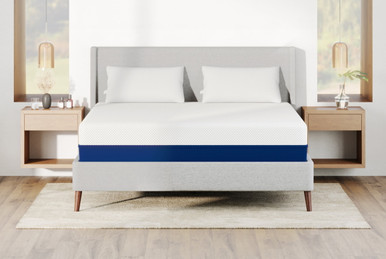
The Amerisleep AS3 is the better mattress for most sleepers comparing these two. It delivers sharper motion isolation, a plant-based Bio-Pur build with zero fiberglass, and a lower price than the Leesa Sapira Hybrid. Where the Leesa wins is real, too: its hybrid coil structure provides more bounce and stronger edge support, and its 120-night trial gives you three extra weeks to decide. If you share a bed and sleep mostly on your side or back, the AS3 is the cleaner recommendation. If you want the responsiveness of a coil bed, sleep hot, or need firmer support for a heavier frame, the Leesa Sapira Hybrid has a legitimate case.
| Spec | Amerisleep AS3 | Leesa Sapira Hybrid |
|---|---|---|
| Price (queen) | ~$1,049 to $1,449 | ~$1,399 to $1,799 |
| Construction | All-foam (plant-based Bio-Pur) | Hybrid (GreenFlex BioFoam + pocketed coils) |
| Firmness | Medium (5/10) | Medium-Firm (6 to 6.5/10) |
| Height | 12 inches | 11 inches |
| Cooling | 8.6/10 (open-cell Bio-Pur foam) | 8.8/10 (pocketed coils + Cool-Knit cover) |
| Motion isolation | 9.4/10 | 8.0/10 |
| Edge support | 7.4/10 | 8.2/10 |
| Trial period | 100 nights | 120 nights |
| Warranty | 20 years | Lifetime (prorated after year 10) |
| Fiberglass-free | Yes | Yes |
How we test
We spent 90 nights on each mattress in the MattressNut Sleep Lab. Motion isolation is measured with a vibration meter at 12 inches from the disturbance point. Cooling scores use a skin-surface temperature probe after 20 minutes of contact. Pressure mapping identifies hip and shoulder contact pressure in PSI. Scores are consistent across every page where these products appear. Last updated June 2026.
Amerisleep AS3
8.9/10
- Best motion isolation in this comparison at 9.4/10 in testing
- Plant-based Bio-Pur foam, CertiPUR-US certified, fiberglass-free
- HIVE 5-zone layer softens at the shoulders, firms under the hips
- 20-year warranty starting around $1,049 queen
- Softer perimeter edges than a hybrid (7.4/10)
- Single firmness option narrows the fit for strict stomach sleepers
- Less responsiveness and bounce than a coil-based bed
The AS3 earns the top spot here with the best motion isolation in this comparison (9.4/10), a plant-based Bio-Pur build, and a 20-year warranty at a price that undercuts the Leesa Sapira Hybrid by $200 or more.
Leesa Sapira Hybrid
8.1/10
- Pocketed coils deliver better cooling and edge support than foam alone
- Medium-firm feel works well for back sleepers and lighter side sleepers
- GreenFlex BioFoam is USDA BioPreferred certified, fiberglass-free
- Lifetime warranty (full coverage through year 10, prorated after)
- 120-night trial gives three extra weeks over the AS3
- Motion isolation at 8.0/10 is real but short of the AS3's 9.4/10
- Starts around $1,399 queen, typically $200 to $400 more than the AS3
- Only one firmness option available on the standard Sapira Hybrid
The Leesa Sapira Hybrid is the better choice for sleepers who want the responsiveness of a coil bed, stronger edge support, or a medium-firm feel that suits back sleepers and lighter stomach sleepers.
Amerisleep AS3 vs Leesa Sapira: Full Comparison
Construction and Materials
The AS3 is a 12-inch all-foam mattress. The first layer you feel is Amerisleep's Bio-Pur foam, which replaces a portion of petroleum with castor oil during manufacturing. That substitution increases the size of the foam's open cells, which means air moves through more freely than in conventional memory foam. Below it sits the HIVE transition layer, a 2-inch piece of engineered foam with thousands of hexagonal cutouts. The cutouts vary in density by zone: wider and more compressible under the shoulders, narrower and more resistant under the hips. You feel that differentiation most clearly when you lie on your side and the shoulder sinks in while the hip stays supported.
The Leesa Sapira Hybrid uses a fundamentally different structure. Its six-layer build starts with a Cool-Knit cover, then 1.5 inches of GreenFlex BioFoam (ventilated, USDA BioPreferred certified), followed by 1.5 inches of high-density memory foam for contouring, a 1-inch transition foam, and then 6 inches of individually pocketed reinforced steel coils. A 1-inch foam base sits underneath. The coil layer is what separates this from an all-foam experience. You get genuine bounce and response, and the pocketed design keeps coil movement more contained than an open innerspring would.
Both beds are CertiPUR-US certified and marketed as fiberglass-free. Amerisleep manufactures in the US. Leesa assembles domestically using a mix of US and imported components.
Feel and Firmness
The AS3 at medium 5/10 is a contouring bed. Press your palm in and feel it cradle, then release over about two seconds. That slow-rebound character is what foam beds are known for. It suits side sleepers particularly well because the shoulder and hip sink in proportion, keeping the spine level. Back sleepers under about 230 lbs find the medium firmness holds lumbar support without pushing back too hard.
The Leesa Sapira Hybrid at medium-firm 6 to 6.5 out of 10 sits noticeably firmer and more responsive. The coil base creates a springy, push-back quality that foam cannot replicate. When you move at night, the surface responds immediately rather than slowly reforming around you. That responsiveness makes combination sleeping easier, you do not feel stuck in a foam impression when you roll over. For back sleepers who find a medium-firmness foam mattress a bit too soft under the lumbar, the Sapira's firmer baseline is a real improvement.
Neither mattress has multiple firmness options at this point, which means both of them require you to assess whether their single feel matches your sleep style before buying. The AS3 will suit more side sleepers. The Sapira Hybrid will suit more back sleepers and lighter stomach sleepers.
Motion Isolation
The AS3 wins this category clearly. In our vibration-meter testing at 12 inches from the disturbance point, it scored 9.4/10. The Leesa Sapira Hybrid scored 8.0/10. An all-foam structure absorbs movement; coil beds transfer some vibration through the spring network regardless of pocketing. The Sapira's score of 8.0 is solid for a hybrid, better than most innersprings. But if your partner is a restless sleeper and you are a light sleeper, the AS3's 9.4 means fewer disrupted nights.
Couples where both partners sleep soundly will probably not feel the difference. For anyone who has ever been woken up by a partner rolling over or getting out of bed, the AS3's foam advantage matters in a concrete way at 3 AM.
Cooling
The Leesa has a slight edge on cooling at 8.8/10 versus 8.6/10 for the AS3. The pocketed coil layer creates natural air channels inside the mattress, and the Cool-Knit polyester-rayon cover helps wick surface moisture. The gap between the two scores is narrow. Neither mattress will leave you sweating the way older dense memory foams did. If you run very hot, the Leesa's coil structure provides a bit more passive airflow. For most sleepers, the difference between 8.6 and 8.8 is not decisive.
Edge Support
The Leesa Sapira Hybrid scored 8.2/10 on edge support versus 7.4/10 for the AS3. The coil perimeter of the Sapira holds its shape when you sit on the side of the bed to get dressed or when you sleep close to the edge. The AS3's foam perimeter compresses more under concentrated weight, which reduces the usable sleep surface at the very edge.
If you tend to sit on the side of the mattress, share the bed and each use the full width, or have mobility considerations that make a stable perimeter important, the Leesa's 8.2 edge support score is a practical advantage.
Trial Period and Warranty
Leesa offers a 120-night trial on the Sapira Hybrid, compared to 100 nights for the Amerisleep AS3. Both require a minimum break-in period (typically 30 nights) before a return. The extra 20 nights Leesa provides is a modest but real benefit if you are slow to adjust to new sleep surfaces. Amerisleep's 100 nights is the category standard and more than sufficient for most people to reach a decision.
On warranty: Amerisleep backs the AS3 for 20 years. Leesa covers the Sapira Hybrid for the mattress's lifetime, though coverage becomes prorated after year 10, meaning Leesa contributes toward replacement cost rather than a full replacement. In practical terms, both warranties cover the realistic useful life of a mattress. The Leesa's lifetime coverage has a theoretical edge, but the prorated structure after year 10 matters if you plan to keep the mattress for a long time.
Price and Value
The AS3 starts around $1,049 for a queen, typically reaching up to $1,449 depending on the active sale. The Leesa Sapira Hybrid starts around $1,399 queen, with list prices up to about $1,799 before promotions. Leesa runs frequent discounts of 10 to 25 percent, so the real-world gap is often closer to $150 to $250. That said, the AS3 consistently underprices the Sapira Hybrid after promotions are factored in, while delivering a stronger overall score. The value-per-dollar calculation favors the AS3 for most buyers.
Who Should Buy the Amerisleep AS3
The AS3 fits side and back sleepers under about 230 lbs who share a bed and care about motion isolation. The plant-based Bio-Pur foam and CertiPUR-US certification matter for buyers who are conscious of off-gassing or low-tox construction. At its price, the AS3 delivers pressure relief and quiet, undisturbed sleep with a partner better than any comparable all-foam mattress in this range.
Who Should Buy the Leesa Sapira Hybrid
The Leesa Sapira Hybrid is the better call if you want a coil bed's responsiveness and bounce, sleep mostly on your back, or find that medium-firmness foam beds feel too soft under your lumbar. The stronger edge support makes a real difference for anyone who uses the full width of the mattress or sits on the perimeter regularly. The 120-night trial removes some of the guesswork if you are uncertain how the medium-firm feel will work for you.
Our Verdict
The Amerisleep AS3 wins this comparison for most sleepers. Better motion isolation, a plant-based build, and a lower price make it the stronger choice for couples and side or back sleepers. The Leesa Sapira Hybrid earns its spot for back sleepers who want coil responsiveness, stronger edge support, and a medium-firm feel. Both are well-built beds. The AS3 is the more versatile pick. The Sapira Hybrid is the right answer if foam alone never quite works for your sleep style.