
 by
by Editor's Pick — Best Sleep Investment
Saatva Classic Mattress — Engineered for Deeper Sleep
Individually wrapped coils + dual-tempered steel support system = the spinal alignment your brain needs to complete all 4 sleep cycles.
The Amygdala: Your Brain's Threat Detector
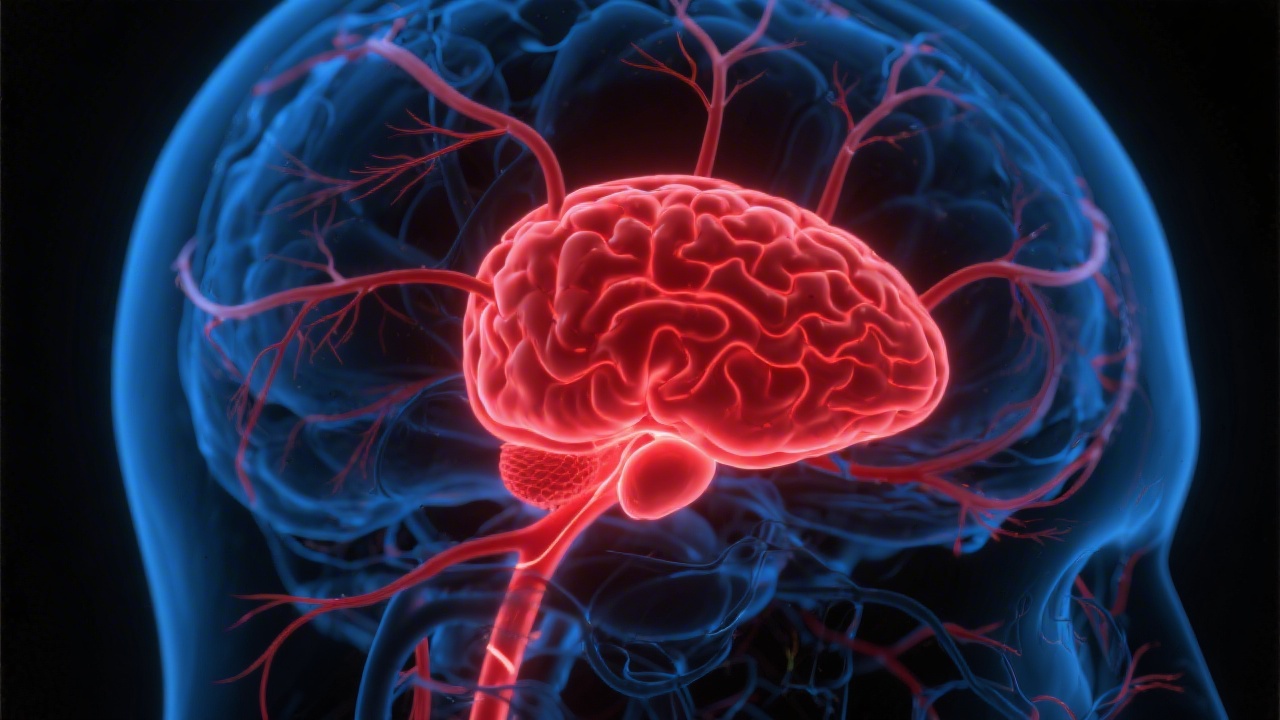
The amygdala — a pair of almond-shaped nuclei deep in the medial temporal lobe — is the brain's primary threat detection and emotional processing center. It evaluates incoming sensory information for emotional significance, triggers fear and defensive responses, and orchestrates the physiological stress response via the hypothalamic-pituitary-adrenal (HPA) axis.
Critically, the amygdala operates on a hair-trigger: it is designed to respond first and ask questions later. The prefrontal cortex provides the contextual "ask questions later" regulatory circuit. When sleep deprivation disables the PFC, the amygdala is left operating unchecked.
The 60% Reactivity Finding
The most cited finding on amygdala function and sleep comes from a 2007 study by Yoo, Gujar, Hu, Jolesz, and Walker at Harvard Medical School. Using fMRI, the researchers compared amygdala responses to emotionally aversive images in well-rested vs. sleep-deprived subjects.
The result was striking: sleep-deprived participants showed 60% greater amygdala reactivity to the negative images compared to their rested counterparts. More significantly, the functional connectivity between the amygdala and the medial prefrontal cortex — the regulatory circuit that normally modulates emotional responses — was nearly completely severed in the sleep-deprived group.
The researchers described the sleep-deprived brain as having "regressed to a more primitive pattern of activity" — essentially, a brain functioning more like a reptile than a primate, operating on raw emotional response without cortical oversight.
Mechanisms: Why Sleep Resets the Amygdala
REM sleep appears to be particularly important for amygdala regulation. Two mechanisms have been proposed:
- Norepinephrine suppression during REM: REM sleep is the only brain state characterized by near-complete suppression of norepinephrine (NE) activity from the locus coeruleus. Matthew Walker's group at Berkeley has proposed that this NE holiday allows the amygdala to reprocess emotionally charged memories in a low-arousal state — effectively "taking the emotional charge off" experiences from the previous day.
- Synaptic downscaling: Sleep enables the downscaling of amygdala synaptic strength that waking emotional experiences build up. Without adequate sleep, synaptic potentiation accumulates — making the amygdala progressively more reactive over multiple nights of poor sleep.
The Positive Emotional Bias of Sleep
Sleep deprivation affects not just negative emotion amplification but the ratio of negative to positive emotional processing. Research by Gujar et al. (2011) found that sleep-deprived subjects were significantly more reactive to positive stimuli as well — but in a manic, reward-seeking direction — while simultaneously showing the expected amplification of negative emotions.
The net effect is emotional instability: heightened reactivity in both directions, with reduced ability to maintain emotional equilibrium. This may explain the observed correlations between chronic sleep deprivation and both depression (negative emotion dominance) and bipolar-like hyperreactivity in some individuals.
PTSD, Anxiety Disorders, and the Sleep-Amygdala Connection
The amygdala-sleep relationship has significant implications for psychiatric conditions. Post-traumatic stress disorder (PTSD) is characterized by amygdala hyperactivity, and PTSD patients almost universally show REM sleep abnormalities — particularly REM fragmentation and nightmare-associated REM disruption.
Research by Germain and colleagues has proposed a bidirectional model: amygdala hyperactivation disrupts REM sleep, and disrupted REM sleep maintains amygdala hyperactivation, creating a self-perpetuating cycle. This "REM emotion processing hypothesis" suggests that restoring healthy REM sleep is a core therapeutic target in PTSD treatment.
Practical Implications
- Emotional decisions after poor sleep: Major decisions — financial, relational, professional — should be deferred when sleep-deprived. The amygdala-driven emotional bias systematically skews risk assessment.
- Conflict resolution: Sleep deprivation makes difficult conversations more volatile. The advice to "sleep on it" before a confrontation has direct neurological justification.
- Mental health management: For individuals managing anxiety or mood disorders, sleep quality is not just a symptom but a causal factor in emotional dysregulation.
Frequently Asked Questions
Why does the amygdala become more reactive with sleep deprivation?
Sleep deprivation impairs the prefrontal cortex, which normally provides top-down regulation of amygdala reactivity. Without this PFC brake, the amygdala responds to emotional stimuli with full, unmodulated force — producing the 60% reactivity increase documented in Harvard's fMRI studies.
What type of sleep is most important for amygdala regulation?
REM sleep is most critical for amygdala regulation. The near-complete suppression of norepinephrine during REM allows emotional memories to be reprocessed in a low-arousal state, effectively reducing the amygdala's reactivity to those experiences. REM deprivation — common with alcohol use, certain medications, and sleep apnea — disproportionately impairs emotional regulation.
How quickly does amygdala reactivity normalize after recovery sleep?
Studies show that a single night of recovery sleep substantially restores PFC-amygdala connectivity and reduces emotional reactivity toward baseline. However, with chronic sleep deprivation (multiple nights of inadequate sleep), full normalization may require several nights of recovery sleep.
Is amygdala hyperreactivity from sleep loss permanent?
In the short term, amygdala hyperreactivity from sleep deprivation is reversible with recovery sleep. Long-term consequences of chronic sleep deprivation on amygdala structure are less well-studied, but some research suggests structural changes (reduced gray matter density) in individuals with years of poor sleep.
Does alcohol worsen amygdala dysregulation by disrupting REM sleep?
Yes. Alcohol suppresses REM sleep, particularly in the first half of the night. The "REM rebound" that occurs in the second half is fragmented and fails to provide normal emotional processing. Regular alcohol use as a sleep aid progressively worsens emotional regulation by chronically impairing REM-dependent amygdala reset.
Related reading: Prefrontal cortex function and sleep deprivation | Neurotransmitters that regulate sleep | Hippocampus and sleep memory consolidation
Upgrade Your Sleep Environment
The neuroscience is clear: mattress quality directly affects brain function. The Saatva Classic delivers the support your brain needs to consolidate memories, regulate emotions, and restore prefrontal function.