
 by
by Recommended: Saatva Classic Mattress
A supportive, pressure-relieving sleep surface can meaningfully reduce the physical tension that amplifies anxiety at night. Saatva's luxury innerspring hybrid is consistently rated among the best for anxious sleepers.
The Anticipatory Anxiety Mechanism
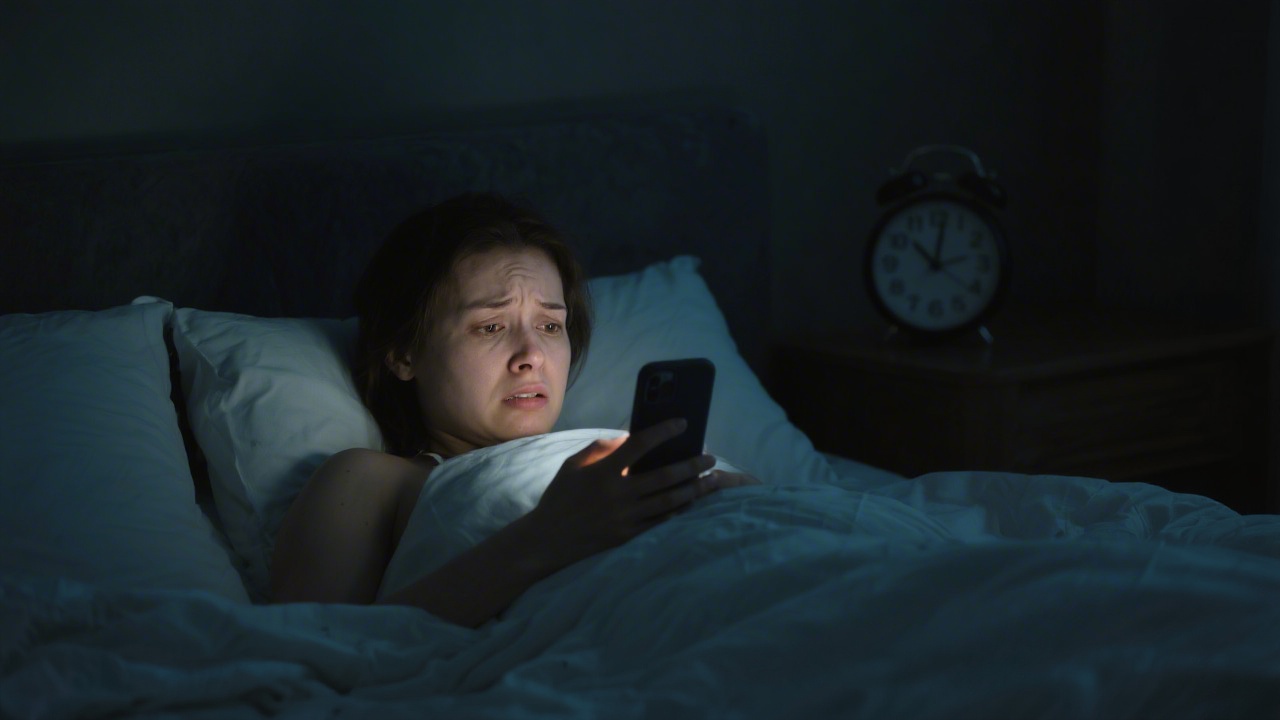
Anticipatory anxiety — the dread of upcoming events — is one of the most common and most well-documented causes of sleep disruption. Unlike anxiety triggered by current threats, anticipatory anxiety is forward-projected: the brain's threat-detection system activates in response to an imagined future event as though it were occurring now. This temporal mismatch between when the stress response is activated (tonight, while attempting sleep) and when the stressor occurs (tomorrow, next week, next month) is the defining feature of anticipatory insomnia.
The neurological mechanism involves the prefrontal cortex's capacity for temporal projection — the ability to mentally simulate future events — coupled with the amygdala's threat-response system. When the prefrontal cortex simulates a high-stakes future event in vivid, emotionally engaged detail, the amygdala responds as though the event is occurring, activating the sympathetic nervous system, elevating cortisol, increasing heart rate, and producing the full physiological signature of hyperarousal that is incompatible with sleep onset. anxiety and sleep
Why Tomorrow's Dread is Worst at Bedtime
Anticipatory anxiety follows a predictable daily curve: lowest when fully engaged in work or social activity, escalating through the evening as cognitive engagement decreases, peaking at bedtime when the mind is unoccupied and future-simulation runs without constraint. The bed becomes associated with anticipatory dread through simple conditioning — the horizontal position, the darkness, the silence, all become reliable cues for the anxiety to activate.
The "tomorrow morning" problem is particularly acute because the subjective importance of sleep compounds the anxiety. Once a person with anticipatory anxiety is aware that they have a high-stakes event tomorrow, they begin worrying about not sleeping — "I need to sleep well tonight or tomorrow will go badly" — and this secondary sleep anxiety compounds the original anticipatory anxiety in a multiplicative rather than additive fashion. best mattress for sleep anxiety
High-Stakes Events vs. Chronic Anticipation
Anticipatory anxiety takes two clinically distinct forms. Acute anticipatory anxiety — dread of a specific upcoming event (presentation, job interview, medical procedure, difficult conversation) — typically resolves once the event passes. Chronic anticipatory anxiety — a general orientation toward forthcoming threats across multiple domains — reflects a more entrenched worry style and requires more comprehensive intervention.
For acute anticipatory insomnia, event-specific preparation protocols have strong evidence. For chronic anticipatory insomnia, the underlying generalized anxiety disorder typically requires CBT targeting the intolerance of uncertainty that drives the worry style. sleep hygiene tips
The Most Effective Interventions
The evidence base for anticipatory anxiety insomnia spans both CBT-I and anxiety-specific protocols:
- Implementation intentions: Research by Gollwitzer (1999) found that forming specific "if-then" plans ("if I wake up worried about the presentation, then I will focus on my breath for ten counts") reduced the intrusive power of anticipatory thoughts by pre-programming a response. This simple technique shows remarkably strong effects on nocturnal rumination.
- Pre-event preparation as anxiety reduction: The most direct way to reduce anticipatory anxiety is to reduce actual uncertainty — thorough preparation, rehearsal, and contingency planning during the day reduce the amygdala's threat assessment of the upcoming event. Over-preparation at the expense of sleep, however, produces diminishing returns.
- Paradoxical intention: A CBT-I technique with counterintuitive but well-supported evidence. Rather than trying to sleep, deliberately trying to stay awake reduces the "performance anxiety" about sleep onset that compounds anticipatory insomnia.
- Stimulus control: Breaking the conditioned association between bed and dread through strict stimulus control (bed only for sleep, leaving bed if unable to sleep within 20 minutes) reduces anticipatory conditioned arousal over two to four weeks.
Recommended: Saatva Classic Mattress
A supportive, pressure-relieving sleep surface can meaningfully reduce the physical tension that amplifies anxiety at night. Saatva's luxury innerspring hybrid is consistently rated among the best for anxious sleepers.
Frequently Asked Questions
Is it normal to not sleep the night before a big event?
Extremely common and not clinically concerning when isolated to high-stakes events. Most people lose 1–2 hours of sleep before major events. The performance impact is less severe than anticipated — one night of impaired sleep before a rehearsed performance rarely produces significant impairment.
Does preparing more before bed reduce anticipatory anxiety?
Only if preparation reduces genuine uncertainty. Ruminating about preparation at bedtime maintains arousal. A structured "preparation cutoff" time — after which all preparation is complete — reduces cognitive permission for bedtime work review.
Can anticipatory anxiety about sleep itself become the main problem?
Yes. This is psychophysiological insomnia: the anticipatory anxiety about not sleeping becomes the primary insomnia driver, persisting even after the original stressor resolves. CBT-I is specifically effective for this pattern.
How many nights before an event does anticipatory insomnia typically start?
This varies by individual but commonly begins two to five nights before high-stakes events, with the worst night typically the night immediately before. The pattern extends as anticipatory anxiety disorder becomes more chronic.
What is the fastest way to reduce anticipatory anxiety before sleep?
A physiological sigh (double inhale through the nose, long exhale through the mouth) activates the parasympathetic system rapidly and is the fastest evidence-based technique for reducing acute anticipatory arousal. Pair with the implementation intention technique for the cognitive component.
Key Takeaways
Anticipatory Anxiety and Sleep is a topic that depends heavily on individual needs and preferences. The most important thing is to consider your specific situation — your body type, sleep position, and personal comfort preferences — before making any decisions. When in doubt, take advantage of trial periods to test before committing.