
 by
by Our #1 Recommended Comforter
Saatva Down Alternative Comforter. From $205
Hypoallergenic fill | Organic cotton shell | Year-round warmth
We earn a commission if you make a purchase, at no extra cost to you. Full disclosure.
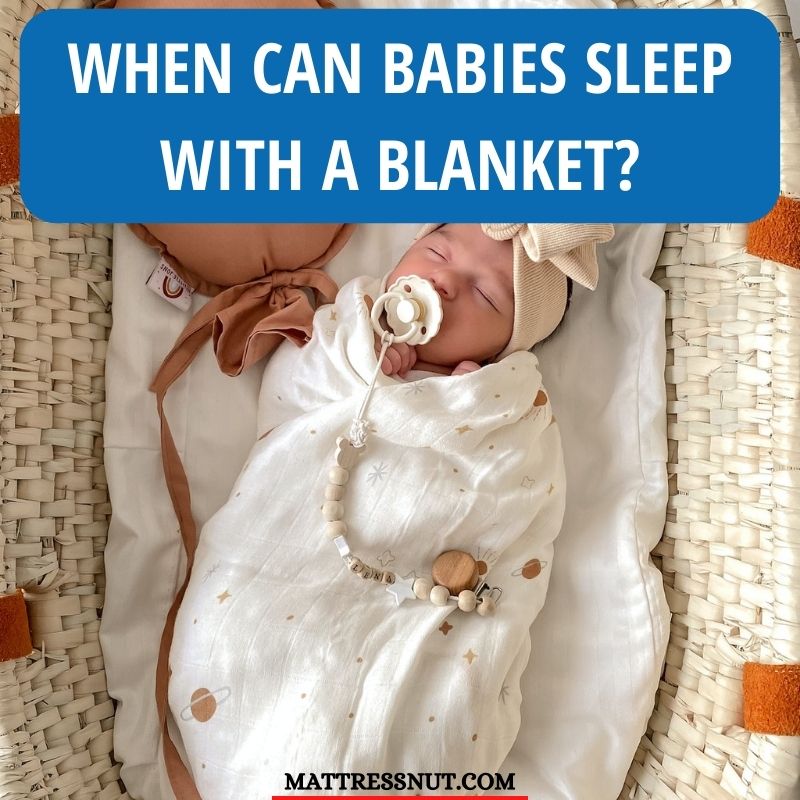
When can babies sleep with a blanket? This is a common concern for mothers. The fact that the baby is too hot or cold is one of the major concerns of parents. Some people can't imagine how a baby can sleep without a blanket. For others, they know their baby will be hot and uncomfortable.
Let us look at what experts and the majority say about this concern. We will cover different aspects of using a blanket and help you understand so you can decide better.
Is It Safe For Babies To Sleep With Blankets?
Deciding whether it is safe for babies to sleep with blankets depends on several factors. The weight and size of the blanket and the place's weather are a few crucial aspects. Sometimes, blankets become necessary due to the icy conditions of the residing area.
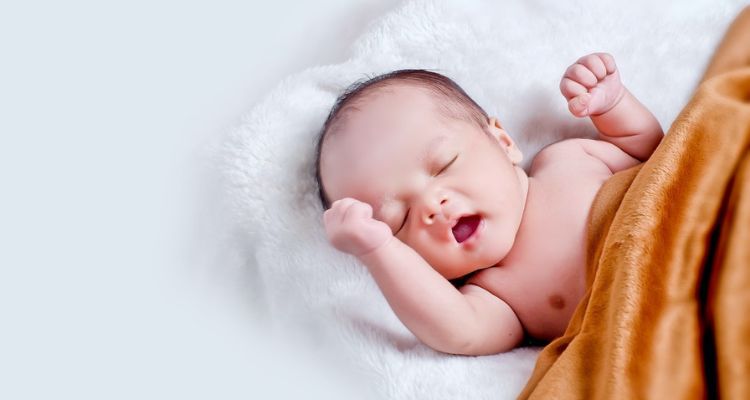
However, the size of the blanket should not be bigger than the baby. These precautions will protect the baby from sleeping or falling into the blanket.
Secondly, the weight of the blanket is a crucial factor. A blanket should be light in weight and not bulky if they are used for babies. The excess weight can be uncomfortable and confining for the little one.
Another reason to oppose using blankets for kids is the tiny particles that get easily trapped. Blankets usually have a thick and woolly texture which is prone to trapping dust. These dust particles can easily enter the baby's airway and cause respiratory issues, sneezing, coughing, etc.
However, some experts also believe it is convenient to use a blanket under good supervision. Blankets can be used if the baby is carefully monitored while sleeping.
When Can I Introduce A Blanket?
According to the American Association of Paediatrics, they have a guideline for using blankets. They suggest that a 12-month-old baby will be safe around a blanket. Accidentally suffocating under a blanket has also been a cause of SIDS.
Babies cannot move around independently or remove anything from above them. If a blanket happens to land on their mouth or face, they will be helplessly stuck under it. However, a 12 months baby can sit up, roll over and come out from under a blanket. Hence it is better to let the babies cuddle with a blanket only when they are around 12 months old.
Risks of Introducing a Blanket too Early
While introducing a blanket to a baby, you think you are providing a sense of comfort. However, there are a few risks associated with doing so too quickly. One is that the baby may become too warm and sweaty under the blanket. They can only cry to inform you about the discomfort, but the overall effects are alarming.
Another is that the baby may become tangled in the blanket and unable to move. This is a serious issue to consider until the baby can move itself out of a blanket. Until around six months, the baby can hardly roll over, let alone remove a blanket. Young babies are at a higher risk of suffocating under a blanket. To be safer, it is better to delay the introduction of a blanket to your child.
Is Swaddling Safer For Babies Than Loose Blankets?
Swaddling is often recommended for newborn babies to help them sleep more soundly. They are known to scale down the chances of Sudden Infant Death Syndrome SIDS. However, some experts now question whether swaddling is safer than a loose blanket.
There are a few risks related to swaddling, such as the risk of the baby overheating. Another can be the loosening of the swaddle and causing suffocation. However, these risks are relatively small, and swaddling can be done safely if the parents take a few precautions.
Swaddling may be safer than a loose blanket, but the difference is probably insignificant. The most important thing is to ensure that the baby is not too hot and is swaddled firmly.
How Can I Make Sure My Baby Is Warm Without a Blanket?
Worrying about your baby is a given. You might wonder if they are warm enough, if you have dressed them adequately, and other endless concerns. It is a natural phenomenon for every parent, especially mothers. If you want to avoid using a blanket, you can revert to many other options. The priority is to keep the baby comfortable and make them sleep soundly.
First, make sure their crib or bassinet is in a warm room – not too hot, but not too cold. You can use a sleep sack or baby wrap to keep them cozy. If you follow these tips, you can rest assured knowing your baby will be warm and comfortable all night long.
Layer Your Baby's Clothing
If putting on a blanket is a concern, you can experiment with their clothing. Dress them in warm sleepers or footed pajamas to ensure they're cozy. Putting on extra layers of clothes is better than covering them entirely under a blanket and worrying about the risks.
You can keep the babies swaddled until they roll over to keep them warm. Choose to wear warm clothes or dress them in body suits with inners. This will guarantee safe and warm for the baby.
Adjust Bedroom Temperature
If your winters are freezing, consider placing the crib or the bassinet in a warm room. Of course, maintaining a warm temperature within the room is practical. If you can adjust the room temperatures separately, try to keep the baby in the warmest one. This way, you will be at ease that the baby is warm even without a blanket.
Wrap Your Baby in a Swaddle or Sleep Sack
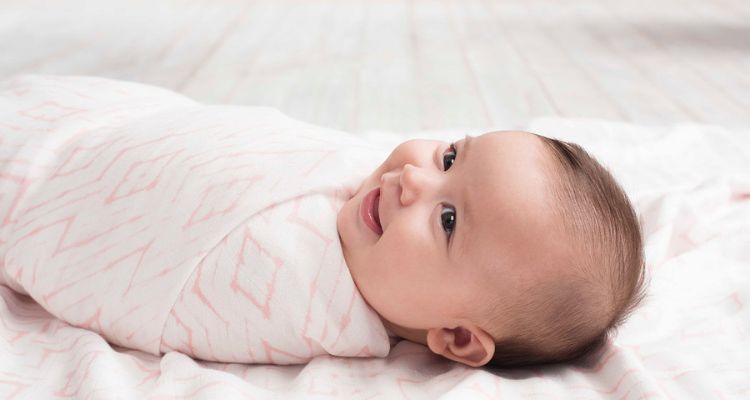
Sleep sacks and swaddles go way back as perfect sleep settings for babies. They enclose the baby in a covering, letting the baby sleep soundly. However, swaddles and sleep sacks only work until the baby does not start to roll over.
Once they do, it gets inappropriate in the sleep sack, as they can move around and suffocate. Similarly, active babies can easily loosen their swaddle and tangle in it if not supervised.
Safe Sleep Guidelines for Babies
The government of Canada has outlined some safe sleep strategies for babies. The babies must be monitored throughout the 24 hours of the day. This includes even nap and sleeping time.
Always Place Your Baby on Their Back to Sleep
To reduce the dangers of SIDS, lay your baby on their back for every sleep. This is safe for babies who spit up or drool a lot. No matter what time of the day they nap, putting them to sleep on their back is the safest.
Once the baby starts to roll over and hold its head up, there is no need to bring them back. They can sleep on their stomach comfortably. This will most likely be experienced once they age above four months. Avoid using sleep positioners, cushions, pillows, or rolled-up blankets. Do not forcefully try to keep the babies on their backs. On the contrary, these items can threaten the baby.
Put Your Baby to Sleep in a Crib
According to WebMD, cribs are a better option than bed sharing. Place a crib or a bassinet near your bed for the first few months. The recommended age is six months, though. Once the baby can roll over and put their head up, they are safe to sleep in with you. Babies who can sit up are safer sharing a bed than younger ones.
The wood of the crib can be at most ten years. Similarly, be sure to follow the manufacturer's exact instructions while assembling the crib. Any loose screws or mishandling can result in significant accidents. Remember to follow the specific guidelines about the use of the crib. This includes considering the recommended baby's weight, age, mattress type (check 8 amazing organic crib mattresses), etc.
Use a Firm Mattress That Fits the Crib
A firm mattress will keep the baby from sinking in. Even if they learn to roll over, they can easily do so without hindrance. The mattress should fit the dimensions of the crib.
There shouldn't be any gaps or the slightest space on the sides. The void space can lead to accidents, dirt accumulation, and loosening sheets. The sheets should be fitted to the mattress. Loose sheets can wrap around the baby and cause issues.
Set a Consistent Bedtime Routine
Routines are the most reliable way of ensuring good health and good sleep. Babies that follow a bedtime routine tend to eat and play better. They remain cheerful throughout their awake because of complete rest and sleep. Irregular bedtimes make the babies cranky and affect their diet, and they cannot catch up on their sleep.
When Can A Baby Sleep With A Comforter?
It is safe to introduce a comforter to a baby at six months. Comforters are lighter in weight and sometimes softer than blankets. They provide a sense of security and something to cuddle with. However, they carry the same potential dangers as a blanket for young babies.
If you can easily monitor your baby 24/7, you can give them a comforter and move it once they are asleep. When they reach the sitting-up age, you can leave it on them. If it is impossible always to keep an eye on the baby, especially while asleep, then it is better to introduce the comforter at 12 months.
When Can Babies Sleep With a Blanket? Safety Guide
The American Academy of Pediatrics (AAP) recommends NO blankets, pillows, or soft bedding in a crib for babies under 12 months.
AAP Safe Sleep Guidelines
- Birth to 12 months: No blankets, pillows, stuffed animals, or bumpers in the crib. Use a sleep sack (wearable blanket) for warmth.
- 12–18 months: A thin, breathable blanket can be introduced. Keep it small - just large enough to cover the baby, not large enough to bunch or cover the face.
- 18+ months: Standard blanket use is generally safe. Monitor for first few uses.
Why Blankets Are Dangerous for Infants
Infants lack the motor skills and strength to push a blanket away from their face if it covers their nose and mouth. Suffocation from soft bedding is a leading cause of sleep-related infant deaths (SIDS/SUID).
Safe Alternatives for Warmth
- Sleep sacks (wearable blankets): TOG-rated for warmth without loose fabric
- Footie pajamas: Provide full-body warmth
- Room temperature: Keep nursery at 68–72°F
For nursery: crib safety | crib sheet guide.
Try Saatva risk-free →
Related Guides
All scores in this guide come from our MattressNut Sleep Lab methodology, applied identically across every mattress we evaluate.