
 by
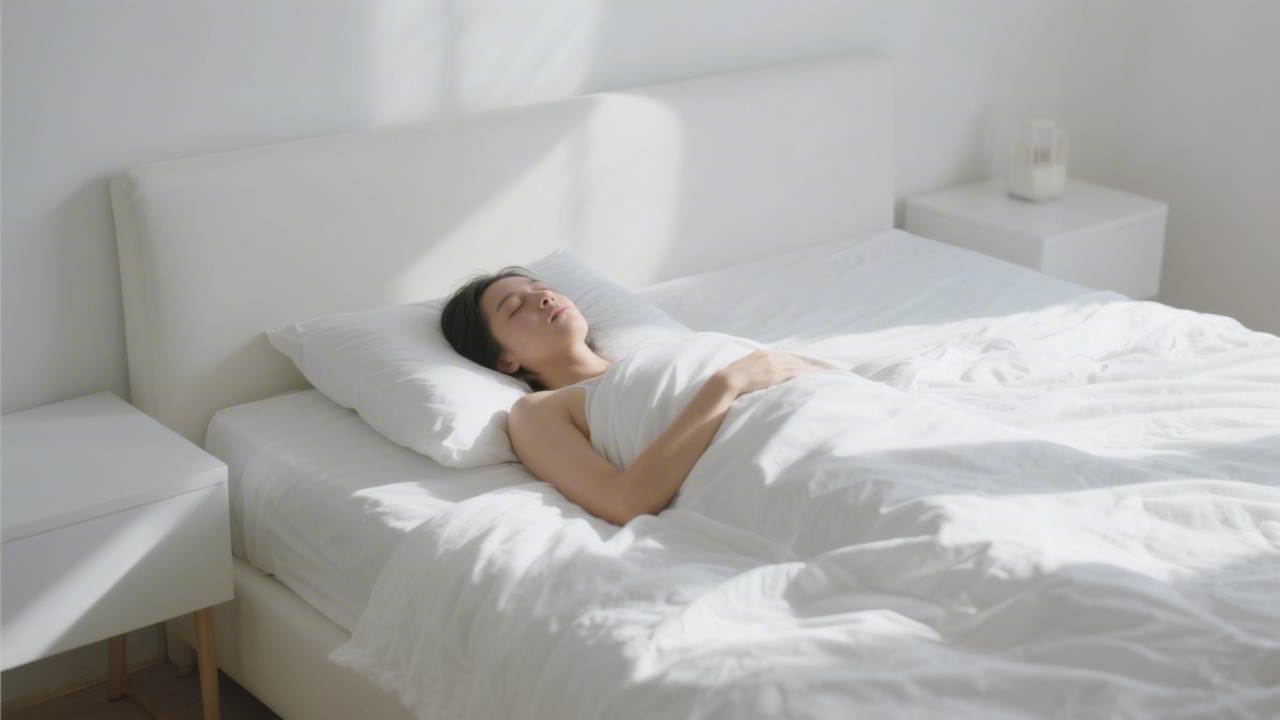
by Back sleeping is considered the gold standard for spinal health by most orthopedic and sleep specialists. When you lie on your back with proper support, your spine maintains its natural neutral alignment without the rotational stress created by side or stomach sleeping. But it is not universally beneficial — the same position that protects your spine can actively worsen snoring and is contraindicated during pregnancy.
Our Top Mattress Pick for Sleep Position Support
The Saatva Classic is available in three firmness levels (Plush Soft, Luxury Firm, Firm) and features a dual coil-on-coil construction that adapts to your sleep position while maintaining proper spinal alignment.
Why Back Sleeping Supports Spinal Alignment
The spine has three natural curves: the cervical (neck), thoracic (mid-back), and lumbar (lower back). When you sleep on your back on a supportive surface, body weight distributes evenly across the widest contact area — shoulder blades, sacrum, and calves — rather than concentrating at one or two pressure points. This equal distribution means the intervertebral discs experience less asymmetric compression overnight.
For people with lumbar disc herniation or degenerative disc disease, back sleeping with a pillow under the knees is often the first recommendation from physical therapists. The knee elevation flattens the lumbar curve slightly, reducing the compressive load on the posterior disc and facet joints. Consider pairing this with a best mattress for back pain to maximize support.
Benefits Beyond the Spine
Reduced Acid Reflux
When you sleep flat on your back, the stomach and esophagus are at roughly the same level. This is worse than the elevated left-side position for acid reflux, but significantly better than the right-side position, where the lower esophageal sphincter sits below stomach acid level. If you have GERD, elevating the head of your bed by 6 to 8 inches while back sleeping is often more effective than changing to a different horizontal position. See our guide to best mattress for acid reflux for mattress recommendations.
Reduced Facial Compression
Back sleeping prevents the repetitive mechanical compression of facial skin against pillow fabric. Dermatologists note that side sleepers often develop asymmetric wrinkles on the side they favor, while back sleepers tend to have more even skin texture. This is a minor consideration for most people but a meaningful one for those focused on skin health.
Symmetrical Shoulder and Hip Position
Both shoulders and both hips contact the mattress symmetrically, preventing the muscular imbalances that can develop from years of one-sided sleeping. People who switch from a fixed side-sleeping habit to back sleeping often report that an initial period of hip and lower back adjustment occurs as underused muscles gradually reactivate.
Who Should Avoid Back Sleeping
Snorers and Sleep Apnea Patients
Back sleeping is the worst position for airway patency. The tongue and soft palate fall posteriorly, reducing pharyngeal cross-sectional area. In diagnosed obstructive sleep apnea, supine sleeping increases apnea-hypopnea index (AHI) by an average of 50 to 100% compared to lateral sleeping. CPAP therapy partially mitigates this, but position therapy — training to avoid supine sleep — is a legitimate first-line intervention for positional OSA. If best mattress for snoring is a concern, side sleeping is a better default.
Pregnant Women (Second and Third Trimester)
After approximately 20 weeks of pregnancy, the weight of the uterus can compress the inferior vena cava when lying supine, reducing venous return and cardiac output. Most obstetric guidelines recommend left-side sleeping for this reason. See our best mattress for pregnancy guide for full recommendations.
People With Certain Spinal Conditions
Spinal stenosis patients often find back sleeping uncomfortable because lumbar extension (the natural curve while flat on your back) can narrow the spinal canal further. Knee elevation helps significantly. Those with significant kyphosis or scoliosis may also find side sleeping more comfortable despite the conventional wisdom favoring the back.
Optimal Back Sleeping Setup
Getting the position right requires more than simply lying on your back. Follow these principles:
- Pillow height: Use a low-loft pillow (3 to 4 inches for most adults) to maintain cervical neutral without flexing the neck forward. A pillow that is too thick pushes the chin toward the chest, straining posterior neck structures.
- Knee support: Place a firm cylindrical pillow or rolled blanket under your knees so they are elevated 8 to 12 inches. This reduces lumbar lordosis and takes pressure off the facet joints.
- Mattress firmness: A medium-firm mattress (approximately a 6 to 7 on a 10-point scale) provides enough resistance to keep your hips level while offering mild contouring at the lumbar region. Soft mattresses allow hips to sink below shoulder level, creating a reverse curve.
- Arm position: Arms should rest at your sides or on your abdomen, not overhead. Raising arms above your head while back sleeping compresses the supraspinatus outlet and is a common cause of shoulder impingement in back sleepers who flail their arms during sleep.
Back Sleeping and Your Mattress Choice
The mattress plays a larger role in back sleeping comfort than in side sleeping, because there is less natural cushioning — you are not using a hip or shoulder as a shock absorber. A mattress that is too soft will not provide sufficient pushback at the lumbar region. The Saatva Classic review performs well for back sleepers in the Luxury Firm configuration: the dual coil system prevents the lumbar region from sinking while the Euro pillow-top provides light pressure relief at the shoulders and sacrum.
For dedicated back sleepers, also review our best mattress for back sleepers guide, which tests mattresses specifically for supine spinal alignment using pressure mapping methodology.
Our Top Mattress Pick for Sleep Position Support
The Saatva Classic is available in three firmness levels (Plush Soft, Luxury Firm, Firm) and features a dual coil-on-coil construction that adapts to your sleep position while maintaining proper spinal alignment.
Frequently Asked Questions
Is back sleeping really the healthiest sleep position?
For spinal alignment, back sleeping is widely recommended by orthopedic specialists because it distributes body weight evenly and keeps the spine in a neutral position. However, it worsens snoring and sleep apnea, and is not safe during pregnancy after the first trimester. For most adults without these conditions, it is the optimal position.
What pillow should a back sleeper use?
Back sleepers need a low-to-medium loft pillow (3 to 5 inches) that fills the gap between the head and mattress without pushing the neck forward. A contoured cervical pillow or a soft-fill pillow you can compress works well. Placing a second pillow under the knees further reduces lumbar pressure.
Does back sleeping cause wrinkles?
Back sleeping minimizes facial compression against a pillow surface, which is why many dermatologists recommend it to reduce sleep wrinkles. Side and stomach sleepers press one side of their face into the pillow for hours each night, creating repetitive mechanical stress on facial skin.
Why does back sleeping worsen snoring?
In the supine (back) position, the tongue and soft palate fall backward under gravity, narrowing the airway. This increases turbulence and vibration during breathing, producing the snoring sound. Side sleeping repositions the tongue and reduces this obstruction significantly.
What mattress firmness is best for back sleepers?
Back sleepers generally sleep best on a medium-firm mattress. Soft mattresses allow the hips to sink too deeply, tilting the pelvis and increasing lumbar curve. A medium-firm surface keeps the hips and shoulders level while allowing light contouring at the lumbar region.
This article is for informational purposes only and does not constitute medical advice. Consult a healthcare provider for sleep-related medical conditions.