
 by
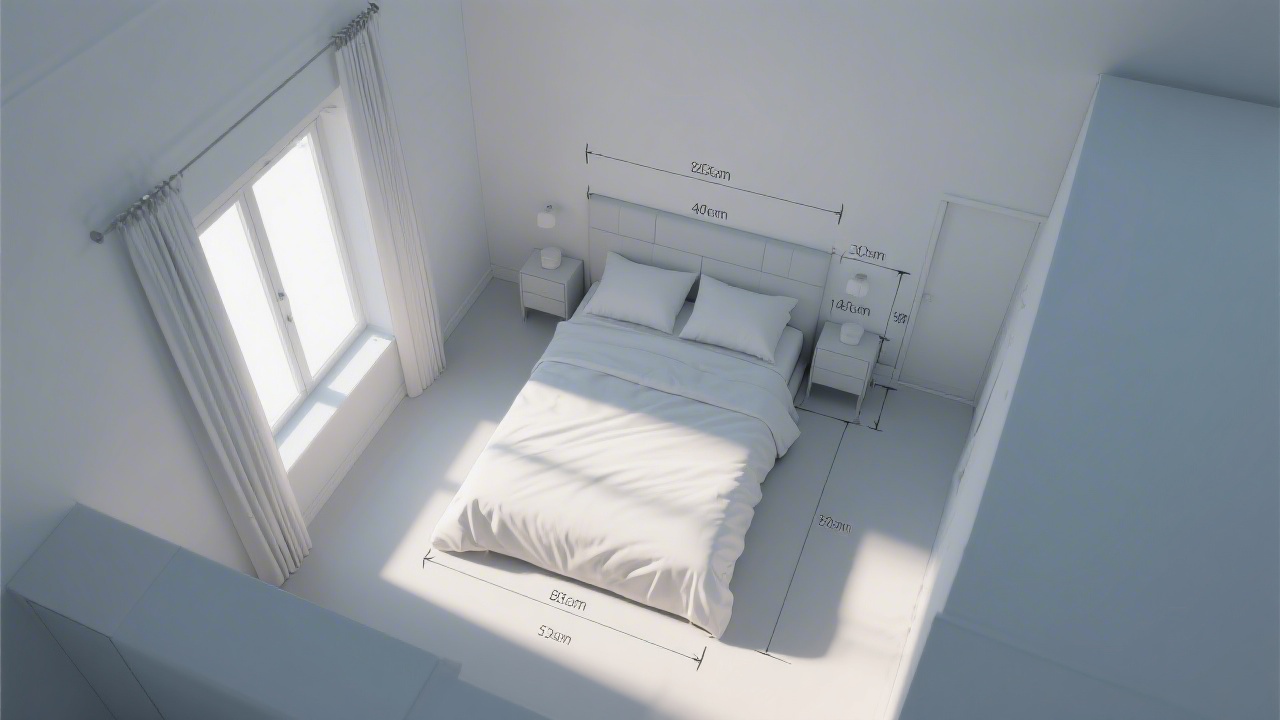
by Bed frame dimensions are not the same as mattress dimensions. Most frames add 2–4 inches in width and 2–5 inches in length due to the frame rail structure surrounding the mattress. This difference matters significantly for room planning, purchasing bedding, and doorway clearance when moving.
Standard Bed Frame Dimensions by Size
| Size | Mattress (W × L) | Typical Frame (W × L) | Recommended Room Size |
|---|---|---|---|
| Twin | 38" × 75" | 41" × 78" | 7' × 9' minimum |
| Twin XL | 38" × 80" | 41" × 83" | 7' × 10' minimum |
| Full (Double) | 54" × 75" | 57" × 78" | 9' × 10' minimum |
| Queen | 60" × 80" | 63" × 83" | 10' × 10' minimum |
| King | 76" × 80" | 79" × 83" | 12' × 12' minimum |
| California King | 72" × 84" | 75" × 87" | 12' × 12' minimum |
Note: Frame dimensions vary by manufacturer. Frames with footboards or decorative rails may add 4–6 inches rather than 2–4 inches. Always verify with the specific frame's specifications.
Why Frame Dimensions Matter for Room Planning
Interior designers recommend 24–36 inches of clearance on each side of the bed for comfortable movement. 18 inches is the bare minimum (enough to make the bed). At the foot of the bed, 24 inches is the minimum for walking through; 36 inches is comfortable.
A queen frame in a 10' × 10' room leaves 21 inches on each side (if centered) — workable but tight. The same room with a king frame leaves only 13 inches per side, which is below the usable threshold. This is why king vs queen sizing matters beyond just sleeping surface.
Detailed Breakdown by Size
Twin Bed Frame
Typical dimensions: 41" W × 76–78" L
Twin frames are the narrowest standard size. Best for children's rooms, bunk beds, and small guest rooms. Not suitable for adults taller than 6 feet (use Twin XL instead). Under-bed clearance varies from 6–14 inches depending on frame design.
Twin XL Bed Frame
Typical dimensions: 41" W × 81–83" L
Standard for college dormitories. Same width as twin, 5 inches longer. Bedding is less widely available than standard twin, but sheet selection has improved substantially. Platform frames in this size are common in student furniture lines.
Full (Double) Bed Frame
Typical dimensions: 57" W × 76–78" L
Full frames add 16 inches of width over twin — enough for a single adult who wants more sleeping surface. Too narrow for most couples (each person has only 27 inches — narrower than a twin). Best for single adults in guest rooms or smaller apartments.
Queen Bed Frame
Typical dimensions: 63" W × 81–83" L
Queen is the most popular size in the US, and the sweet spot for most couples. Each person has 30 inches of sleeping width — more than a twin. Fits comfortably in rooms 10' × 10' and larger. Most mattress models, bedding sets, and frame designs are optimized for queen size.
King Bed Frame
Typical dimensions: 79" W × 81–83" L
King frames are 6.5 feet wide — wider than most interior doorways (standard 32–36"). Moving a king frame assembled requires a very large door or hallway. Most king frames disassemble for moving. Requires at minimum a 12' × 12' room for comfortable clearance.
California King Bed Frame
Typical dimensions: 75" W × 87–90" L
California king is 4 inches narrower but 4 inches longer than a standard king. Best for very tall sleepers (over 6'4") or long narrow rooms where the extra length fits better than the extra width. Bedding selection is more limited than standard king.
Height Considerations
Frame height affects both under-bed storage and ease of getting in and out of bed.
- Low-profile frames: 4–7" from floor to slat top. Total bed height with mattress: 10–15"
- Standard platform frames: 7–12" from floor to slat top. Total bed height: 18–25"
- High frames: 14–18" from floor to slat top. Total bed height: 24–30"+
For people with limited mobility or joint issues, beds at 24–27" total height are easiest to get in and out of. For sleepers who want to use under-bed storage, frames with 10"+ of clearance are necessary for most rolling organizers.
The best bed frame guide covers specific models by height category, and our under-bed storage guide pairs storage solutions to different clearance heights.
→ See the Saatva Foundation in all sizes
Frequently Asked Questions
Is a bed frame the same size as the mattress?
No. Bed frames are 2–4 inches wider and 2–5 inches longer than the mattress they hold. This is due to the frame rails surrounding the mattress perimeter. Always measure the frame dimensions, not just the mattress size.
Will a king bed frame fit through a standard door?
Not assembled. King frames are 79" wide — wider than standard 32–36" interior doorways. King frames are designed to disassemble for moving. Plan for 30–60 minutes of disassembly and reassembly when moving a king frame.
What room size do I need for a queen bed frame?
A minimum 10' × 10' room for acceptable clearance. 10' × 12' or larger is recommended for comfortable walkability and nightstand placement on both sides.
What is the difference between California king and king frames?
California king frames are 4 inches narrower (75" vs 79") and 4 inches longer (87" vs 83"). The footprint is similar, but mattresses, sheets, and bed frames are not interchangeable between the two sizes.
How much clearance should I leave around a bed frame?
24–36 inches on each side for comfortable movement and bed-making. 18 inches is the absolute minimum. At the foot of the bed, allow at least 24 inches to walk through comfortably.