
 by
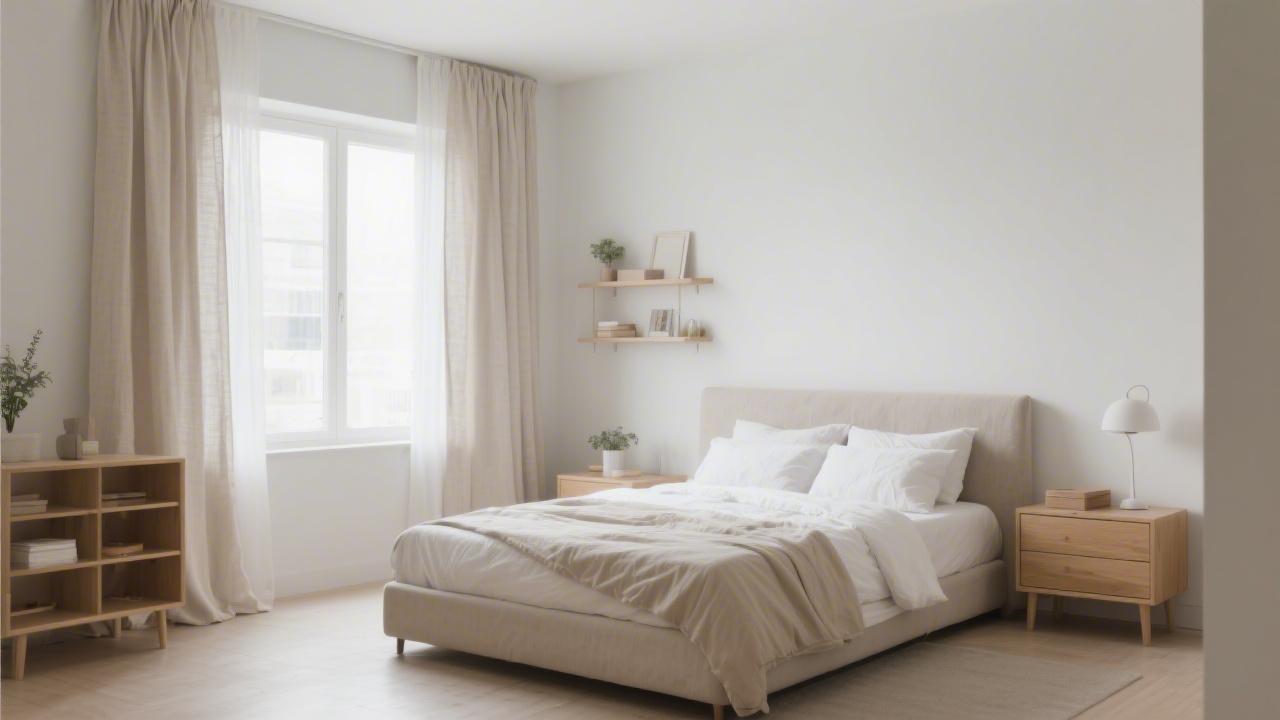
by Bedroom organization is not just about aesthetics. The visual environment you sleep in directly influences how quickly you fall asleep, how deeply you sleep, and how rested you feel in the morning. Understanding which items belong in the bedroom and which do not is one of the highest-return sleep investments you can make without spending money.
The Science: How Clutter Disrupts Sleep
A 2015 study published in Sleep found that people sleeping in cluttered rooms had significantly higher rates of sleep difficulties. The mechanism is neurological: visual clutter activates your brain's conflict-monitoring system (the anterior cingulate cortex), keeping your nervous system in a low-level alert state. This inhibits the drop in cortisol required for deep sleep onset.
The effect is compounded by decision fatigue. Every item in your bedroom that represents an unfinished task — a pile of laundry, a work laptop, a stack of mail — creates a cognitive microload that your brain registers even when you are trying to rest.
What to Remove From the Bedroom
Start with removal before adding any organizational systems. The following categories have the highest negative impact on sleep:
Work Items
Laptops, documents, work bags, and notepads all trigger task-mode thinking. If you work from home, this is particularly damaging. Move work equipment to a dedicated workspace or at minimum store it out of sight in a closed drawer or wardrobe.
Exercise Equipment
Exercise activates the sympathetic nervous system. Even the presence of exercise equipment in your bedroom creates a visual association with physical exertion, which conflicts with the rest association your bedroom should trigger. Store it in another room or a closet.
Excessive Decorative Items
Decorative items are not neutral. Each one your eye lands on requires micro-processing. Reduce surfaces to the minimum: one nightstand item, one lamp, a single framed piece if desired.
Laundry and Clothing
The classic bedroom enemy. Visible laundry — especially a growing pile — registers as an unfinished task that keeps the brain's problem-solving mode active. Dedicated hampers with lids and a consistent laundry routine are the only sustainable solution.
What to Keep in the Bedroom
Sleep-promoting bedrooms are built around a simple hierarchy:
- Essential: Bed, mattress, pillows, bedding, blackout curtains, a nightstand, a lamp.
- Optional sleep-neutral: A book or e-reader (without backlit screens), a white noise machine, a clock without a bright display.
- Conditional: A wardrobe or dresser (acceptable if surfaces remain clear), a small armchair (if not used for work).
- Remove or relocate: Everything else.
A Practical Clearing Framework
Use this three-pass system when tackling an existing bedroom:
- Pass 1 — Remove clearly wrong items: Anything that belongs in another room. Work equipment, fitness gear, food items, anything related to a task or obligation.
- Pass 2 — Consolidate surfaces: Every horizontal surface (nightstands, dressers, windowsills) should have three items or fewer. If it has more, move the excess to storage or another room.
- Pass 3 — Sleep-test: Lie in bed and look around. If any item causes you to think about a task or responsibility, it does not belong in the room.
Organization Systems That Maintain Themselves
The failure mode of most bedroom organization efforts is that they require ongoing effort to sustain. The systems that work long-term share one characteristic: they make the organized state the path of least resistance.
- One-in-one-out rule: Every new item entering the bedroom displaces one. This caps accumulation permanently.
- 5-minute evening reset: A brief tidy before bed prevents overnight accumulation. This is also a sleep-onset ritual, which itself improves sleep latency.
- Designated landing zones: A small tray or bowl on the dresser for watches, jewelry, and pocket items contains nighttime clutter to one controlled space.
- Closed storage preference: Wardrobes and dressers with doors require less ongoing management than open shelving, where items need constant curation.
Good bedroom organization pairs with the right mattress and furniture arrangement to create a sleep environment that works for you rather than against you.
CTA: Start With the Mattress
Once your bedroom environment is optimized, the mattress itself has the largest impact on actual sleep quality. Saatva's Classic innerspring hybrid is a top performer for pressure relief and motion isolation — the two most common complaints among people who wake during the night.
Frequently Asked Questions
Does bedroom clutter really affect sleep?
Yes. Research in the journal Sleep found people in cluttered bedrooms have measurably higher rates of sleep difficulties. Clutter activates the brain's conflict-monitoring system, elevating cortisol and making it harder to wind down.
What should you remove from the bedroom for better sleep?
Remove work items, exercise equipment, laundry piles, and any item that triggers task-based thinking. These items keep the brain in alert mode, which works against sleep onset.
What should you keep in the bedroom?
Keep only sleep-related essentials: the bed, a nightstand, a lamp, blackout curtains, and optionally books. Everything else is optional at best and disruptive at worst.
How does a messy room cause cortisol spikes?
Visual clutter activates the anterior cingulate cortex, the brain's conflict-monitoring region. This keeps you in a low-level arousal state that elevates cortisol and prevents the drop needed for deep sleep.
What is the best bedroom organization system?
The most sustainable system is the one-in-one-out rule plus a 5-minute evening reset. Both prevent accumulation without requiring dedicated cleaning sessions.
Key Takeaways
- The Science: How Clutter Disrupts Sleep: a key factor in making the right sleeping decision.
- What to Remove From the Bedroom: a key factor in making the right sleeping decision.
- Bedroom organization is not just about aesthetics.
- The visual environment you sleep in directly influences how quickly you fall asleep, how deeply you sleep, and how rested you feel in the morning.
- Understanding which items belong in the bedroom and which do not is one of the highest-return sleep investments you can make without spending money.
Our Top Pick: Saatva Classic
Voted best luxury innerspring mattress with exceptional lumbar support and white-glove delivery.
Check Price & Availability