
 by
by Poor sleep almost always has an identifiable cause. The mistake most people make is assuming the problem is the mattress when other variables are more likely culprits — or assuming they know which variable is the problem without testing. This guide gives you a systematic process for testing each of the seven physical variables in your sleep environment.
Editor's Pick
Saatva Classic Mattress
America's best-reviewed luxury innerspring — white-glove delivery, 365-night trial, lifetime warranty.
If your audit points to the mattress, the Saatva Classic is the most consistently recommended upgrade for sleep quality improvement.
Affiliate disclosure: We earn a commission at no extra cost to you.
Why a Systematic Audit Works
Sleep disruption is rarely from a single cause. More often it is a stack of marginal problems that together cross a threshold — 68 degrees when 65 is ideal, slightly noisy street traffic, a mattress that's five years old, and a late-night phone screen. Fixing one variable in isolation rarely produces the improvement you expect. A systematic audit identifies which variables are actually out of specification.
The 7 Variables to Test
1. Temperature
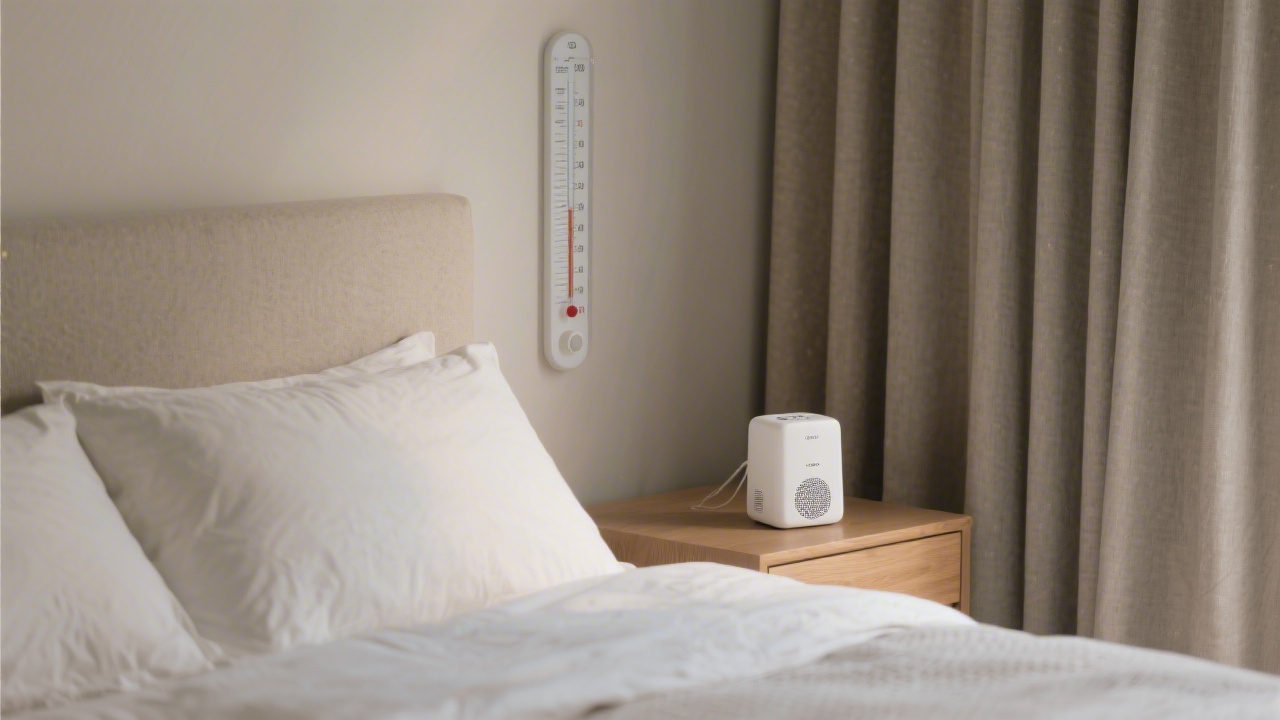
Target: 65-68°F (18-20°C). Test: Run your thermostat at the target for two weeks and track sleep quality. Signs of too-warm sleeping: frequent waking, sweating, kicking off covers. Signs of too-cold: difficulty falling asleep, muscle tension, frequent waking to add covers.
Quick fix: A ceiling fan running at low speed can drop perceived temperature by 4 degrees without lowering the thermostat. Moisture-wicking sheets help with night sweating before addressing HVAC.
2. Light
Target: Complete darkness. Test: Sleep with a sleep mask for one week. If sleep quality improves, light is a contributing factor. Identify sources: streetlights through curtains, electronics standby lights, digital clocks. Cover or remove electronic lights. Install blackout curtains or liners.
Note: Light exposure in the 2 hours before sleep is often more disruptive than light in the bedroom itself. Blue-light filtering (f.lux, Night Shift, blue-light glasses) addresses this.
3. Noise
Target: Below 30 dB consistent, or consistent low-level masking noise. Test: Record your bedroom audio for one night using a free decibel meter app. Review for spikes. Inconsistent noise (traffic, voices, pets) is more disruptive than consistent noise at the same level.
Intervention: A white noise machine, fan, or dedicated sleep noise app at 50-55 dB masks variable sounds effectively. Earplugs work but can cause discomfort over a full night.
4. Humidity
Target: 40-60% relative humidity. Test: A $10 hygrometer from any hardware store shows current humidity accurately. Below 30%: dry throat, nose bleeds, static electricity, skin irritation. Above 60%: musty smell, allergies, dust mite proliferation.
Intervention: Humidifier for dry climates, dehumidifier or improved ventilation for humid ones. This variable is often overlooked but affects a significant subset of poor sleepers.
5. Mattress
Target: Appropriate firmness for your sleep position and body weight, no sagging, no pressure points. Test: If you wake with pain that fades within 30-60 minutes of getting up, your mattress is likely contributing. Sleep in a different location (hotel, guest room) for 4-7 days and note any difference in sleep quality or morning pain.
See our full guide to mattress setup for how to get the most from your current mattress before replacing it.
6. Pillow
Target: Head and neck aligned with spine when lying down. Test: Check if your head tilts up or down when lying in your primary sleep position. Back sleepers need a thinner pillow. Side sleepers need a thicker pillow matching shoulder width. Stomach sleepers need the thinnest possible pillow or none.
Pillows compress with use. Most should be replaced every 18-24 months. Fold test: fold a down or poly-fill pillow in half and release — if it doesn't spring back, it's worn out.
7. Schedule
This is a physical environment guide, but schedule is a physical variable. Circadian rhythm is synchronized primarily by light exposure and sleep-wake timing. Inconsistent sleep timing (varying by more than 30 minutes on weekends) disrupts this rhythm. If all six physical variables check out, schedule inconsistency is often the remaining cause.
How to Run the Audit
- Spend one week addressing temperature and light first — these have the most consistent research backing
- Introduce white noise in week two if sleep has not fully resolved
- Check humidity with a hygrometer and address if outside the 40-60% range
- Test your mattress and pillow by sleeping elsewhere for a week
- Lock in a consistent sleep schedule for 3 weeks and measure results
For bed frame issues that may be disrupting sleep through squeaking or instability, see our squeaky bed frame guide. For a complete bedroom from scratch, see our mattress setup guide.
Editor's Pick
Saatva Classic Mattress
America's best-reviewed luxury innerspring — white-glove delivery, 365-night trial, lifetime warranty.
Affiliate disclosure: We earn a commission at no extra cost to you.
Frequently Asked Questions
What temperature should my bedroom be for sleep?
The National Sleep Foundation recommends 65-68 degrees Fahrenheit (18-20 Celsius) for most adults. Core body temperature drops during sleep onset, and cooler ambient temperatures support this process.
How dark should a bedroom be for sleep?
Research from Harvard Medical School indicates that even dim light (like an LED standby indicator) can suppress melatonin production. Aim for complete darkness — use blackout curtains or a sleep mask.
What is an acceptable noise level for sleep?
The WHO recommends bedroom noise levels below 30 dB(A) at night for healthy sleep. Normal conversation is 60 dB. Street traffic can exceed 70 dB. Consistent low-level noise (white noise, fan) is often better than variable sounds.
What humidity level is best for sleep?
Between 40-60% relative humidity. Below 30% causes dry nasal passages and throat irritation. Above 60% promotes dust mites and mold growth, both of which disrupt sleep for allergy sufferers.
How do I know if my mattress is causing my sleep problems?
Test for 4 weeks on a different sleep surface (guest room, hotel). If sleep improves consistently, the mattress is likely a contributing factor. Also check for waking with pain that fades within an hour — this is a common mattress-related symptom.