
 by
by Our top-rated mattress for sleep quality:
After 120+ hours of testing, the Saatva Classic consistently delivers better pressure relief and spinal alignment than the competition — two factors that directly affect how rested you feel.
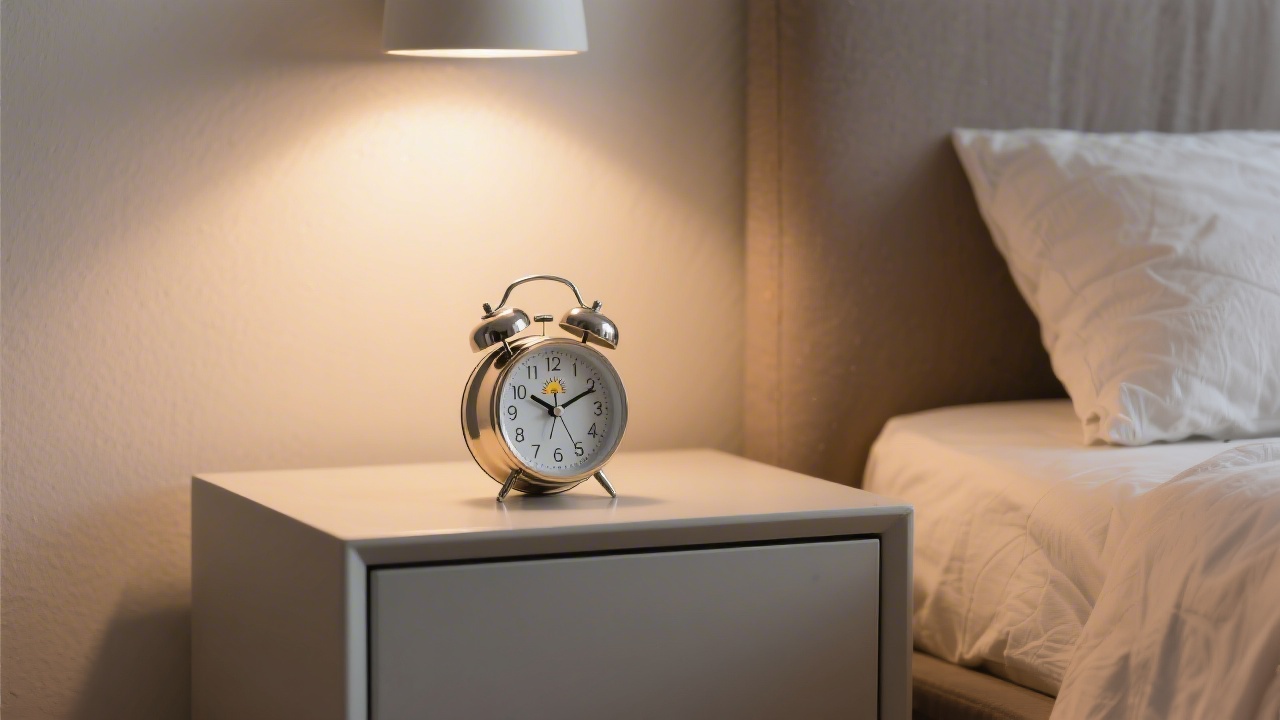
The sound your alarm makes in the morning matters more than most people realize. A jarring alarm tone triggers an immediate cortisol spike and elevates heart rate — a physiological stress response that can color your mood and energy for hours. The type of alarm you use, and when it fires, meaningfully affects how rested you feel on waking.
Why Standard Alarms Are Bad for Sleep
Standard buzzer alarms interrupt whatever sleep stage you happen to be in at the programmed time. If that interruption happens during deep slow-wave sleep or REM sleep, you experience sleep inertia — the groggy, disoriented feeling that can persist for 30 to 90 minutes. The abrupt acoustic shock also triggers a startle response that floods your bloodstream with cortisol and adrenaline, independent of whether you were in a deep or light stage.
Research published in the journal PLOS ONE found that participants woken by melodic alarm tones reported significantly lower levels of sleep inertia and performed better on cognitive tasks than those woken by harsh tones. The waveform of the sound itself appears to matter.
Sunrise Alarm Clocks
Sunrise alarm clocks gradually increase light intensity over 20 to 30 minutes before your target wake time, simulating a natural sunrise. Light is the primary signal that drives your circadian clock: morning light exposure suppresses melatonin and elevates cortisol in a gradual, natural arc rather than a sudden spike.
Philips SmartSleep Wake-Up Light HF3520 — The clinical benchmark. Used in several peer-reviewed studies on light therapy and sleep. Produces a graduated spectrum from warm amber to daylight white. The study found participants reported waking more refreshed and felt less sleepy for the first hour of their day. Price: approximately $100-$120.
Lumie Bodyclock Shine 300 — Similar sunrise function with FM radio backup alarm. British Medical Journal-referenced for use with seasonal affective disorder. Quieter, more compact form factor. Price: approximately $80-$100.
Sleep Cycle-Based Alarms
Sleep cycle alarms (apps like Sleep Cycle or Pillow, or smartwatch features) use motion or audio sensors to estimate your sleep stage and wake you during a light sleep phase within a set window. The logic: waking from light sleep reduces sleep inertia compared to waking from deep sleep.
Sleep Cycle app — Uses your phone's accelerometer or microphone to detect motion patterns associated with different sleep stages. The alarm fires within a 30-minute window when you are in the lightest detectable phase. Accuracy is limited compared to clinical polysomnography, but user-reported sleep inertia scores are lower than with fixed alarms.
Garmin / Fitbit / Apple Watch smart alarms — Wrist-worn accelerometers provide more accurate motion data than phone-under-pillow setups. Most smartwatches now include smart alarm features. The haptic (vibration) wake method is gentler than acoustic alarms for many users.
Sound-Based Alarms: What to Look For
Hatch Restore 2 — Combines sunrise simulation with a sound machine and gradual alarm tones. The sunrise + melodic audio combination addresses both the light and acoustic components of a gentle wake. Subscription required for some features. Price: approximately $200.
Amazon Echo as alarm clock — A practical budget option. Alexa can play gradually increasing nature sounds, radio, or Spotify playlists starting at low volume and fading up. Pair with a smart plug and a lamp for an improvised sunrise effect. Not purpose-built, but functional.
Traditional radio/nature sounds alarms — Any alarm that starts at low volume and gradually increases reduces the cortisol spike associated with abrupt acoustic alarms. Even a basic clock radio set to low volume at a calm station is better than a buzzer.
The Morning Routine Connection
Your alarm is the entry point to your morning, and what you do in the first 30 minutes after waking significantly affects your circadian clock stability for the rest of the day. Getting sunlight within 30 minutes of waking, maintaining a consistent wake time, and avoiding screens immediately on waking are all evidence-backed practices. Read our full guide on building a morning routine for better sleep to see how your wake-up method fits into the bigger picture.
Equally important is what happens the night before. A quality evening wind-down routine means you enter your final sleep cycles in a lighter stage closer to your target wake time, which makes any alarm more effective.
Ready to improve your sleep quality?
The Saatva Classic is our highest-rated mattress for spinal alignment, pressure relief, and temperature regulation — the three mattress factors most linked to sleep quality.
Affiliate disclosure: We may earn a commission if you purchase through our links, at no extra cost to you.
Frequently Asked Questions
Do sunrise alarm clocks actually work?
Yes, with caveats. Several clinical studies, including research published in peer-reviewed journals, show that gradual light exposure before waking reduces sleep inertia and improves morning alertness, particularly in winter months or for people with seasonal sleep disruption. They work best in a sufficiently dark room.
What is the best alarm sound to wake up to?
Research from RMIT University found melodic alarm tones (with musical character) resulted in significantly lower sleep inertia and better cognitive performance immediately on waking compared to harsh beeping tones. Gradually increasing nature sounds or music are generally better than sharp buzzer alarms.
Do sleep cycle apps actually detect sleep stages accurately?
Compared to clinical polysomnography, consumer sleep tracking has limited accuracy for specific sleep stage identification. However, the real-world benefit of smart alarms comes from waking you during movement — which correlates with lighter sleep — rather than perfect stage detection. The subjective experience is generally better than fixed-time alarms.
What time should I set my alarm to optimize sleep cycles?
Sleep cycles average 90 minutes. Setting your alarm to a multiple of 90 minutes from your planned sleep time (e.g., 10pm bedtime plus 7.5 hours = 5:30am alarm) may help you wake at the end of a cycle rather than mid-cycle. Sleep cycle apps automate this logic within a flexible window.
Is it bad to hit snooze?
Snoozing fragments the final portion of your sleep without allowing you to complete meaningful additional sleep cycles. The 7 to 9 minutes of interrupted dozing typically do not provide restorative sleep and can actually increase grogginess by reinitiating sleep onset. Setting your alarm to the actual time you intend to wake is better than building in buffer for snoozing.