
 by
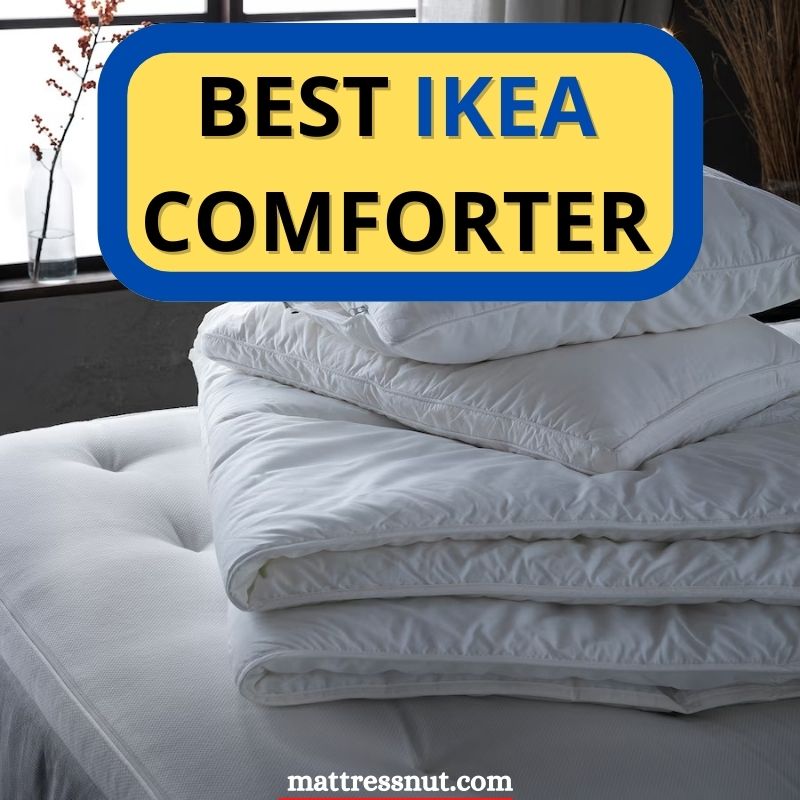
by IKEA is one of the most recognizable names in home furnishings, and their comforter lineup follows the same logic as their furniture: solid materials, honest pricing, no unnecessary frills. We looked at the five comforters IKEA actually sells in the US right now to see how they hold up against the claims on the label.
The short answer: IKEA comforters deliver what they promise at their price point. For roughly $20 to $150 depending on size, fill, and warmth level, you get a washable, reasonably warm duvet insert that will last two to four years with normal use. If you want something that lasts a decade, you need to look at dedicated bedding brands. But as a budget-first choice, the lineup is hard to argue with.
IKEA is the right place to compare low-cost comforters. If you are ready to buy something with a cleaner partner path, start with PlushBeds Comforters for a dedicated bedding-brand option, then compare Puffy Bedding or Amerisleep Bedding if you want an easy bedding bundle. We keep the IKEA picks below for comparison, but we do not send purchase buttons to IKEA.
PlushBeds Down Alternative Comforter
The 5 IKEA comforters worth knowing in 2026
IKEA rates every comforter on a simple warmth scale: light warm, warm, extra warm, and all seasons. An all seasons version is really two comforters, one lighter and one warmer, that snap together into an extra warm layer for winter. Here is how the current US lineup breaks down, from cheapest to most premium.
SMÅSPORRE: the budget down alternative
The entry point of the range. SMÅSPORRE uses a cotton and polyester blend shell with a soft hollow fiber filling made from recycled sources, and it comes in light warm, warm, and all seasons versions. It is machine washable at 140 degrees Fahrenheit, which is hot enough to kill dust mites, and that alone makes it a smart guest room or first apartment buy. The trade-off is loft: hollow fiber packs down faster than down or lyocell blends, so expect it to feel noticeably flatter after a couple of years of nightly use.
SKOGSFRÄKEN: the breathable synthetic
A step up that most hot sleepers should look at first. Both the fabric and the filling are a recycled polyester and lyocell blend. Lyocell wicks moisture and breathes better than plain polyester, so the comforter feels drier through the night while the polyester keeps it durable and quick to dry after washing. It comes in light warm, warm, and extra warm, with a warm full/queen typically selling for around $70. If you sleep warm but still want a duvet with some body to it, this is the IKEA pick we would point you to.
STRANDMOLKE: the simple microfiber option
A straightforward microfiber down alternative in light warm and warm versions, usually priced around $80 depending on size. It does not have a standout trick like the lyocell blend above. It is soft, easy to wash, and unfussy. Fine if you find it in store and like the hand feel, but between the two synthetics, SKOGSFRÄKEN gives you more for similar money.
FJÄLLARNIKA: feather and down on a budget
The affordable way into natural fill. FJÄLLARNIKA pairs a cotton shell with a filling of 90 percent duck feathers and 10 percent down, which gives it a snug, crisp, slightly heavier feel than a pure down duvet. It comes in light warm and warm versions plus an all seasons version that snaps together for winter, generally around $149 for the larger sizes. Two honest caveats: feather-forward fills carry a natural smell out of the bag that fades with airing, and washing a full-size feather duvet at home is a chore. Budget for a large-capacity machine or a laundromat trip.
FJÄLLHAVRE: the warmest and fluffiest
The ratio flips here: 90 percent duck down and 10 percent feathers inside a soft dobby woven cotton shell. The high down content makes it light and genuinely fluffy, side walls give it extra thickness, and stitched inner walls keep the fill from shifting so heat stays where it should. IKEA rates it warm, and it ships in a cotton drawstring bag for off-season storage. This is the winter comforter of the lineup. Owners consistently say it is excellent in cold months and too hot for the rest of the year, which is exactly what a 90 percent down fill should be.
How to choose: fill, warmth, and washing
Fill: synthetic or down
Down alternative (SMÅSPORRE, SKOGSFRÄKEN, STRANDMOLKE) is the right call for allergy-prone sleepers, kids' rooms, and anyone who wants to wash the whole comforter at home without thinking about it. The cost is longevity: synthetic fills flatten in two to four years. Feather and down (FJÄLLARNIKA, FJÄLLHAVRE) loft higher, insulate better per ounce, and last longer when cared for, but they cost more upfront and demand more care in the wash.
Warmth rating
Match the label to how you actually sleep, not to the season on the calendar. If you often kick the covers off, buy light warm. If you run cold or keep the thermostat low, buy warm. Extra warm is for genuinely cold bedrooms where temperatures regularly drop near freezing. If your answer changes through the year, the all seasons snap system is the practical fix: use the light layer in summer, the warm layer in shoulder seasons, and both snapped together in winter.
Washing and everyday care
IKEA's synthetic comforters wash at home at 140 degrees Fahrenheit, the dust mite kill temperature, and dry quickly. The down and feather versions are bulkier: they need a large-capacity drum and a long, low tumble dry with dryer balls to break up clumps. One quirk worth knowing before you buy: IKEA duvet inserts do not have corner loops, so the ties inside your duvet cover have nothing to grab. Some owners sew on their own loops; otherwise expect a bit of shifting inside the cover. Also note that IKEA sells a single full/queen size rather than separate full and queen inserts, so check the listed measurements against your duvet cover before ordering.
When an IKEA comforter is not the answer
If you replace bedding every few years anyway, IKEA is a perfectly rational buy and you can stop reading here. The case for upgrading is durability and loft: a dedicated bedding brand comforter is built to hold its fill and its warmth rating well past the point where a $40 hollow fiber duvet has gone flat. That is where our partner picks come in. PlushBeds comforters are the upgrade we recommend first, especially if you care about organic materials. If you are refreshing the whole bed at once, Puffy bedding and Amerisleep bedding both make it easy to bundle a comforter with sheets and pillows.
Bottom line: buy SKOGSFRÄKEN if you want the best cheap synthetic, FJÄLLHAVRE if you want real down warmth for winter, and step up to PlushBeds when you are ready for a comforter that outlasts the IKEA replacement cycle.
OUR PICK
If you outgrow flat-pack bedding, the Saatva Down Alternative Comforter is our step-up pick: hotel-grade fill with a 45-day trial, per saatva.com.
If you buy through links on this page, we may earn a commission at no extra cost to you.