 by
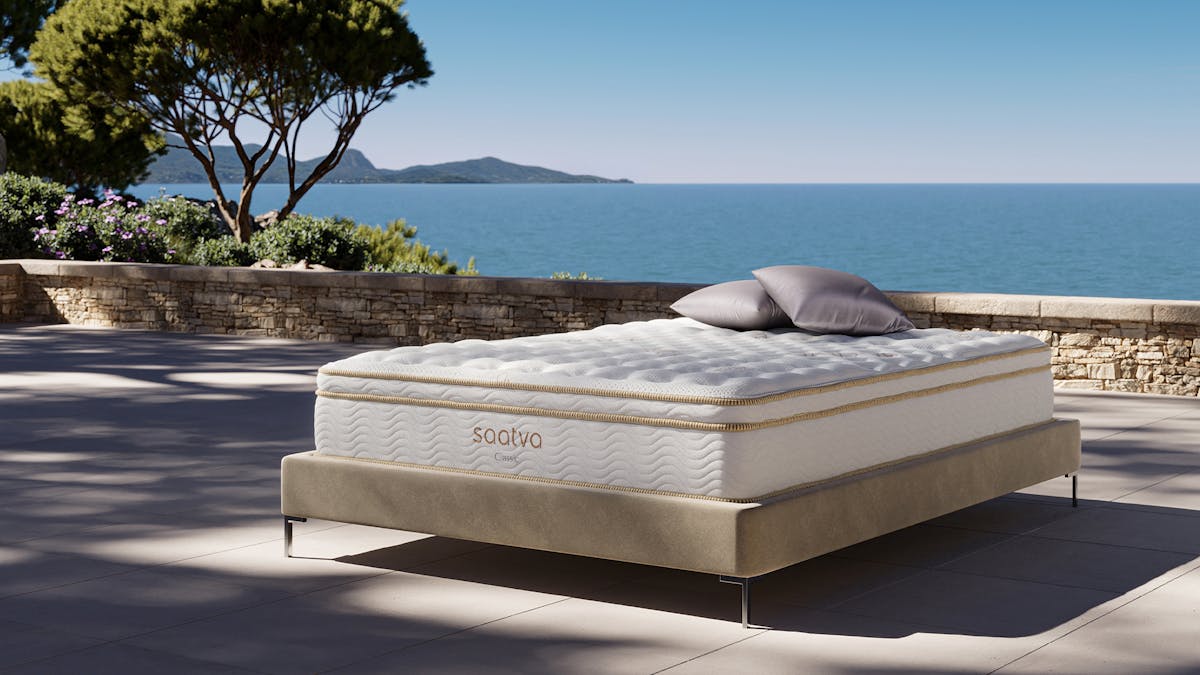
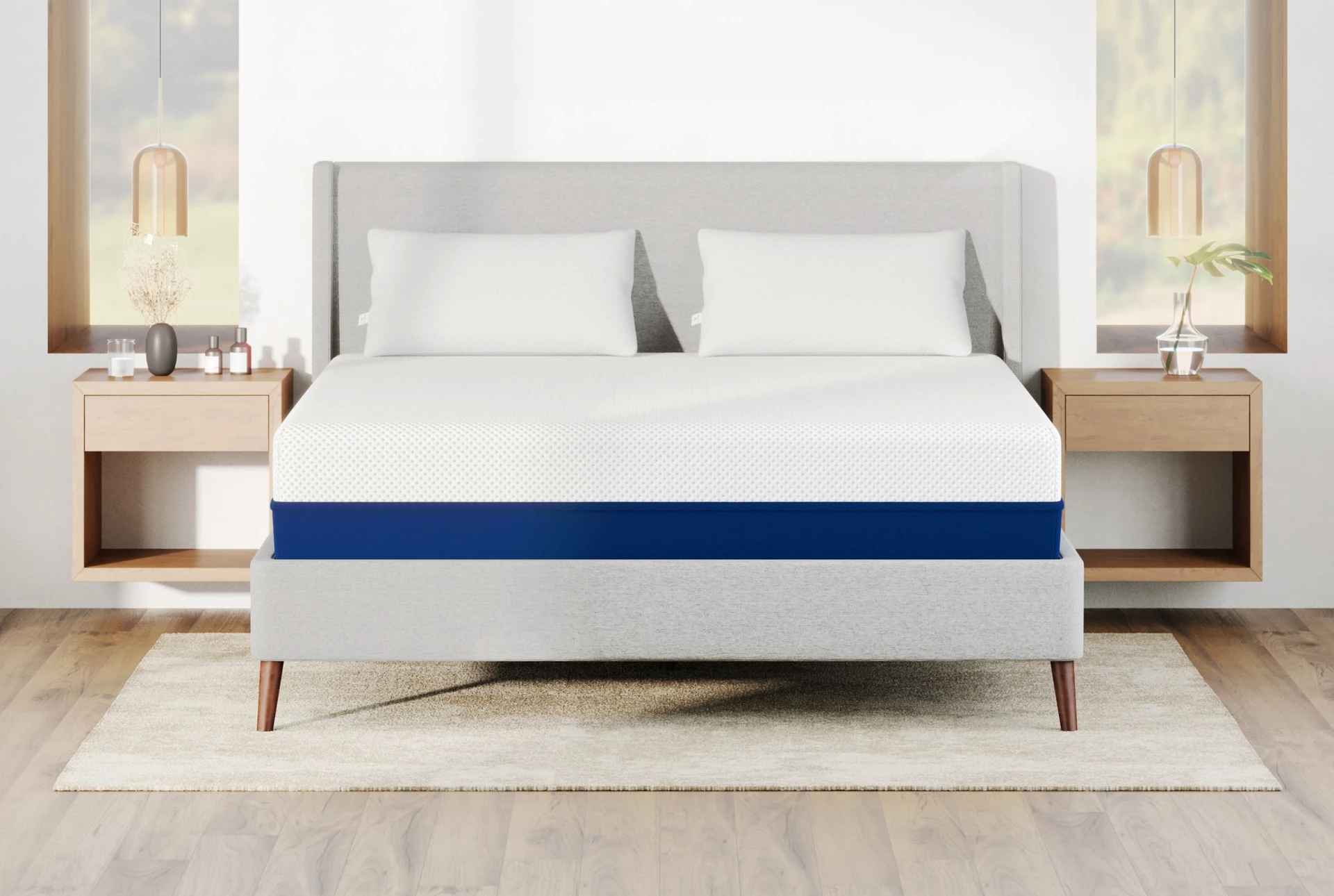
by The best mattress for co-sleeping needs exceptional edge support, a firm consistent surface, and solid motion control. My top pick is the Amerisleep AS3: a Medium-feel all-foam bed built to balance support and softness for every sleep position, with Bio-Pur foam that absorbs movement so a partner or child is less likely to be woken, backed by a 100-night trial, a 20-year warranty, and free shipping and returns. For a luxury innerspring alternative with reinforced perimeter coils, the Saatva Classic keeps children and adults safely on the sleep surface, and the 365-night trial per saatva.com removes the guesswork.
Co-sleeping changes what a mattress has to do. A bed that works for one sleeper can fail a family: soft edges a toddler can roll off, a bouncy surface that wakes your partner every time you turn, or a plush top that is simply too soft for a child. I have spent years pulling apart mattress construction specs, and for shared sleep the priorities are narrower and less forgiving than for solo sleepers. Here is what I would actually buy, and why.
What is the best mattress for a family?
The best mattress for a family sharing a bed should feel Medium and supportive, isolate motion so one sleeper's movement doesn't wake the others, and work for back, side, and combination sleepers. The Amerisleep AS3 fits that profile: it is a Medium-feel all-foam bed built to balance support and softness for every sleep position, uses plant-based Bio-Pur foam that absorbs movement across the surface, and comes with a 100-night trial, a 20-year warranty, and free shipping and returns. For families where motion isolation matters most, its foam construction keeps a turning partner or a restless child from disturbing everyone else in the bed. If you prefer a luxury innerspring alternative with a reinforced perimeter, the Saatva Classic remains the page's runner-up. A mattress does not treat any medical condition; consult a doctor for persistent symptoms.
Amerisleep AS3
9.3/10
- 10/10 motion isolation per NapLab lab testing (2.11 m/s² transfer acceleration vs the 8.80 m/s² category average)
- HIVE 5-zone support keeps the spine neutral for back, side, and combination sleepers per the manufacturer
- Plant-based Bio-Pur foam, CertiPUR-US certified, fiberglass-free per the brand's listing
- Quieter sleep surface for light sleepers or couples with mismatched schedules
- Softer perimeter than a coil hybrid, so not as strong for keeping children safely centered
- 100-night trial is shorter than Saatva's 365-night window per each brand's terms
For couples where motion isolation is the dominant concern and edge-safety for a child is less critical, the AS3's foam construction absorbs movement better than anything else in this guide per NapLab's transfer measurements. If a partner's 3 a.m. schedule routinely wakes you, the AS3 is the upgrade that makes the biggest difference.
What actually matters for a co-sleeping mattress
Co-sleeping covers two main scenarios: parents sharing a bed with a young child, and couples or partners sharing a sleep surface. The mattress requirements overlap heavily across both, and the spec sheet tells you most of what you need to know before you ever lie down.
Edge support is the most critical spec for families. Strong perimeter reinforcement stops a child from rolling to the edge and off the bed during the night. It also lets adults use the full width of the mattress without feeling like they might slide off themselves, which matters more than people expect when a third body is taking up the middle. Innerspring and hybrid mattresses with reinforced perimeter coils, like the Saatva Classic, consistently outperform all-foam models here. The Saatva Classic scored 10/10 for edge support per NapLab testing, with only 2.25 inches of sitting sinkage, roughly half the 4 to 5 inches typical of the category per the same lab data.
Motion isolation is the second priority. When one person shifts, rolls, or gets up during the night, that movement should not travel across the surface and wake the other sleeper. Memory foam absorbs motion far better than innerspring or latex because the viscoelastic cells dissipate energy locally instead of transmitting it through connected coils. For couples where one is a very light sleeper, foam is the stronger material choice on this metric.
Firmness matters for both safety and comfort. Pediatric safe-sleep guidance calls for firm sleep surfaces because soft mattresses create suffocation risk for young children. Medium-firm (5 to 7 out of 10) satisfies both adult comfort and pediatric safety when co-sleeping with a child old enough to roll independently. The Saatva Classic in Luxury Firm sits at 6/10 per my read of the brand's firmness scale, right in that window for most adults.
Size is the simplest lever. A king (76 x 80 inches) gives two adults and a child roughly 25 inches of width each. A queen (60 x 80 inches) is the realistic minimum for most co-sleeping setups, and even that gets tight once a toddler starts rotating sideways at 2 a.m.
Co-sleeping mattress comparison
Here is how the three mattresses in this guide stack up on the specs that matter for shared sleep. Prices and trial terms are per each brand's own listing; scores are per NapLab lab measurements where noted.
| Mattress | Type | Edge support | Motion isolation | Trial | Queen price |
|---|---|---|---|---|---|
| Amerisleep AS3 | All-foam | Good 8/10 | Exceptional 10/10 | 100 nights | $1,249 (queen) |
| Saatva Classic | Innerspring hybrid | Outstanding 10/10 | Moderate 7.4/10 | 365 nights | $2,229 |
| Helix Midnight | Hybrid | Outstanding 9.5/10 | Good 8.5/10 | 120 nights | $1,099 |
Co-sleeping with a child: what the mattress can and cannot do
Pediatric guidance on bed-sharing is specific, and I want to be straight about it. The American Academy of Pediatrics recommends room-sharing without bed-sharing for infants under 12 months, and notes that risks are highest in that first year. No mattress changes that recommendation. If a family chooses to co-sleep, though, the sleep surface matters significantly, and that is where construction specs come in.
A firm mattress reduces soft-surface suffocation risk. A medium-firm rating of 5 to 7 out of 10 is the practical range: firm enough to satisfy safety considerations, soft enough that adults sleep comfortably through the night without waking from pressure pain. The Saatva Classic in Luxury Firm at 6/10 lands in that zone per the brand's firmness scale.
Edge support keeps a sleeping child from rolling to the perimeter and off the bed. The Saatva Classic's dual-coil construction with a reinforced high-density foam perimeter delivers the strongest edge performance in NapLab's testing, with 2.25 inches of sinkage versus a category average closer to 4 to 5 inches per the same lab data.
Off-gassing is a secondary consideration. CertiPUR-US certified foams are tested for low VOCs and formaldehyde per the certification body's published standards. The Saatva Classic uses CertiPUR-US certified layers with an organic cotton cover, per the manufacturer. Neither mattress replaces safe sleep practices. A firm, certified mattress reduces certain risks but does not eliminate the inherent considerations around infant bed-sharing.
One practical note on setup: some families lower the entire sleep surface by skipping the bed frame during the co-sleeping years, which removes fall height from the equation almost entirely. If that route interests you, I break down the trade-offs (moisture, airflow, warranty terms) in my guide to sleeping on a mattress on the floor.
Saatva Classic
9/10
- 10/10 edge support per NapLab testing (2.25" sitting sinkage), so children cannot easily roll off and adults use the full sleep surface
- Dual-coil zoned system with reinforced lumbar pad keeps spines neutral for all adult positions
- Free white-glove delivery, setup, and old-mattress removal per saatva.com
- 365-night trial and lifetime warranty per the manufacturer, the longest coverage in this comparison
- Organic cotton cover, CertiPUR-US certified foams per the brand's listing
- Motion isolation is moderate (7.4/10 per NapLab), so heavier sleepers will transfer some movement
- $99 return fee applies during the trial window per saatva.com
For families co-sleeping, edge support is the underrated spec that actually prevents a child from rolling off the bed at night. The Saatva Classic's dual-coil perimeter with high-density foam reinforcement posts best-in-class numbers on that metric per NapLab's measurements, and the 365-night trial per the brand gives any household enough time to confirm the mattress works in real life, not just in a showroom.
Co-sleeping for couples: matching the spec to your situation
For couples with mismatched sleep schedules, motion isolation determines whether one person's movement wakes the other. Memory foam absorbs energy instead of transferring it across the surface. The Amerisleep AS3's foam construction posted best-in-category numbers on NapLab's lab test: 2.11 m/s² of transfer acceleration versus the 8.80 m/s² average across comparable mattresses per the same testing.
Innerspring and latex mattresses are more responsive, which means partner movement crosses the surface more readily. The Saatva Classic scores a moderate 7.4/10 for motion isolation per NapLab, acceptable for couples who both sleep soundly, but noticeably different from the AS3's performance for light sleepers. If motion isolation is the primary concern, foam wins. If edge support, temperature regulation, and a responsive bounce matter more, the Saatva Classic is the stronger choice.
For families with a child sharing the bed, edge support trumps motion isolation as the safety-critical metric. The Saatva Classic's reinforced perimeter coils and high-density foam border form a firmer, more stable edge zone that the AS3's all-foam build cannot fully replicate, because foam perimeters compress progressively under load instead of bracing the way a coil unit does.
Durability: what co-sleeping does to a mattress over the years
Shared sleep accelerates wear. Two or three bodies concentrate load on the same zones night after night, and children add a particular kind of abuse: jumping, spills, and the occasional midnight sickness episode. Construction quality is what separates a mattress that sags in a few years from one that holds its shape through the co-sleeping phase and beyond.
On the coil side, the Saatva Classic uses a dual-coil design with a support unit of tempered steel coils beneath a layer of individually wrapped comfort coils, per the manufacturer's construction specs. Tempered steel resists permanent set better than basic bonnell units, and the foam-encased perimeter keeps the edge geometry intact longer, which matters because the edge is exactly where a parent sits every night to read stories or settle a child back down.
On the foam side, density is the spec that predicts longevity. The Amerisleep AS3's plant-based Bio-Pur foam is positioned by the brand as more responsive and durable than conventional memory foam, and its HIVE zoning cuts transition channels into the support layer rather than gluing multiple slabs together, which reduces the delamination risk that plagues cheap laminated foam builds. Verified owner reviews on the brand's site frequently mention the mattress holding its feel past the break-in period, which lines up with what denser foam construction tends to deliver.
Whichever you pick, rotate the mattress head-to-foot every few months. Co-sleeping loads are asymmetric, and rotation is the cheapest durability insurance there is.
Frequently asked questions
What firmness is best for co-sleeping with a child?
Medium-firm, rated 5 to 7 out of 10. Soft mattresses create surface hazards for young children; extra-firm mattresses create pressure discomfort for adults. Medium-firm covers both needs and handles back, side, and combination sleepers effectively.
Does co-sleeping require a special mattress?
No special mattress type is required, but specific specs matter more than average. Edge support should be strong; firmness should land in the medium-firm range; materials should carry third-party certifications (CertiPUR-US) for low chemical emissions; and motion isolation should be as high as possible for couples with different schedules.
Memory foam or innerspring for co-sleeping?
Innerspring wins on edge support, which is the primary safety spec for families sharing a bed with a child. Foam wins on motion isolation, which matters most for couples with mismatched sleep schedules. The Saatva Classic (innerspring hybrid) and Amerisleep AS3 (foam) represent the best of each approach in this comparison.
What mattress size works best for co-sleeping?
King (76 x 80 inches) gives the most room. If two adults and a child share the surface, a king is the practical minimum for comfortable sleep. A queen (60 x 80 inches) works for a couple without a child, or for a parent and a toddler.
Is the Saatva Classic worth it over a cheaper co-sleeping mattress?
From a construction standpoint, the value case rests on the dual-coil build, the reinforced edge, and the ownership terms: a 365-night trial and lifetime warranty per saatva.com, plus free white-glove delivery. The $99 return fee per the brand is the main caveat. If your priority is a firmer, safer perimeter for a child, the construction earns its price; if you mainly need motion isolation for two adults, the AS3 at its listed price is the more efficient spend.