
 by
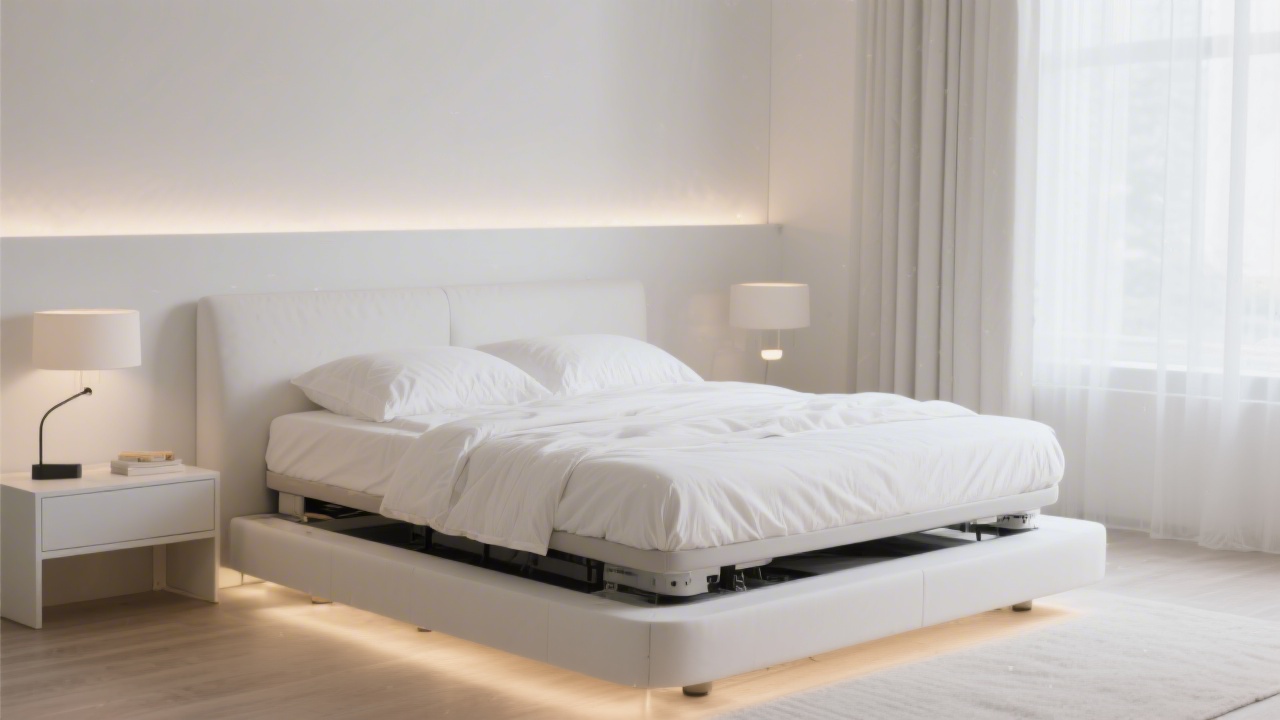
by Our Top Pick: Saatva Adjustable Base Plus
Acid reflux (GERD) during sleep is one of the most disruptive — and damaging — sleep disorders for long-term esophageal health. The core solution is simple: use gravity against the reflux by keeping the head and torso elevated above the stomach. But the method you choose matters enormously for both comfort and effectiveness.
Why Sleep Position Matters for Acid Reflux
When you lie flat, stomach acid can pool at the lower esophageal sphincter (LES) and seep into the esophagus. Repeated nighttime acid exposure erodes esophageal tissue over time and significantly increases the risk of Barrett’s esophagus — a precancerous condition.
Head elevation of 6–8 inches keeps acid in the stomach by repositioning the LES above the gastric fluid level. This is one of the most evidence-backed interventions in GERD management, endorsed by the American College of Gastroenterology.
Left-Side Sleeping: The Most Underrated Fix
The stomach’s anatomy positions the gastric outlet on the right side. Left-side sleeping places the stomach below the esophageal entry point, making gravity work against reflux. Studies show left-side sleepers experience significantly fewer reflux episodes and less acid exposure time than right-side or back sleepers.
Pair left-side sleeping with a best mattress for side sleepers that relieves hip and shoulder pressure to maintain this position comfortably all night.
Head Elevation Options Compared
1. Wedge Pillow (Budget-Friendly)
A foam wedge pillow (7–12 inch rise) elevates the upper body at a consistent angle. Effective but can feel uncomfortable during position changes and may slip. Best for people with mild reflux or those testing elevation before committing to a larger solution.
2. Mattress Wedge / Bed Wedge Insert
These go under the entire mattress at the head end, creating a whole-body incline. More comfortable than a wedge pillow because your entire torso inclines rather than just your neck bending. Typically 4–8 inch rise under the mattress head.
3. Adjustable Base (Best for Chronic GERD)
An adjustable base allows you to dial in the exact head angle that controls your symptoms, typically 15–30 degrees. You can sleep in any position while elevated, unlike wedge solutions that constrain you. The Saatva Adjustable Base Plus offers zero-gravity presets, dual-zone adjustment for couples, and whisper-quiet operation.
4. Bed Risers at Head End
Inexpensive but imprecise. Raising the head posts of your bed frame 6 inches effectively inclines the full mattress. Works with any mattress but isn’t adjustable and may feel awkward for some sleepers.
Which Mattress Type Works Best?
Memory Foam
Conforms to body contours and flexes well on adjustable bases. Provides pressure relief that makes left-side sleeping more comfortable. Choose medium firmness to avoid the sinking sensation that bends the torso unfavorably.
Hybrid with Pocketed Coils
The best balance of support and adjustability. Individually pocketed coils flex independently on an adjustable base without resistance or damage. The foam comfort layers provide pressure relief. Our top pick for GERD sufferers using an adjustable base.
Traditional Innerspring
Connected coil systems don’t flex easily on adjustable bases and can be damaged. Avoid if you plan to use articulation for head elevation.
What to Avoid
- Right-side sleeping — worsens reflux by positioning the LES below stomach contents
- Eating within 3 hours of bed — gives gastric contents time to reach peak volume before lying down
- A sagging mattress — creates a hammock effect that pools acid at the esophageal junction
- Tight waistbands or high-waist clothing to bed — increases intra-abdominal pressure
Non-Mattress GERD Management
Sleeping setup addresses nighttime symptoms. For comprehensive GERD management, also consider eliminating trigger foods (citrus, tomato, chocolate, mint, fried foods), maintaining healthy weight, and consulting a gastroenterologist if symptoms persist despite positional changes.
Our Top Pick: Saatva Adjustable Base Plus
Frequently Asked Questions
What is the best sleeping position for acid reflux?
Left-side sleeping is the most effective position for reducing acid reflux during sleep. It positions the stomach below the esophagus, using gravity to keep gastric contents down. Right-side sleeping is the worst for GERD.
How much should you elevate your head for acid reflux?
The standard recommendation is 6 to 8 inches (15-20 cm) of head elevation above the stomach. A simple pillow is not sufficient — it only bends the neck, not the torso. A wedge pillow, mattress wedge, or adjustable base is required for effective elevation.
Can a mattress make acid reflux worse?
Yes. A mattress that sags in the middle creates a "hammock" effect that bends the torso and worsens acid pooling near the esophagus. A flat, supportive mattress paired with head elevation is the correct setup.
Is an adjustable base worth it for acid reflux?
For chronic GERD sufferers, an adjustable base is one of the most effective non-pharmaceutical interventions available. It allows precise head elevation without the discomfort of sleeping on a wedge, and can be adjusted to find the optimal angle.
Which mattress type works best with an adjustable base?
Memory foam and hybrid mattresses with individually wrapped coils flex well on adjustable bases. Avoid traditional innerspring mattresses with connected coils — they resist bending and can be damaged by an articulating base.
Voted best luxury innerspring mattress with exceptional lumbar support and white-glove delivery.
Check Price & Availability FAQPage", "mainEntity": [{"@type": "Question", "name": "What is the best sleeping position for acid reflux?", "acceptedAnswer": {"@type": "Answer", "text": "Left-side sleeping is the most effective position for reducing acid reflux during sleep. It positions the stomach below the esophagus, using gravity to keep gastric contents down. Right-side sleeping is the worst for GERD."}}, {"@type": "Question", "name": "How much should you elevate your head for acid reflux?", "acceptedAnswer": {"@type": "Answer", "text": "The standard recommendation is 6 to 8 inches (15-20 cm) of head elevation above the stomach. A simple pillow is not sufficient — it only bends the neck, not the torso. A wedge pillow, mattress wedge, or adjustable base is required for effective elevation."}}, {"@type": "Question", "name": "Can a mattress make acid reflux worse?", "acceptedAnswer": {"@type": "Answer", "text": "Yes. A mattress that sags in the middle creates a "hammock" effect that bends the torso and worsens acid pooling near the esophagus. A flat, supportive mattress paired with head elevation is the correct setup."}}, {"@type": "Question", "name": "Is an adjustable base worth it for acid reflux?", "acceptedAnswer": {"@type": "Answer", "text": "For chronic GERD sufferers, an adjustable base is one of the most effective non-pharmaceutical interventions available. It allows precise head elevation without the discomfort of sleeping on a wedge, and can be adjusted to find the optimal angle."}}, {"@type": "Question", "name": "Which mattress type works best with an adjustable base?", "acceptedAnswer": {"@type": "Answer", "text": "Memory foam and hybrid mattresses with individually wrapped coils flex well on adjustable bases. Avoid traditional innerspring mattresses with connected coils — they resist bending and can be damaged by an articulating base."}}]}