
 by
by Upgrade your sleep when you get home
After nights on planes, couches, or hotel mattresses, your body deserves proper support. Saatva's mattresses are handcrafted with luxury coils and organic materials — starting at $1,395.
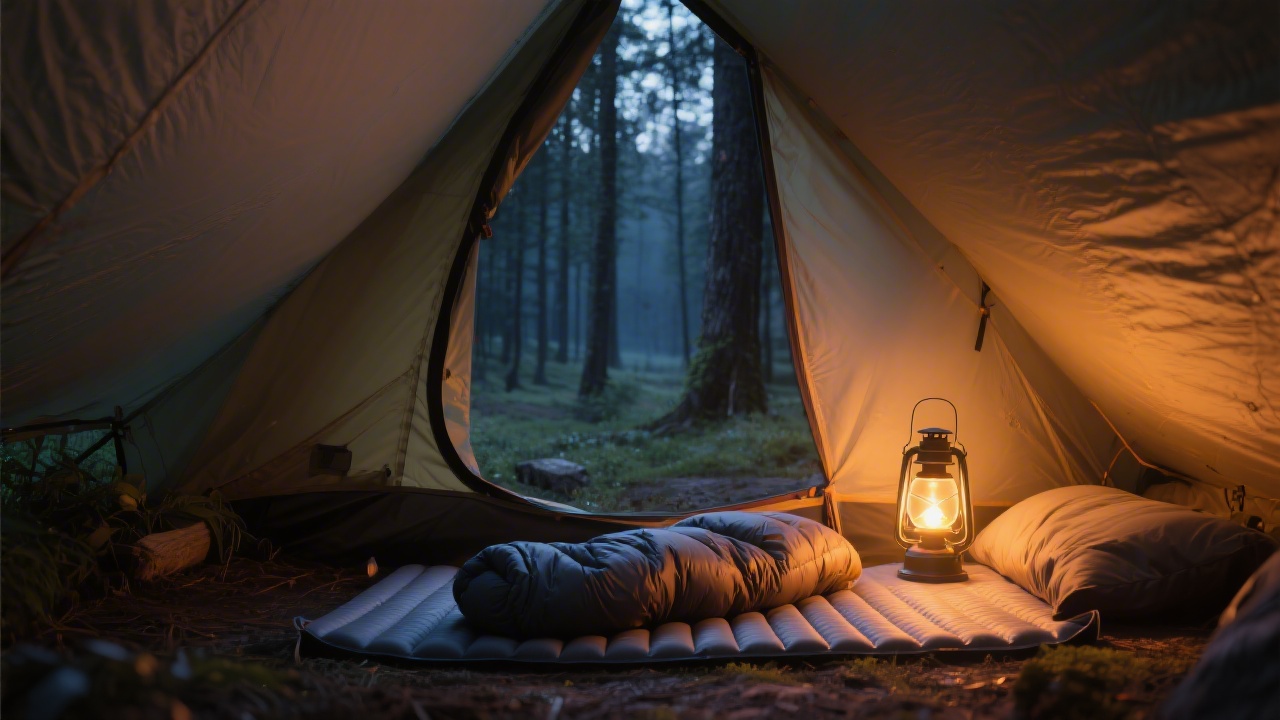
Bad camping sleep ruins trips. The difference between waking up stiff and cold versus waking up rested on a backcountry morning comes down to three factors: insulation (R-value), thickness, and inflation reliability. This guide covers everything you need to choose the right sleeping pad for your camping style.
R-Value: The Most Misunderstood Camping Sleep Spec
R-value measures thermal resistance — how well the pad insulates you from the cold ground. Unlike mattresses, where you lose heat upward to ambient air, sleeping pads primarily protect you from conductive heat loss to the ground, which is 25x more effective at stealing body heat than cold air.
- R-value 1–2: Summer camping above 50°F ground temperature
- R-value 2–4: Three-season camping, shoulder season
- R-value 4–6: Winter camping, cold-ground conditions
- R-value 6+: Extreme cold, alpine camping below freezing
R-values are now standardized under ASTM F3340-18, which means you can compare across brands reliably. Earlier pads may have inflated R-values — if your pad predates 2020, treat specs with skepticism.
Backpacking Pads: Weight Is the Primary Constraint
Therm-a-Rest NeoAir XLite NXT — R-value 4.5, 12 oz (regular), 2.5-inch thickness. The benchmark for ultralight backpacking pads. The reflective interior creates warmth-to-weight ratio that heavier pads can't match. Mummy shape saves weight. Drawback: the ThermaCapture film creates crinkle noise that bothers light sleepers.
Sea to Summit Ether Light XT Insulated — R-value 3.2, 14.8 oz (regular), 4-inch thickness. Rectangular shape is more comfortable for side sleepers. The extra inch of thickness makes a notable difference in hip pressure relief. Slightly warmer feel than the NeoAir despite lower stated R-value due to the chamber design.
NEMO Tensor Insulated — R-value 3.5, 15 oz (regular), 3-inch thickness. Quieter than the NeoAir, slightly warmer than the Ether Light. Good all-around backpacking pad for three-season use. The mummy shape with slight taper at the feet is well-designed.
Car Camping Pads: Comfort Over Weight
When weight doesn't matter, prioritize thickness and comfort. Self-inflating pads in the 2–3 inch range offer better stability and pressure relief than ultralight pads. A 4-inch self-inflating pad approaches the feel of a firm mattress topper — serviceable for multiple nights.
Therm-a-Rest MondoKing 3D — R-value 8, 4-inch thickness, self-inflating. The car-camping benchmark. Heavy (6 lbs) but genuinely comfortable. R-value 8 means it works in temperatures down to the mid-teens Fahrenheit. Overkill for summer camping, ideal for year-round car camping.
REI Co-op Camp Bed 3.5 Self-Inflating — R-value 3.5, 3.5-inch thickness. Budget-friendly car camping option. Less warmth than the MondoKing but adequate for three-season use. Dimensions are wider than most pads, which is better for restless sleepers.
Glamping: Air Mattresses and Cots
For glamping situations — platform tents, established campsites with vehicle access — a high-end air mattress or camp cot provides genuine comfort. The SoundAsleep Dream Series air mattress (4-inch coil beam construction) is among the best in this category. Pair with a sleeping pad underneath for insulation — air mattresses without ground insulation can get cold even in summer.
When You Get Home: Why a Real Mattress Matters More After Camping
Camping sleep, even on quality pads, involves trade-offs no sleeping pad fully overcomes: limited spinal support, temperature fluctuation, ambient noise. After a camping trip, your body often needs 1–2 nights to fully recover sleep quality. This is when the quality of your home mattress matters most.
Internal Links
Frequently Asked Questions
What R-value do I need for a camping sleeping pad?
For summer camping (ground temps above 50°F), R-value 1–2 is sufficient. Three-season camping requires R-value 2–4. Winter camping needs R-value 4–6. R-values are now standardized under ASTM F3340-18, so you can compare across brands accurately on pads made after 2020.
What is the best sleeping pad for backpacking?
The Therm-a-Rest NeoAir XLite NXT is the benchmark for ultralight backpacking — R-value 4.5 at 12 oz. For side sleepers who want more width, the Sea to Summit Ether Light XT Insulated offers similar weight with a rectangular shape and 4-inch thickness.
Can I use an air mattress for camping?
Yes, for car camping and glamping. Air mattresses are too heavy for backpacking. For car camping, the SoundAsleep Dream Series performs well. Add a foam sleeping pad underneath any air mattress to provide ground insulation — air mattresses conduct cold from the ground even in moderate temperatures.
How thick should a camping sleeping pad be?
For backpacking, 2.5–3 inches provides adequate cushioning. For car camping, 3.5–4 inches is more comfortable for side sleepers and reduces hip pressure. Thickness alone doesn't determine warmth — R-value does. A 2-inch inflatable pad can be warmer than a 4-inch foam pad if it has a higher R-value.
Why is my sleeping pad not keeping me warm?
Ground temperature is likely lower than you expected, or your pad's R-value is insufficient for conditions. Cold conduction from the ground is 25x more effective than cold air. Make sure your entire body is on the pad (arms and shoulders especially). Stacking two lower R-value pads also works — R-values are additive.
Voted best luxury innerspring mattress with exceptional lumbar support and white-glove delivery.
Check Price & Availability FAQPage", "mainEntity": [{"@type": "Question", "name": "What R-value do I need for a camping sleeping pad?", "acceptedAnswer": {"@type": "Answer", "text": "For summer camping (ground temps above 50\u00b0F), R-value 1\u20132 is sufficient. Three-season camping requires R-value 2\u20134. Winter camping needs R-value 4\u20136. R-values are now standardized under ASTM F3340-18, so you can compare across brands accurately on pads made after 2020."}}, {"@type": "Question", "name": "What is the best sleeping pad for backpacking?", "acceptedAnswer": {"@type": "Answer", "text": "The Therm-a-Rest NeoAir XLite NXT is the benchmark for ultralight backpacking \u2014 R-value 4.5 at 12 oz. For side sleepers who want more width, the Sea to Summit Ether Light XT Insulated offers similar weight with a rectangular shape and 4-inch thickness."}}, {"@type": "Question", "name": "Can I use an air mattress for camping?", "acceptedAnswer": {"@type": "Answer", "text": "Yes, for car camping and glamping. Air mattresses are too heavy for backpacking. For car camping, the SoundAsleep Dream Series performs well. Add a foam sleeping pad underneath any air mattress to provide ground insulation \u2014 air mattresses conduct cold from the ground even in moderate temperatures."}}, {"@type": "Question", "name": "How thick should a camping sleeping pad be?", "acceptedAnswer": {"@type": "Answer", "text": "For backpacking, 2.5\u20133 inches provides adequate cushioning. For car camping, 3.5\u20134 inches is more comfortable for side sleepers and reduces hip pressure. Thickness alone doesn't determine warmth \u2014 R-value does. A 2-inch inflatable pad can be warmer than a 4-inch foam pad if it has a higher R-value."}}, {"@type": "Question", "name": "Why is my sleeping pad not keeping me warm?", "acceptedAnswer": {"@type": "Answer", "text": "Ground temperature is likely lower than you expected, or your pad's R-value is insufficient for conditions. Cold conduction from the ground is 25x more effective than cold air. Make sure your entire body is on the pad (arms and shoulders especially). Stacking two lower R-value pads also works \u2014 R-values are additive."}}]}Upgrade your sleep when you get home
After nights on planes, couches, or hotel mattresses, your body deserves proper support. Saatva's mattresses are handcrafted with luxury coils and organic materials — starting at $1,395.