
 by
by Migraines and sleep have a bidirectional relationship that neurologists have documented extensively. Sleep deprivation is one of the most reliable migraine triggers — but migraines also cause sleep disruption through pain, photophobia, and the biological recovery period that follows an attack. A mattress that improves sleep quality is therefore a legitimate migraine management tool, not a peripheral consideration.
The Sleep-Migraine Relationship
Research published in the journal Headache shows that irregular sleep schedules and poor sleep quality increase migraine attack frequency. The proposed mechanism involves orexin signaling — the same neuropeptide involved in sleep-wake regulation — which also modulates pain processing in the trigeminal nucleus. This means the part of the brain that regulates when you sleep is also involved in migraine pathophysiology.
The implication: improving sleep consistency and quality through better sleep conditions has a real neurological effect on migraine frequency, not just a general wellness effect. For migraineurs, the bedroom is a clinical environment.
Pros and Cons
What We Like
- Luxury innerspring with excellent lumbar support
- Multiple firmness options available
- Free white-glove delivery and mattress removal
- 365-night trial and lifetime warranty
What Could Be Better
- Higher price than many online brands
- Heavier than foam mattresses
- Not compressed in a box
- Some off-gassing possible initially
Mattress Properties That Matter for Migraineurs
The three most relevant mattress properties for migraine sufferers are:
- Pressure relief at the head, neck, and shoulders: Tension in the neck and shoulders — particularly trapezius and suboccipital muscles — is a known migraine trigger. A mattress that creates pressure at the shoulder during side sleeping forces compensatory neck tension. Conforming top layers (Euro pillow top, latex) reduce this pressure.
- Temperature regulation: Core body temperature dysregulation can trigger migraines. Mattresses that trap heat — particularly dense all-foam constructions — create thermal conditions that increase arousal frequency and interrupt deep sleep. Coil-based mattresses with breathable materials sleep cooler.
- Motion isolation: Many migraineurs are highly sensitive during and after attacks. Partner movement that causes mattress vibration can amplify pain during a migraine episode or disrupt the restorative sleep that follows one.
The Prodrome and Recovery Sleep Phases
Migraines have four phases: prodrome, aura (in some), attack, and postdrome. The postdrome — often called the "migraine hangover" — involves intense fatigue and the need for deep restorative sleep. A mattress that supports deep, uninterrupted sleep accelerates recovery from the postdrome phase. This is where the slow-wave sleep quality your mattress enables becomes directly clinically relevant.
The Saatva Classic for Migraine Management
The Saatva Classic addresses the three key properties for migraineurs: the Euro pillow top provides shoulder pressure relief for side sleeping that reduces neck and trapezius tension; the dual-coil system sleeps cooler than foam alternatives due to natural airflow; and the individually wrapped coil layer provides sufficient motion isolation for light sleepers sensitive to partner movement.
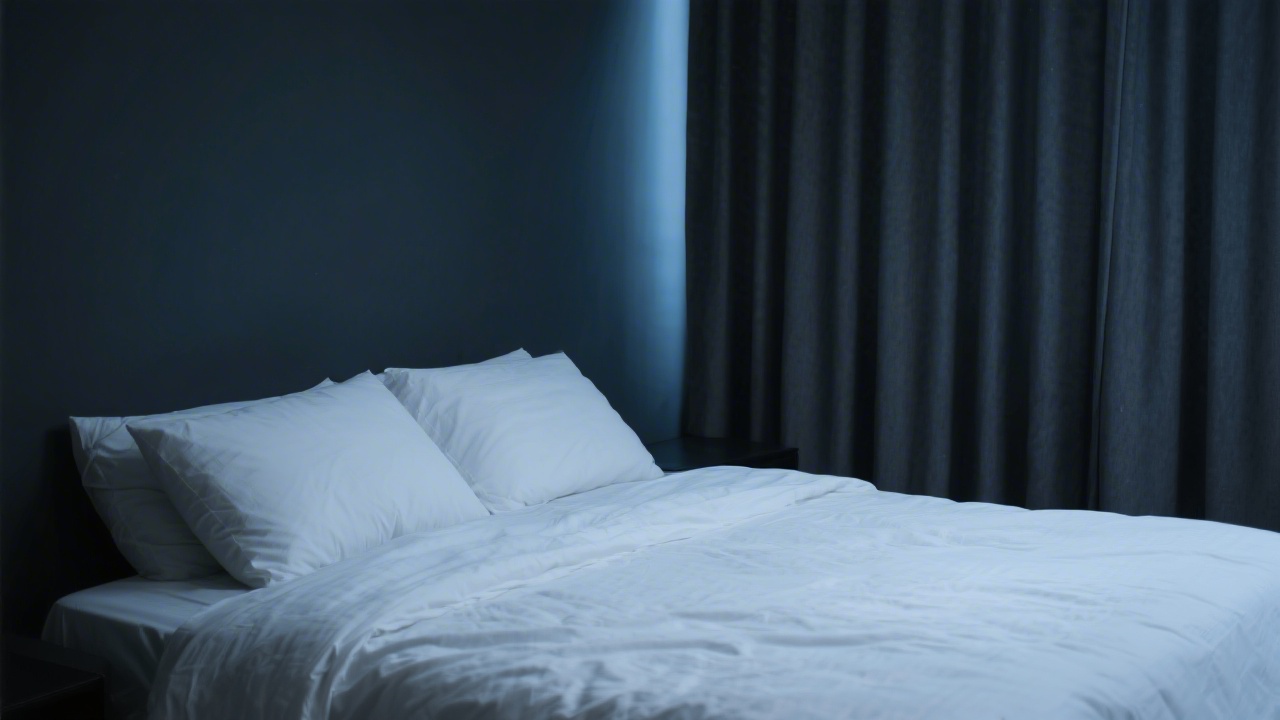
Migraineurs who also experience photophobia and phonophobia during attacks benefit from pairing the mattress with blackout curtains and white noise — the mattress itself does not address these sensory issues, but it forms the foundation of a migraine-optimized sleep environment.
Saatva Classic — check current pricing
Euro pillow top for shoulder/neck pressure relief, breathable coil system, motion isolation.
Sleep Schedule Regularity: The Most Important Migraine Variable
Mattress quality matters, but sleep schedule consistency may be the single most impactful sleep-related intervention for migraine prevention. The circadian rhythm governs trigeminal sensitivity and orexin release. Irregular sleep timing — even sleeping in on weekends — can trigger migraines through the "weekend migraine" phenomenon, a well-documented pattern caused by schedule shifts rather than alcohol or stress alone.
A comfortable mattress that makes it easier to maintain a consistent sleep and wake time — by reducing the physical discomfort that causes insomnia or early waking — is therefore indirectly reducing migraine frequency through schedule stability. See our sleep architecture guide for more on how consistent scheduling affects sleep stage distribution.
Frequently Asked Questions
Can a bad mattress cause migraines?
Indirectly yes. A mattress that creates neck and shoulder pressure during side sleeping increases muscle tension in the trapezius and suboccipital muscles — known migraine trigger sites. Additionally, a mattress that disrupts sleep quality increases overall migraine frequency through the established sleep-migraine bidirectional relationship.
What pillow is best for migraine sufferers?
A contoured cervical pillow that maintains neutral neck alignment during side sleeping is generally recommended. The goal is to prevent lateral neck flexion that strains the suboccipital and upper trapezius muscles. Pillow height should match shoulder width to keep the spine straight.
Does sleep deprivation cause migraines?
Yes — sleep deprivation is one of the most reliably documented migraine triggers. The mechanism involves orexin signaling and trigeminal sensitization. Even partial sleep deprivation (less than 6 hours) significantly increases migraine attack probability in susceptible individuals.
Is sleeping in on weekends bad for migraines?
Yes. The "weekend migraine" pattern is well documented and related to circadian disruption from irregular sleep timing rather than caffeine withdrawal alone (though both contribute). Maintaining consistent wake times 7 days per week is a first-line lifestyle modification for migraine prevention.
Is a firm or soft mattress better for migraines?
Medium-firm with a conforming top layer is optimal. Sufficient firmness to prevent spinal misalignment (which creates neck and shoulder tension), combined with enough surface softness to relieve pressure at the shoulder and hip during side sleeping.
Ready to improve your sleep?
Saatva Classic — Best for Migraine Sleep Environment
Check Current Pricing →