

 by
by Best Pillow for Jaw Pain: 4 Options We Recommend
The Amerisleep Flex is our #1 pillow pick for readers who want to reshape the cushions around their head and neck. Fit matters more than the product name: choose a height that feels comfortable in your usual sleep position. A pillow does not treat a medical condition; seek medical advice for persistent jaw pain. The Saatva Latex Pillow is our latex alternative.
Amerisleep Flex Pillow
The Flex starts at $100 and contains hundreds of MicroFlex cushions you can reshape. It is made in the USA with a 10-year warranty. Pillows are final sale with no sleep trial, so consider the fit before ordering.
Best Pillows for Jaw Pain Relief

Our Top 4 Pillows Picks to Sleep with Jaw Pain
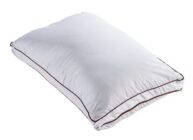
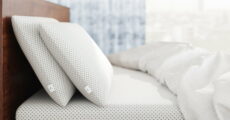
Amerisleep Flex Pillow
- Made in the USA
- From $100
Our reshapeable pillow pick
The Amerisleep Flex Pillow uses MicroFlex cushions rather than a solid foam core. Reshape the pillow to find a comfortable position; do not assume the fill can be added or removed.
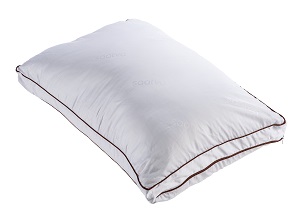
Saatva Latex Pillow
- Responsive & ultra-breathable support
- Responsive head & neck support
Best luxurious organic pillow
Find yourself wrapped in comfort and serenity with SAATVA's Latex Pillow! The organic pillow is a luxurious mix of fluffy fibers that will provide your head and neck with plenty of support.
The hypoallergenic inner core consists of natural latex particles that offer stability and breathability for cooler sleep. Renew your energy with restful nights due to this plush goodness!
Natural latex can offer lasting comfort; talk to your doctor before choosing latex if you have a latex allergy. Plus, compared to traditional foams and memory foam mattresses, natural latex's unparalleled durability makes it stand out from the rest. Its balanced support helps relieve pressure points for a more peaceful slumber, while its breathability ensures you won't sleep hot overnight!
The Fair Trade Certified™ cotton cover can be easily unzipped from the pillow and machine washed for convenience. Saatva offers a 45-day free returns policy, free shipping, and a 1-year limited warranty on its pillows.
PlushBeds Hotel Chamber Down & Feather Pillow
- Soft and supportive
- Temperature Regulating
Stylish, luxurious pillow with incredible comfort
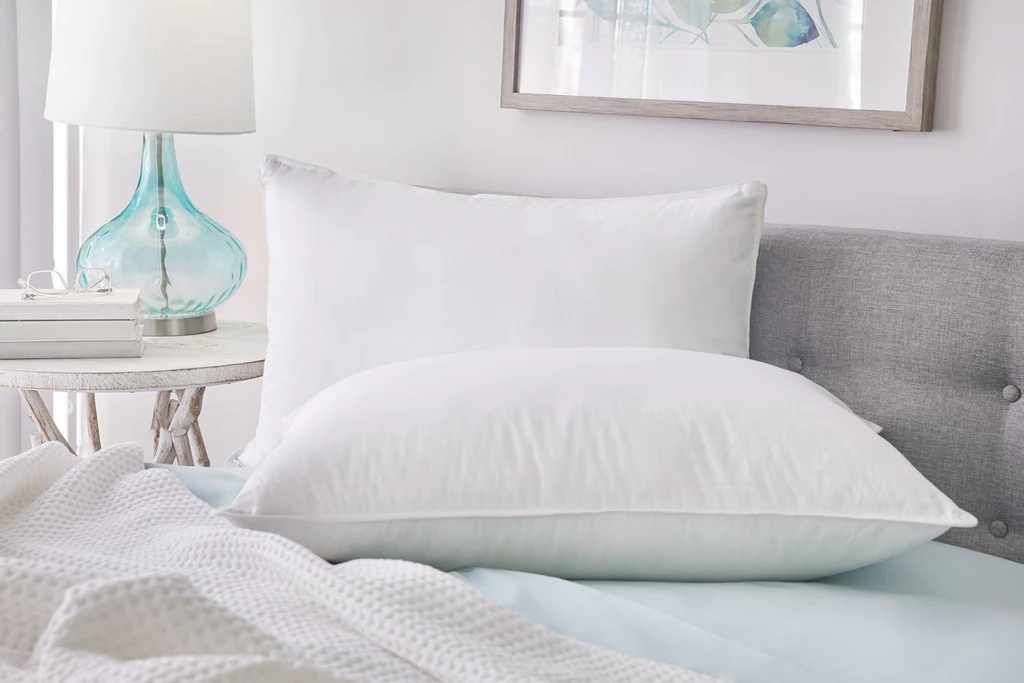
Look no further! PlushBeds' Hotel Chamber Down & Feather Pillow will be the hero of your sleep. This stylish and luxurious pillow features a perfect blend of down, feathers, and supportive fibers, providing incredible comfort and support, so you can wake up fresh.
This hotel-grade pillow is perfect for any sleeping style or position with its silky-smooth cover made from 100% cotton and Filled Fresh technology to ensure optimum performance.
Slip into a luxurious sleep with the perfect 550 fill power white duck down outer layer (RDS) Responsible Down Standard Certified for ethical production and supportive feather-filled inner chamber. Enjoy peaceful nights on the 230 thread count 100% cotton cambric cover that promises secure edges from careful double-stitched German piping.
The perfect medium support level is ideal for back and side sleepers who appreciate natural biodegradable materials made in the USA!
Amerisleep Comfort Classic Pillow
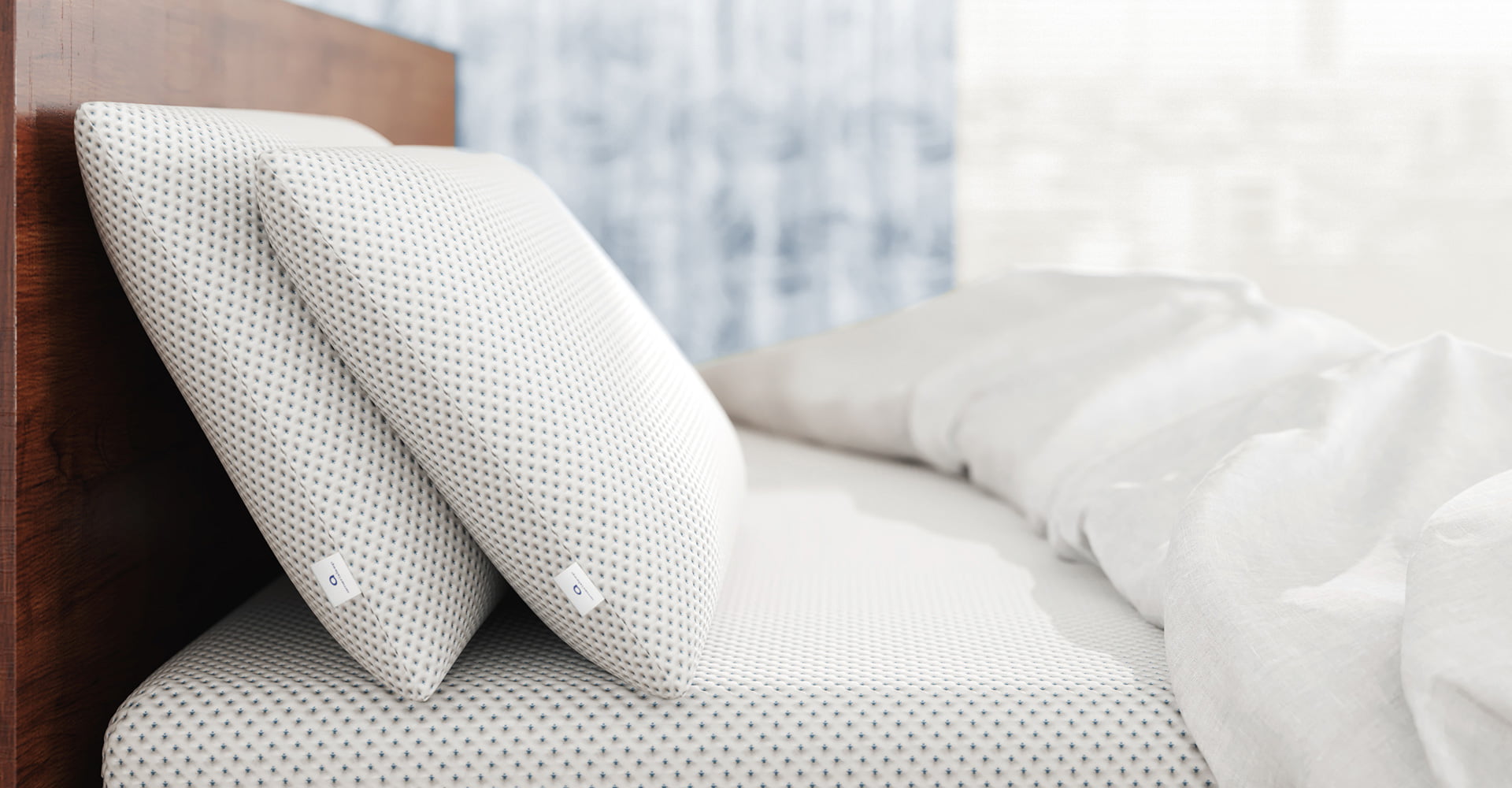
- 6-inch loft
- Made in the USA
A solid-foam alternative
For a different feel, consider the solid-foam option : the Amerisleep Comfort Classic uses Bio-Pur foam and has a 6-inch loft.
Compare its height and shape with what feels comfortable under your head:
A solid core will feel different from the Flex's separate MicroFlex cushions.
The Comfort Classic starts at $110. It is made in the USA, carries a 10-year warranty, and is final sale with no sleep trial.
The Comfort Classic Pillow has a fixed 6-inch loft. That may be too high for someone who needs a low pillow.
What is the Best Pillow for Jaw Pain?
When it comes to finding the best pillow for jaw pain, there is no one-size-fits-all solution. The type of pillow that will be most effective for you depends on your individual needs and preferences.
Memory foam pillows are popular, providing excellent support and cushioning while sleeping. Contoured pillows that provide extra support around the neck can be beneficial for those suffering from chronic jaw pain. Additionally, adjustable air pillows allow you to customize the firmness and shape of your pillow to suit your particular sleeping needs better.
For those who prefer a more traditional approach, orthopedic memory foam pillows offer superior comfort and support without feeling too stiff or hard against the neck area.
If you are looking for a softer option, latex pillows offer good cushioning and can benefit those with sensitive skin. Ultimately, the best pillow for jaw pain is the one that provides you with the right combination of comfort and support while sleeping.
To make sure you choose a pillow that works best for your specific needs, it's important to consider your body shape and sleeping habits. Considering these factors will help you find the perfect pillow that suits your lifestyle and relieves any discomfort caused by jaw pain. With so many options on the market today, there's sure to be one out there that's just right for you!
Can Sleeping Position Cause Jaw Pain?
Are you plagued by persistent jaw pain or soreness when you wake up? If so, your sleeping position may be to blame. When we sleep, our bodies become lax, and our posture often changes; this can lead to an unnatural alignment of the neck and head that cause strain on the jaw muscles and joints.
Knowing how your sleeping position affects your jaw health is essential to ensure a peaceful slumber free from discomfort.
The way you sleep has a direct effect on the strain placed on your jaw joints and muscles.
For instance, if you tend to sleep with one side of your face tucked into the pillow all night, this can place added stress and tension on the TMJ - the temporomandibular joint responsible for opening and closing your jaw.
On the other hand, if you sleep in a face-up position with your mouth slightly open, this can lead to an uneven distribution of weight across your jaw joints which could potentially cause discomfort.
The best way to ensure optimal jaw health is to find a sleeping position that promotes even head, neck, and spine alignment. Choosing one that provides adequate support for the head and neck is key for pillow selection.
What Kind of Pillow is Used for TMJ?
If you are suffering from TMJ, you should opt for a pillow that provides targeted support for your neck and head. This type of pillow is typically made with memory foam or latex materials, has an ergonomic design, and includes a contour shape to help keep your head, neck, and spine in proper alignment.
The Amerisleep Comfort Classic uses solid Bio-Pur foam, not multiple foam layers or loose fill. Its 6-inch loft needs to suit your position for optimal comfort . It may be too tall for someone who needs a low profile.
Can a Pillow Cause Jaw Pain?
Pillows can play a role in causing jaw pain, but it depends on your sleeping position and the type of pillow you are using. If you tend to sleep on your stomach or with one side of your face pressed against a pillow all night, this can cause strain and tension in the TMJ joint.
Not all pillows provide proper support for your neck and head; choosing a pillow for jaw comfort is essential in promoting healthy alignment while resting.
How Should I Sleep to Relieve Jaw Pain?
When relieving jaw pain, the best way to do so is with a sleeping position that promotes even head and neck alignment. If you tend to sleep on your side, experiment with using a pillow between your knees and avoiding tucking one side of your face into the pillow all night.
For those who prefer sleeping on their back, try placing a pillow under your knees for extra support or lay slightly tilted to one side but not too far to avoid compressing facial tissues or muscles. Finally, stomach sleepers should aim for minimal pillow use when attempting this position, as this can place added strain on the TMJ joint.
Why Do I Wake Up With Jaw Pain?
Various things can cause jaw pain upon waking, but the most common culprit is teeth grinding. Teeth grinding, or bruxism as it's medically referred to, is a condition that involves clenching or grinding your teeth while you sleep and can cause serious discomfort once you wake up.
Other causes of jaw pain may include overextending the joint due to incorrect sleeping positions or uneven weight distribution on the joints.
If you suffer from allergies, sinusitis, or other nasal conditions alongside jaw soreness, talk to your doctor. Ultimately, it's important to note any changes in your sleeping habits and use pillow support for maximum relief.
How Do You Relax Your Jaw Muscles?
Talk to your doctor or dentist about suitable jaw exercises before trying to stretch or move your jaw. Individual advice may help you avoid movements that worsen pain.
Other activities, such as mindfulness meditation or hot/cold compresses, may help with relaxation.
If you suffer from chronic jaw pain, it is essential to consult with a medical professional to assess your condition and potential treatments or therapies that may reduce symptoms.
Upgrade: Full Saatva Pillow Collection
| Amerisleep Flex Pillow | - | Shop |
| Saatva Latex Pillow | $165 | Shop |
| Saatva Memory Foam Pillow | $125 | Shop |
| Saatva Down Pillow | $185 | Shop |
Our Recommendation
Our first pillow recommendation remains the Amerisleep Flex Pillow. Reshape the cushions and check where your head rests. Compare the other options if you prefer a different material or a lower profile.
For side sleepers, placing a pillow between the knees can help promote even head and neck alignment while sleeping.
Finally, if you suffer from teeth grinding or other conditions that cause jaw pain, consult a medical professional for an assessment and potential treatment options.
Best Pillows for Jaw Pain (TMJ/TMD): Relief During Sleep
Jaw pain from temporomandibular joint disorder (TMJ/TMD) intensifies during sleep due to unconscious clenching, grinding, and poor head positioning.
How Sleep Position Affects Jaw Pain
- Back sleeping: May help avoid direct pressure on the jaw; talk to your doctor or dentist about positioning for TMJ symptoms. Use a thin, supportive pillow that keeps the neck neutral without pushing the chin toward the chest (which increases jaw tension).
- Side sleeping (problematic): The pillow presses against the jaw on the sleeping side, potentially misaligning the joint. If you must side-sleep, use a soft pillow and position it so the ear takes the weight, not the jaw.
- Stomach sleeping (worst): Forces the jaw to one side for hours, straining the TMJ. Transition away from this position if possible.
Pillow Features for TMJ
- Cervical contour design: Supports the neck curve while keeping the jaw in neutral position
- Medium firmness: Soft enough to not press against the jaw, firm enough to support the neck
- Low profile (3–4 inches): Prevents chin-to-chest positioning that increases jaw clenching
Additional TMJ Sleep Strategies
Wear your dental night guard every night. Apply moist heat to the jaw for 10 minutes before bed. Practice jaw relaxation: lips together, teeth apart, tongue on roof of mouth.
For sleep quality: back pain mattress guide | specialty pillows.
A flat, supportive mattress surface helps maintain neutral jaw position. The Saatva Classic provides even support without creating pressure points. 365-night trial.
Try Saatva risk-free →
Related Guides
MATTRESSES FOR PAIN RELIEF