
 by
by VERIFIED COMPARISON
For best pillow for multi position sleeper, compare the Saatva Pillow with the other verified options below using documented dimensions, ownership terms and fit factors.
3 VERIFIED OPTIONS COMPARED
Saatva Pillow
- The Saatva Pillow, LatexLuxe Pillow, and Evercool® Cooling Pillow each contribute different verified buying facts, but the available evidence does not justify naming a universal winner.
- One of 3 products compared with bound source facts
- Order direct from the brand — current price, trial and warranty terms are on the official product page
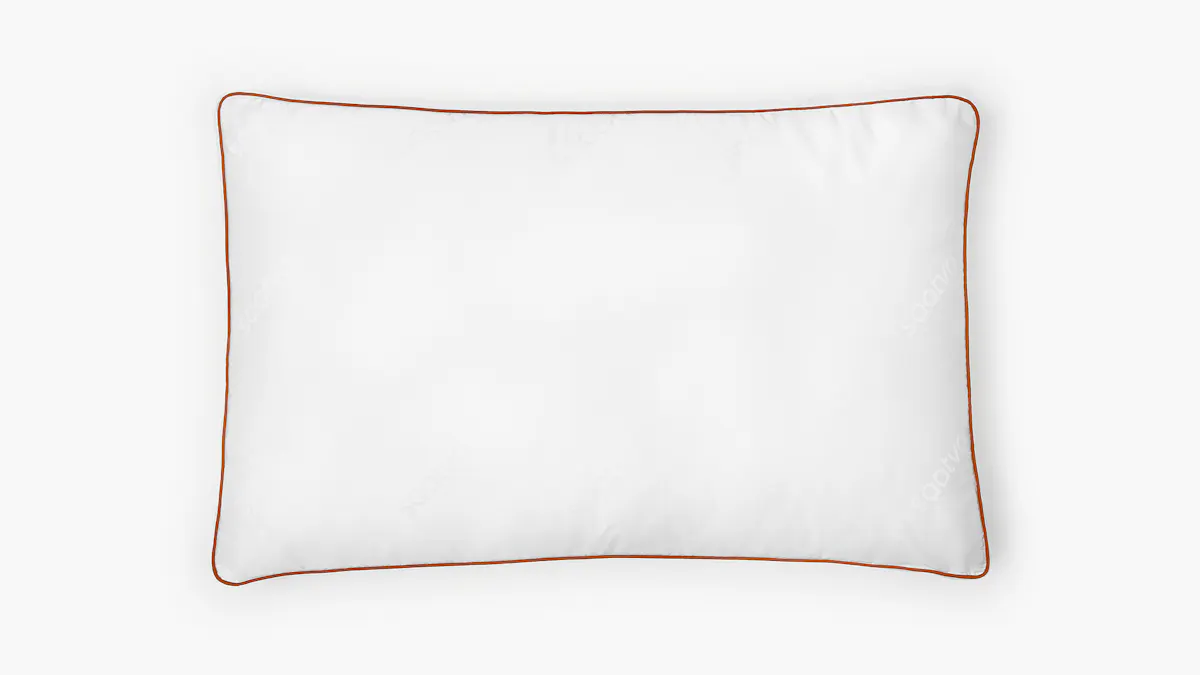
3 verified options compared
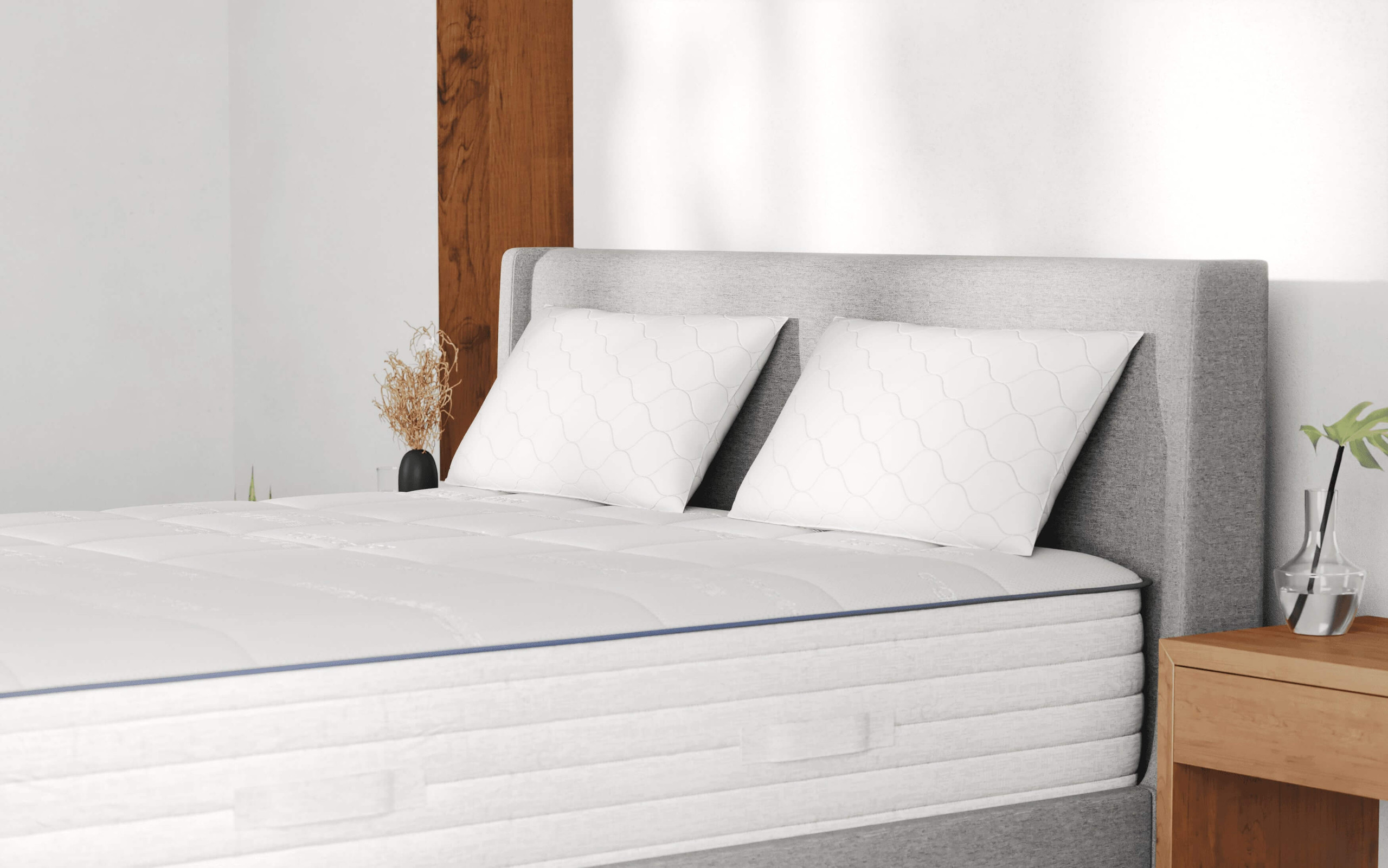
Quick answer: A multi-position sleeper should compare working loft, support through position changes, and return terms. The Saatva Pillow, LatexLuxe Pillow, and Evercool® Cooling Pillow each contribute different verified buying facts, but the available evidence does not justify naming a universal winner. Use the comparison below to identify which option fits your hardest sleeping position.
- Saatva Pillow: the measurement-led starting point, provided the seller explains what each published specification represents.
- LatexLuxe Pillow: the warranty-focused option for shoppers prepared to evaluate comfort and construction separately.
- Evercool® Cooling Pillow: the clearest space-and-budget filter because its cited page states dimensions and a price.
Updated July 2026 · Reviewed for accuracy
A pillow has a difficult job when the sleeper moves between side, back, and stomach positions. Each posture creates a different head-to-mattress gap. The pillow may need to fill space beside the shoulder, support a centered back-sleeping posture, and avoid feeling excessive when the sleeper turns face down.
I call the problem between those postures the transition penalty. A pillow can feel acceptable while someone stays still but become awkward after a roll. My fit-first approach looks for manageable working loft, stable support, and minimal rebuilding during those transitions. A product name, an unloaded measurement, or a long warranty cannot answer all of that by itself.
What this shortlist can actually prove
The cited pages document different buyer inputs rather than head-to-head performance. One publishes several inch-based specifications, another states a warranty duration, and the last provides external dimensions and a listed price. Those facts help narrow the search, but they don’t show which pillow produces the best alignment, cooling, durability, or comfort for a particular sleeper.
Evidence boundary: No source cited on this page documents a comparison of these pillows under the same sleeper, mattress, or evaluation method. I therefore treat the order as a practical investigation sequence, not a performance podium.
The distinction matters. “Best” should describe a successful match between the pillow, the sleeper, and the mattress underneath. It shouldn’t imply that incomplete specifications establish superiority. Each option below has a different reason to enter the conversation, followed by a clear list of details that still need confirmation.
Saatva Pillow
The cited Saatva listing publishes 4-inch, 5-inch, 6-inch, and 7-inch specifications for the Saatva Pillow. Confirm whether those figures describe selectable lofts, separate components, or different configurations before using them as a fit filter.
Published height and working loft are different: the useful comparison is how much support remains after the sleeper’s head compresses the pillow.
Construction determines working loft. Loose fill, a continuous core, and layered designs compress and recover differently, so match the current product description to the position change that causes the most trouble.
- Ask what each inch-based specification measures.
- Confirm whether the configuration is fixed or changeable.
- Identify the cover, fill, and any supporting core.
- Check whether components can be removed, repositioned, or replaced.
- Read the cleaning instructions and return conditions before opening the packaging.
For a side-to-back transition, I’d pay attention to whether the head drops after the shoulder leaves the surface or gets pushed forward after the body rolls flat. If stomach sleeping is part of the pattern, the difficult question becomes whether the same construction can feel low enough without being folded or pushed away.
Best-fit lane: Compare the Saatva Pillow when multiple published measurements are useful to your fit check. Confirm what each measurement represents, then judge it against the side, back, or stomach transition that causes the most trouble.
LatexLuxe Pillow
Amerisleep’s Organica product page lists a 5-year warranty for the LatexLuxe Pillow. Use that verified ownership term while evaluating loft, firmness, materials, and return terms separately.
A warranty tells you which defined problems may receive a remedy under written conditions. It may distinguish covered defects from expected wear, impose care or documentation requirements, and specify how a valid claim is resolved. Read the actual terms rather than translating the stated duration into a comfort or lifespan prediction.
For long-term fit, track shape retention, fill migration, cover condition, and care demands alongside the written warranty.
- Read the definitions of covered defects and normal wear.
- Check whether staining, misuse, or improper care can affect coverage.
- Identify the available remedy and any associated shipping costs.
- Confirm what purchase records or photographs a claim requires.
- Evaluate return terms separately from warranty protection.
The name itself should not be used to infer a material recipe. Verify the cover, core, fill, working loft, firmness, dimensions, and cleaning method on the current page. For a sleeper who changes positions, those comfort and construction details are more useful than contract length during the nightly transition from one posture to another.
Best-fit lane: Compare the LatexLuxe Pillow if a documented 5-year warranty matters to you. Then verify working loft, construction, and return terms against your position-change needs.
Evercool® Cooling Pillow
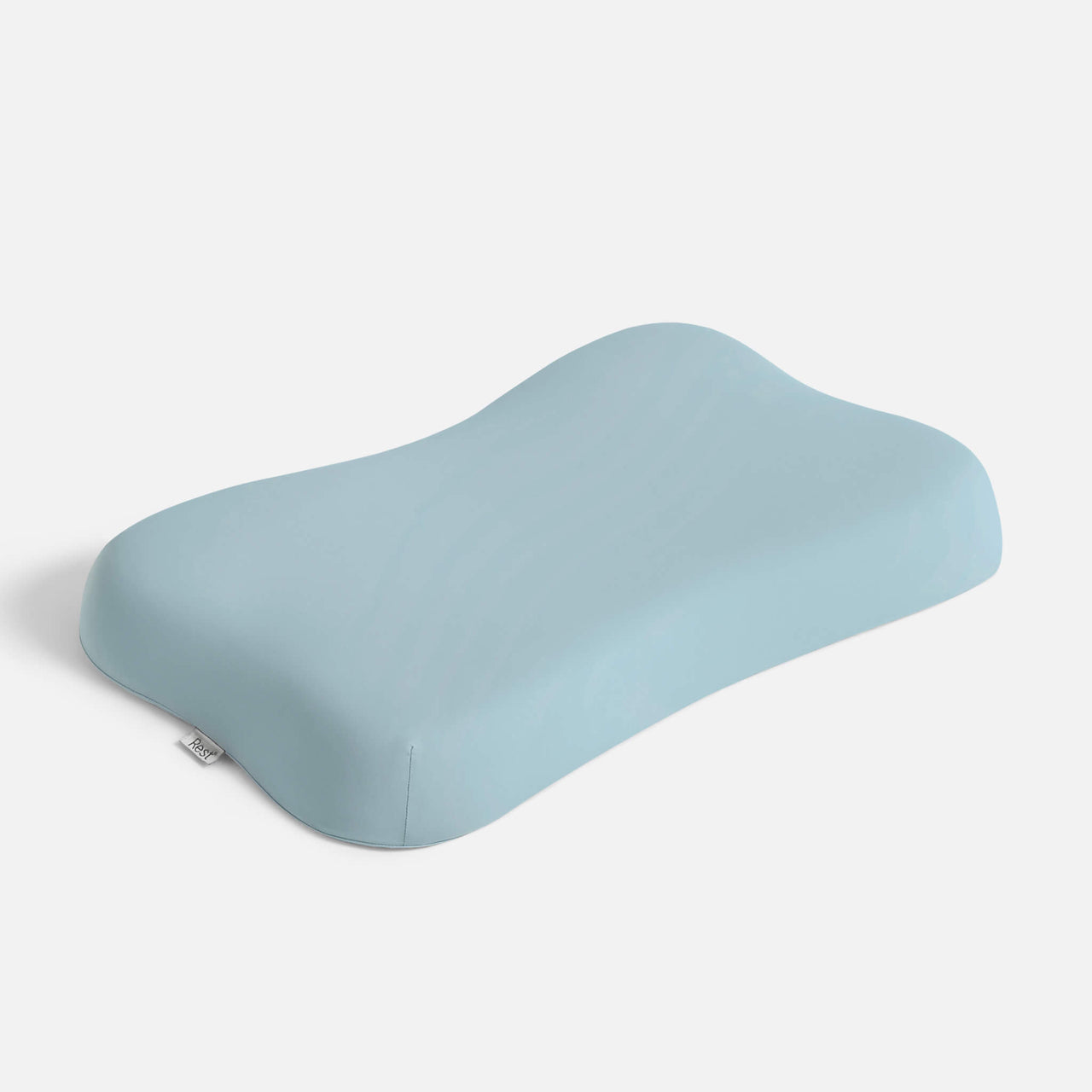
Rest’s product page lists the Evercool® Cooling Pillow at 26 inches by 15.8 inches by 3 inches and $199. Those are verified size and budget filters; compare compression, firmness, and material details separately.
The 26-by-15.8-inch footprint helps with bed space and pillowcase planning. Ask how far the 3-inch profile compresses under the head because external height and working loft are different.
For cooling, compare the current cover and internal-material description rather than relying on the product name alone.
- Confirm that the stated footprint works with the bed and intended pillowcase.
- Ask how much the pillow compresses under the head.
- Identify the materials responsible for the advertised thermal positioning.
- Review washing, drying, and stain-care instructions.
- Compare the listed cost with the warranty and return conditions.
A published price is a clean budget checkpoint, not a value verdict. Value depends on whether the pillow remains usable across the sleeper’s real movement pattern and whether its care demands are practical. A cheaper mismatch can be poor value, while a higher price still needs support from fit, materials, and ownership terms.
Best-fit lane: Compare the Evercool® Cooling Pillow when footprint and a known listed price are your first filters. Then check working loft, materials, and return terms for the positions you actually use.
How I choose for changing sleep positions
A side-to-back roll changes both the shoulder gap and the way the head loads the pillow. Adding stomach sleeping makes the compromise harder because the support needed on the side may become excessive when the body turns face down.
The most useful starting point is a map of the sleeper’s actual movement. Note the posture used at bedtime, the position found after waking naturally, and the transition that causes folding, fluffing, or pushing the pillow away. The problem posture deserves more weight than the easiest one.
- Identify which posture occupies most of the night.
- Notice which position makes the pillow feel too tall or too flat.
- Watch for repeated hand-under-pillow support or deliberate folding.
- Check whether the pillow needs rebuilding after every turn.
- Use the least successful posture as the final fit filter.
Start with the position that is hardest to satisfy
Side sleeping usually presents the clearest space problem because the shoulder sits between the head and mattress. Look at whether the head remains reasonably level rather than tilting sharply toward or away from the bed. The placement checks in this guide to pillow position for side sleepers can help separate a pillow-height problem from a positioning problem.
Back sleeping calls for a more centered relationship between the head and torso, as explained in this guide to back-sleeper pillow positioning. If the sleeper also turns face down, compare that posture with the lower-profile considerations in the stomach-sleeper pillow guide.
The practical rule: Don’t select around the posture in which almost any pillow feels acceptable. Select around the posture that exposes the biggest mismatch, then make sure the compromise remains tolerable everywhere else.
Separate shell height from working loft
A pillow’s unloaded profile is only the starting shape. Working loft is the height that remains after the head settles and the materials redistribute or compress. That distinction is why similar-looking pillows can create very different support.
Material structure helps explain the difference. Loose fill may be moldable but can migrate. Shredded material may allow reshaping but can require maintenance. A continuous core may feel more uniform, although its firmness and resilience determine how much it yields. A layered pillow can behave differently at the surface than it does deeper in the core.
- Ask for the full layer or fill description.
- Distinguish removable material from permanently sealed construction.
- Check whether the manufacturer publishes firmness guidance.
- Look for care instructions that address clumping or reshaping.
- Do not treat overall dimensions as a substitute for loaded support.
Account for the mattress beneath the pillow
The mattress changes the gap the pillow must fill. When the shoulder and torso settle farther into the surface, the head can sit closer to the mattress. On a less-yielding bed, more of the shoulder remains above the surface and the same pillow may feel lower by comparison.
Body proportions and sleep habits also affect the result. Shoulder width, head position, and placing an arm beneath the pillow can all change the effective space. That is why another sleeper’s successful pillow choice may not transfer cleanly to a different body and mattress combination.
For a simpler movement pattern: Someone who changes only between back and side positions has a narrower compromise to solve. This focused guide to pillows for back and side sleepers covers that pairing in more detail.
Judge firmness, resilience, and shape stability separately
Firmness is the initial resistance felt under pressure. Resilience is how readily the material recovers after compression. Shape stability describes whether support remains where it is needed instead of shifting away from the head. A useful multi-position pillow needs an acceptable balance, but the right balance depends on how the sleeper moves.
These characteristics also influence long-term usefulness. Persistent clumping, a deep compressed area, a damaged cover, or fill that no longer redistributes can change working support before the pillow looks completely worn out. Care instructions matter because aggressive washing or incomplete drying may affect materials differently.
- Check whether support returns after the pillow is unloaded.
- Notice whether material migrates away from the center.
- Confirm that routine care is realistic for your household.
- Inspect seams, closures, and removable components.
- Replace a pillow when its support pattern no longer suits the sleeper, not merely when its surface looks old.
Treat return terms and warranties as different tools
A warranty addresses specified defects under a written agreement. It doesn’t promise that the pillow’s loft, firmness, or temperature feel will suit a particular person. Read the definitions, exclusions, remedy, claim procedure, and any costs tied to coverage.
Return terms address personal suitability, but bedding can carry hygiene restrictions. Before ordering, check the return window, condition requirements, packaging rules, refund method, and whether opened pillows remain eligible. Don’t assume a warranty provides a route out of an ordinary comfort mismatch.
Ownership check: Confirm pillowcase fit, cleaning and drying directions, access to replacement components, and the steps required for a return. These details can turn an adaptable design into an inconvenient purchase if they’re ignored.
A practical fit check before committing
Repeated folding in one posture and pushing the pillow away in another is a strong sign that its working profile does not cover the full movement pattern. The goal isn’t to make every posture feel identical. It is to avoid a severe mismatch when the sleeper turns.
- Record which positions you actually use with your present pillow.
- Identify where the present setup feels too elevated, too flat, or unstable.
- Compare those problems with the candidate’s documented construction and adjustability, if any.
- Read all hygiene and return restrictions before removing protective packaging.
- Reject any candidate whose key fit details cannot be confirmed.
After delivery, follow the seller’s care and return rules while assessing normal position changes. Pay attention to the head settling too far, being pushed forward, or needing hand support after a roll. Those observations are more informative than judging softness with a quick press of the palm.
My keep-or-skip test: Keep a pillow only if its compromise works in the difficult posture without making the dominant posture awkward. If constant reshaping interrupts sleep, adaptability on paper has not translated into a good personal fit.
Final verdict
Each shortlisted pillow leads on a different documented input rather than a universal performance ranking.
Saatva supplies multiple published measurements, LatexLuxe supplies a 5-year warranty term, and Evercool supplies a stated footprint and price. Start with the input that matters to you, then use working loft and the hardest sleep-position transition as the final fit test.
The Nut’s bottom line: A multi-position sleeper should buy for the transition, not for a single ideal pose. Published measurements narrow the field. Construction and working support decide whether the pillow belongs on the bed.
FAQ
What is the best pillow for a multi-position sleeper?
There is no universal winner for every multi-position sleeper. Compare the Saatva, LatexLuxe, and Evercool options using their documented facts, then choose the one whose working loft and return terms best fit your hardest position change.
Should a combination sleeper choose a high or low pillow?
Neither label works for everyone. Side sleeping may require more working loft around the shoulder, while stomach sleeping can make excess elevation awkward. Look for the lowest working profile that still provides adequate support in the posture creating the largest gap.
Can the same pillow work for side, back, and stomach sleeping?
It can if the working loft, firmness, compression, and shape stability remain acceptable in every posture the person actually uses. The compromise becomes less practical if each turn requires folding, stacking, or removing the pillow.
Does a longer warranty mean a pillow offers better support?
No. A warranty defines contractual coverage for specified problems. It does not measure comfort, working loft, resilience, or suitability for changing positions. Evaluate the contract and the physical fit as separate decisions.
Does a cooling product name prove that a pillow sleeps cool?
No. A product name is not a thermal result or construction specification. Check the manufacturer’s explanation of the cover, internal materials, and intended heat-management mechanism before deciding how much weight to give a cooling claim.
COMPARISON TAKEAWAY
Use the documented measurements, ownership terms and fit factors above to choose among these 3 options for best pillow for multi position sleeper.
Saatva Pillow