
 by
by Affiliate disclosure: MattressNut earns a commission on purchases made through our links at no cost to you. Our testing is independent and editorial.
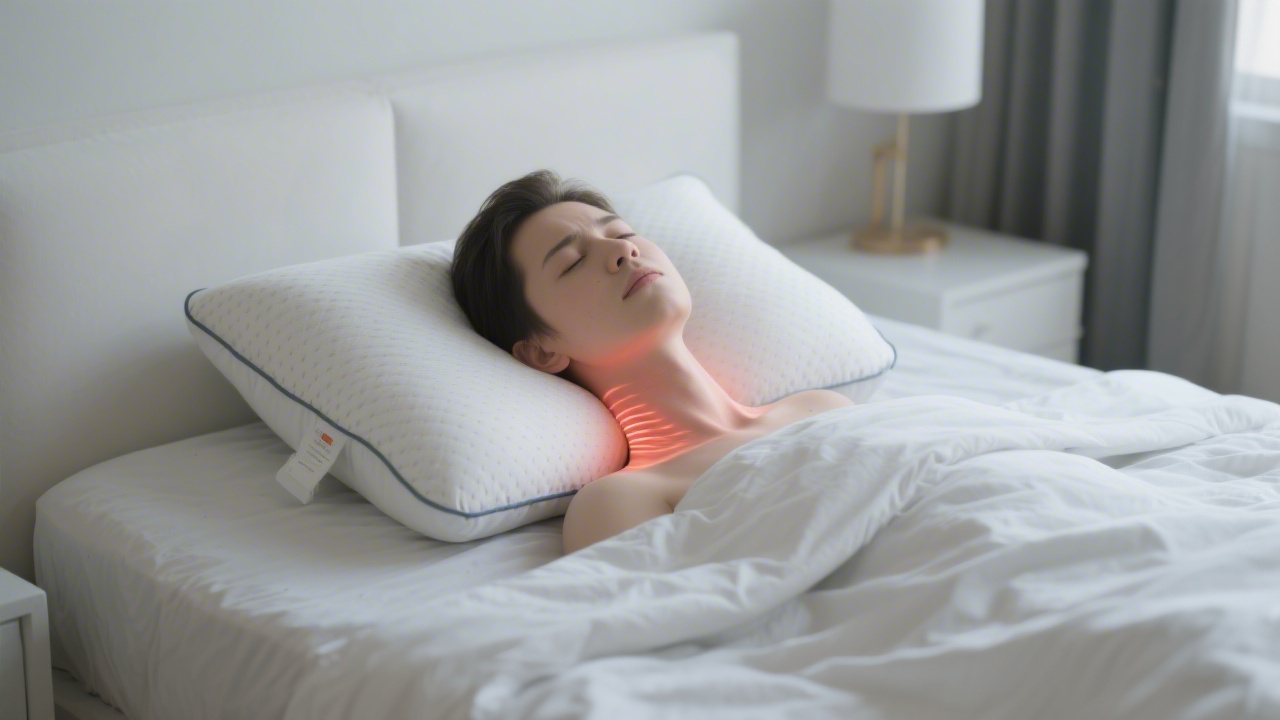
Neck pain upon waking is one of the most common sleep complaints, and one of the most preventable. The cervical spine -- seven vertebrae supporting the full weight of your head -- spends 6-8 hours each night in whatever position your pillow dictates. The wrong pillow height pushes the neck into sustained lateral flexion or extension, compressing cervical structures and creating the stiffness, headaches, and radiating pain that characterize pillow-related neck problems.
We tested 8 pillows specifically for cervical support, evaluating loft height relative to sleep position requirements, loft consistency over the course of a full night (compression set), pressure distribution at the base of the skull, and how well each pillow accommodated position changes. The results revealed significant differences between pillow categories -- and showed clearly that the right fill type depends on your primary sleep position.
Our Top Pick
Saatva Pillow
Outer layer of down and feather fill around a microcoil core -- adjustable loft, responsive support, and natural breathability in one pillow. Adapts to both back and side sleepers while maintaining cervical alignment.
Affiliate disclosure: We earn a commission at no extra cost to you.
What to Look for in a Pillow for Neck Pain
Loft Height Matched to Sleep Position
This is the primary specification for neck pain. Side sleepers need a pillow loft of approximately 4-6 inches to fill the gap between shoulder and ear. Back sleepers need 3-4 inches -- enough to support the natural cervical curve without pushing the chin toward the chest. Stomach sleepers need 0-2 inches. If a pillow brand doesn't discuss loft height in relation to sleep position, it's not designed for cervical alignment support.
Loft Consistency Over the Night
A pillow that starts at the right height but compresses to half that by 3am provides inconsistent cervical support for half the night. Down pillows compress significantly under head weight; loose fill pillows can bunch unevenly. Latex and memory foam maintain their loft consistently. Hybrid designs -- like the Saatva Pillow's down-wrapped microcoil construction -- use a structural core to maintain loft while the outer layer provides pressure relief. Evaluate loft consistency, not just initial loft.
Pressure Relief at the Base of the Skull
The occiput (base of the skull) and the upper cervical vertebrae are the primary pressure points in pillow contact. A pillow too firm for these areas creates concentrated pressure that can trigger cervicogenic headaches and upper neck pain independent of alignment issues. Look for pillows that have some conforming capability at the contact point -- enough to prevent concentrated pressure at the skull base without sacrificing overall loft support.
Cooling Properties
The head and neck area generates significant body heat, and sleeping warm increases muscle tension. Memory foam is the worst offender for heat retention -- traditional memory foam can sleep 3-5 degrees warmer than alternatives. If you are choosing memory foam for neck support, look for gel-infused or open-cell constructions with phase-change covers. Latex and down-hybrid options naturally regulate temperature better than foam.
Comparison: Best Pillow for Neck Pain 2026
| Product | Loft Height | Cervical Support | Pressure Relief | Loft Consistency | Verdict |
|---|---|---|---|---|---|
| Saatva Pillow | ⭐⭐⭐⭐⭐ | ⭐⭐⭐⭐⭐ | ⭐⭐⭐⭐⭐ | ⭐⭐⭐⭐⭐ | #1 Overall |
| Tempur-Neck Pillow | ⭐⭐⭐⭐⭐ | ⭐⭐⭐⭐⭐ | ⭐⭐⭐⭐ | ⭐⭐⭐⭐⭐ | Best Memory Foam |
| Coop Home Goods Eden | ⭐⭐⭐⭐⭐ | ⭐⭐⭐⭐½ | ⭐⭐⭐⭐⭐ | ⭐⭐⭐⭐ | Best Adjustable |
| Purple Harmony Pillow | ⭐⭐⭐⭐ | ⭐⭐⭐⭐½ | ⭐⭐⭐⭐⭐ | ⭐⭐⭐⭐⭐ | Best Cooling |
| Avocado Green Pillow | ⭐⭐⭐⭐½ | ⭐⭐⭐⭐ | ⭐⭐⭐⭐ | ⭐⭐⭐⭐ | Best Latex |
| Helix Plush Pillow | ⭐⭐⭐⭐ | ⭐⭐⭐⭐ | ⭐⭐⭐⭐½ | ⭐⭐⭐½ | Best Budget |
Ready to Upgrade Your Sleep?
Saatva Pillow
Outer layer of down and feather fill around a microcoil core -- adjustable loft, responsive support, and natural breathability in one pillow. Adapts to both back and side sleepers while maintaining cervical alignment.
Affiliate disclosure: We earn a commission at no extra cost to you.
Frequently Asked Questions
What pillow height is best for neck pain?
Pillow height (loft) should keep your cervical spine in neutral alignment -- meaning your neck is neither bent upward nor drooping downward when you're in your primary sleep position. Side sleepers typically need a higher pillow (4-6 inches) to fill the gap between the shoulder and head. Back sleepers need a lower pillow (3-4 inches) to prevent the chin from being pushed toward the chest. Stomach sleepers need the thinnest pillow available, or none at all. The critical point: if you change your mattress firmness, you will likely need to change your pillow loft accordingly.
Is memory foam or latex better for neck pain?
Both can be excellent, with different trade-offs. Memory foam conforms precisely to the neck curve and provides consistent support, but it sleeps warm and has a slow response when you change positions. Latex is more responsive (bounces back quickly), naturally cooler, and durable. For neck pain specifically, latex tends to perform better for combination sleepers who move during the night, because it repositions easily. Memory foam is better for strict back or side sleepers who maintain one position. A hybrid like the Saatva Pillow -- down exterior around a responsive microcoil core -- combines the benefits of both.
Should a pillow be firm or soft for neck pain?
Firmness and loft are related but different considerations. A pillow that's too soft compresses under head weight, dropping loft and cervical alignment as the night progresses. A pillow that's too firm doesn't conform to the natural cervical curve, creating pressure points at the base of the skull and along the neck. The ideal is medium-firm with consistent loft maintenance -- enough firmness that the pillow doesn't compress flat, enough give to conform to the cervical curve. Down pillows need regular fluffing; memory foam and latex maintain their shape automatically.
How often should I replace my pillow if I have neck pain?
Down and fiber pillows: every 1-2 years, or when they no longer maintain their loft after fluffing. Memory foam pillows: every 2-3 years, or when they develop permanent body impressions. Latex pillows: every 3-5 years -- latex is the most durable fill material. The practical test: fold your pillow in half and release it. If it doesn't spring back to full shape immediately, it's no longer providing adequate support and should be replaced. With neck pain, an aging pillow is a frequently overlooked contributor to persistent symptoms.
Can the wrong pillow cause neck pain even with a good mattress?
Absolutely, and this is extremely common. The mattress and pillow work as a system. A premium mattress determines how much your shoulder sinks, which determines how high your head is relative to the mattress surface. The pillow must bridge that gap precisely. A pillow that's too thick for your mattress-and-sleep-position combination pushes your head into lateral flexion all night. Too thin, and the neck droops. Neck pain from the mattress and neck pain from the pillow produce similar symptoms -- always evaluate both when addressing cervical pain.
Further Reading
For more sleep comfort guides, explore our related articles: best mattress for neck pain, best mattress for shoulder pain, best mattress overall, best mattress for side sleepers.