
 by
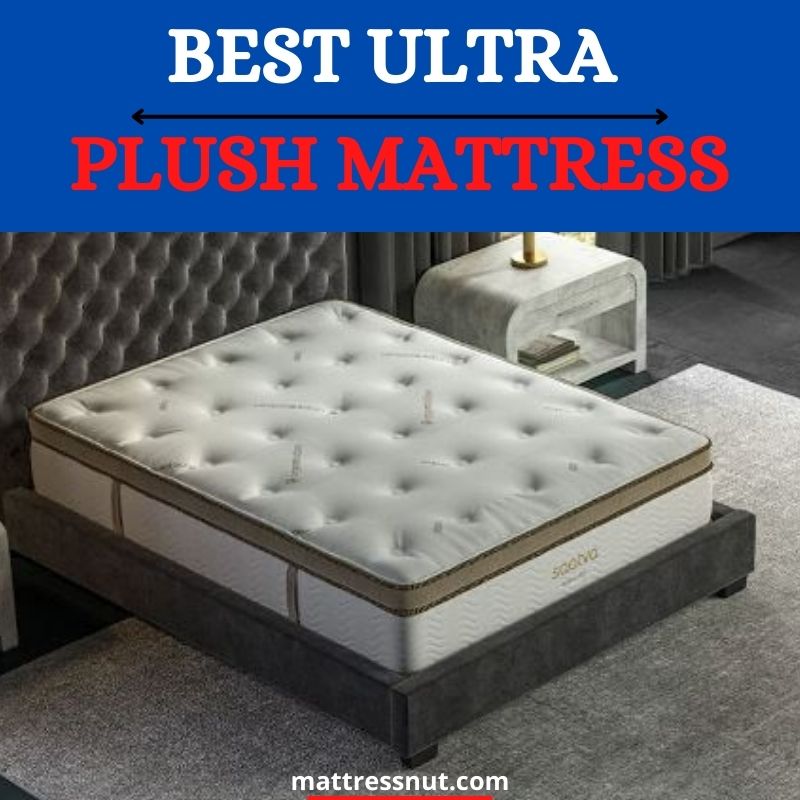
by The best ultra-plush mattress is soft (2 to 4 out of 10) with a coil or zoned support core so you get the cloud-like feel without bottoming out. Our top pick is the Amerisleep AS5 Hybrid: its Bio-Pur plush comfort layer pairs with an enclosed pocketed-coil core that keeps lightweight side sleepers supported while they sink. The Saatva Classic Plush Soft is the best coil-on-coil alternative with a hotel-luxury Euro pillow top.
Amerisleep AS5 Hybrid
9.0/10
- Soft 3/10 feel with deep pressure relief for side sleepers under 150 lb
- Pocketed-coil core prevents the "bottoming out" problem of all-foam plush beds
- Bio-Pur open-cell foam sleeps cooler than traditional memory foam
- CertiPUR-US certified, 20-year warranty, made in the USA
- Too soft for stomach sleepers and back sleepers over 150 lb
- Hybrid price point is higher than the all-foam AS5
For side sleepers and lighter-weight combination sleepers who want maximum cushioning without the sag risk of a pure foam plush bed, the AS5 Hybrid is the most structurally sound ultra-plush option we have tested.
What makes a mattress ultra-plush?
Firmness is measured on a scale of 1 (softest) to 10 (firmest), with most sleepers settling somewhere between 5 and 7. Ultra-plush mattresses occupy the 2 to 4 range. At this level the comfort layer allows deeper sinkage, the shoulders and hips feel cradled rather than pushed back, and the overall sensation is what reviewers describe as "sleeping in a cloud."
The problem is physics. If a mattress is soft all the way through, sleepers above 150 pounds eventually compress past the comfort layer and feel the support core. That creates a hammocking effect where the hips drop below the lumbar spine, which strains the lower back. The best ultra-plush mattresses solve this with a coil core or a zoned support transition layer so the plushness is real at the surface but there is something to stop the fall.
Ultra-plush is primarily right for side sleepers under 150 pounds who need deep shoulder and hip pressure relief, and for lightweight combination sleepers who shift positions frequently. It is generally not recommended for stomach sleepers, back sleepers above 150 pounds, or any sleeper who tends to run hot and cannot afford the reduced airflow of thick foam comfort layers.
Ultra-plush vs plush vs soft: the firmness map
The labeling varies by brand, which causes most of the confusion when shopping:
- Ultra-plush (2 to 3/10): maximum sinkage, body contouring, typically 3 to 5 inches of soft foam above the support layer. Best for sleepers under 130 pounds or strict side sleepers with significant hip and shoulder pressure issues.
- Plush (3 to 4/10): noticeably soft but with more resistance. Works well for side sleepers up to 180 pounds who want cradling without full sinkage. Saatva Classic Plush Soft sits here.
- Medium (5/10): the cross-position sweet spot. The Amerisleep AS3 is the clearest example: enough give for side sleepers, enough resistance for back and combo sleepers. Best-seller category for a reason.
Best ultra-plush mattresses we recommend
| Mattress | Type | Firmness | Best for | Trial | Queen price |
|---|---|---|---|---|---|
| Amerisleep AS5 Hybrid | Hybrid (Bio-Pur + coils) | Soft 3/10 | Side sleepers, ultra-light bodies | 100 nights | From $2,099 |
| Saatva Classic (Plush Soft) | Innerspring hybrid | Plush Soft 3/10 | Side sleepers, hotel feel lovers | 365 nights | ~$1,995 |
| Helix Sunset Luxe | Hybrid | Soft 4/10 | Side sleepers, pressure relief | 100 nights | ~$1,874 |
| WinkBed (Softer) | Hybrid Euro-top | Soft 4/10 | All positions under 200 lb | 120 nights | ~$1,599 |
Saatva Classic (Plush Soft)
8.7/10
- Dual-coil construction keeps plush feel from bottoming out even for average-weight sleepers
- Euro pillow top with organic cotton cover, hotel-luxury feel
- Free white-glove delivery, in-room setup, old mattress removal
- 365-night trial, lifetime warranty, zero off-gassing
- Coil bounce transfers some motion, less ideal for very light-sleeping couples
- $99 return fee applies during the trial
- Heavy and ships uncompressed, not bed-in-a-box
If you want a classic hotel-style plush feel with an innerspring responsiveness underneath, the Saatva Classic in Plush Soft delivers it with one of the longest trial windows in the category.
Who should buy an ultra-plush mattress
The short version: ultra-plush is a specialist category. It solves specific problems very well and creates new ones for the wrong sleeper type.
- Best match: side sleepers under 150 pounds who wake up with shoulder or hip soreness on a medium or medium-firm bed. The extra pressure relief takes the contact pressure off the greater trochanter and the lateral shoulder, which are the two highest-pressure points in the side-sleeping position.
- Reasonable match: lightweight combination sleepers (under 130 lb) who shift frequently through the night and need a mattress that accommodates multiple positions without demanding a break-in period.
- Poor match: stomach sleepers of any weight, back sleepers over 150 lb, and couples with a significant weight difference, where the heavier partner sinks past the comfort layer and creates an uneven surface for the lighter one.
The durability question: do plush mattresses sag faster?
Yes. Softer comfort foams are compressed more deeply with every sleep cycle, and that repeated compression accelerates the breakdown of the foam's cell structure. An ultra-plush all-foam bed often loses 1 to 2 firmness points within the first two to three years, becoming noticeably softer than it tested on arrival.
The mitigation is a coil support core. Because the coils do not compress and set the way foam does, a hybrid plush bed holds its feel substantially longer than an all-foam plush equivalent. The Amerisleep AS5 Hybrid and the Saatva Classic use coil cores for exactly this reason. If long-term durability matters, choose a hybrid over an all-foam plush.
Regardless of construction, rotating a plush mattress every three to six months distributes wear more evenly and meaningfully extends the feel life. A quality mattress protector also protects the foam from moisture, which degrades foam faster than use alone.
WinkBed (Softer option)
8.5/10
- Outstanding edge support (10/10 in NapLab testing, only 3.00" sitting sinkage)
- Serene foam layer absorbs bounce for better motion isolation than most hybrids
- Four firmness versions available, including a dedicated Plus for heavy sleepers
- Lifetime warranty, fiberglass-free confirmed by independent lab test
- 120-night trial is shorter than the category leaders (Saatva: 365, Amerisleep: 100)
- $49 firmness-swap fee if you want to exchange for a different firmness after delivery
The WinkBed Softer hits a sweet spot for side sleepers who want a plush feel with genuinely strong edge support, an unusual combination in soft beds that typically sacrifice the perimeter.
Are hotel beds ultra-plush?
Most major hotel chains use medium to medium-firm mattresses (5 to 6.5/10) rather than true ultra-plush. The reason is the same as the problem described above: ultra-plush beds work poorly for back sleepers and heavier-weight guests, which is a significant portion of any hotel's clientele. What most people experience as "that plush hotel feel" is usually a thick pillow top or a Euro top on a medium-firm base, not an ultra-plush mattress in the 2 to 3/10 range.
The Saatva Classic most closely replicates this sensation because its Euro pillow top provides the surface softness while the dual-coil core keeps the support underneath solid.
Can ultra-plush mattresses cause back pain?
For most sleepers, yes. Back pain from an ultra-plush mattress follows a predictable pattern: the hips sink below the natural spinal curve, which places the lumbar vertebrae in a slightly flexed position overnight. That sustained mild flexion irritates the posterior soft tissues and discs, and the result is morning stiffness or low-grade lumbar soreness that eases after you are upright and moving.
The exception is strict side sleepers under 150 lb who currently sleep on a firm or medium-firm mattress and wake with hip or shoulder pain. For that specific profile, moving to an ultra-plush often reduces the contact-pressure pain without creating a new lumbar problem, because their lighter body weight does not sink as deeply through the comfort layer.
If you are unsure which firmness is right for you, the trial window matters: 100 to 365 nights is long enough to distinguish normal adjustment from a genuine mismatch.
For ultra-plush feel, choose a hybrid with a real coil support core rather than all-foam. The Amerisleep AS5 Hybrid (Soft 3/10) is our top pick on a 100-night trial; the Saatva Classic Plush Soft is the best coil-on-coil alternative on a 365-night trial. Both prevent the sag and bottoming-out problems that compromise all-foam plush beds over time.
Frequently asked questions
Is ultra-plush the softest mattress type available?
Ultra-plush (2 to 3 out of 10) is at the softest end of the mainstream range. Specialty soft beds marketed as "cloud" or "pillow top max" can reach a 1 or 2/10, but these are designed for very light sleepers or children and will sag quickly for average-weight adults.
Who should use an ultra-plush mattress?
Side sleepers under 150 pounds are the primary beneficiary. The deep sinkage allows the shoulder and hip to compress into the mattress rather than pressing back against it, which reduces contact pressure at those points. Lightweight combination sleepers also benefit from the contouring. Stomach sleepers and heavier back sleepers typically do better on medium or medium-firm beds.
What is the difference between plush and ultra-plush?
Plush is typically a 3 to 4/10 firmness with noticeable surface softness but enough resistance to support average-weight back and side sleepers. Ultra-plush is a 2 to 3/10, with deeper sinkage and less resistance. The practical difference is that ultra-plush is appropriate for a narrower set of sleepers, primarily those who are lightweight and strict side sleepers.
How long does an ultra-plush mattress last?
All-foam ultra-plush beds typically show body impressions and firmness loss within three to five years. Hybrid ultra-plush beds, where a pocketed-coil core supports the soft foam, typically hold their feel for seven to ten years with proper care including regular rotation every three to six months.
Is a plush or firm mattress better for side sleepers?
Side sleepers above 150 pounds usually do best on medium (5 to 6/10), which provides enough give for shoulder and hip pressure relief without excessive sinkage. Sleepers under 130 pounds often benefit from plush (3 to 4/10) because their lighter weight does not compress the foam as deeply, meaning the same pressure relief requires a softer surface.
Amerisleep AS5 Hybrid
9.0/10
Soft 3/10 feel, pocketed-coil core for long-term support, Bio-Pur open-cell foam, 100-night trial, 20-year warranty. The most complete ultra-plush pick for side sleepers and lightweight sleepers in our 2026 testing.
This guide is part of our Best Mattress Firmness hub - compare all the top picks and narrow down your choice there.