
 by
by Light suppresses melatonin - even low-level light (15 lux, roughly the level of a dimly lit room) has been shown to measurably reduce melatonin output during the night. Streetlights, early sunrise in summer, neighbor's porch lights - these are enough to shift your circadian rhythm and reduce sleep depth.
Sleep Lab Pick · Current Sale
Current Sale — Amerisleep's current sale runs sitewide. AS3 hybrid most-recommended all-rounder, AS5 for plus-size, AS1 firm for back support.
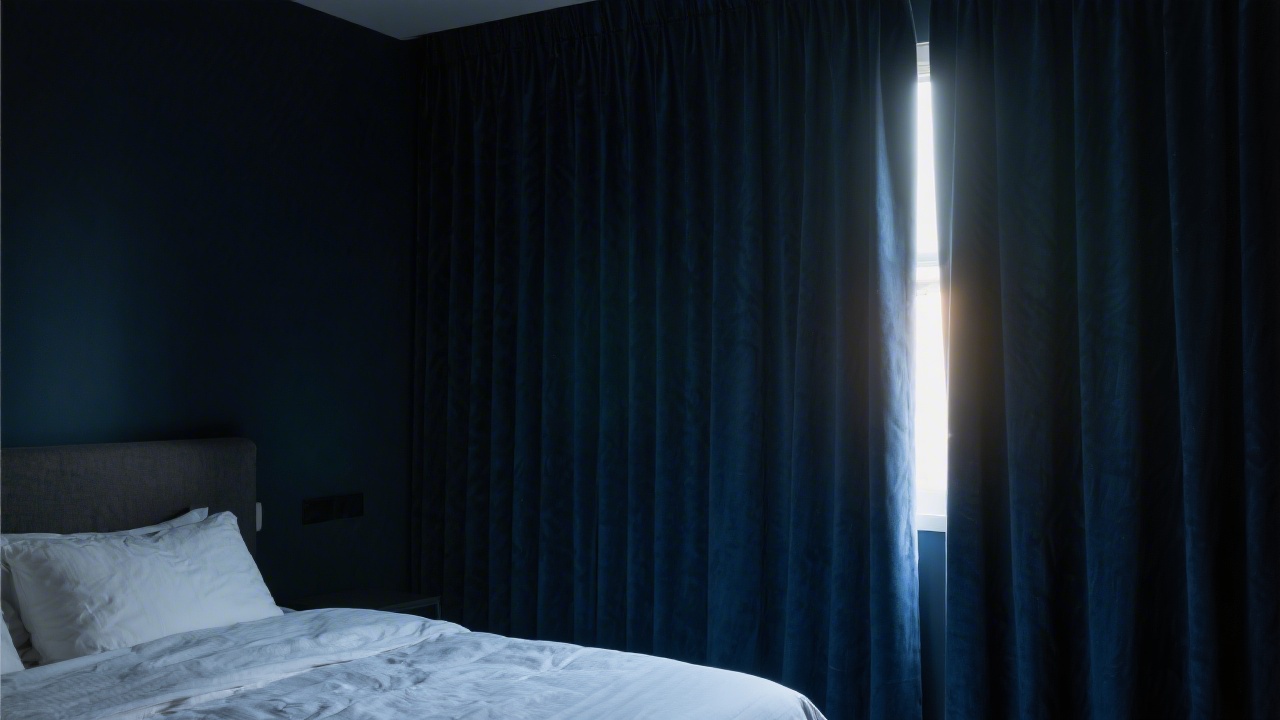
Blackout curtains are one of the highest-use sleep environment upgrades you can make. Here are 7 options tested on actual light-blocking performance (measured with a light meter), installation difficulty, and thermal insulation benefit.
Saatva Classic → The mattress for the bedroom you're optimizing. From $1,595.
What "Blackout" Actually Means (and What It Doesn't)
The term "blackout" is unregulated in the curtain industry. Products labeled blackout range from 85% light reduction to true 100% light blocking. The difference is significant - 85% blocking still lets in enough light to register 10-15 lux in a room with bright streetlights, which is sufficient to suppress melatonin.
True blackout curtains use a foam-backed or triple-weave construction that blocks 99-100% of light through the fabric. However, fabric blackout is only part of the equation - the gaps around the curtain rod allow significant light infiltration. A curtain that blocks 100% of light through its fabric but has a 2-inch gap at each side still lets in substantial light.
Solutions for gap light: ceiling-mount the rod (extends coverage past window frame), use return-mount brackets (rod wraps around to wall), or add side clips that seal the curtain to the wall.
7 Best Blackout Curtains 2026
1. NICETOWN Full Blackout Curtains - Best Overall
NICETOWN's full blackout panels use a triple-weave construction - outer fabric, foam layer, inner lining - achieving consistent 100% light blocking through the fabric. Available in 20+ colors, multiple lengths (63", 84", 96", 108"). Grommet-top makes them easy to hang. Thermal performance reduces heat gain by about 33% in summer. ~$25-$35 per panel.
2. Deconovo Thermal Blackout Curtains - Best Value Under $25
Triple-weave blackout construction, comparable light blocking to NICETOWN, lower price point. Available lengths slightly limited (up to 96"). Texture is thinner - not as luxurious in hand but performs the same blackout function. Good for rental apartments where premium aesthetics aren't the priority. ~$20-$28 per panel.
3. RYB HOME Blackout Curtains - Best for Large Windows
Extra-wide panels (100") and extra-long lengths (120") cover large windows with fewer panels. Triple-weave blackout core. Slightly heavier weight than NICETOWN - hangs with good drape. Grommet top only. ~$35-$50 per panel.
4. Eclipse Thermalayer Blackout Curtains - Best with Rod Pocket
Rod pocket construction (vs. grommet) creates a cleaner, more traditional look and tighter seal along the top edge - less light infiltration at the header. Eclipse's Thermalayer foam backing is consistent in performance testing. Available at Target and widely stocked. ~$20-$30 per panel.
5. Pottery Barn Belgian Flax Blackout Liner - Best Premium Aesthetic
Pottery Barn's approach: beautiful outer curtain paired with a separate blackout liner. Allows full aesthetic flexibility - any fabric on the outside, blackout function handled by the liner. The liner costs $39-$69 per panel. Total investment is higher but the result looks nothing like typical blackout curtains. ~$40-$70 per liner panel, plus outer curtain.
6. H.VERSAILTEX Linen Blackout Curtains - Best Texture
If you want the look of linen but blackout performance, H.VERSAILTEX uses a linen-blend outer fabric with a blackout backing. Softer texture and more natural appearance than standard blackout curtains. Light blocking is 90-95% (not full 100%) - excellent for most cases but not ideal for extreme light situations. ~$35-$45 per panel.
7. Amazon Basics Blackout Curtains - Best Starter Option
For renters or temporary setups, Amazon Basics blackout panels are reliable at their price point. Light blocking is approximately 95-98% - adequate for most urban environments. Limited color options (white, gray, navy). Replace with higher-performing options if you're staying long-term. ~$20-$25 per panel.
Installation Tips for Maximum Darkness
- Mount the rod 4-6 inches above the window frame (not on the frame itself). This prevents light from entering above the curtain.
- Extend the rod 4-6 inches beyond the window on each side. Curtains should overlap the wall by at least 3 inches per side when closed.
- Use return brackets to wrap the rod ends back toward the wall. This eliminates the side-gap light that normal rod mounting creates.
- Floor-length panels (±1 inch from floor) eliminate bottom-gap light from low windows.
Blackout Curtains vs. Blackout Blinds
Cellular blackout shades (like Hunter Douglas Duette blackout) eliminate side gaps better than curtains because they fit within the window frame. The tradeoff: lower insulation value and typically higher cost. Many people use both - blackout blinds for light sealing, curtains over them for aesthetics and insulation.
Saatva Classic → Supportive, breathable, built for quality sleep. From $1,595.
Related Guides
- Optimal Bedroom Temperature for Sleep
- Best Bedroom Colors for Sleep
- Best Bedroom Humidifier 2026
- Sleep Hygiene: 15 Science-Backed Habits
Frequently Asked Questions
Do blackout curtains actually improve sleep?
Yes, particularly for people with morning light infiltration, urban streetlight exposure, or shift workers sleeping during daylight. Light at even 15 lux suppresses melatonin. Blackout curtains eliminate this variable and can meaningfully improve sleep depth and morning wake-up ease in affected environments.
What is the difference between blackout and room darkening curtains?
Room darkening curtains typically block 85-95% of light - they reduce light significantly but don't achieve total darkness. True blackout curtains block 99-100% of light through the fabric. For optimal sleep, particularly if you have bright outdoor lights or sleep past sunrise, true blackout is worth the minor price premium.
Can blackout curtains help with noise?
Somewhat. The foam backing and additional fabric weight provide 2-5 dB of sound reduction. This is noticeable for high-frequency sounds (traffic noise) but not for low-frequency noise (bass, trucks). Blackout curtains are a noise-reduction bonus, not a primary solution.
Do blackout curtains work in summer for early sunrise?
Yes - this is one of their highest-value use cases. Sunrise at 4:30-5 AM in summer can shift your circadian rhythm 1-2 hours earlier over weeks. Blackout curtains prevent this light from reaching you during the sleep window you've targeted.
Can I make existing curtains blackout?
Yes. Blackout liner panels attach to existing curtain rings or hooks and add full blackout functionality behind any decorative curtain. Pottery Barn and NICETOWN both sell liners that clip onto existing hardware. This is the most cost-effective upgrade if you already have curtains you like.