
 by
by Our Pick for Better Sleep
The Saatva Classic combines zoned lumbar support with a breathable Euro pillow top — built for uninterrupted, restorative sleep.
The Science Behind Blue Light Glasses
Blue light blocking glasses work on the same principle as the blue light and melatonin suppression mechanism: by filtering short-wavelength light before it reaches the photoreceptive cells in your retina, they aim to reduce the circadian-disrupting signal sent to your brain's sleep-wake timing system.
The critical variable is which wavelengths are actually blocked. Melanopsin — the photopigment responsible for circadian light sensitivity — is maximally activated at approximately 480 nm. Many commercial "blue light glasses" block wavelengths primarily below 440–450 nm (which correspond more to UV light than to the circadian-relevant blue range). These products have minimal effect on melatonin suppression.
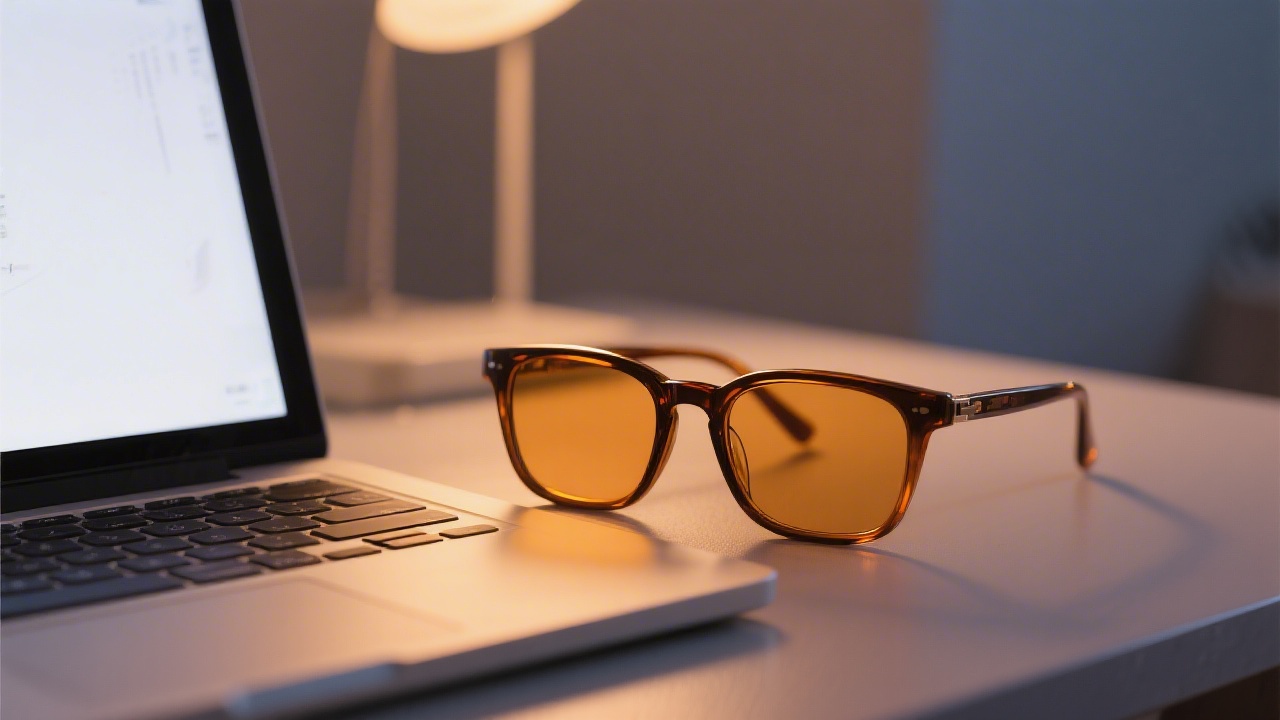
Amber-tinted lenses that block wavelengths below 530 nm are substantially more effective at reducing ipRGC stimulation, but they dramatically alter color perception — making them impractical for color-critical work and aesthetically unappealing to many users.
What the Research Actually Shows
Lab-based studies using amber-tinted glasses show genuine, measurable effects:
- A 2009 study in Chronobiology International found that participants wearing amber glasses for 3 hours before bed had melatonin levels roughly equivalent to those in near-darkness conditions
- Multiple studies show amber glasses significantly reduce alertness-related EEG activity in the evening
- A 2017 study in Journal of Psychiatric Research found a 58% improvement in sleep quality in patients with mania who wore amber glasses 6–8 hours before bed
However, real-world and consumer-grade studies tell a more complicated story:
- A 2021 BYU study found that standard "blue light glasses" (clear or lightly tinted) produced no significant improvement in sleep outcomes compared to unfiltered screen use
- A 2023 Cochrane-adjacent review concluded that evidence for commercially available blue light glasses is "low quality" and that effects on sleep are "inconsistent and small"
- Screen brightness and content engagement effects often overwhelm the modest filtering benefit of most consumer glasses
Glasses vs. Screen Dimming: Which Is More Effective?
This comparison is rarely studied directly, but available evidence suggests they are roughly equivalent in effect — and both are substantially less effective than simply turning off screens. A key insight: reducing screen brightness by 50% reduces blue light output proportionally, while also reducing overall luminance stimulation. This may match or exceed the filtering benefit of most glasses.
Combining both strategies (dimmed screen plus amber glasses) likely provides the most protection, but the marginal gain over dimming alone is probably small for most people.
The "Clear Blue Light Glasses" Problem
The largest category of commercially sold blue light glasses uses clear or very lightly tinted lenses marketed as filtering "harmful blue light." Independent testing by the American Academy of Ophthalmology and various consumer labs consistently finds these products block only 10–30% of the relevant wavelength range — insufficient to meaningfully reduce melatonin suppression during evening screen use.
The AAO does not currently recommend blue light blocking glasses for sleep improvement, and the American Academy of Sleep Medicine's 2023 position paper noted insufficient evidence to endorse them as a first-line sleep hygiene intervention.
When Blue Light Glasses Might Be Useful
Despite mixed evidence on standard consumer products, amber-tinted glasses do have real use cases:
- Shift workers who need to sleep during daylight hours and cannot control ambient light
- Delayed sleep phase disorder patients as an adjunct to chronotherapy
- Screen-dependent professions requiring work until late evening with no alternative timing flexibility
In these scenarios, amber glasses (not clear ones) worn 2–3 hours before target sleep time provide measurable circadian benefit. Related reading: screen time before bed — the full science and reading before bed as a screen-free alternative.
Frequently Asked Questions
Do blue light glasses really work for sleep?
The evidence is mixed. Lab studies show that amber-tinted glasses that block wavelengths below 530 nm can reduce melatonin suppression. However, real-world RCTs show smaller and less consistent benefits, likely because behavioral and content-engagement factors matter as much as light wavelength.
Which type of blue light glasses work best?
Amber or orange-tinted lenses that block wavelengths below 530 nm (not just 450 nm) are the most effective at reducing circadian disruption. Clear 'blue light glasses' that only filter a small portion of the blue spectrum have very little measurable effect on melatonin or sleep.
Is it better to dim my screen or use blue light glasses?
Screen dimming combined with lowering display brightness likely has effects comparable to amber-tinted glasses at a fraction of the cost. A 2021 study found no significant difference in melatonin levels between dimmed screens, Night Mode, and amber glasses — but all performed better than bright normal-mode screen use.
Can I wear blue light glasses all day?
Amber-tinted glasses that block substantial blue light should not be worn during the day — blue light in the morning and afternoon actually helps synchronize your circadian rhythm and promotes daytime alertness. Wearing them all day could shift your circadian phase in the wrong direction.
Are expensive blue light glasses worth it?
Price correlates poorly with effectiveness in this category. The key factor is lens tint darkness: clear or lightly tinted glasses are largely ineffective for sleep regardless of price. Amber-tinted glasses in the $15–40 range perform comparably to premium brands in the research literature.
Our Pick for Better Sleep
The Saatva Classic combines zoned lumbar support with a breathable Euro pillow top — built for uninterrupted, restorative sleep.