
 by
by Our Top Pick for Kids & Teens
The Saatva Youth Mattress is designed for growing bodies — with dual-sided firmness for different ages, organic cotton cover, and verified spinal support.
Children's sleep problems fall into identifiable patterns with identifiable causes. The three most common — bedtime resistance, night waking, and early rising — affect the majority of families at some point and respond well to targeted interventions when the underlying cause is correctly identified.
Bedtime Resistance
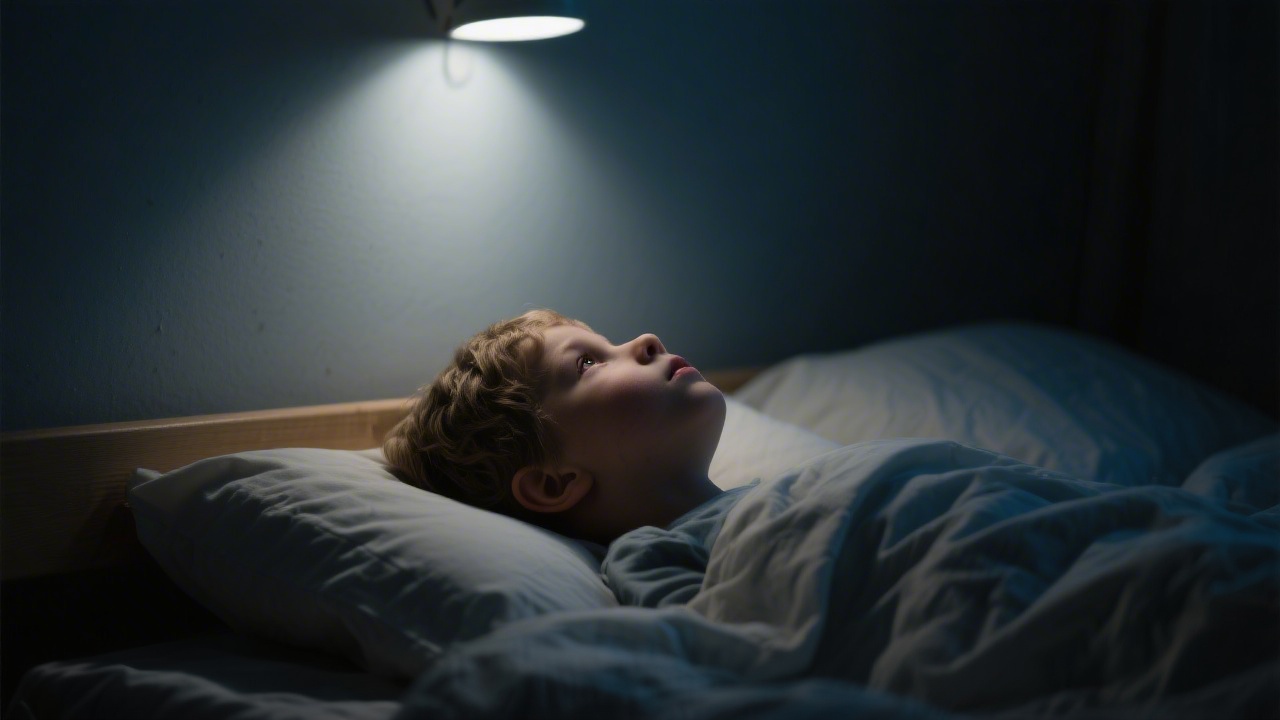
Bedtime resistance is the most frequently reported children's sleep problem. It manifests as delaying tactics, requests for additional items (water, another story, one more hug), and in older children, outright refusal. The causes vary significantly by age.
In toddlers and preschoolers (1-5 years)
The most common cause is overtiredness. Counterintuitively, an overtired toddler is harder to settle than a well-rested one. When cortisol (the stress hormone) is elevated from tiredness, the nervous system becomes hyperactive. Moving bedtime earlier — sometimes by 30 to 60 minutes — often resolves the resistance entirely within a week.
The second most common cause is a conditioned sleep association with parental presence. If a child learned to fall asleep while being held, rocked, or with a parent lying beside them, they will require the same condition when they rouse between sleep cycles. This is not manipulation — it is a genuine learned sleep requirement. The solution is gradually modifying the association, not forcing overnight independence.
In school-age children (6-12 years)
Bedtime anxiety is the primary driver in this age group. The quiet of the bedroom allows rumination about school, friendships, and family stressors. Addressing anxiety during the day — through talk, journaling, or structured worry time — reduces bedtime anxiety. A bedtime routine that includes a brief download conversation with a parent can also help.
- Night Terrors in Children
- How to Get Kids to Sleep
- Toddler Sleep Regression Guide
- Kids Sleep Schedule by Age
Night Waking
All children (and adults) partially wake between sleep cycles, typically 4-6 times per night. The question is whether the child can return to sleep independently. Night waking that requires parental intervention is either a sleep association issue (the child needs the same conditions they fell asleep with) or a physiological disruption (discomfort, illness, environmental factors).
Sleep association night waking
If a child who is nursed, rocked, or patted to sleep wakes at 2 AM and cannot return to sleep without the same intervention, this is a sleep association issue. The waking itself is normal — the inability to self-settle is the problem. Approaches range from gradual fading (slowly reducing involvement at sleep onset) to more direct methods depending on the child's age and temperament.
Environmental night waking
Room temperature above 70°F, noise intrusion (street sounds, household noise), morning light entering before 5 AM, and an uncomfortable or too-small sleep surface all cause night waking that is misattributed to behavioral causes. Systematic environmental assessment often resolves "behavioral" night waking.
Early Rising
Early rising is defined as consistent waking before 5:30 AM despite an adequate bedtime. It is one of the most disruptive children's sleep problems and also one of the most commonly mismanaged.
The instinctive parental response — keeping the child up later to tire them out — typically makes early rising worse. When overtired children go to bed late, they produce more cortisol overnight, which actually advances their wake time. Earlier bedtime, counterintuitively, usually produces later wake times.
Practical interventions for early rising:
- Blackout curtains: Morning light is the primary physiological trigger for early waking. True blackout curtains can shift wake time by 30-90 minutes in light-sensitive children.
- Earlier bedtime: If the child is waking at 5:00 AM exhausted, they are overtired. Moving bedtime earlier by 30 minutes often shifts the wake time later within 1-2 weeks.
- OK-to-Wake clock: For children old enough to understand the concept (age 2.5+), a clock that signals acceptable wake time teaches the child to wait quietly rather than demanding parental attention.
Pediatric Obstructive Sleep Apnea
Beyond behavioral sleep problems, obstructive sleep apnea (OSA) in children is significantly underdiagnosed. Unlike adult OSA, pediatric OSA is often caused by enlarged tonsils and adenoids rather than obesity. Signs include loud snoring, mouth breathing during sleep, gasping or pausing, restless sleep, and daytime behavioral issues that resemble ADHD. If present, OSA warrants ENT evaluation, not behavioral sleep interventions.
Our Top Pick for Kids & Teens
The Saatva Youth Mattress is designed for growing bodies — with dual-sided firmness for different ages, organic cotton cover, and verified spinal support.
Frequently Asked Questions
Why does my child wake up every night at the same time?
Waking at a consistent time each night usually indicates a sleep cycle transition point. Children cycle through sleep stages every 45-90 minutes; waking at the same time suggests a consistent arousal at that stage transition. If associated with distress, rule out night terrors (NREM) or nightmares (REM). If calm, the cause is typically a sleep association — the child needs help returning to sleep that they did not need at sleep onset.
What is the best way to handle a child who gets out of bed repeatedly?
The most evidence-supported approach for toddlers and preschoolers is the bedroom door strategy: the child is returned wordlessly to bed after the first exit, and the door is gradually moved toward closed as a consequence of additional exits. This provides a clear, low-conflict limit. For school-age children, addressing underlying anxiety and using a one-exit ticket approach is more effective.
Can melatonin be given to children for sleep?
Melatonin is not approved by the FDA for use in children and has limited long-term safety data in this population. It may be appropriate as a short-term intervention for specific situations (jet lag, circadian phase issues in children with ADHD or autism spectrum conditions) under pediatric guidance. It is not a substitute for addressing behavioral or environmental causes of sleep problems.
How do I know if my child's sleep problem needs a doctor?
Medical evaluation is warranted for: loud snoring or observed breathing pauses during sleep (possible sleep apnea), bedwetting that begins after years of dryness (possible sleep apnea or stress), excessive daytime sleepiness despite adequate night hours, sleep problems that persist beyond 4-6 weeks despite consistent interventions, or behaviors during sleep that include rhythmic movements or tonic posturing.
Does a child's mattress affect sleep quality?
Yes, particularly for older children and teenagers. A mattress that creates pressure points will cause micro-arousals that fragment sleep without the child being aware of waking. For infants and young toddlers in cribs, a firm, flat surface is appropriate and required for safety. For children in beds, a medium-firm mattress with appropriate support is associated with better sleep continuity.