 by
by Quick answer: Cocoon suits shoppers who want a cooling-led online foam mattress. Casper makes more sense if you want to try a balanced foam feel in person before deciding.
- Cocoon by Sealy is primarily an online-focused mattress line.
- Casper sells through its website and physical retail locations.
- Both brands build their core appeal around foam comfort and temperature management.
Updated July 2026 · Reviewed for accuracy
Cocoon vs Casper is really a choice between purchase style and foam character. I’d lean Cocoon for a straightforward cooling-focused foam bed bought online. I’d lean Casper for shoppers who want a more balanced, slightly crisper foam feel and the option to get a real in-store impression first.
Neither is automatically better. The useful question is whether you prefer Cocoon’s pressure-relieving direction or Casper’s zoned, buoyant approach to keeping your body supported. That distinction matters more than broad claims about “premium foam.”
Cocoon vs Casper at a glance
Cocoon is Sealy’s online-focused line, while Casper operates across online and brick-and-mortar channels in the United States. That sounds like a retail detail, but it changes how you can judge feel before committing.
| Category | Cocoon | Casper |
|---|---|---|
| Buying route | Primarily direct online, according to Cocoon by Sealy’s brand positioning. | Online and physical retail locations, according to Casper’s retail positioning. |
| Core construction direction | Mostly foam-focused, with cooling and pressure relief emphasized in brand materials. | Layered foam with zoned support and breathable materials emphasized in brand materials. |
| Surface character | Usually described as medium-firm with a more cushioning top layer, depending on model. | Usually described as medium-firm with a more lifted, responsive foam surface, depending on model. |
| Best starting point | Online shoppers prioritizing cooling features and pressure relief. | Shoppers who value showroom access and a balanced foam feel. |
These are brand-level tendencies, not a substitute for reading the exact listing for the mattress you’re considering. Both companies have changed lineups over time, and details such as cover materials, foam arrangement, return handling, and availability can vary by model and retailer.
The Nut’s take: A foam mattress is never just “soft” or “firm.” The comfort layer controls initial pressure relief, while the layers below decide whether you feel settled in place or held closer to the surface. Cocoon and Casper approach that balance differently.
Cocoon’s appeal is cooling-led foam comfort
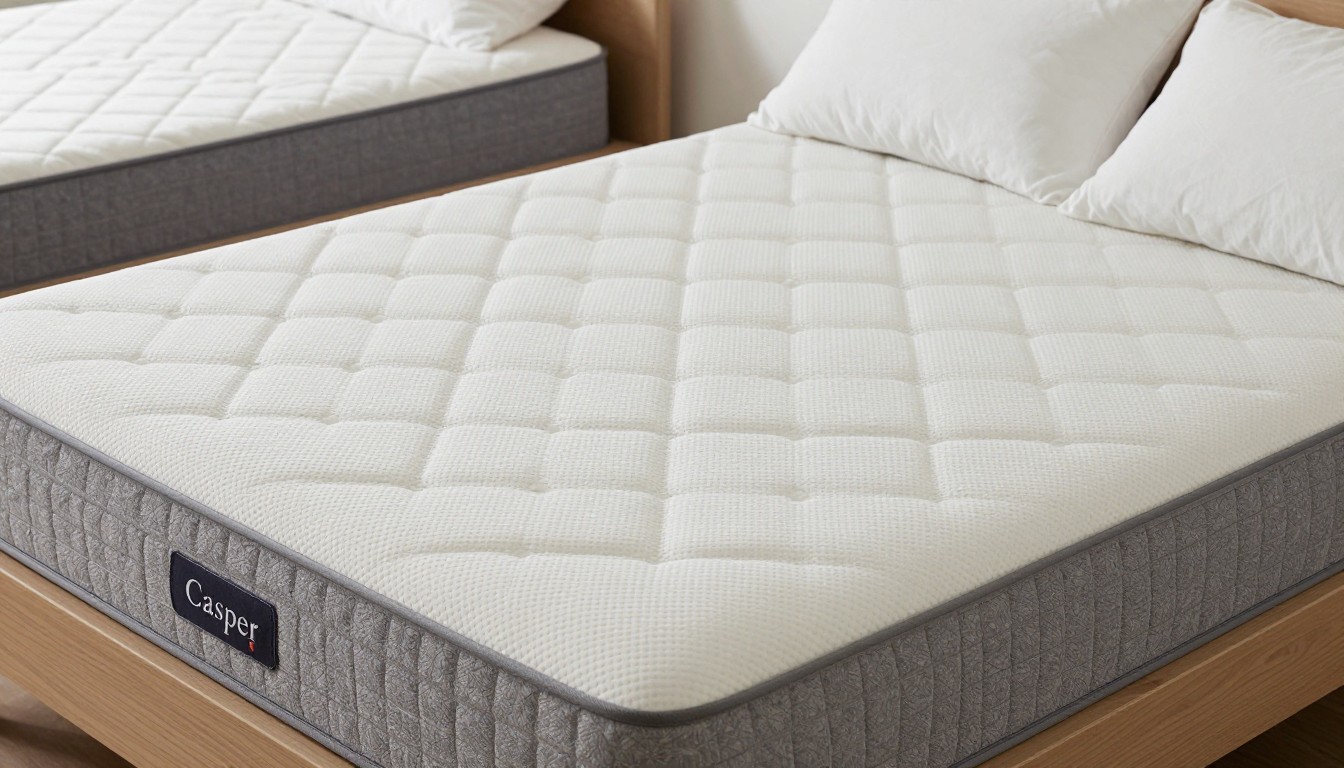
Cocoon’s central pitch is foam comfort with an emphasis on cooling. Cocoon by Sealy’s materials describe cooling features in the cover and foam system, alongside pressure relief. That puts the brand squarely in the camp for sleepers who like the close contouring of foam but worry about feeling overly insulated.
I’d read “cooling” carefully. A breathable cover and altered foam chemistry can help a mattress manage heat, but they do not override a warm room, heavy bedding, a non-breathable protector, or an individual sleeper who naturally runs hot. The real comparison is not whether a mattress uses cooling language. It is how its cover and upper foams are described on the current product page.
Cocoon’s all-foam direction is also relevant for motion isolation. Foam generally absorbs movement instead of transferring it sharply across the surface. For couples, that can be appealing if one person changes positions frequently. Still, feel is personal: a highly contouring surface can be calming for one sleeper and restrictive for another.
For lighter side sleepers, the pressure-relieving top-layer direction may be the stronger reason to consider Cocoon. A shoulder and hip need enough surface give to avoid feeling pushed upward. That said, body shape and pillow height affect alignment too, so no foam mattress can be judged from firmness language alone.
- Consider Cocoon if cooling features are high on your list.
- Consider Cocoon if you prefer buying directly online.
- Read the current product listing closely if you need a particular level of edge stability or bounce.
Comparing options? The Saatva Classic is the pick we keep coming back to — see the final verdict ↓
Casper aims for a more balanced, buoyant foam feel
Casper’s layered-foam approach emphasizes zoned support, breathable foams, and a balanced “just-right” feel, according to the brand’s product materials. In plain English, the goal is to avoid the deep, slow sink that some people associate with traditional memory foam while still giving the body room to settle.
Zoning is the construction detail I’d pay attention to here. It means different portions of the mattress are intended to respond differently, usually to accommodate broader parts of the body and support the midsection. The idea is sound, but the outcome still depends on the exact model, your build, and your sleeping position. “Zoned support” is not a universal guarantee of better alignment.
Casper can be a sensible first stop for people who dislike the thought of buying a mattress without lying on it. Its retail presence gives some shoppers a practical advantage: you can assess the surface response, ease of repositioning, and initial pressure at the shoulder without relying entirely on descriptions.
That in-store opportunity is especially useful if you are uncertain about foam. Sit near the edge, lie on your usual side, then roll onto your back. You are not trying to recreate a full night of sleep. You are checking whether the surface lets your shoulder settle and whether changing position feels natural rather than sticky.
What I’d compare on the live listings
Look beyond brand names. Compare the stated cover design, comfort-foam description, support-layer design, return process, and warranty terms for the exact mattress and seller. Those details can change across a lineup.
Feel matters more than the medium-firm label
Both Cocoon and Casper are commonly positioned around medium-firm territory, with variation by model. That label is useful only as a starting point. It does not tell you whether the first layer feels plush, whether the transition layers catch you quickly, or whether the support core makes the bed feel steady under the hips.
Cocoon’s stated pressure-relief focus suggests a more cushioning entry feel on relevant models. Casper’s foam-and-cover design is often described as crisper or more float-like. Neither description means one will be softer in every practical sense. A mattress can feel soft at the surface and still stop you quickly. Another can feel firmer at first contact yet distribute weight comfortably.
Side sleepers should focus on pressure at the shoulder and hip. Back sleepers should focus on whether the pelvis feels supported without the lumbar area being left unsupported. Combination sleepers should think about ease of turning. These are construction questions, not marketing categories.
If you share a bed, discuss your preferences before choosing. One person may prize deep pressure relief. The other may want a surface that feels easier to move across. With foam, the compromise often lives in the transition between the plushest layer and the support layers underneath.
For more context on Casper’s place among other foam choices, see our Tuft & Needle vs Casper comparison. It helps clarify why subtle differences in foam response can matter more than similar broad firmness descriptions.
Cooling claims deserve a practical reading
Cocoon highlights cooling features in its cover and foam system, while Casper highlights breathable foams and airflow through its construction, according to each brand’s product positioning. That means both are trying to address a common foam-mattress concern: retained warmth near the body.
My view is simple. Cooling features can be worthwhile, but they are not the same as a cool sleep environment. Foam still tends to wrap more closely around the body than a highly open coil system. A breathable cover may improve the first layer you touch, and open-cell foam may help air move through the material, but the mattress is only one part of the setup.
Use your own bedroom as the deciding context. If you sleep with a thick protector, dense duvet, warm pajamas, or limited room airflow, neither brand’s cooling language should be treated as a promise. If you mostly want to avoid the dense, heat-trapping sensation associated with older foams, either approach may be worth considering after you inspect the exact materials.
My buying rule: Don’t buy a “cooling mattress” based on the word cooling alone. Check whether the current model identifies a breathable cover, open-cell foam, or another specific construction feature, then judge it against the way you actually sleep.
Edge support, motion, and durability are model-specific
Foam construction often favors motion absorption, which is one reason foam mattresses remain popular with couples. But edge support is more variable. The usable perimeter depends on how the support foam is built and how much the comfort layers compress near the side. Brand-level summaries cannot tell you how secure every current model will feel when you sit to put on socks or sleep close to the edge.
Durability is similarly tied to the exact build. Density, foam quality, layer thickness, body weight, and daily use all matter over time. I would not call either brand inherently more durable without current, model-specific specifications and a reliable source for those specifications. That is precisely why broad comparison pages can mislead shoppers.
Before buying, review current owner feedback from the retailer or brand listing, separating comments about delivery from comments about long-term comfort. Look for repeated, specific observations about sagging, heat, edges, and ease of movement. A single enthusiastic or frustrated review tells you little. A pattern is more useful, though still personal rather than universal.
Casper’s manufacturing background may also matter to shoppers who want more context before ordering. Our guide to where Casper mattresses are made covers that part of the decision separately.
Trial terms and price should be checked at checkout
Both brands generally offer extended home-trial and warranty policies, but the exact terms can vary by model, retailer, and current policy. Read the current conditions before you place an order, especially the return process, return-shipping responsibility, eligibility requirements, and whether a retailer applies separate rules.
That advice is not legal fine print for its own sake. An online foam mattress needs a realistic adjustment period, but you should also know how a return is arranged if the feel plainly does not work for you. If you buy through a retailer rather than direct from the manufacturer, confirm that retailer’s policy instead of assuming it matches the brand site.
Pricing for both brands can move with promotions and seasonal events. Cocoon has historically occupied a position above basic budget foam beds, while Casper is commonly positioned in the mid-range, according to comparison and retailer discussions. I would not choose between them based on a headline discount. Compare the live price of the exact size, the included items if any, and the policy attached to that transaction.
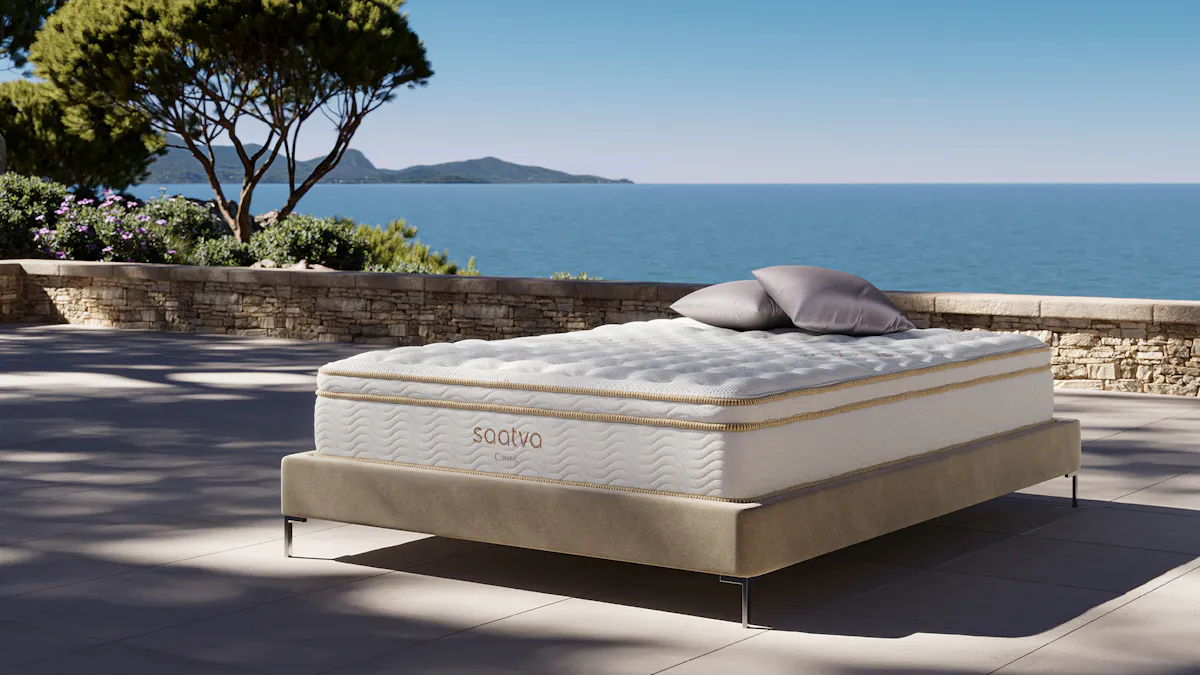
If you decide neither foam approach is quite right, I’d also consider the Saatva Classic. It is a different construction direction, and Saatva presents it with flexible financing, a generous home trial, and a long warranty. It makes more sense for shoppers who want a more traditional, responsive mattress feel than either of these foam-led options.
Before checkout: confirm the exact model name, current materials, seller, return instructions, and warranty page. That short checklist is more valuable than treating any brand comparison as permanent.
Who should pick Cocoon, and who should pick Casper?
Pick Cocoon if you want an online-first purchase, are drawn to cooling-focused cover and foam features, and prefer the idea of more pressure-relieving foam comfort. It is the cleaner match for the shopper who knows they like contouring foam and wants to compare current promotions directly on the official listing.
Pick Casper if you value the chance to visit a store, prefer a foam feel that may seem more balanced and buoyant, or are interested in zoned-support construction. The showroom option does not replace a home trial, but it can prevent an obvious feel mismatch.
Pause before choosing either if you need strong perimeter support, want a notably springy surface, or are not sure whether foam suits you. Those needs do not make Cocoon or Casper poor mattresses. They simply point to a construction question that deserves more than a brand-level answer.
My verdict is straightforward: Cocoon is the better fit for the cooling-conscious online foam shopper. Casper is the better fit for the shopper who wants to assess a balanced foam feel in person. Compare the current model pages, not old specifications, then buy the construction that fits how you move and sleep.
FAQ
Is Cocoon softer than Casper?
Not necessarily. Both brands are commonly described around medium-firm territory, and the feel changes by model. Cocoon’s pressure-relief focus may appeal to sleepers wanting more initial cushioning, while Casper’s layered construction may feel more lifted or responsive.
Which is better for hot sleepers, Cocoon or Casper?
Both brands emphasize temperature-management features in their product materials. Cocoon highlights cooling elements in its cover and foam, while Casper highlights breathable foam and airflow. Your room, bedding, protector, and personal heat sensitivity still play a major role.
Can I try a Casper mattress in a store?
Casper operates physical retail locations in addition to selling online, according to its retail positioning. Availability can vary, so check the current local-store information before making a trip.
Is Cocoon only sold online?
Cocoon by Sealy is primarily positioned as an online-focused line, though some wholesale or retailer availability may exist. Confirm the current seller and policy before ordering, since retailer terms can differ from direct purchase terms.
Should I choose a foam mattress if I change positions a lot?
It depends on the exact foam response you prefer. Casper’s balanced, more buoyant direction may suit shoppers who dislike a deeply settled feel, while Cocoon may appeal if pressure relief matters more. If repositioning is your priority, test the surface if possible and read the current material description closely.
FINAL VERDICT
Before you settle: if cocoon vs casper is what brought you here, the Saatva Classic is the value pick on this page — more home-trial and warranty coverage than the alternatives covered here. Confirm current price, dimensions and terms on the official product page before ordering.
OUR CATEGORY-MATCHED PICK · UP TO $625 OFF
Saatva Classic
- 365-night home trial and lifetime warranty, per saatva.com
- Handcrafted in the USA, free white-glove delivery
- Flexible financing available