
 by
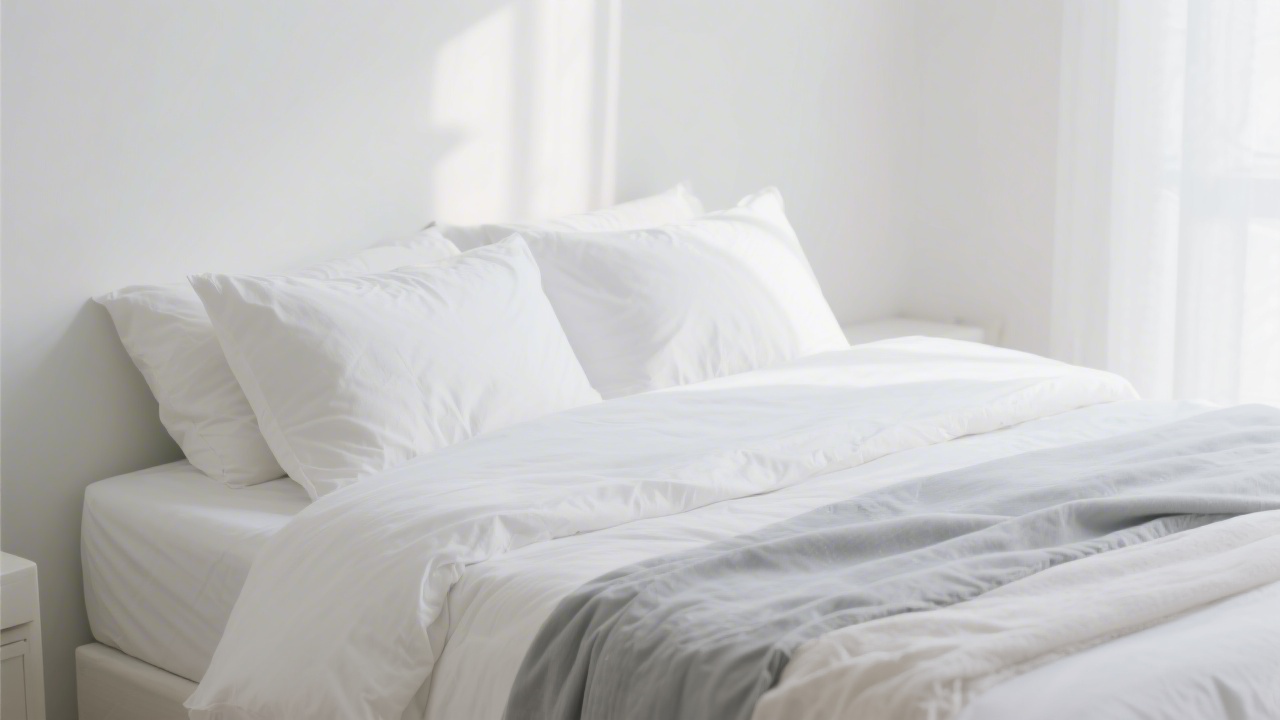
by Saatva Down Duvet
Hungarian white goose down with 750 fill power in an organic cotton shell. Comes with matching cover. Washable cover, infrequent insert washing. The practical advantage of the duvet system fully realized.
The Three Types: A Quick Summary
- Comforter — all-in-one. Fill permanently enclosed in outer fabric. Used directly on the bed. No separate cover required. Washed whole.
- Duvet — two-piece system. Insert fills go inside a removable duvet cover. Cover washes frequently; insert rarely. Originated in Europe.
- Quilt — thin layered textile. Three layers (top fabric, batting, backing) stitched together in a decorative pattern. Thin and light. Often decorative as well as functional.
Comforter: How It Works and When to Use It
A comforter is the simplest bedding option. Down, feathers, or synthetic fill is encased inside an outer fabric (typically polyester or cotton) and sewn in a box, channel, or stitch-through pattern to prevent fill migration. You use it directly as your top layer, usually with a flat sheet underneath for hygiene. No additional cover is needed.
Washing: Full comforters need washing 3-4 times per year with regular use. Because fill and shell wash together, the fill compresses over cycles. Down fill comforters last longer between washes if you use a duvet cover over them.
Best for: Sleepers who want a single-piece top layer with no system complexity. Decorative options are wider because the outer fabric is the visible surface. Good value at mid-price ranges.
Duvet: How It Works and When to Use It
A duvet (the insert) is a bag of down or synthetic fill with no decorative exterior — it is meant to go inside a cover. The duvet cover is the visible and functional outer layer. This separation means the cover absorbs all daily wear, body oils, and sweat, and washes weekly like a sheet. The insert, protected inside the cover, needs washing only 1-3 times per year.
Washing: Cover: weekly (or every 1-2 weeks minimum). Insert: 1-3 times per year. This regime is more hygienic over time because the cover gets genuinely clean weekly rather than the entire thing washing less frequently.
Best for: Sleepers who value hygiene, want to change aesthetics by swapping covers, or want the highest warmth-to-weight ratio from premium down fill. The initial cost is higher (you buy insert plus cover), but the system lasts longer.
For a deeper explanation of duvets: What Is a Duvet?
Quilt: How It Works and When to Use It
A quilt consists of three layers: a decorative top (often pieced fabric), a thin batting fill (polyester, cotton, or wool), and a backing fabric. These layers are stitched together in a pattern — the stitching is both functional (holds layers together) and decorative. Quilts originated as functional bed coverings made from fabric scraps; today they range from utility bedding to heirloom quality.
Quilts are significantly thinner and lighter than comforters or duvets. They provide coverage but not significant warmth on their own. Many people use a quilt as a top decorative layer over a duvet or comforter, or alone during warmer months.
Washing: Most cotton quilts wash on a gentle machine cycle. Antique or handmade quilts require hand washing or dry cleaning. Quilts generally have the simplest care among the three.
Best for: Hot sleepers (especially in summer), layering as a decorative top piece, lightweight coverage in warm climates. Not suitable as a standalone top layer for cold sleepers in winter.
Side-by-Side Comparison
| Feature | Comforter | Duvet | Quilt |
|---|---|---|---|
| Cover needed? | No | Yes | No |
| Warmth level | Medium-high | High (adjustable) | Low-medium |
| Wash frequency | 3-4x per year | Cover: weekly; insert: 1-3x/year | Monthly or as needed |
| Best for | Simplicity | Hygiene + warmth | Hot sleepers + decor |
| Fill options | Down, synthetic | Down, feather, synthetic | Cotton, polyester batting |
Which Should You Choose?
If you want the most hygienic, warmest, longest-lasting system and are willing to manage a two-piece system: duvet. If you want simplicity and a wide range of decorative options at accessible price points: comforter. If you sleep hot, want a lightweight cover, or want a decorative top layer: quilt.
Saatva Down Duvet
Hungarian white goose down with 750 fill power in an organic cotton shell. Comes with matching cover. Washable cover, infrequent insert washing. The practical advantage of the duvet system fully realized.
Frequently Asked Questions
Can you use a duvet cover on a comforter?
Yes. Many people use a duvet cover on a comforter to protect it and change the aesthetic without buying a new comforter. The comforter acts as the insert. This works well if the comforter fits the cover dimensions. It also reduces washing frequency of the comforter itself, which is the main practical benefit.
What is warmer: a comforter, duvet, or quilt?
Duvets with high fill power down are generally the warmest per weight. Comforters are mid-range warmth and available in a wide range of warmth levels. Quilts are typically the least warm of the three because they have no thick fill layer, only thin batting stitched through. For cold sleepers, a duvet with winter-weight fill is the warmest option.
Are quilts good for hot sleepers?
Quilts are the best of the three options for hot sleepers. The thin batting and breathable cotton construction provide a light cover without significant heat retention. Many hot sleepers who find comforters and duvets too warm sleep well under a single cotton or linen quilt in summer months.
What is the difference between a duvet and a quilt?
A duvet is a thick bag filled with down or synthetic fiber, used with a removable cover. A quilt is a thin layered textile made from multiple fabric panels stitched together with thin batting between layers. Quilts are decorative and light; duvets are primarily functional and warm. They serve different purposes.
How do you wash each type?
Comforters: machine wash on large cycle, tumble dry low, 3-4 times per year. Duvets: the cover washes weekly; the insert washes 1-3 times per year (commercial machine for large down inserts). Quilts: most cotton quilts machine wash well on gentle cycle, but antique or fragile quilts require hand washing or dry cleaning. Quilts generally have the most straightforward home washing of the three.