
 by
by 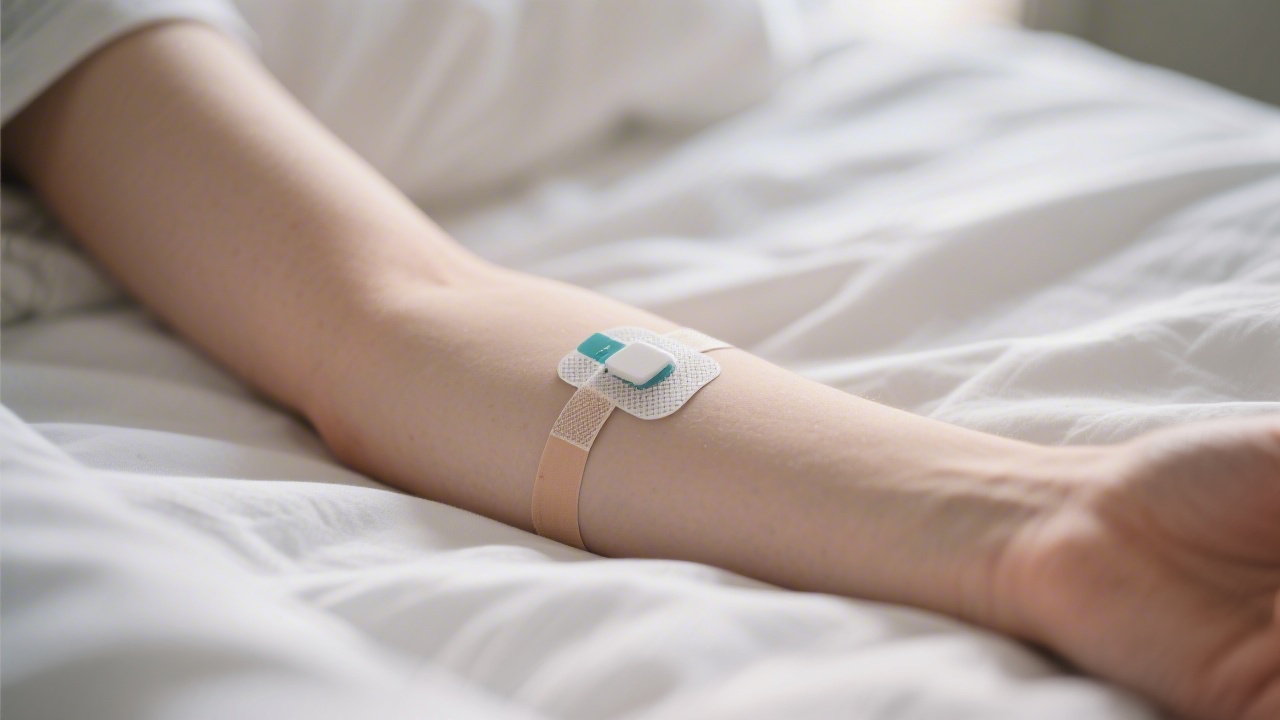
Looking for a mattress that supports better sleep? The Saatva Classic is consistently rated among the top mattresses for sleep quality, spinal alignment, and temperature regulation. See current pricing and availability →
Most people assume blood sugar only matters during waking hours. CGM data collected overnight tells a different story. Glucose fluctuates continuously during sleep, shaped by what you ate, when you ate it, your stress levels, sleep architecture, and the natural rhythms of cortisol and growth hormone.
What a CGM Captures Overnight
A continuous glucose monitor measures interstitial fluid glucose every 1–5 minutes, providing a granular picture of the glycemic landscape across an entire night. This data reveals patterns that a fasting morning blood draw misses entirely.
The three most clinically relevant patterns are:
- Dawn phenomenon: A natural rise in blood glucose between 3 a.m. and 8 a.m., driven by cortisol and growth hormone secretion. In people with insulin resistance, this rise is more pronounced and harder to suppress.
- Reactive hypoglycemia: Blood sugar drops below 70 mg/dL during the night, often 2–4 hours after a high-carbohydrate evening meal. These episodes can trigger micro-arousals and disrupt deep sleep without the sleeper noticing.
- Post-meal persistence: Glucose spikes from dinner that have not resolved by sleep onset elevate the baseline throughout the night, compressing slow-wave sleep duration.
How Blood Sugar Affects Sleep Architecture
Sleep and glucose regulation operate on a bidirectional feedback loop. Poor glucose control disrupts sleep; poor sleep disrupts glucose control.
Research published in Diabetes Care found that nocturnal hypoglycemic events are associated with increased awakenings, reduced slow-wave sleep, and elevated sympathetic nervous system activity. Growth hormone, which is primarily secreted during slow-wave sleep, plays a direct role in glucose counter-regulation — meaning that disrupted deep sleep also impairs the body’s ability to manage nighttime glucose levels.
In non-diabetic individuals, CGM studies show that glucose variability during sleep correlates with next-morning cognitive performance, mood, and reported sleep quality, even when total sleep time is held constant.
The Sleep–Glucose Connection in Non-Diabetics
CGM use has expanded well beyond diabetes management. Athletes, biohackers, and people with metabolic health concerns now wear CGMs to understand how lifestyle choices affect glucose in real time. What this population-level data shows:
- High-carbohydrate meals within 2 hours of bedtime increase nocturnal glucose variability by an average of 18–24% compared to earlier eating windows.
- Alcohol consumption produces an initial glucose spike followed by a suppressive drop overnight, increasing hypoglycemia risk.
- Exercise timing matters: vigorous evening exercise within 1 hour of bedtime can sustain elevated glucose for 3–4 hours, delaying sleep onset.
Practical Takeaways from CGM Sleep Data
You do not need a CGM to benefit from these insights. The patterns CGMs reveal suggest a set of dietary and behavioral strategies applicable to anyone concerned about sleep quality:
- Shift the largest carbohydrate intake to midday rather than the evening meal.
- Include protein and fat with dinner to slow glucose absorption and reduce post-meal spike amplitude.
- Allow at least 2.5–3 hours between the last meal and sleep onset.
- A short 10–15 minute walk after dinner reduces post-meal glucose by 15–20% in most individuals.
For those with access to CGM data, analyzing overnight glucose traces alongside sleep health checkup metrics and the broader relationship between sleep and blood sugar provides a more complete metabolic picture.
Does Your Mattress Influence Glucose-Sleep Interaction?
Core body temperature regulation during sleep is directly linked to metabolic function. A mattress that traps heat elevates core body temperature, suppresses melatonin production, and disrupts glucose counter-regulation during the night. Temperature-neutral sleep surfaces help maintain the optimal core temperature drop of 1–2°C required for deep sleep and growth hormone secretion.
Additionally, if poor sleep quality is contributing to insulin resistance (short sleep consistently increases insulin resistance by 20–30% in controlled studies), improving sleep environment quality has a direct downstream benefit on metabolic health.
Frequently Asked Questions
What is the dawn phenomenon and why does it affect sleep?
The dawn phenomenon is a natural pre-awakening rise in blood glucose driven by cortisol and growth hormone secretion, typically occurring between 3 and 8 a.m. In people with insulin resistance, the rise is larger and can cause restless sleep or early awakening.
Can nocturnal hypoglycemia happen without diabetes?
Yes. Reactive hypoglycemia after high-carbohydrate evening meals can cause blood glucose to drop below 70 mg/dL during sleep in non-diabetic individuals, triggering cortisol release and micro-arousals that fragment sleep without the person being aware.
How does poor sleep worsen blood sugar control?
Short or fragmented sleep increases cortisol and growth hormone dysregulation, reduces insulin sensitivity by 20-30%, and increases appetite for high-glycemic foods the following day, creating a compounding negative cycle.
Do CGMs require a prescription?
In the United States, some CGM devices require a prescription while others, such as the Abbott Libre Sense, are available over-the-counter for sports and wellness use. Availability varies by country.
What time should I stop eating to minimize overnight glucose disruption?
Most CGM-based research suggests that finishing the last meal 2.5 to 3 hours before sleep onset allows sufficient time for post-meal glucose levels to return toward baseline, reducing nocturnal glucose variability.
Looking for a mattress that supports better sleep? The Saatva Classic is consistently rated among the top mattresses for sleep quality, spinal alignment, and temperature regulation. See current pricing and availability →
Our Top Mattress Pick
The Saatva Classic consistently ranks #1 for comfort, support, and long-term durability.