
 by
by Our Recommended Pick
For durable pressure relief and cooling that outperforms egg crate long-term.
Convoluted foam — commonly called egg crate foam — is one of the most misunderstood products in the mattress category. It is simultaneously overused (cheap toppers sold as luxurious comfort upgrades) and underappreciated in its genuine clinical applications. Here is an objective view of what it actually does.
What Is Convoluted Foam?
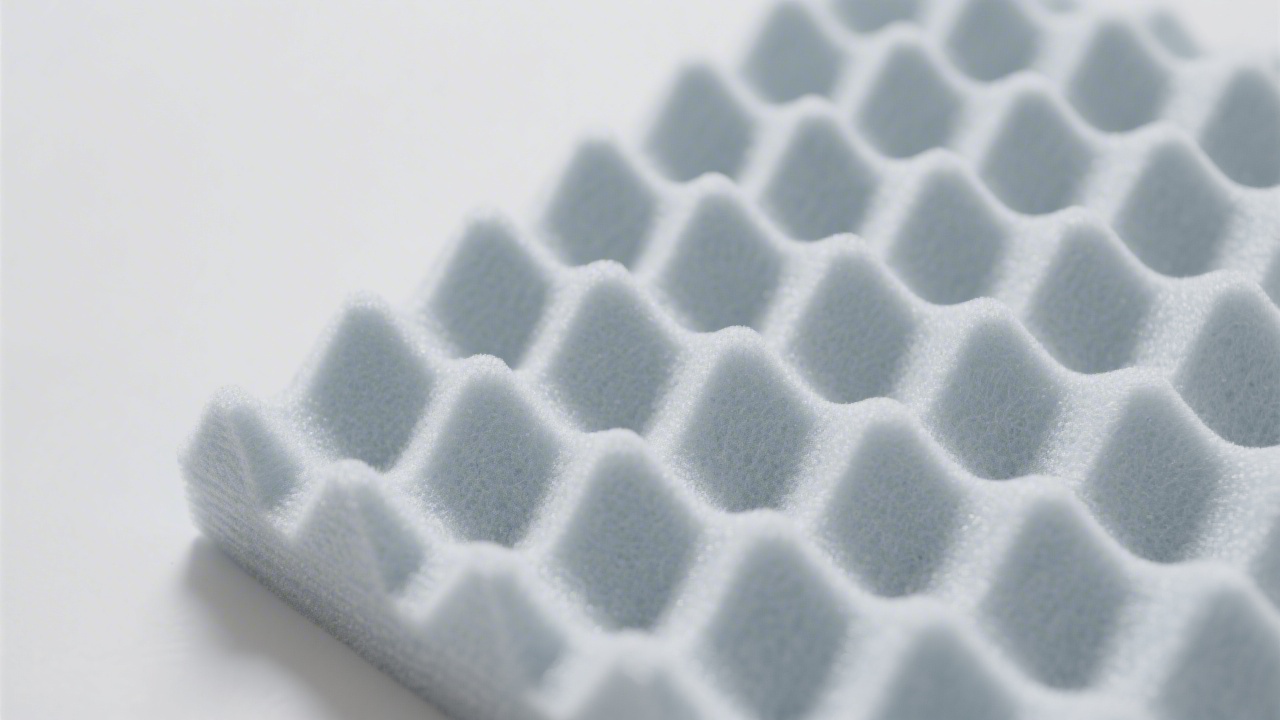
Convoluted foam is polyurethane foam that has been cut or molded with a regular pattern of peaks and valleys — resembling an egg carton from above. The convoluting process can use the same base foam as a flat slab, or it can be applied to any density or ILD of foam.
The key structural differences from flat foam:
- Reduced contact surface area: Only the peaks contact the body, reducing total surface pressure
- Increased airflow: Channels between peaks allow air movement through the topper
- Variable stiffness across zones: Peaks compress at lower force than a flat slab of the same foam
- Lower material cost: Convoluting uses less material per cubic foot than solid foam
The Clinical Origin: Hospital and Medical Use
Convoluted foam became a standard mattress overlay in hospital settings primarily for pressure injury prevention (pressure ulcers/bed sores) in immobile patients. The reduced contact surface area and pressure redistribution across the peaks measurably reduces peak interface pressure compared to flat foam.
Published clinical studies (including those in the Journal of Wound Care) consistently show convoluted overlays reduce interface pressure compared to standard hospital mattresses — though they are inferior to active alternating-pressure systems for high-risk patients.
Consumer Convoluted Foam: What You Actually Get
Most consumer "egg crate toppers" are made from low-density (1.0–1.5 lb/ft³) polyfoam with an ILD of 10–15. This gives them a very soft initial feel that compresses quickly. They are effective for:
- Adding a soft surface layer to a firm mattress cheaply
- Improving airflow (the channels are real)
- Short-term recovery or guest use
They are not effective for:
- Long-term durability — low-density convoluted foam compresses and loses function within 1–2 years
- Pressure relief equivalent to high-density viscoelastic foam — the dynamic response is different
- Spinal support — convoluted foam provides no additional support and may reduce support by creating an uneven surface
Convoluted Foam vs Memory Foam Toppers
| Feature | Convoluted Polyfoam | Memory Foam Topper |
|---|---|---|
| Initial softness | High (low ILD peaks) | High (temperature-responsive) |
| Pressure relief | Moderate (surface area reduction) | High (full contouring) |
| Airflow | Good (channels) | Poor (dense closed-cell) |
| Durability | Low (1–2 years) | High (5–8 years with quality) |
| Cooling | Moderate (airflow channels) | Poor without infusion |
| Cost | Very low | Moderate–high |
When Convoluted Foam Is the Right Choice
- Recovery from surgery or injury: Where reduced pressure and airflow are clinically relevant and the budget for a premium topper is limited
- Guest room: A cost-effective way to soften a firm guest mattress for occasional use
- Combination with higher-quality foam: Some premium mattresses use a thin convoluted layer (often 0.5–1 inch) beneath a denser comfort layer — the channels improve airflow through the comfort section without being the primary feel layer
- Hot sleepers on a budget: A convoluted topper over a sleeping-hot foam mattress genuinely improves airflow compared to a flat addition
For Serious Comfort Needs: Look Beyond Egg Crate
If you need durable pressure relief and improved cooling as a long-term investment, a quality graphite memory foam topper will outperform convoluted polyfoam significantly — better pressure contouring, better thermal performance, and a 5–8 year lifespan versus 1–2 years for budget egg crate.
Our Recommended Pick
For durable pressure relief and cooling that outperforms egg crate long-term.
Frequently Asked Questions
Does egg crate foam actually help with pressure sores?
In clinical settings, convoluted overlays measurably reduce interface pressure compared to flat hospital mattresses. For high-risk immobile patients, active alternating-pressure systems are superior. For consumer use and mild pressure relief, yes — the reduced contact area is a real benefit.
How long does egg crate foam last?
Low-density consumer convoluted foam (the most common type) typically loses meaningful function within 12–18 months under nightly use. The peaks compress and the surface becomes increasingly flat and uneven.
Can you wash egg crate foam?
Most convoluted foam can be hand-washed in a bathtub with mild soap. Machine washing — especially with agitation — destroys the peak structure. Allow 24–48 hours to dry fully before use; compressed wet foam can grow mold.
Is convoluted foam good for side sleepers?
It provides a soft initial surface that side sleepers often prefer. However, for sustained hip and shoulder pressure relief in a permanent mattress setup, a higher-density viscoelastic topper provides better contouring. Egg crate foam is a reasonable short-term solution.
Why is convoluted foam used in hospitals?
Hospital use is primarily about pressure injury prevention for immobile patients. The reduced contact surface area lowers peak interface pressure at bony prominences (heels, sacrum, shoulder blades) compared to flat polyfoam. It is a cost-effective overlay solution in low-to-moderate risk patients.