 by
by Quick answer: Clinical brain cooling is hospital equipment, not bedding. For comfort at home during recovery, a consumer option like the True Temp™ Weighted blanket can help with sleep temperature — but it's not a medical device.
- A systematic review of head cooling after traumatic brain injury found the most effective techniques lowered intracranial temperature by at least 1°C within about one hour.
- The main device-related side effects in that research were localized, generally mild and self-limiting skin problems.
- Consumer cooling blankets are comfort products; any therapeutic temperature management should be directed by the medical team.
Updated July 2026 · Reviewed for accuracy
If you're searching for a cooling blanket for brain injury, you're probably in one of two situations. Either someone you love is in the hospital and you've heard the care team mention cooling therapy, or someone's home recovering and runs hot at night. Those are very different needs, and mixing them up can waste money or worse. Let me separate them clearly, then walk through what actually matters when you shop.
One search term, two very different products
Here's the first thing to understand: the phrase "cooling blanket" covers two categories that have almost nothing in common.
In a clinical setting, a cooling blanket usually means a surface temperature-management system. These are medical devices that circulate cooled fluid through pads or blankets placed against the skin. The goal isn't comfort. It's lowering the temperature of the tissue underneath, and in brain-injury care, the real target is intracranial temperature. Hospitals own this equipment, nurses run it, and physicians set the targets.
In retail, a cooling blanket is bedding. It uses breathable fabrics, moisture-wicking fibers, or phase-change materials to keep a sleeper from overheating. It cools passively. There's no pump, no setpoint, no feedback control. If you want the full mechanics, I break them down in my explainer on how cooling blankets work.
Key distinction: A retail cooling blanket cannot deliver therapeutic hypothermia or targeted temperature management. If a product page implies it can treat or protect an injured brain, walk away.
What current evidence suggests about cooling after brain injury
The clinical interest in cooling after traumatic brain injury (TBI) is real, and it's worth understanding before you buy anything. A systematic review of head-cooling techniques after TBI looked at localized approaches, including liquid cooling helmets and nasal coolant systems. The findings, per that review:
- The most effective head-cooling categories could reduce intracranial temperature by 1°C or more within about one hour.
- The main device-related adverse effects were localized skin problems, generally mild and self-limiting.
- The target that mattered was brain temperature, not skin comfort, which is why monitoring and heat transfer dominated the analysis.
Two takeaways for a buyer. First, meaningful brain cooling is an engineering problem: it takes real heat-extraction capacity and feedback control to move intracranial temperature even a degree. No passive fabric does that. Second, even purpose-built medical devices cause skin issues at the contact point, which tells you how seriously interface design and monitoring are taken in that world.
So when a consumer product markets itself with vague "brain cooling" language but says nothing about heat-extraction power, feedback control, or skin-interface management, that's a red flag. The science is specific. The marketing often isn't.
Comparing options? The True Temp™ Weighted blanket is the pick we keep coming back to — see the final verdict ↓
How clinicians evaluate a real cooling system
If you're a caregiver trying to understand the equipment being used in the ICU, or you're involved in procurement for a facility, here's the checklist the clinical literature points to. Compare any system on these dimensions:
| Factor | What to ask |
|---|---|
| Cooling target | Head/neck (localized) or whole-body? Does it claim selective brain cooling? |
| Heat-extraction capacity | Cooling power in watts, and is it adjustable across ranges? |
| Feedback control | Skin sensors, target setpoints, documented temperature stability? |
| Interface design | Cap, helmet, collar, or pad array? How does it manage contact pressure and condensation? |
| Safety features | Alarms for sensor failure, flow problems, leakage, or overheating? |
| Consumables | Which pads, covers, or liners are disposable, and what's the cost per case? |
| Workflow fit | Setup time, positioning ease, ICU or MRI compatibility, nursing burden? |
Notice what isn't on that list: fabric softness, thread count, color options. Clinical temperature management is about watts, sensors, and skin safety. That gap is exactly why consumer bedding and medical devices should never be evaluated with the same checklist.
Where a consumer cooling blanket actually fits
Now for the situation most searchers are really in: someone is home from the hospital, recovering, and struggling to sleep comfortably. Sleep disruption and temperature dysregulation are common complaints after brain injury, and a cooler, calmer sleep setup is a reasonable quality-of-life goal. That's a legitimate job for bedding.
What a good consumer cooling blanket brings to that job:
- Passive temperature regulation. Breathable or phase-change fabrics move heat and moisture away from the skin so the sleeper doesn't wake up sweaty.
- Calming pressure, if it's weighted. Many people find gentle, even pressure soothing at bedtime, though anyone recovering from an injury should clear added weight with their physician first.
- Zero clinical risk profile. No pumps, no setpoints, no skin-injury protocol. It's a blanket.
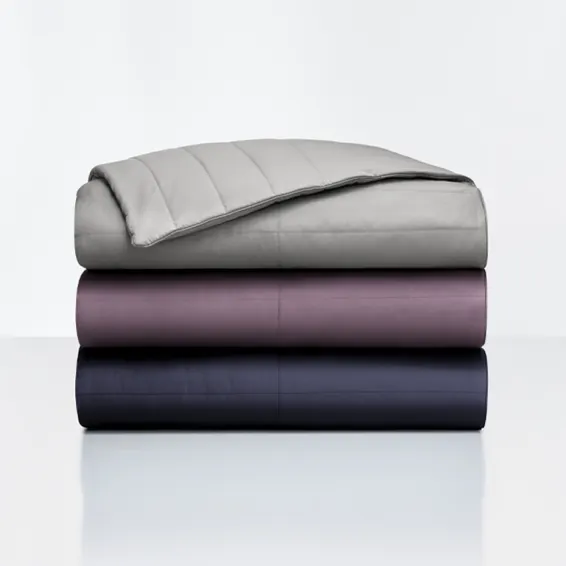
My pick in this lane, and the decision is straightforward, is the True Temp™ Weighted blanket from Sleep Number. Per the manufacturer, it pairs temperature-balancing fabric with weighted fill, which covers both the overheating problem and the settling-down-at-night problem in one product. It sits in the premium tier, so check the current price on the official site before you commit. If you want to compare it against other options first, my Gravity cooling weighted blanket review and my broader cooling blanket guide lay out the field, and I keep a seasonal shortlist of the best cooling weighted blankets for summer as well.
Caregiver note: Before adding any weighted product to the bed of someone recovering from a brain injury, ask the care team. Mobility limitations, sensory changes, or swallowing and breathing issues can change what's safe. The physician's answer overrides anything on a product page, including mine.
Questions to ask the medical team first
Before you spend a dollar, get answers to these from the clinicians involved. Write the answers down.
- Is any temperature management still medically indicated? If yes, that's hospital equipment and a hospital decision, full stop.
- Is a weighted blanket appropriate? Weight tolerance depends on the individual's strength, mobility, and respiratory status.
- Are there skin-integrity concerns? Remember, the head-cooling research flagged skin problems as the main device issue. Fragile skin changes what fabrics and pressures are acceptable at home too.
- What's the realistic sleep goal? Comfort and fewer night wakings are achievable with bedding. Neurological protection is not a bedding outcome.
That last point deserves emphasis. A cooling blanket you buy online is a comfort purchase. Frame it that way in your head and you'll shop well: fabric performance, ease of washing (caregiving means laundry, lots of it), and whether the person actually likes the feel.
The bottom line
Clinical brain cooling is real medicine with real evidence behind it: per the systematic review, the best localized techniques can drop intracranial temperature by a degree or more within an hour, with mostly mild, self-limiting skin issues as the trade-off. That happens in hospitals, with powered devices, sensors, and protocols.
At home, the honest job description for a cooling blanket is better sleep during recovery. Buy it for breathable fabric, manageable weight, and easy care. Run the plan past the care team. And ignore any marketing that blurs the line between bedding and therapy, because that line is the whole ballgame.
FAQ
Can a cooling blanket treat a brain injury?
No. Retail cooling blankets are comfort bedding, not medical devices. Therapeutic temperature management after a brain injury uses powered hospital systems under medical supervision. A consumer blanket can help someone sleep cooler at home, nothing more.
What did research find about head cooling after TBI?
Per a systematic review of head-cooling techniques, the most effective approaches reduced intracranial temperature by at least 1°C within about an hour. The main device-related side effects were localized skin problems, generally mild and self-limiting.
Is a weighted cooling blanket safe for someone recovering from a brain injury?
It depends on the individual's mobility, strength, and respiratory status, so clear it with the physician first. For many people in recovery, gentle weight is calming, but the care team's answer always wins.
What should I look for in a clinical cooling system?
The key factors are heat-extraction capacity in watts, feedback control with skin sensors and setpoints, interface design that protects the skin, safety alarms, disposable-component costs, and workflow fit. Those specs separate real temperature-management systems from marketing language.
Why do hospitals care about skin during cooling therapy?
Because the contact surface is where problems show up. The head-cooling research identified localized skin issues as the primary device-related adverse effect, so interface materials, contact pressure, and condensation management are treated as core safety features, not extras.
FINAL VERDICT
Bottom line for families researching cooling blankets after a brain injury: if you want safe, comfortable temperature relief at home, the True Temp™ Weighted blanket is the safer buy — you get real temperature control from a brand you can still find next year, not a marketplace listing that vanishes.
OUR CATEGORY-MATCHED PICK
True Temp™ Weighted blanket
- See the product page for full specs and current pricing