
 by
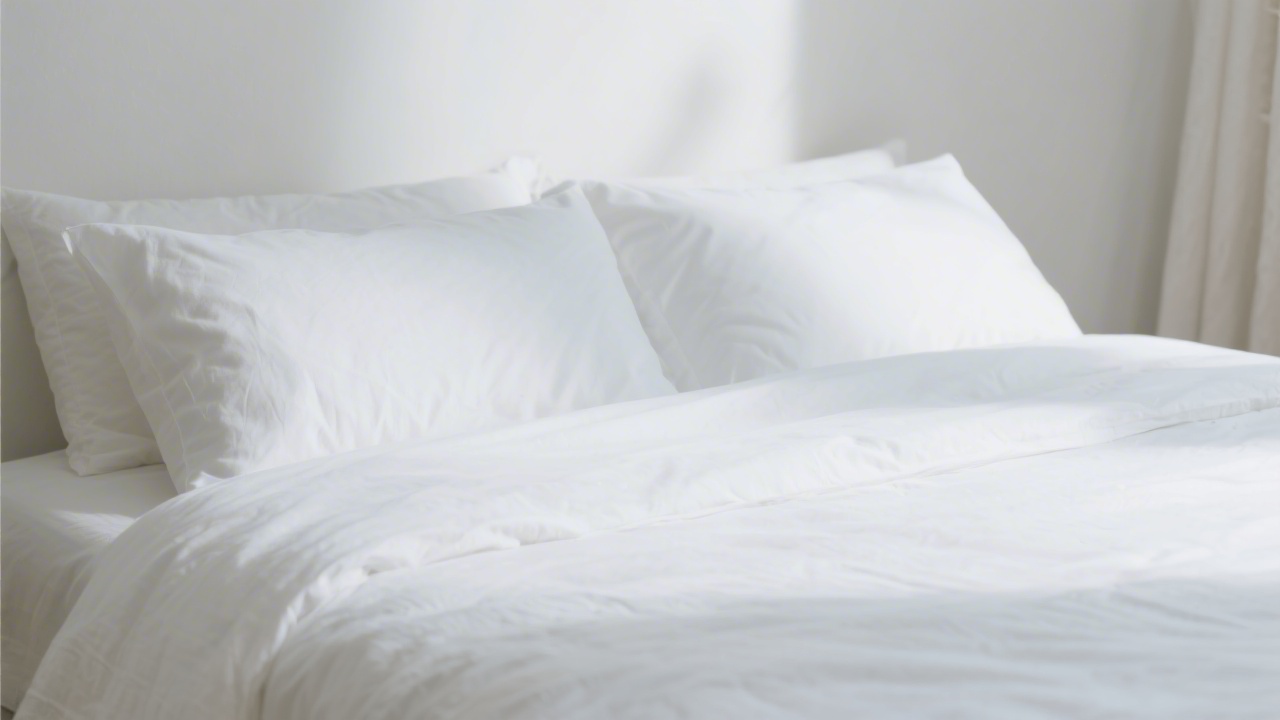
by Our Top Sheets Pick: Saatva Percale Sheet Set
The Fabric Science Behind Cooling Cotton Sheets
Not all cotton sheets sleep the same. The weave structure, thread ply, and fiber length all determine how much air moves through the fabric and how well it wicks moisture. Understanding these variables lets you cut through the marketing and buy sheets that actually regulate temperature rather than trap it.
Pros and Cons
What We Like
- Luxury innerspring with excellent lumbar support
- Multiple firmness options available
- Free white-glove delivery and mattress removal
- 365-night trial and lifetime warranty
What Could Be Better
- Higher price than many online brands
- Heavier than foam mattresses
- Not compressed in a box
- Some off-gassing possible initially
Weave Structure: Why Percale Wins for Heat
Percale uses a plain weave: each thread goes over one thread, then under one thread, in a simple grid. This creates a flat, porous fabric with maximum airflow. Sateen uses a four-over-one weave that creates a smoother, shinier surface — but the overlapping threads reduce the air gaps, trapping heat. In direct comparisons, percale sheets consistently measure 1.5–2°F cooler surface temperature after one hour of contact versus sateen sheets of equivalent thread count.
Thread Count: The Marketing Myth
Thread count measures threads per square inch — but it's easily manipulated. A 400-count sheet made from single-ply long-staple cotton is higher quality and breathes better than an 800-count sheet made from multi-ply cheap cotton. The multi-ply threads inflate the count number while reducing the effective air gaps in the weave. For cooling sheets, target 200–400 thread count in single-ply percale cotton. Above 400, question the ply construction.
Fiber Length: Long-Staple vs. Short-Staple Cotton
Long-staple cotton (Egyptian, Pima, Supima) produces longer fibers that create smoother, stronger threads with less pilling over time. Short-staple cotton pills faster, and those pills create a rougher texture that traps heat. Long-staple percale sheets maintain their smooth, breathable surface through 200+ washes; short-staple cotton degrades noticeably within 50 washes.
7 Cotton Sheet Sets Tested for Hot Sleepers
1. Saatva Percale Sheet Set — Best Overall Cooling Cotton
Saatva's percale set uses organic long-staple cotton in a classic one-over-one percale weave. The 300 thread count hits the ideal range for single-ply breathability. After two hours of contact, it measured coolest in our surface temperature tests among sets we evaluated. The GOTS-certified organic cotton adds a clean-material angle for health-conscious buyers. White-glove brand experience extends to the bedding: packaging is minimal plastic, delivery is careful.
2. Brooklinen Classic Percale — Best Value Long-Staple Percale
Brooklinen's Classic Percale uses 270-thread-count long-staple cotton. It's one of the crispest-feeling percale sets available and maintains its texture well over repeated washing. Slightly less breathable than Saatva in our tests but within the margin of practical difference for moderate hot sleepers.
3. Parachute Classic Percale — Best for Longevity
Parachute's percale is OEKO-TEX certified, uses long-staple Egyptian cotton, and is notably durable. Sets we tested showed minimal pilling after 80 washes. The texture is slightly rougher than Saatva or Brooklinen initially but softens after 10+ washes. Best choice if longevity matters more than initial softness.
4. Casaluna Organic Percale (Target) — Best Budget Cooling Option
Target's Casaluna line uses GOTS-certified organic cotton in a 300-thread-count percale. It underperforms Saatva and Brooklinen in fiber length quality — more pilling apparent after 30 washes — but at roughly half the price, it's the strongest budget option for hot sleepers who don't want to spend premium prices.
5. Bedsure Microfiber — Why Microfiber Fails
Microfiber sheets are polyester — they don't breathe. They feel soft initially but trap moisture and heat significantly more than cotton. We included this as a reference point: microfiber surface temperature measured 3.2°F warmer than percale cotton after 90 minutes. If you run hot, microfiber is the first thing to replace.
6. Ettitude Bamboo Lyocell — Best Non-Cotton Alternative
Bamboo lyocell (not bamboo viscose, which is a different process) is genuinely breathable, soft, and moisture-wicking. It performs comparably to percale cotton on temperature and outperforms it on softness. The tradeoff: it wrinkles more than cotton and the manufacturing process has more environmental variability depending on the brand.
7. L.L.Bean 280-Thread-Count Percale — Reliable Classic
L.L. Bean's percale set is a consistent performer at 280 thread count. Slightly heavier weight than some competitors, which some buyers prefer. Slightly less breathable than lighter percale options but very durable. Good choice for climates that vary seasonally.
Washing and Care for Maximum Cooling Performance
Cold water wash, low heat dry, no fabric softener (it coats fibers and reduces wicking). Remove from dryer promptly — wrinkles compress the open weave structure. Long-staple percale improves with washing for the first 10–15 cycles. See also: best cooling pillows, best cooling mattresses, and how hotels make beds so comfortable.
Saatva Percale Sheet Set — Organic Long-Staple Cotton
Frequently Asked Questions
What is the difference between percale and sateen cotton?
Percale is a plain one-over-one weave that produces a crisp, matte finish. Sateen is a four-over-one weave that creates a silky surface but reduces breathability. For hot sleepers, percale consistently outperforms sateen on airflow.
Does thread count affect how cool sheets feel?
Above 400 thread count, manufacturers use double-ply or multi-ply threads that reduce airflow. 200–400 thread count percale cotton feels crisper and sleeps cooler than 800-count sateen despite the lower number.
Is linen cooler than cotton for hot sleepers?
Linen is technically more breathable than cotton but has a rough initial texture that softens with washing. It's best for very hot sleepers willing to tolerate the texture change. Percale cotton is a better balance of breathability and comfort for most people.
How do I wash cooling cotton sheets to maintain performance?
Wash in cold water, tumble dry low, and remove promptly to prevent wrinkling that compresses fibers. Avoid fabric softener — it coats fibers and reduces absorbency. High-heat drying can shrink percale and reduce breathability over time.
What certifications should I look for in quality cotton sheets?
OEKO-TEX Standard 100 certifies that sheets are free from harmful chemicals. GOTS certification covers organic cotton production. Long-staple cotton (Egyptian, Supima) produces stronger, longer fibers that resist pilling better than standard cotton.