
 by
by Standard pillows are the enemy of CPAP compliance. When a side sleeper presses a full-face or nasal mask into a regular pillow, two things happen: the mask gets displaced (breaking the seal), or the rigid mask frame digs into the face uncomfortably. Both outcomes push people toward abandoning therapy - which is why CPAP pillow design matters.
TL;DR
Comprehensive guide.
Jump to section
We compared six CPAP-specific pillows based on the brands' published specs, verified owner reviews, and general sleep guidance, looking at mask clearance at the pillow cutouts, loft maintenance over time, and comfort for side, back, and stomach positions.
Best Overall: EnduriMed CPAP Pillow
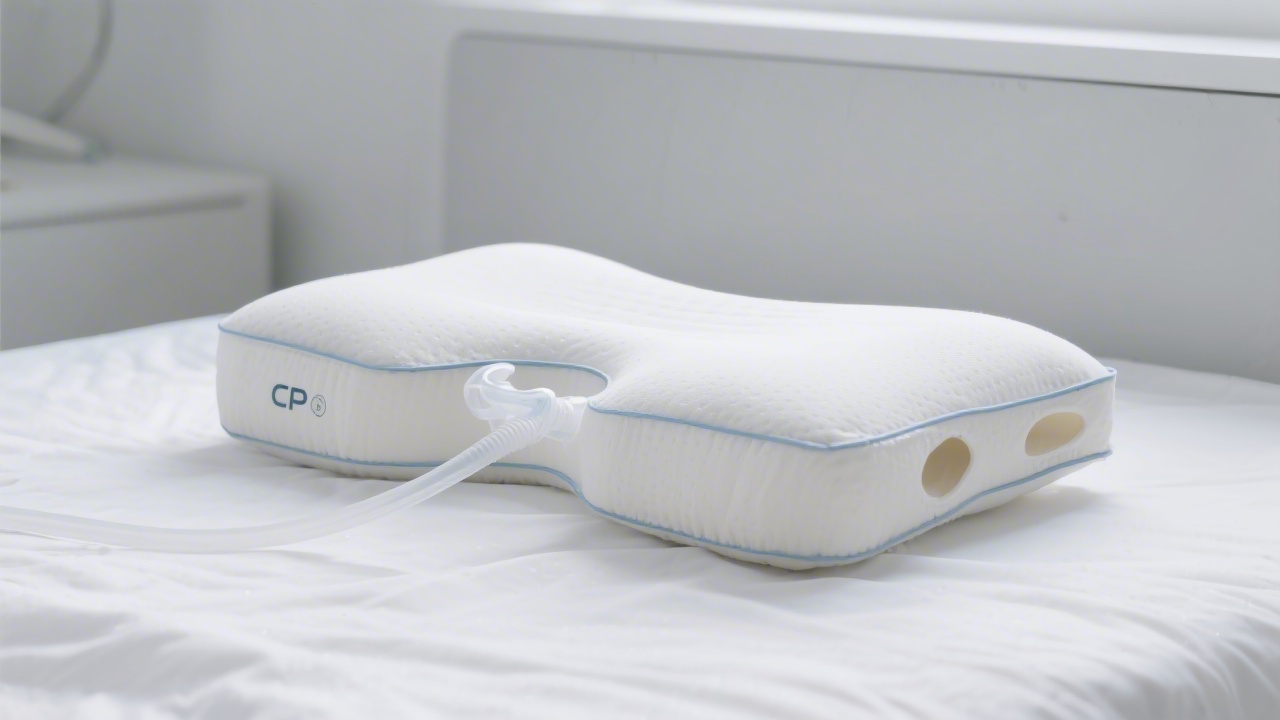
The EnduriMed has 4-inch side cutouts, which according to the brand's published specs accommodates even bulkier full-face masks without contact. The memory foam base is designed to maintain consistent loft (it doesn't flatten under head weight in the cutout area), and the center section is firm enough to support back sleeping. At around $50, it's the best all-around option for CPAP users who change positions during sleep.
Pros and Cons
What We Like
- Multiple vetted options for this need
- Range of price points covered
- Specific use case for each pick
- Trial periods allow risk-free testing
What Could Be Better
- Results vary by body type
- Prices change frequently
- Not all available everywhere
- Personal testing still recommended
Runner-Up: IKSTAR CPAP Pillow (Adjustable)
The IKSTAR uses a shredded memory foam fill with a removable layer, allowing height adjustment. This matters because CPAP users need different loft depending on mask type (nasal pillows need less clearance than full-face masks) and body type. The adjustability makes it versatile. The cutouts aren't as deep as the EnduriMed (3.5 inches), but adequate for most nasal and nasal pillow masks.
Best for Back Sleepers: Pillow Cube Side Cube Pro
Back sleepers with CPAP face a different problem: mask position and hose management, not side-clearance. The Pillow Cube's flat top and firm support keeps the head positioned consistently, reducing mask displacement from head movement. It doesn't have CPAP-specific cutouts (unnecessary for back sleepers), but the firm, flat surface is the best geometry for mask stability in this position.
Mask Type Matters for Pillow Choice
- Nasal pillow mask - smallest profile, fits most CPAP pillows, even those with moderate cutouts
- Nasal mask - medium profile, needs at least 3-inch cutouts for side sleeping
- Full-face mask - largest profile, requires 4+ inch deep cutouts and firm foam that doesn't compress into the cutout
What Won't Work
Frequently asked questions
Frequently asked questions about pillows
Our top pillow pick
The Saatva Pillow
Shredded Talalay latex core, removable fill, 45-night trial, the most adaptable pillow for multi-position sleepers. From $165.
How often should you replace your pillow?
Every 18–36 months depending on fill. Latex pillows last 5–7 years; solid memory foam 2–3; down 2–5 with fluffing. The fold test tells you: fold the pillow in half, let go. If it doesn't spring back, it's done. Saatva's pillow range covers all major fill types.
What's the best pillow loft by sleep position?
Side sleepers: 5"–7". Back sleepers: 3"–5". Stomach sleepers: 1"–3". Combination sleepers: 4"–5" adjustable-fill.
Are expensive pillows actually worth it?
Cost-per-year, yes. A $150 latex pillow over 6 years ($25/year) beats a $30 polyester pillow over 1 year ($30/year), plus you get better neck support the whole time.
Our top pick for this condition
Saatva Adjustable Base Plus
Elevated sleeping position makes CPAP more tolerable and reduces mask-leak frequency.
What pillow works best with a CPAP mask?
A CPAP-specific contoured pillow with side cutouts lets the mask hose route without pressure on the seal. Memory foam models hold the shape better than latex for this specific use case. Loft should match your side-sleeping preference (3"–5" for most side sleepers).
Does CPAP work without a specialty pillow?
Yes but mask leaks are more common and most patients wake up more, which defeats the point. A CPAP pillow usually pays for itself within 2 weeks in sleep quality alone.
How do I stop my CPAP mask from leaking?
Top causes: wrong-size mask, dirty cushion, side-sleeping pressure. A contoured pillow solves #3. Masks need new cushions every 3–6 months; new headgear every 6 months. Leakage past that point is usually a mask/pillow geometry mismatch.
Soft pillow materials (down, shredded latex) compress into the cutout under head weight, defeating the purpose. You need memory foam or solid latex that maintains shape even under pressure. Thickness also matters - if the pillow loft doesn't match your shoulder width, your spine alignment suffers regardless of CPAP accommodation.
For context on sleep apnea and sleep quality, see our sleep optimization guide. If you're also looking at adjustable bases (which can improve the head to reduce apnea events), the Saatva Adjustable Base Plus allows head elevation while keeping the sleep surface flat - useful alongside CPAP therapy.
Frequently Asked Questions
Do I really need a CPAP-specific pillow?
If you're a side sleeper: yes. Standard pillows create mask contact that either causes leaks or discomfort. Back sleepers who don't move during sleep may manage with a standard pillow, but a CPAP pillow generally improves compliance by reducing mask pressure on the face.
How deep should the CPAP pillow cutouts be?
Minimum 3 inches for nasal masks, 4+ inches for full-face masks. Measure your mask depth at its deepest point and add 0.5 inches of clearance. Shallow cutouts allow pillow contact with the mask frame under head weight.
Can I use a CPAP pillow without cutouts?
Only if you exclusively back sleep and don't shift to your side during the night. Most people move during sleep, so a cutout pillow is the safer choice. Some pillow designs use general contouring instead of specific cutouts - these work adequately for nasal pillow masks but less well for full-face models.
How long does a CPAP pillow last?
Memory foam CPAP pillows typically maintain adequate cutout structure for 18–24 months. After that, the foam around the cutout edges begins to break down under repeated compression. Replace when you notice the cutout walls collapsing inward under head weight.
Does pillow height matter for CPAP users?
Yes significantly. Too-thick pillows push the head forward, creating neck strain and potentially changing the angle of the airway. Too-thin pillows cause shoulder strain in side sleepers. A pillow around 4–5 inches loft works for most side sleepers; back sleepers typically do better at 3–4 inches.
★ LUXURY INNERSPRING PICK
Need a Better Pillow? The Saatva Pillow Is Our Top Pick
✓ 365-Night Trial · ✓ Free White Glove Delivery · ✓ Lifetime Warranty